All posts in On the Road

Preparing Your Teen for the Road: A Comprehensive Guide

teaching teenage to drive

The moment your teenager mentions getting their driver’s license, a mix of pride and worry likely washes over you. Teaching your teen to drive represents a significant milestone—both for them and for you as a parent. While professional driving schools provide valuable instruction, your role as a parent in driver education remains irreplaceable.

Your involvement goes far beyond simply sitting in the passenger seat during practice drives. You’re shaping their understanding of responsibility, safety, and the serious nature of operating a vehicle. This comprehensive approach to teen driving education helps create confident, cautious drivers who understand that driving is a privilege that comes with significant responsibilities.

The journey from nervous beginner to capable driver doesn’t happen overnight. It requires patience, consistency, and a structured approach that builds skills gradually while reinforcing safe driving habits at every step.

Understanding Graduated Driver Licensing Programs

Graduated Driver Licensing programs exist in nearly every state, designed specifically to ease new drivers into full driving privileges gradually. These programs recognize that teen drivers face higher risks and need time to develop essential skills before gaining complete independence behind the wheel.

The GDL system typically includes three distinct stages. During the learner’s permit phase, teens can only drive while supervised by a licensed adult, usually requiring a specific number of practice hours. The intermediate license stage allows unsupervised driving but with restrictions on nighttime driving and passenger limits. Finally, the full license grants complete driving privileges after meeting age and experience requirements.

Each state maintains its own specific GDL requirements, including minimum ages, required practice hours, and restriction details. Checking with your local Department of Motor Vehicles ensures you understand exactly what your teen needs to accomplish at each stage. These requirements aren’t arbitrary—they’re based on crash data and research showing that gradual introduction to driving privileges significantly reduces accident rates among new drivers.

Setting the Foundation Through Essential Pre-Driving Lessons

Before your teen ever sits behind the wheel, important conversations about driving responsibility need to happen. These discussions lay the groundwork for safe driving habits and help your teenager understand the serious nature of operating a vehicle.

Start by addressing the leading causes of teen driving accidents. Distracted driving, particularly cell phone use, remains the top risk factor for young drivers. Explain how even hands-free devices can create cognitive distractions that impair driving ability. Discuss the devastating consequences of impaired driving, emphasizing that alcohol and drugs aren’t the only substances that can impair judgment—even some prescription medications and over-the-counter drugs can affect driving ability.

Familiarizing your teen with the vehicle itself proves equally important. Spend time showing them how to adjust mirrors, seats, and steering wheel position for optimal visibility and comfort. Explain basic maintenance indicators like warning lights, oil levels, and tire pressure. Understanding these fundamentals helps your teen feel more confident and ensures they can recognize when something needs attention.

Effective In-Car Teaching Techniques

When you’re ready to begin actual driving practice, choosing the right environment makes all the difference. Empty parking lots provide the perfect starting point, offering space to practice basic vehicle control without the pressure of traffic or obstacles.

Your teaching approach during these early sessions sets the tone for your teen’s entire learning experience. Maintaining a calm, patient demeanor helps reduce their anxiety and creates a positive learning environment. Remember that your teen is processing multiple new skills simultaneously—steering, braking, acceleration, and spatial awareness all require conscious effort initially.

Start with fundamental skills before progressing to more complex maneuvers. Practice smooth acceleration and braking, proper steering techniques, and basic turning. Once your teen demonstrates comfort with these basics, gradually introduce parking exercises, lane changes, and merging situations.

As skills develop, slowly expand the driving environment to include quiet residential streets, then busier roads, and eventually highway driving. Each new challenge should build upon previously mastered skills, ensuring your teen never feels overwhelmed by too many new demands at once.

Reinforcing Road Rules and Safe Driving Practices

Understanding traffic laws extends far beyond memorizing rules for a driving test. Your teen needs to internalize these regulations and understand the reasoning behind them. Regular discussions about traffic laws help reinforce their importance and clarify any confusion about specific situations.

Defensive driving techniques deserve special emphasis during your teaching sessions. Help your teen develop hazard perception skills by pointing out potential dangers and discussing how to respond appropriately. Practice scanning intersections for red-light runners, maintaining safe following distances, and anticipating the actions of other drivers.

Weather conditions and emergency situations require specific attention. Practice driving in light rain when it’s safe to do so, explaining how stopping distances increase and visibility decreases. Discuss what to do if the car breaks down, how to handle a tire blowout, and the importance of staying calm during unexpected situations.

Leveraging Technology and Resources

Modern technology offers valuable tools to supplement your teen’s driver education. Driving simulation apps can provide additional practice opportunities, particularly for hazard recognition and reaction time improvement. Online resources often include practice tests for permit and license exams, helping reinforce theoretical knowledge.

Professional driving lessons from certified instructors can complement your teaching efforts beautifully. Professional instructors bring expertise in teaching techniques and may identify areas where your teen needs additional focus. They also provide an objective perspective on your teen’s progress and readiness for license testing.

Some parents find monitoring technology helpful during the early independent driving phase. These systems can track speed, location, and driving behaviors, providing objective data about your teen’s driving habits when you’re not present.

The Parent’s Role in Ongoing Driver Education

Your involvement in your teen’s driving education doesn’t end when they receive their license. The first year of independent driving remains the highest-risk period for teen drivers, making continued guidance essential.

Setting clear expectations and consequences for driving behavior helps maintain safety standards. Establish rules about vehicle use, passenger restrictions, and communication requirements. Make sure your teen understands that driving privileges can be restricted if safety rules are violated.

Your own driving behavior serves as a constant example for your teen. Demonstrating safe driving practices, avoiding distractions, and following traffic laws reinforces the lessons you’ve taught. Remember that your teen continues watching and learning from your driving habits long after they get their license.

Building Confident, Responsible Drivers

Teaching your teenager to drive represents one of the most important gifts you can give them—the foundation for a lifetime of safe driving. Your patience, guidance, and active involvement during this learning process shapes not just their driving skills, but their understanding of responsibility and safety.

The time and effort you invest in comprehensive driver education pays dividends in your teen’s safety and confidence behind the wheel. By combining structured learning with ongoing support, you’re helping create a driver who understands that operating a vehicle requires constant attention, good judgment, and respect for other road users.

Remember that every teen learns at their own pace. Some may master parking quickly while struggling with highway merging. Others might excel at following traffic laws but need extra practice with smooth vehicle control. Adapting your teaching approach to your teen’s individual needs ensures the most effective learning experience possible.

image credit: teen driving envato.com

Finding Your Parking Zen: The Spiritual Practice of City Car Ownership

city driving

City driving shapes more than commuting habits. The density, sounds, and unexpected delays can sharpen awareness, build patience, and teach balance.

Many drivers, probably you too, began this journey the moment you search, find, and finance your next car, realizing the road brings both stress and growth. As routines form, the quiet lessons hidden in the practice of city car ownership start to appear, offering a calm perspective amid daily chaos.

The Hidden Fear Behind Urban Car Ownership

Many people experience a genuine fear of owning a car in a city, and the reasons often stack quickly. Dense traffic creates pressure, especially when navigating narrow lanes or aggressive drivers. Parking scarcity adds constant uncertainty, amplifying stress every time you leave home.

The potential for dents, theft, and unexpected tickets can feel overwhelming, especially for those already worried about finances. Maintenance costs, insurance rates, and fuel prices make budgeting unpredictable.

Environmental concerns add moral weight, making some feel guilty about contributing to congestion or emissions. Altogether, these factors create a sense that car ownership in urban environments demands more energy than it gives back.

Accepting the Flow of Urban Traffic

City streets operate on busy rhythms. Delivery vans stop without warning, tourist buses block lanes, and construction arrives unannounced. Learning to accept this unpredictability reduces frustration.

With time, you start to sense when to take alternate streets and when to simply wait. This acceptance transfers into everyday life, where patience becomes a valuable skill.

Read Street Signs Like a Language

Each block may hold different rules. Street sweeping, time limits, residential permits, and seasonal changes demand attention.

At first, signs seem overwhelming, but repetition builds intuition. You begin to recognize patterns and avoid costly mistakes. This awareness sharpens decision-making, helping you feel more in control.

Parking Scarcity as a Lesson in Patience

Circling for a spot tests emotional stability. It can take minutes or much longer, especially in dense neighborhoods. Many drivers create mental maps, remembering which blocks are more likely to open.

The ability to stay calm during the search makes the commute feel smoother. This subtle benefit forms a core part of the practice of city car ownership, where consistent exposure builds confidence.

Alternative Parking Solutions

Some days, street parking fails entirely. That’s when garages, subscription services, and shared spaces become helpful. Drivers sometimes discover new cafés, scenic alleys, or stores near these alternative spots.

Creative parking plans expand comfort zones and reveal new areas worth exploring.

Leveraging Your Vehicle for Life Transitions

Whenever people move between apartments, their car becomes a surprisingly versatile asset. Instead of relying solely on movers or rental trucks, you should learn how to take advantage of your car when moving by personally transporting fragile items, sentimental belongings, and anything too delicate to trust to others.

If you are relocating with your vehicle, the car also serves as a mobile base, helping you run last-minute errands, pick up packing materials, and shuttle between old and new neighborhoods. Multiple short trips across several days reduce pressure and allow more organized packing, while the trunk can store essentials like cleaning supplies, documents, or overnight bags for easy access.

This personal control provides reassurance during chaotic transition periods. The vehicle becomes a steady source of comfort, helping to manage stress, safeguard valuables, and support a smoother move overall.

Use Maintenance as a Self-Care Ritual

Tire pressure checks, oil changes, and interior cleaning may feel routine, but they carry emotional benefits that go beyond simple upkeep. Clean windows improve focus by removing distractions and giving you a clearer view of the road ahead.

A quiet, well-tuned engine builds trust, reminding you that your vehicle can respond reliably in heavy traffic or long trips. Even vacuuming the seats or wiping down surfaces creates a sense of order in an otherwise busy environment.

Maintenance mirrors personal care because neglect often creates larger, more expensive problems down the line, whether mechanical or emotional. Investing a few minutes each week protects parts, prevents breakdowns, and reinforces a calm mindset.

Keeping the car healthy reduces anxiety every time you start the ignition, allowing you to drive with confidence and enjoy the city without worrying about unexpected surprises.

Letting Go and Welcoming the New

Eventually, needs shift as daily life evolves. Cargo space may matter more for growing families, long commutes can make fuel efficiency urgent, or advanced safety features become non-negotiable for peace of mind.

When that moment arrives, many drivers rely on a checklist for buying a new car to guide their research, evaluate options, and ensure no critical detail gets overlooked. Test drives, warranty reviews, and budget considerations add layers of clarity.

The comparison process often sparks unexpected reflection, revealing how habits have changed and which comforts or technologies now feel essential. Choosing a new vehicle becomes more than a purchase—it highlights how your lifestyle has matured and what matters most moving forward.

Preparing for Farewells and New Beginnings

A car helps you organize final errands when eventually saying goodbye to a city. Driving past favorite parks, local shops, and familiar shortcuts offers closure. Loading cherished belongings into the trunk can stir memories. The car becomes a companion through emotional transitions, easing the departure.

Community Connections Built Through Parking Habits

Neighbors often recognize each other from repeated parking routines. Quick sidewalk chats can lead to helpful tips about cleaning schedules or new regulations. Respecting driveways or avoiding blocked garage doors builds trust. Over time, these small interactions strengthen local relationships.

Finding Calm in the Driver’s Seat

Inside the car, quiet moments become valuable, especially in a city that rarely slows down. Drivers often pause before appointments, breathe deeply during stressful days, or enjoy calming music while parked along a quiet street.

Sometimes it’s the only place where you can gather your thoughts without interruption.
This small retreat keeps the city from feeling overwhelming by offering a temporary shield from noise, crowds, and constant movement.

Sitting behind the wheel for just a few minutes helps restore clarity, reset priorities, and regain emotional balance. Over time, this private space becomes a reliable sanctuary, allowing you to return to the world with a clearer mind and steadier focus.

The Practice of City Car Ownership Will Become a Good Teacher

Urban driving can become a surprising teacher when approached with intention. Traffic sharpens patience, maintenance builds discipline, and parking teaches flexibility. Drivers learn resilience through routine challenges.

By embracing the practice of city car ownership, you transform frustration into control and chaos into calm. With time, these habits become second nature, turning every commute into a quiet opportunity to grow.

image credit: envato.com

Tips for Expanding Vehicle Capacity for Big Moves

Expanding vehicle capacity for big moves

Expanding vehicle capacity for big moves can feel like a daunting challenge, but with the right strategies, it becomes a lot more manageable. Whether you’re relocating across town or embarking on a cross-country journey, the way you pack and utilize your space makes all the difference.

Instead of assuming you need a bigger vehicle, you can often stretch the capacity of the one you already own with creative approaches, smart organization, and a little planning.

This guide explores practical tips that will help you maximize space, reduce stress, and keep your move running smoothly.

Understanding Your Vehicle’s True Capacity

Before trying to expand capacity, it’s important to know what your vehicle can safely hold. Check the owner’s manual for weight limits and pay attention to roof load ratings, towing capacity, and gross vehicle weight.

Overloading can damage your car and make driving unsafe. Once you know these numbers, you’ll have a better sense of how much you can realistically carry without risking performance or safety.

Expanding Vehicle Capacity for Big Moves

One of the most overlooked parts of maximizing space is planning. Instead of randomly tossing items into the backseat or trunk, take a moment to group items by size and shape.

Think of it as a puzzle: the more carefully you plan, the more pieces you’ll fit. Start with large, heavy items first, placing them at the bottom or back of the vehicle, and then fill in gaps with smaller items. Having a packing plan ensures everything fits snugly and securely.

Using Roof Racks and Cargo Carriers

If your vehicle has a roof rack, it’s a game changer. Roof racks and cargo boxes can dramatically increase your carrying capacity by moving bulky but lightweight items out of the car.

Suitcases, camping gear, or seasonal clothing all fit well up top, leaving the inside space for fragile or heavy items. If your car doesn’t have a built-in rack, after market options are widely available and relatively easy to install.

Towing Small Trailers for Extra Space

For especially large moves, a small trailer might be worth considering. Even compact cars can tow lightweight trailers, provided they are equipped with the right hitch and within towing capacity.

Trailers give you the freedom to transport furniture, large boxes, or even outdoor equipment without overcrowding your main vehicle. Renting a trailer for a few days can be more affordable than hiring professional movers, while still giving you the flexibility you need.

Making Use of Vertical Space

When loading items inside your vehicle, think vertically as well as horizontally. Tall boxes or furniture pieces can be stacked carefully to make the most of the cabin space.

Use straps or bungee cords to secure items and prevent shifting while driving. The goal is to build stable layers rather than creating a pile that could topple over when you hit the brakes.

Soft-Sided Storage Bags for Flexible Packing

Hard suitcases and rigid boxes sometimes waste space because they can’t mold into tight corners. Soft-sided duffel bags or vacuum-sealed storage bags are much more flexible and can be squeezed into odd spaces like under seats or between larger items.

They are especially useful for clothes, bedding, and soft household items. This method allows you to maximize every nook and cranny.

Folding and Removing Seats

Many vehicles today come with foldable or removable seats, which can significantly increase cargo space. If your car has a third row that you rarely use, folding it down creates a flat area for large items.

Some vans and SUVs even allow complete seat removal, transforming them into mini cargo vans. Before moving day, take the time to configure your seating in a way that maximizes open space.

Keeping Safety in Mind

Expanding vehicle capacity for big moves is important, but not at the expense of safety. Heavy items should always be placed low and toward the center to maintain balance.

Avoid stacking so high that your rearview mirror is blocked. Use tie-downs, nets, or straps to keep cargo from shifting during sudden stops. The safer your load, the smoother your move will be.

The Role of Decluttering Before Packing

Sometimes the best way to increase vehicle capacity is not by adding space but by reducing what you need to transport. Decluttering before a move is a good way to simplify your move and ensure you’re only taking what truly matters.

Donating unused items, recycling old furniture, or selling things you no longer need can make the packing process easier while saving space for essentials.

Creative Use of Passenger Space

If you’re traveling solo or with just one passenger, consider using extra seat space for storage. Boxes or bags can be buckled into the passenger seat for added stability.

Rear footwells can also hold small bags or bins without interfering with safety. As long as seatbelts remain accessible, these areas can provide valuable extra room.

Timing Multiple Trips for Efficiency

If it is not a long-distance move and you’re moving locally, sometimes the simplest way to expand capacity is to split the move into multiple trips. While it may take longer, dividing loads can prevent overstuffing your vehicle and reduce the risk of damage to belongings.

Multiple smaller trips also give you the chance to unpack and organize gradually instead of dealing with everything at once.

Considering Professional Help for Oversized Items

While maximizing your own vehicle is cost-effective, there are times when it’s smarter to get outside help. Oversized furniture, appliances, or fragile items may not fit safely in your car no matter how well you pack.

In these cases, renting a moving truck or hiring professional movers for just those specific items can save you from potential accidents or damage.

Transporting More Than You Might Expect

At the end of the day, expanding vehicle capacity for big moves comes down to preparation, resourcefulness, and safety. From roof racks to foldable seats and soft-sided bags, there are countless ways to make more room without investing in a larger vehicle.

Decluttering before packing also ensures that the space you do have is reserved for what truly matters. With a thoughtful plan and the right techniques, your vehicle can become a surprisingly capable partner in your relocation, turning a potentially overwhelming process into a smoother, more efficient experience.

image credit: envato.com

How Gas Prices Differ Across States and Impact Your Post-Move Budget

how gas prices differ across states

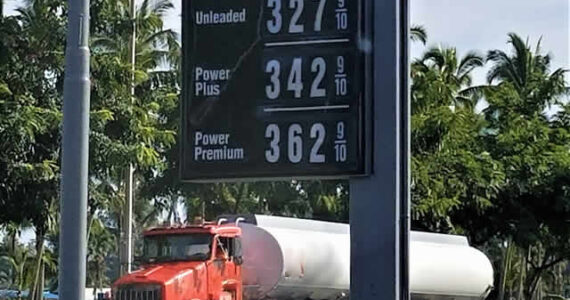
Moving to a new state comes with fresh opportunities, but it also brings new costs to manage. One of the most overlooked factors is fuel. Understanding how gas prices differ across states can make a big difference in how you plan your expenses. A few cents per gallon may not seem like much, but over time those small changes add up.

When you settle into a new place, everyday trips to work, stores, and schools quickly reveal how local fuel costs affect your wallet. If you do not account for these changes, your post-move budget may feel tighter than expected. In this article, you will see how gas prices shape daily spending and why they matter for you.

The Big Picture: Why Gas Prices Differ

Gas prices vary widely across the country, and several factors drive these differences. Taxes are a major contributor. Each state sets its own fuel taxes, which can add several cents per gallon. Transportation costs also matter. States farther from refineries or ports often pay more to move fuel to local stations. Environmental rules and local policies can push prices higher, creating clear gaps in how gas prices differ across states.

Local demand and competition also shape prices. Cities with heavy traffic often face higher costs than small towns. Seasonal travel spikes can briefly raise prices. Even minor changes in supply or refinery output can shift the numbers at your local pump. These factors together determine the real cost of fuel and its impact on your post-move budget.

How Gas Prices Differ Across States: High vs. Low-Cost States

Some states consistently charge more at the pump. California, Hawaii, and Washington often top the list. In California, for example, the average price per gallon can be over $4.60. High taxes, strict environmental rules, and heavy demand in cities push prices up. Even daily errands in these states can cost noticeably more than elsewhere.

On the other hand, states like Texas, Missouri, and Mississippi usually have lower fuel prices. Gas in Texas can average around $2.75 per gallon. Fewer taxes, closer access to refineries, and less crowded roads keep costs down. If you move to a low-price state, your fuel spending can drop significantly, giving your post-move budget some breathing room.

How Rising Prices Affect Your Daily Budget

Fuel costs affect more than just trips to the gas station. Higher prices make commuting more expensive, especially if you drive long distances to work or school. Even small increases add up over weeks, taking a noticeable bite out of your monthly spending. Delivery services, including groceries and takeout, often pass along higher fuel costs, making everyday items slightly pricier.

Rising fuel prices can also influence lifestyle choices. You may drive less often, combine errands, or rethink weekend trips to save money. Long-distance travel, like visiting family or friends, suddenly becomes more costly. These changes can shift how you plan spending in other areas, from dining out to entertainment.

Budget Planning Before and After the Move

Planning your budget around fuel costs can save you stress after moving. One way to make things easier and more affordable is to get rid of extra items before you go. Consider things you should sell before moving, such as old furniture, extra appliances, or seasonal gear. Selling these items reduces the load you have to transport, lowers moving costs, and gives you cash that can help offset higher fuel prices in your new state.

After the move, track your spending closely for the first few months. Note how much commuting, errands, and deliveries actually cost. Adjust your routines if needed, like driving less during peak hours or using local services that reduce fuel consumption. Small changes can add up and prevent your budget from stretching too thin.

Practical Ways to Keep Fuel Spending Lower

Finding ways to reduce fuel costs can make a noticeable difference in your monthly spending. One simple method is using apps or websites to locate the cheapest gas stations nearby. Driving during off-peak hours also helps, since less traffic means less idling and better fuel efficiency. Keeping your tires properly inflated and maintaining your vehicle regularly can further improve mileage.

Carpooling or using public transit whenever possible can also cut fuel costs. Planning trips efficiently, like combining errands into a single route, reduces unnecessary driving. Even small habits, such as avoiding aggressive acceleration and braking, can save money over time. These strategies add up, helping you keep more cash in your pocket without major lifestyle changes.

Beyond Gas: Ripple Effects on Your Wallet

Rising fuel costs don’t just affect your trips to the pump. They can also increase the price of goods and services that rely on transportation. Groceries, deliveries, and even some local services may cost more when fuel prices rise. In some areas, moving companies factor in fuel rates when setting prices, which can make relocation more expensive.

High gas prices can also influence where people choose to live and work. Neighborhoods farther from city centers may feel less affordable if commuting costs are high. On the flip side, areas with lower fuel costs might attract more residents, which can drive up demand for housing and everyday essentials.

Smart Choices for Long-Term Savings

Thinking ahead about fuel costs can help you save money over time. When choosing where to live, consider both housing prices and typical gas expenses. Sometimes a cheaper home in a high-cost state may end up costing more once commuting and daily driving are factored in. Choosing a location with reasonable fuel costs can keep your overall budget balanced.

Your vehicle choice also matters. Cars with better mileage or hybrid options can reduce fuel spending significantly if you drive often. Even small changes, like planning errands efficiently or combining trips, can add up over months. Making these smart decisions early can protect your wallet and give you more financial flexibility for other priorities.

Keeping Gas Prices in Perspective

Fuel costs are just one part of your expenses, but they can shape daily choices quickly. Understanding how gas prices differ across states helps you see which areas might stretch your wallet and which give more breathing room. Small changes in driving habits or vehicle choice can make a noticeable difference without major sacrifices.

Keeping an eye on gas prices early gives you control over your post-move budget. Instead of being surprised by higher costs, you can plan trips, errands, and long drives more efficiently. This approach keeps spending manageable and helps you adjust smoothly to life in your new state.

image credit: envato.com

The Ultimate Guide to Choosing the Best Bike Rack for Your Adventures

bike rack

Picture this: you’re planning the perfect weekend cycling adventure, your bike is tuned up and ready, but then reality hits—how do you safely transport your prized two-wheeler to those scenic trails and winding roads? Whether you’re hauling a sleek road bike to the local cycling path or loading up mountain bikes for a family camping trip, choosing the right bike rack can make the difference between a stress-free journey and a roadside disaster.

The world of bike racks offers numerous options, each designed to meet different needs and vehicle types. From the sturdy reliability of hitch-mounted systems to the space-saving convenience of trunk-mounted carriers, understanding your options helps ensure your bikes arrive safely at their destination while keeping your vehicle—and your peace of mind—intact.

This comprehensive guide examines the most reliable bike rack options available, helping you navigate the decision-making process with confidence. We’ll explore the key factors that influence your choice and provide detailed insights into the top-performing models that cyclists trust for their most important adventures.

Essential Factors for Selecting Your Perfect Bike Rack

Choosing the right bike rack requires careful consideration of several interconnected factors that will influence both your immediate satisfaction and long-term usage patterns. Understanding these elements before making your purchase ensures you select a system that truly fits your cycling lifestyle.

Your bike collection plays a crucial role in determining the most suitable rack type. Road bikes with their lightweight frames and narrow tires have different transport needs compared to robust mountain bikes with wider tires and potentially full suspension systems. Additionally, if you regularly transport multiple bike types—perhaps mixing road bikes with hybrid or electric models—you’ll need a versatile system that accommodates various frame geometries and weights.

Vehicle compatibility represents another critical consideration that often gets overlooked until it’s too late. Your car’s design, from the presence of a trailer hitch to the height of your roof line, directly impacts which rack styles will work effectively. Sedan owners face different challenges than SUV drivers, while truck owners have unique advantages and limitations to consider.

Usage frequency and transportation distance also influence your decision significantly. Weekend warriors who occasionally venture to nearby trails have different requirements than daily commuters or serious cyclists who regularly travel hundreds of miles to cycling events. The convenience factor becomes increasingly important as usage frequency rises.

Budget considerations extend beyond the initial purchase price to include potential vehicle modifications, such as hitch installation, and ongoing maintenance requirements. While premium bike racks often justify their cost through superior build quality and enhanced features, excellent mid-range options exist for cyclists with more modest budgets.

Understanding Different Bike Rack Categories

The bike rack market offers three primary mounting styles, each with distinct advantages and limitations that make them suitable for different cycling scenarios and vehicle types.

  • Hitch-Mounted Rack Systems

    Hitch-mounted racks have earned their reputation as the gold standard for serious cyclists, and for good reason. These systems attach directly to your vehicle’s trailer hitch receiver, providing exceptional stability and weight-carrying capacity that surpasses other rack types.

    The primary advantage of hitch racks lies in their superior stability during transport. Because they mount directly to your vehicle’s frame through the hitch system, they experience minimal movement even on rough roads or at highway speeds. This stability translates to reduced stress on your bikes and greater peace of mind during long-distance travel.

    Loading and unloading bikes becomes remarkably straightforward with most hitch rack designs. The racks typically position bikes at a comfortable working height, eliminating the overhead lifting required with roof systems. Many models feature tilting mechanisms that provide easy access to your vehicle’s rear cargo area without removing the entire bike load.

    However, hitch racks do present some limitations worth considering. They require a trailer hitch installation if your vehicle doesn’t already have one, adding to the initial investment. Additionally, these racks can obstruct access to your vehicle’s rear, though many models address this with tilt-away features. Ground clearance may also become a concern when navigating steep driveways or parking ramps.

    Leading hitch rack models include the Thule T2 Pro XT, renowned for its premium build quality and tool-free loading system, and the Kuat Sherpa 2.0, which offers excellent value with its innovative design features. For budget-conscious cyclists, the Swagman XTC2 provides reliable performance without premium pricing.

  • Roof-Mounted Carrier Solutions

    Roof racks appeal to cyclists who prioritize maintaining full access to their vehicle’s rear cargo area and prefer the clean aesthetic of bikes mounted overhead. These systems typically consist of crossbars mounted to your vehicle’s roof rails or roof points, with bike-specific carriers that secure individual bikes.

    The aesthetic appeal of roof-mounted systems cannot be overstated. Bikes mounted on the roof create a sporty, adventure-ready appearance that many cyclists find attractive. Additionally, roof systems don’t interfere with rear vehicle access, making them ideal for vehicles that frequently need rear cargo area access.

    Roof racks also offer excellent versatility for carrying other outdoor gear. The same crossbar system can accommodate ski carriers, kayak mounts, or cargo boxes, making it a worthwhile investment for multi-sport enthusiasts.

    The challenges associated with roof mounting primarily center around the physical demands of loading bikes overhead. Lifting a bike above your head requires significant physical ability and becomes increasingly difficult with heavier bikes or for individuals with physical limitations. Additionally, the increased vehicle height created by roof-mounted bikes can create clearance issues with parking garages, drive-throughs, and low-hanging branches.

    Wind resistance and fuel economy impacts are more pronounced with roof-mounted systems compared to rear-mounted alternatives. The elevated position creates additional drag that can noticeably affect fuel consumption during long trips.

    Top roof rack options include the Thule ProRide, which offers excellent bike security and ease of use, and the Yakima HighRoad, known for its frame-friendly design that doesn’t require contact with the bike’s top tube.

  • Trunk-Mounted Rack Options

    Trunk-mounted racks serve as an accessible entry point into bike transportation, offering reasonable functionality at budget-friendly prices. These systems attach to your vehicle using straps and hooks that secure to the trunk, hatchback, or SUV rear door.

    The primary appeal of trunk racks lies in their affordability and universal compatibility. Most models can be adapted to fit a wide variety of vehicles without requiring permanent modifications or additional hardware installation. This versatility makes them particularly attractive for renters, college students, or cyclists who frequently change vehicles.

    Storage convenience represents another significant advantage. Most trunk racks can be easily removed and stored in a garage or closet when not in use, unlike permanent hitch or roof systems. This feature appeals to cyclists with limited storage space or those who prefer not to permanently alter their vehicle’s appearance.

    However, trunk racks come with notable limitations that may make them unsuitable for serious cycling applications. Weight capacity typically remains lower than hitch or roof systems, limiting the number and type of bikes that can be safely transported. Stability can also be a concern, particularly with heavier bikes or during extended highway driving.

    Vehicle finish protection requires careful attention with trunk-mounted systems. The straps and contact points can potentially scratch or damage your vehicle’s paint if not properly padded or if the rack shifts during transport.

    Reliable trunk rack options include the Thule Raceway Pro, which offers enhanced stability and bike protection features, and the Allen Sports Deluxe, providing solid basic functionality at an economical price point.

Top Performing Bike Rack Models

After extensive research and real-world testing, several bike rack models consistently demonstrate superior performance, reliability, and user satisfaction across different categories and price points.

The Thule T2 Pro XT represents the pinnacle of hitch rack engineering, combining premium materials with thoughtful design features that serious cyclists appreciate. Its tool-free loading system, integrated cable locks, and tilt-away functionality justify its premium pricing for frequent users who demand the best performance.

For cyclists seeking excellent value in the hitch rack category, the Kuat Sherpa 2.0 offers impressive build quality and innovative features at a more accessible price point. Its integrated bottle opener and sleek design aesthetic have made it a favorite among younger cycling enthusiasts.

In the roof rack category, the Thule ProRide consistently earns praise for its frame-friendly design and robust construction. The system’s ability to accommodate various frame shapes without requiring top tube contact makes it particularly appealing for carbon fiber bike owners.

Budget-conscious cyclists often find the Allen Sports Deluxe trunk rack provides adequate functionality for occasional use. While it lacks the premium features of more expensive options, its basic reliability and universal fit make it a practical choice for entry-level applications.

Safe Transportation Best Practices

Proper bike loading and securing techniques are essential for protecting both your bikes and other road users. Regardless of your chosen rack type, following established safety protocols ensures trouble-free transportation.

Before each trip, inspect your bike rack for signs of wear, loose connections, or damaged components. Pay particular attention to moving parts, locking mechanisms, and mounting hardware. A pre-trip inspection takes only minutes but can prevent costly damage or dangerous situations.

When loading bikes, always secure them according to the manufacturer’s specifications. This typically involves engaging all provided retention systems, including frame clamps, wheel trays, and security straps. Never exceed the rack’s weight capacity or bike quantity limits, as doing so compromises safety and may void warranties.

Regular maintenance of your bike rack extends its lifespan and maintains optimal performance. Clean the rack after use, particularly following trips in salty or muddy conditions. Lubricate moving parts as recommended by the manufacturer and store the rack properly when not in use.

Finding Your Perfect Bike Transportation Solution

Selecting the ideal bike rack ultimately depends on your specific cycling habits, vehicle type, and transportation needs. Serious cyclists who frequently travel long distances with multiple bikes will find the investment in a premium hitch rack pays dividends in convenience and peace of mind. Weekend riders with occasional transport needs may find a quality roof rack or trunk-mounted system perfectly adequate for their adventures.

The key to making the right choice lies in honestly assessing your current and anticipated future needs. Consider not just your immediate requirements, but how your cycling habits might evolve over time. A slightly more capable system purchased initially often proves more economical than upgrading within a few years.

Remember that the best bike rack is the one that encourages you to explore new cycling destinations safely and confidently. Whether that’s a premium hitch system that makes loading effortless or a simple trunk rack that gets you started in bike transportation, the right choice supports your passion for cycling adventures.

image credit: 123rf.com