All posts in Uncategorized

Protecting Your Car With Auto Security Cameras

auto cams

Worrying about your vehicle when it is parked on a dimly lit street or feeling anxious about proving your innocence after a sudden collision can quickly take the joy out of driving. Fortunately, installing an auto security camera provides an immediate solution to these common daily frustrations.

By offering continuous, high-definition recording of your surroundings, these cameras act as a reliable eyewitness that deters theft, provides crucial evidence during accidents, and brings you profound peace of mind whether you are navigating busy highways or securely parked overnight.

The Growing Need For Security

Your car is much more than just a machine; it is a vital part of your daily life that carries you and your loved ones to work, school, and new adventures. Sadly, the vulnerability of parked and moving vehicles has become a growing concern for many drivers.

From unpredictable road behavior by other motorists to the unfortunate reality of vandalism and theft, navigating the modern world requires an extra layer of protection. Auto security cameras address these very real concerns by keeping a watchful eye on your surroundings, ensuring that you never have to face stressful situations alone.

Documenting Incidents On The Road

When you are behind the wheel, a dash cam serves as your unseen guardian and ultimate eyewitness. In the unfortunate event of a traffic collision, memory can be clouded by shock and adrenaline, making it difficult to recall exactly what happened.

A continuously recording security camera captures the truth of the situation seamlessly. This objective documentation is incredibly helpful when dealing with insurance claims, as it simplifies the entire process and protects you from fraudulent accusations or unfair fault assignments.

Furthermore, knowing that your driving is being recorded often encourages safer, more mindful driving habits, gently holding everyone accountable for their behavior on the road.

Keeping Watch While Away

The protection offered by vehicle cameras extends far beyond the time you spend driving. In fact, some of the most frustrating incidents occur when you are nowhere near your car. Parking surveillance modes transform your dash cam into a dedicated security guard that monitors your vehicle while you sleep, work, or shop.

If a careless driver bumps your car in a crowded lot and drives away, the camera captures the event, allowing you to identify the responsible party. This continuous protection brings incredible clarity to parking lot disputes and gives you the comforting reassurance that your vehicle is being watched over.

Optimizing Camera Installation

To get the absolute best security for your vehicle, the physical placement of your cameras is incredibly important. A comprehensive view usually involves a dual-camera setup, placing one lens on the front windshield and another on the rear window.

This ensures that you capture events unfolding ahead of you as well as any sudden impacts from behind. For those who frequently transport passengers, an interior-facing camera provides an added layer of safety.

When deciding where to mount these devices, it is helpful to balance visibility and aesthetics. A slightly visible camera can act as a strong visual deterrent to potential thieves, while a neatly tucked-away wire setup keeps your cabin feeling uncluttered and peaceful.

Choosing The Right Features

Selecting the perfect auto security camera means looking closely at a few essential features that will serve you best. High-resolution recording, ideally 1080p or 4K, is crucial because it ensures you can clearly read license plates and capture vital details, even at a distance.

You will also want to look for loop recording, a thoughtful feature that automatically overwrites old, unnecessary footage so you never run out of storage space.

Paired with G-sensor technology, the camera can detect sudden impacts and permanently lock that specific video file to prevent it from being erased. Because many incidents happen at night, superior low-light and night vision capabilities are non-negotiable for capturing clear footage in the dark.

Proper Setup For Optimal Performance

Once you have chosen the right camera, a proper installation is the final step to creating a harmonious and secure environment in your car. While many simple dash cams offer a plug-and-play experience through a standard auxiliary power outlet, you might want to consider hardwiring the device directly to your vehicle’s fuse box.

Hardwiring allows the camera to draw a tiny amount of power even when the engine is off, which is essential for utilizing continuous parking mode features without draining your car battery.

Whether you choose to lovingly install it yourself or seek the help of a professional, securing the wires and periodically checking your SD card for errors will ensure your system is always ready when you need it.

Drive And Park With Confidence

Ultimately, taking the time to equip your vehicle with a reliable security camera is a wonderful investment in your personal peace of mind.

By capturing irrefutable evidence, deterring bad behavior, and standing guard while you are away, these nurturing devices take the stress out of vehicle ownership. Adopting this proactive approach to your safety allows you to focus on the joy of the journey, knowing that your reliable digital eyewitness is always looking out for you.

image credit: envato.com

Navigating Auto Property Tax in the United States

auto value tax

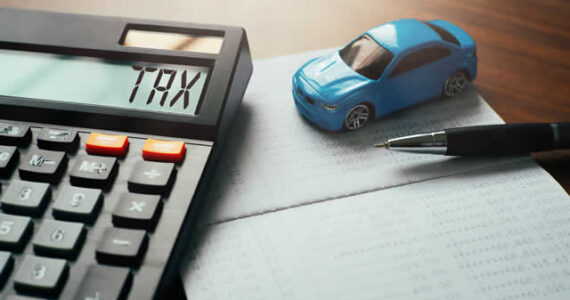
Opening your mail to find an unexpected, hefty tax bill can bring a wave of stress, especially when you are already juggling the everyday costs of keeping a car on the road. If you are wondering why you owe a yearly fee just for owning your vehicle, the answer lies in local auto property taxes.

Currently, just over half of the states in the U.S. levy an annual personal property tax on vehicles, requiring residents to pay a fee based on the current market value of their automobile in order to renew their registration.

We are here to help you understand exactly how these assessments work, which regions apply them, and how you can manage this financial responsibility with confidence and peace of mind.

Understanding Your Annual Auto Property Tax Burden

Feeling overwhelmed by state vehicle taxes is completely normal. Unlike sales tax, which you pay only once at the dealership, an auto property tax comes around every single year. Local governments typically use these funds to care for community resources, from maintaining safe public roads to funding local schools and emergency services.

While it helps your neighborhood thrive, it also means you must plan ahead for this recurring expense. Knowing exactly what to expect can transform a stressful surprise into a manageable part of your household budget.

States With Annual Auto Property Tax

Depending on where you call home, your experience with vehicle property taxes will look completely different. Currently, twenty-seven states impose some form of annual car tax based on the value of the automobile.

Virginia, for instance, is known for having a notable vehicle property tax, though the state does offer relief programs to ease the burden on everyday drivers.

Other states requiring an annual personal property tax on vehicles include Missouri, Connecticut, South Carolina, and Mississippi. Residents in states like North Carolina and Kansas also receive yearly notices to pay taxes before they can receive their new license plate stickers.

Conversely, if you live in places like Florida, Texas, or New York, you are entirely free from this specific type of annual auto property tax, paying only standard registration fees. Because local laws vary so wildly, checking with your specific state tax commission website is the safest way to understand your exact obligations.

How Auto Property Tax Is Calculated

Trying to decode a tax bill can feel like reading a foreign language, but the math behind it is actually quite straightforward. Local assessors determine your tax based on two main factors: the assessed value of your vehicle and the local tax rate, often referred to as a millage rate.

To find the assessed value, counties usually rely on standard industry pricing guides, such as the Kelley Blue Book or the National Automobile Dealers Association guide. They look at your car’s make, model, year, and depreciation to figure out what it is currently worth.

Once they establish that baseline value, they apply the local millage rate. Since this rate is determined by county or city governments rather than the federal level, neighbors living just a few miles apart in different counties can face completely different tax bills for the exact same vehicle.

Impact On Vehicle Owners

For many families, personal property tax on vehicles represents a significant portion of their yearly transportation budget. If you recently purchased a brand-new car, your tax bill will be noticeably higher during those first few years of ownership when the vehicle retains its highest value. This can create a financial pinch during a time when you are also managing high monthly auto loan payments and full-coverage insurance premiums.

However, as your car ages and naturally depreciates, the assessed value drops alongside it. This means your tax burden will gently decrease over time. Understanding this natural cycle can help you breathe a little easier, knowing that the highest bills are behind you once the car has a few years of happy memories and miles on the odometer.

Tips For Managing Auto Property Tax

Taking control of your annual car tax is entirely possible with a little proactive planning. Your best defense against financial stress is setting aside a small amount of money each month, treating the upcoming tax bill just like a standard monthly utility. By dividing last year’s tax amount by twelve, you can save incrementally and avoid scrambling for funds when the assessment notice arrives in your mailbox.

It is also incredibly helpful to review your assessment notice the moment it arrives. Assessors sometimes make mistakes regarding the trim level or condition of your car, which can falsely inflate its value. If you believe your car has been overvalued, most counties offer a clear, friendly appeals process that allows you to submit documentation and correct the record.

Additionally, take the time to research local exemptions. Many communities offer generous tax relief programs for senior citizens, active-duty military personnel, veterans, and individuals with disabilities, ensuring that those who need a helping hand are protected.

The Future Of Auto Property Tax

The landscape of state vehicle taxes is constantly shifting as local governments look for the most balanced ways to fund their communities. Some state legislatures are actively debating caps on vehicle property taxes to provide relief during times of economic hardship or high inflation.

At the same time, the rising popularity of electric vehicles is prompting lawmakers to rethink how they tax automobiles entirely.

Because electric vehicles often hold their value differently and do not contribute to traditional gas taxes, some states are exploring new fee structures to ensure road maintenance is funded fairly. Staying connected to your local news and community updates will ensure you are never caught off guard by these evolving policies.

Navigating The Complexities Of Vehicle Ownership

Owning a car brings incredible freedom and joy, connecting you to the people and places you love most. While handling the administrative side of ownership—like navigating the auto property tax—can feel tedious, you now have the knowledge you need to approach it calmly and confidently.

By understanding how your state calculates these fees and preparing your budget in advance, you can keep your focus where it belongs: enjoying the open road and the beautiful journeys ahead.

Resources:

  • [1] Internal Revenue Service (IRS) – Deductibility of Personal Property Taxes
  • [2] National Conference of State Legislatures (NCSL) – Vehicle Registration Fees and Taxes
  • [3] Kelley Blue Book – How Vehicle Depreciation Impacts Taxes
  • [4] State Tax Commission Websites (e.g., Virginia Department of Motor Vehicles, Missouri Department of Revenue)

image credit: envato.com

Connected Cars: Revolutionizing Your Driving

connected car

Getting behind the wheel used to mean simply navigating from your home to your destination. You had to rely solely on your own eyes, ears, and intuition to stay safe and find the best route. Now, our vehicles are doing so much more to take care of us on the road.

A connected car is essentially a vehicle equipped with internet access and a wireless local area network. This wonderful technology allows your car to share vital data with other devices, both inside the cabin and out in the wider world.

The connected car market is expanding rapidly, and you might be wondering what this means for your daily commute. Instead of feeling overwhelmed by new gadgets, you can view these advancements as a helpful co-pilot.

These smart vehicles are designed to nurture a safer, easier, and much more enjoyable driving experience for you and your loved ones. By understanding how this technology works, you can feel confident and empowered every time you turn the ignition.

How Connected Cars Work

Think of a connected car as a highly intuitive network on wheels. Your vehicle uses a careful arrangement of sensors and internet connectivity to constantly monitor its surroundings and its own internal health. This means your car is always paying attention, even when you might be distracted by a crying child or a stressful day at work.

These smart vehicles communicate through special channels. Vehicle-to-vehicle communication allows your car to silently speak with the cars around you, sharing information about speed and sudden stops.

Vehicle-to-infrastructure communication lets your car talk to traffic lights, road signs, and weather systems. This constant, invisible conversation ensures your vehicle always has the most up-to-date information to help guide you smoothly to your destination.

Enhancing Safety

We all want to feel secure when we travel, especially when carrying precious cargo like our family and friends. Connected cars act as a vigilant guardian on the road.

Advanced driver-assistance systems provide gentle steering corrections, automatic emergency braking, and blind-spot monitoring to prevent accidents before they happen. It is like having an extra set of eyes watching out for you.

If an accident does occur, your connected car is prepared to help immediately. Emergency services integration and automatic crash detection can pinpoint your exact location and alert first responders the moment an airbag deploys.

Real-time traffic and hazard alerts also warn you of icy patches, heavy fog, or stopped traffic miles ahead, allowing you to safely alter your route and avoid danger altogether.

Unlocking Convenience

Life is busy enough without having to worry about car maintenance or getting lost in a new city. Connected cars simplify your journey by removing many of these daily frustrations.

Through remote vehicle control and monitoring, you can use your smartphone to start your car on a freezing winter morning, allowing the cabin to warm up before you even step outside.

Smart navigation and parking solutions guide you away from frustrating traffic jams and lead you directly to open parking spaces, saving you precious time and energy.

Furthermore, predictive maintenance and diagnostics mean your car will gently remind you when it needs an oil change or if a tire is running low on air. You will no longer have to guess when your vehicle needs a little extra care.

Elevating Entertainment And Productivity

Long road trips or daily commutes do not have to be tedious. Connected cars offer seamless infotainment systems that easily sync with your personal devices, allowing you to listen to your favorite podcasts, audiobooks, or calming music with just a simple voice command.

For passengers, in-car Wi-Fi provides endless entertainment and connectivity. Children can watch their favorite educational shows during long drives, bringing peace and quiet to the cabin.

You can also integrate your digital life with your vehicle, safely checking important messages or reviewing your schedule hands-free, so you remain productive without ever taking your eyes off the road.

The Benefits For You

Ultimately, all of this technology translates into a deep sense of peace of mind. Knowing your car is actively working to prevent accidents and monitor its own mechanical health removes a significant burden from your shoulders. You can breathe a little easier knowing you have a reliable partner on the road.

You will also notice tangible time and cost savings. By avoiding heavy traffic, finding parking quickly, and addressing small mechanical issues before they become expensive repairs, your connected car helps you manage your daily life much more efficiently. It creates a personalized driving experience that adapts completely to your unique needs and habits.

Addressing Security And Privacy

It is completely natural to have questions about privacy when introducing internet-connected devices into your life. Automakers understand how important your personal information is, and they are taking significant steps to protect your data.

Your vehicle’s network is heavily encrypted, ensuring that your location history and personal habits remain entirely private.

Safeguarding against cyber threats is a top priority for the automotive industry. Just like your computer or smartphone, your connected car uses advanced firewalls and security protocols to block unauthorized access.

You can feel comfortable knowing that the industry is constantly working to keep your digital space just as safe as your physical vehicle.

The Road Ahead

The future of connected cars holds even more promise for our communities and our environment. As we move closer to fully autonomous driving integration, we can look forward to a world with drastically fewer traffic accidents and far less congestion.

Over-the-air updates mean your car will actually improve over time. Just like a smartphone downloading a new operating system overnight, your vehicle will receive the latest safety features and efficiency improvements while it sits parked in your garage.

This technology also supports a greener future, as connected cars can optimize their fuel or battery usage based on real-time traffic data, gently reducing our collective environmental impact.

Driving Towards A Smarter Tomorrow

Embracing the connected car era means welcoming a future where driving is less of a chore and more of a supportive, enjoyable experience. By taking care of the stressful details, your smart vehicle allows you to focus on the joy of the journey and the people traveling with you.

As this technology continues to blossom, we can all look forward to safer roads, cleaner air, and a much more harmonious way of moving through our beautiful world.

image credit: envato.com

Citations

  • Smith, J. The Connected Car Revolution: How Automotive Technology is Changing Driving. Tech Innovations Press.
  • Department of Transportation. Connected Vehicle Technologies: Advancements and Future Outlook.
  • Official Government Publication.
    International Data Corporation. Worldwide Connected Car Market Forecast. Industry Report.

Finding The Balance: Domestic Vs. Foreign Cars On American Roads

cars on the road

Driving down any highway in the United States offers a fascinating glimpse into the diverse tapestry of American life. Much like a well-tended garden features a variety of plants thriving side-by-side, our roads are filled with a mix of vehicles that reflects our personal choices, economic shifts, and global connections.

You might see a rugged Ford truck in one lane and a sleek Toyota sedan in the next. This blend of domestic and foreign automobiles is more than just a matter of branding; it tells the story of how our automotive landscape has evolved over time.

For many families, choosing a vehicle is one of the most significant investments they will make, second only to their home. Understanding the current balance between domestic and foreign vehicles helps us appreciate the market dynamics at play.

This guide aims to provide you with a clear, authoritative overview of the current percentages of domestic versus foreign cars on U.S. roads. We will explore what these numbers mean for you as a consumer and how the definitions of "domestic" and "foreign" have softened into a cooperative global ecosystem.

Current Market Share: Domestic Vehicles

When we speak of domestic vehicles, we are traditionally referring to the "Detroit Three"—General Motors, Ford, and Stellantis (formerly Fiat Chrysler, and before that, Chrysler).

According to recent industry analysis from organizations like Cox Automotive and various sales reports from 2023 and 2024, these manufacturers currently hold approximately 40 to 41 percent of the total U.S. market share. This figure represents a dedicated portion of the driving population that values the heritage and specific utility often associated with American brands.

Several factors contribute to this enduring presence. The primary driver for domestic market share is the overwhelming popularity of pickup trucks and large SUVs. The Ford F-Series, the Chevrolet Silverado, and the Ram pickup consistently rank as the top-selling vehicles in the country.

For many homeowners and workers who require towing capacity or hauling power for their gardens and renovation projects, domestic trucks remain the preferred choice. However, it is worth noting that while their grip on the truck market is firm, domestic brands have ceded significant ground in the sedan and compact car segments to international competitors.

Current Market Share: Foreign Vehicles

In contrast to the domestic figures, foreign-headquartered automakers currently command the majority of the U.S. market, holding approximately 59 to 60 percent of the total share. This group includes Asian giants like Toyota, Honda, Nissan, Hyundai, and Kia, as well as European luxury and performance brands such as Volkswagen, BMW, and Mercedes-Benz.

Toyota alone often competes neck-and-neck with General Motors for the title of the single best-selling automaker in America, illustrating just how integrated these brands have become in our daily lives.

The factors driving this majority share are rooted in a reputation for reliability, fuel efficiency, and value retention. For decades, consumers looking for dependable family sedans or fuel-sipping commuters have turned to models like the Toyota Camry or the Honda Civic.

Furthermore, foreign manufacturers have been aggressive in expanding their lineups to include the SUVs and crossovers that American families love.

The perception of foreign vehicles has also shifted from being purely economical alternatives to being leaders in technology and safety, making them a comforting choice for parents prioritizing the well-being of their passengers.

Historical Trends In The Automotive Industry

To understand where we are today, it is helpful to look back at the path we have traveled. In the 1960s, the American road was almost exclusively dominated by domestic manufacturers, who held over 85 to 90 percent of the market.

The landscape began to shift dramatically during the oil crises of the 1970s, which prompted drivers to seek smaller, more fuel-efficient cars—a need that Japanese manufacturers were well-positioned to meet.

This trend accelerated through the 1980s and 1990s as foreign brands established a reputation for quality manufacturing. A significant turning point occurred during the 2008 financial crisis, which hit American manufacturers particularly hard, leading to restructuring and a temporary dip in production and consumer confidence.

Since then, the market has stabilized into the current split, but the trajectory shows a long-term erosion of domestic dominance in favor of a competitive, global marketplace where quality wins over origin.

Factors Influencing Vehicle Choice

The decision to purchase a vehicle is rarely made based on statistics alone; it is a deeply personal choice influenced by our daily needs and values. Consumer perception plays a massive role here.

For some, buying a domestic car is a patriotic act, a way to support local heritage and traditional American industry. For others, the priority is longevity, with brands like Toyota and Honda benefiting from a decades-long reputation for engines that run for hundreds of thousands of miles with minimal fuss.

Price and technology also weigh heavily on these decisions. In the past, foreign cars were often seen as the budget-friendly option, but today, pricing is competitive across the board.

Innovations in safety features, infotainment systems, and interior comfort often sway buyers more than the badge on the grille. We are also seeing a rise in loyalty based on vehicle type; a driver who loves the feel of a specific truck or the convenience of a particular crossover is likely to stick with that brand, regardless of its corporate headquarters.

Economic Impact Of Manufacturing

The economic reality of the automotive industry is far more intertwined than the labels "domestic" and "foreign" suggest. It is crucial to recognize that foreign automakers have invested billions of dollars into the U.S. economy.

Companies like Toyota, Honda, BMW, and Hyundai operate massive manufacturing plants in states like Kentucky, Ohio, South Carolina, and Alabama. These facilities employ tens of thousands of American workers. Therefore, buying a "foreign" car often supports American manufacturing jobs just as directly as buying a domestic one.

Conversely, domestic brands often source parts from a global supply chain and assemble some vehicles outside the United States. This cross-pollination means that the economic impact is shared.

The presence of foreign manufacturers has revitalized local economies in the South and Midwest, creating a manufacturing belt that rivals Detroit. This competition has pushed all manufacturers to improve quality and efficiency, ultimately benefiting the American economy through sustained employment and technological innovation.

Future Outlook And Emerging Trends

As we look toward the horizon, the balance between domestic and foreign market share is poised for another shift, driven largely by the transition to electrification. Electric vehicles (EVs) are rewriting the rules of the road.

Tesla, an American company, currently dominates the EV sector, which boosts the "domestic" statistics in a new way. However, legacy foreign automakers are rapidly releasing competitive electric models, and new players from global markets are eager to enter the fray.

We are also likely to see continued blurring of the lines regarding where a car is made. As incentives for domestic production increase, more foreign brands may localize their supply chains within the U.S. to qualify for tax credits.

This means the future market will likely be defined less by where a company’s headquarters is located and more by where they invest their manufacturing resources. For the consumer, this promises a future rich with options that are cleaner, safer, and more advanced.

Navigating The Road Ahead

Understanding the breakdown of domestic versus foreign vehicles on our roads gives us a clearer picture of the automotive ecosystem we rely on. With domestic brands holding roughly 40 percent of the market and foreign brands capturing the remaining 60 percent, it is evident that American drivers value variety, reliability, and utility above rigid loyalty to origin.

Whether you are hauling soil for a spring garden in a domestic truck or commuting to the office in an efficient foreign sedan, your choice contributes to a vibrant and competitive marketplace. Ultimately, the best vehicle is the one that brings you peace of mind and fits seamlessly into your life.

image credit: envato.com

Resources

  • Cox Automotive. (2024). Kelly Blue Book and Cox Automotive Industry Insights.
  • Bureau of Transportation Statistics. (2023). National Transportation Statistics.
  • United States Environmental Protection Agency. (2023). Automotive Trends Report.
  • Edmunds. (2024). Automotive Market Share and Sales Data.

The Last Drive: Saying Goodbye to a City One Street at a Time

saying goodbye to a city

Leaving a city never feels real until you take that final drive. What seems like a simple route turns into a reflection. Each familiar corner, red light, and street carries memories of routines that once defined your days.

Slowing down helps you connect to those moments—your favorite café, a park bench, or the bridge you always admired. The drive becomes a quiet farewell, a way to process change before you move on. As the skyline fades behind you, you realize you’ve started saying goodbye to a city.

Street by Street: Mapping Personal Memories

Every route tells your story. You might recall the street where you learned to parallel park or the corner where you met a friend. These places carry layers of emotion that resurface when you pass them one last time. Our brains connect geography to emotion.

That’s why revisiting familiar routes can feel emotional—you’re retracing paths tied to milestones. The local grocery store might remind you of late-night snack runs. The park where you once sat to clear your head now feels like part of your identity.

Turning your final route into a “memory map” helps preserve what mattered most. Some people record short audio notes or take photos of ordinary places that hold meaning.

Others simply drive in silence, letting the city speak through the rhythm of its traffic. There’s no single right way to do it. What matters is that you allow yourself to feel gratitude for what these places gave you.

Carrying the City With You

Leaving doesn’t erase the connection—it reshapes it. You carry the lessons, habits, and emotional imprints wherever you go. Every city you live in becomes part of your personal map. You might recreate favorite meals from local restaurants or find new parks that remind you of your old ones.

Music, smells, and even certain routes can transport you back. Holding on to those pieces helps you maintain a link to your past while embracing new beginnings.

Relocation brings practical challenges, too. One of the most debated decisions involves hiring local movers vs moving by yourself, as both options have pros and cons. Hiring professionals saves time and energy, especially if you’re short on help or driving long distances.

Doing it yourself, though, offers flexibility and personal control. The best choice depends on your priorities—budget, schedule, and comfort level with logistics.

As you make these decisions, take time to reflect on what really matters. You’re not just changing addresses—you’re evolving your daily life. The memories tied to your old streets stay alive in the habits and outlook you carry forward.

The Unexpected Lessons of Familiar Roads

Familiar roads teach more than you think. They represent routine, stability, and habits that once defined your life. Leaving them behind often reveals how much you’ve changed. The street you once drove daily to work might now remind you of growth or perseverance.

This reflection offers perspective. You realize how small decisions—like which route to take—shaped the life you built. Those same patterns helped you form friendships, discover local shortcuts, and find comfort in repetition.

Every stop sign and intersection holds meaning when viewed through the lens of departure. They remind you that progress doesn’t always feel grand—it often happens quietly, through daily choices. A final drive encourages you to see how far you’ve come, both physically and emotionally.

When Letting Go Becomes Real: The Moment of Saying Goodbye to a City

There’s a moment when the farewell becomes tangible. Maybe it’s when you cross the city limits, or when the skyline disappears in your rearview mirror. That’s when emotions hit hardest.

Saying goodbye to a city feels complicated because it’s not only about leaving a place—it’s about leaving the version of yourself that belonged there. The car becomes your private space to process the shift. You might cry, stay silent, or even talk out loud to the empty passenger seat.

You begin to understand that closure isn’t dramatic. It’s quiet. It comes from acceptance, not resistance. You recognize that the memories will stay with you long after the move. The street names and landmarks will fade, but the experiences they represent won’t.

The Hidden Power of Routine Routes

The ordinary drives often carry the most meaning. The grocery store you visit weekly, the gas station on your commute, the road leading to your gym—each one holds fragments of your life. These places might not seem special, yet they shaped your routine and identity.

You start noticing details you once ignored: the faded mural, the corner bakery’s sign, the curve of the road near your neighborhood. Seeing them for the last time can feel unexpectedly emotional. It’s helpful to record or photograph these scenes.

Later, they’ll serve as reminders of consistency, routine, and stability. Even if you move somewhere completely different, you’ll appreciate how these everyday moments defined your sense of comfort.

The Drive That Opens the Future

A final drive isn’t about loss—it’s about recognition. It’s acknowledging what shaped you and how you’ve changed through experience. You see familiar sights, yet they feel different now. The act of departure reframes your relationship with every street you once knew.

People often fear that leaving means forgetting, but that’s rarely true. Moving to a new place expands your identity instead of replacing it. Each experience layers on top of the last.

As you cross the last intersection, you may find comfort in realizing how much you’ve grown since you first arrived. The city gave you lessons, memories, and resilience. Those are things you’ll take with you, no matter where you go next.

A fresh start in a new place awaits, but it’s built on the foundation of everything you’ve already lived. That awareness turns a simple drive into a meaningful moment of closure.

Closing Reflections

Driving away feels simple but carries deep emotion. It’s a ritual that bridges past and future, helping you move from nostalgia to renewal. You see your favorite places fade from view, yet they stay vivid in memory.

Eventually, you realize that saying goodbye to a city isn’t about loss—it’s about growth. It’s proof that life continues to expand, one street and one chapter at a time.

image credit: envato.com