All posts in On the Road

How to Maximize Your Car’s Cargo Space During a Move

car cargo space

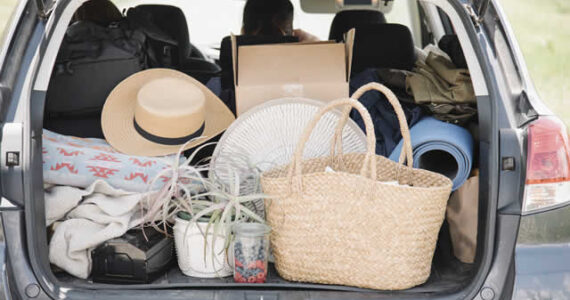
Moving in a car instead of a large truck can feel challenging. Every inch of room becomes valuable when you have boxes, clothes, and other belongings to transport.

The good news is that with a bit of planning, you can maximize your car’s cargo space and get everything loaded in fewer trips. This means less stress and more time to focus on settling in.

By following these tips, you’ll pack smarter, protect your belongings, and travel with a well-balanced load. Let’s break it down step-by-step.

Why Every Inch of Space Matters

A car’s storage capacity is smaller than you think. Without a plan, you can waste valuable room and end up leaving things behind.

The way you load your vehicle directly affects how much it can carry. Packing loosely means wasted corners, while poor weight distribution can even make driving unsafe.

As an illustration, think about how a grocery bag holds more when you stack items in order instead of tossing them in randomly. The same rule applies to your car.

Planning ahead also saves you time on moving day. You won’t have to stop mid-loading to rearrange things or leave something for another trip.

Measure and Map Your Car’s Cargo Area Before Packing

Before packing, measure your trunk, backseat, and under-seat space. Write down the specifications of your car relevant for the move, like length, width, and height for each area.

This helps you understand exactly how much you can fit and where each type of item should go. It’s surprising how many people skip this step.

Check for hidden storage spaces such as footwells, glove compartments, and side panels. You can often fit small tools, shoes, or cleaning supplies in these spots.

Take a quick photo or sketch the layout. As a matter of fact, mapping your cargo space makes loading faster and prevents awkward reshuffling later.

Pack Fragile Items Safely and Maintain Weight Balance

Packing efficiently helps protect your belongings and ensures your car drives safely. You want to avoid shifting loads or damaged items.

Use towels, blankets, or clothing to wrap fragile items. This saves space compared to bulky bubble wrap. Place mugs or glassware inside cooking pots for extra protection and better space use.

Layer items so that softer materials cushion breakables. Place heavier things low and spread them evenly across the car for stability.

Secure loose items with straps or bungee cords to prevent movement. Similarly, avoid stacking heavy objects high, as this can make the car harder to handle.

If you want to pack your belongings like a pro, think about both protection and placement. Every item should serve two purposes: its function and how it supports or cushions another item. Doing this can help you maximize your car’s cargo space without sacrificing safety.

Choose the Right Packing Materials for Tight Spaces

The containers you choose will decide how well things fit. Soft-sided bags are flexible and can squeeze into uneven gaps better than rigid boxes.

Compression bags shrink bulky items like bedding and jackets, freeing up extra space for other things. They’re also easy to slide into narrow spots.

For fragile items, stackable plastic bins work well. They protect your belongings while making it easier to load the car in layers.

With this in mind, always choose to pack materials that match your car’s shape, rather than forcing items to fit into unsuitable containers.

Prioritize Items Based on Weight and Frequency of Use

Heavy items should go on the bottom to create a stable base. Lighter things can go on top without risking damage.

Keep essentials such as chargers, snacks, and water within easy reach. You’ll appreciate not having to dig through everything mid-trip.

Emergency gear like jumper cables or a first aid kit should be loaded last so it’s always accessible. Besides, having your items arranged in a logical order saves you frustration later.

Make Use of Hidden and Overlooked Spaces

Small spaces can hold more than you expect. Fill shoe boxes with toiletries and tuck them under the seats.

Use the area behind headrests for lightweight bags or jackets. This keeps the main cargo area free for bulkier items.

Stuff socks or smaller clothing inside shoes to save room. In contrast, avoid blocking air vents or anything related to airbags, as this could be unsafe.

Disassemble and Flatten Bulky Items

Large furniture pieces take up less room when disassembled. Remove table legs, fold chairs, and unscrew shelves before loading. Roll rugs instead of folding them to prevent creases and save space.

Keep screws, bolts, and small parts in labeled plastic bags so you can easily reassemble furniture later. Another key point is to store these bags in a spot where they won’t get lost in the shuffle.

Use Roof Racks or Hitch Cargo Carriers Wisely

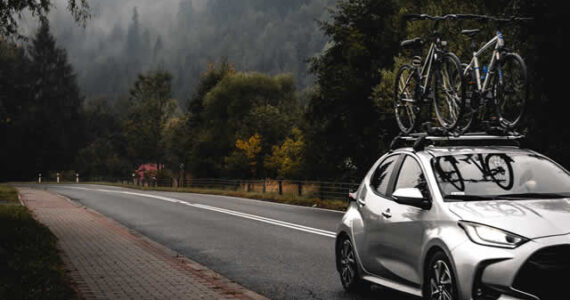
If you have a roof rack or hitch carrier, use it for items that don’t fit inside. This works well for sports gear, camping equipment, or large boxes.

Always check your vehicle’s maximum weight limit before adding external cargo. Overloading can affect handling and really bad fuel efficiency.

Weatherproof your rooftop items with a durable cover. Hence, you’ll protect your belongings from rain, wind, and dust.

Keep a Digital Inventory for Easy Unpacking

A quick photo log, or app-based list, will save you hours during unpacking. Document what’s in each bag or bin. Snap pictures before closing containers so you know exactly where to find things later.

Mark priority boxes in your inventory so you can unload them first. In short, you’ll make settling in far less stressful.

Summary: Maximize Your Car’s Cargo Space and Move Smarter

Moving with a car takes planning, but it’s possible to carry more than you think. Using these techniques helps you load efficiently, protect your belongings, and drive safely.

Whether you’re measuring before packing, filling hidden spaces, or balancing weight, each step matters. The result is a smoother, faster, and less stressful move.

If you prepare ahead and follow these tips, you can maximize your car’s cargo space and arrive with everything intact. That’s a win for both time and peace of mind.

image credit: envato.com

So You Want to Explore the Country on Two Wheels: Your Complete Guide

cross country motorbike

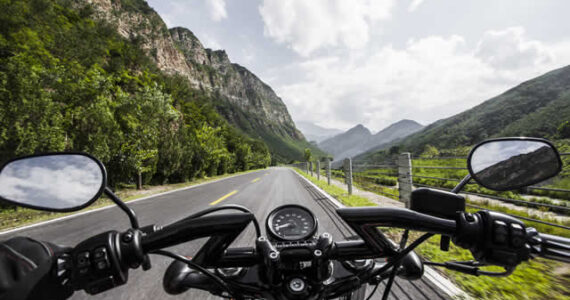
The open road stretches endlessly ahead, promising adventure around every curve and over every hill. For many riders, the dream of embarking on a cross-country motorcycle road trip represents the ultimate expression of freedom and self-discovery.

Yet beneath the romantic appeal of wind-swept highways and stunning landscapes lies a crucial reality: successful long-distance motorcycle travel requires careful preparation, thoughtful planning, and the right equipment.

Whether you’re a seasoned rider considering your first extended journey or a newcomer captivated by the allure of motorcycle travel, understanding what lies ahead can mean the difference between an unforgettable adventure and a challenging ordeal.

From selecting the best touring motorcycle that suits your needs to mastering essential safety practices, every decision shapes your experience on the road.

The beauty of motorcycle travel extends far beyond simple transportation. It offers an intimate connection with the landscapes you traverse, the weather you encounter, and the communities you discover along the way.

However, this enhanced connection also demands greater awareness, preparation, and respect for the challenges that long-distance riding presents. Taking time to understand these elements before you purchase your motorcycle and hit the road ensures that your journey becomes everything you’ve imagined and more.

Types of Motorcycles Suitable for Road Trips

Choosing the right motorcycle forms the foundation of your cross-country adventure. Different styles of motorcycles offer distinct advantages for long-distance travel, and understanding these differences helps you make an informed decision that aligns with your travel goals, comfort preferences, and riding experience.

Each category brings unique strengths to extended journeys, and the best choice depends on your specific needs and the type of adventure you envision.

  • Touring Motorcycles

    Purpose-built for long-distance comfort, touring motorcycles represent the gold standard for cross-country travel. These machines prioritize rider and passenger comfort through features like plush, ergonomically designed seats that reduce fatigue during extended riding sessions. Large fairings provide excellent wind protection, reducing the physical strain that buffeting winds can create over hundreds of miles.

    Storage capacity sets touring bikes apart from other categories. Built-in saddlebags, top boxes, and additional mounting points accommodate everything from clothing and camping gear to tools and personal items.

    Advanced electronics often include GPS navigation systems, heated grips, and comprehensive instrument clusters that provide essential information at a glance. The smooth, refined engines deliver consistent power while maintaining excellent fuel efficiency, making these motorcycles ideal for covering significant distances comfortably.

  • Adventure Bikes

    Adventure motorcycles excel in versatility, offering capabilities that extend beyond paved roads. These tall, capable machines feature robust suspension systems that handle both highway cruising and off-road exploration with equal competence. Their upright riding position provides excellent visibility and reduces strain on the back and wrists during long rides.

    The rugged construction of adventure bikes instills confidence when venturing into remote areas or encountering challenging road conditions. Many models offer adjustable suspension settings, allowing riders to optimize performance for different terrains and loads.

    While they may not match the pure comfort of dedicated touring machines, adventure bikes open doors to experiences that traditional touring motorcycles cannot access, from forest service roads to mountain passes and scenic backroads.

  • Cruiser Bikes

    For riders drawn to the classic American touring experience, cruiser motorcycles offer a relaxed riding position and distinctive style that complements long, straight highways. The low seat height and forward foot controls create a comfortable posture for many riders, while the characteristic engine note adds to the overall experience of the journey.

    Modern cruisers often feature thoughtfully designed touring packages that include windshields, saddlebags, and passenger accommodations. The relaxed pace that cruisers naturally encourage allows riders to fully absorb their surroundings and connect with the landscapes they traverse.

    However, riders should consider their comfort with the riding position over extended periods and evaluate whether the typical cruiser setup meets their specific touring needs.

Essential Gear and Accessories

Proper motorcycle travel gear serves dual purposes: protecting your safety and enhancing your comfort throughout the journey. The gear you choose directly impacts your experience on the road, influencing everything from your ability to handle changing weather conditions to your comfort level after hours in the saddle. Investing in quality equipment pays dividends in both safety and enjoyment throughout your travels.

  • Protective Gear

    Quality protective gear represents your primary defense against both minor mishaps and serious accidents. A well-fitting helmet that meets current safety standards forms the cornerstone of your protection.

    Look for helmets with good ventilation systems and consider features like integrated communication systems if you plan to travel with companions or need navigation audio.

    Riding jackets designed for touring often incorporate both protection and comfort features. Armored shoulders, elbows, and back protection safeguard against impact, while ventilation systems and removable liners adapt to changing weather conditions.

    Quality riding gloves maintain grip and control while protecting your hands, and sturdy boots provide ankle support and protection while remaining comfortable for walking during stops.

  • Comfort and Convenience

    Long-distance comfort often depends on seemingly small details that become significant over hundreds of miles. Aftermarket seats or seat cushions can dramatically improve comfort for riders whose motorcycles don’t perfectly match their body dimensions. Handlebar risers or different foot peg positions might reduce strain on your back, wrists, or knees.

    Navigation systems specifically designed for motorcycles offer features like weather resistance and glove-friendly controls. Communication systems enable rider-to-passenger conversation or bike-to-bike communication when traveling in groups.

    Consider items like heated gear for cold weather riding, as maintaining comfortable body temperature directly affects your alertness and reaction times.

Road Safety Tips

Safety consciousness must permeate every aspect of motorcycle travel, from pre-ride preparation to your mindset while covering miles. Long-distance motorcycle travel presents unique challenges that differ from daily commuting or weekend recreational rides. Understanding and preparing for these challenges helps ensure that your adventure remains both safe and enjoyable.

  • Pre-Ride Checks

    Developing a consistent pre-ride inspection routine becomes even more critical during extended travel. Tire condition and pressure directly affect handling, fuel economy, and safety. Check for adequate tread depth, proper inflation, and any signs of irregular wear that might indicate alignment issues or other problems.

    Brake system inspection includes checking fluid levels, pad thickness, and ensuring that both front and rear brakes engage smoothly and completely.

    Engine oil level and condition become particularly important during long rides, as extended operation can reveal minor leaks or consumption issues that might not appear during shorter trips. Chain tension and lubrication require attention, as highway miles can quickly wear an improperly maintained drive system.

  • Safe Riding Practices

    Defensive riding techniques become paramount when covering long distances, often in unfamiliar territory. Maintaining appropriate following distances provides crucial reaction time, especially when riding a loaded motorcycle that requires additional stopping distance. Positioning yourself within your lane to maximize visibility to other drivers while providing escape routes requires constant attention.

    Weather awareness extends beyond simply checking forecasts. Understanding how different weather conditions affect motorcycle handling helps you adjust your riding style appropriately.

    Wet roads, crosswinds, and temperature changes all influence motorcycle behavior, and experienced long-distance riders learn to anticipate and adapt to these changing conditions.

  • Dealing with Fatigue

    Recognizing and managing fatigue represents one of the most critical safety skills for long-distance riders. Mental and physical fatigue develop gradually, often without obvious warning signs until reaction times and decision-making abilities become compromised. Establishing regular rest intervals, regardless of how energetic you feel, helps maintain peak alertness.

    Physical signs of fatigue include tension in shoulders and neck, difficulty maintaining consistent speed, and delayed responses to traffic situations. When these symptoms appear, finding a safe place to rest becomes the immediate priority. Pushing through fatigue rarely leads to positive outcomes and often transforms manageable situations into dangerous ones.

Planning Your Route

Thoughtful route planning balances your desire for scenic beauty with practical considerations like fuel availability, accommodation options, and daily mileage goals. Successful motorcycle travel requires more flexibility than automobile trips, as weather, road conditions, and your physical condition can all influence your progress and plans.

  • Route Selection

    Scenic routes often provide the most memorable experiences, but they may also present challenges like limited services, challenging road conditions, or seasonal closures. Research your intended routes thoroughly, understanding factors like elevation changes, road surface conditions, and available services.

    Interstate highways offer predictable conditions and frequent services but may lack the scenic beauty and interesting stops that make motorcycle travel special.

    Consider creating primary and alternate routes that provide options when conditions change. Mountain passes might become impassable due to weather, construction projects can create significant delays, and sometimes you might simply discover an interesting detour that merits exploration.

    Flexibility in your route planning allows you to adapt to circumstances while still reaching your intended destinations.

  • Accommodation

    Accommodation strategies for motorcycle travel range from luxury hotels to camping, each offering distinct advantages and challenges. Hotels provide comfort and security for both you and your motorcycle, while camping offers affordability and often spectacular locations.

    Many motorcycle travelers employ a mixed approach, camping in scenic areas while choosing hotels in urban areas or during challenging weather.

    Research accommodation options along your route, but avoid over-scheduling. Rigid reservations can force you to cover specific distances regardless of conditions, weather, or your interest in unexpected discoveries. Having general ideas about accommodation availability provides security while maintaining the flexibility that makes motorcycle travel rewarding.

  • Contingency Planning

    Unexpected situations represent the norm rather than the exception during extended motorcycle travel. Weather changes can make planned routes dangerous or impassable. Mechanical issues might require time to locate parts or service. Personal factors like fatigue or minor injuries can influence your progress and plans.

    Developing contingency plans for likely scenarios reduces stress and helps you handle challenges positively. Research motorcycle dealerships and service centers along your route.

    Understand your insurance coverage and roadside assistance options. Carry emergency contact information and have plans for situations that might require cutting your trip short or seeking assistance.

Maintenance and Troubleshooting

Basic mechanical knowledge and preparedness can transform potential trip-ending problems into minor inconveniences. While you don’t need to become a motorcycle mechanic, understanding fundamental maintenance procedures and common troubleshooting steps provides confidence and practical problem-solving abilities.

  • Basic Maintenance

    Oil changes represent the most critical maintenance item for touring motorcycles. Extended riding, especially in hot weather or challenging conditions, places additional demands on engine oil. Understanding your motorcycle’s oil capacity, recommended grades, and change intervals helps you maintain proper lubrication throughout your travels.

    Chain maintenance requires regular attention during long trips. Highway miles and varying weather conditions can quickly affect chain tension and lubrication. Carrying appropriate chain lube and basic adjustment tools allows you to maintain proper drive system operation.

    Tire pressure changes with temperature variations and should be checked regularly, especially when traveling through different climates or elevations.

  • Troubleshooting

    Common mechanical issues often have simple solutions that don’t require professional service. Understanding your motorcycle’s fuse locations and carrying spare fuses can resolve electrical problems quickly. Knowing how to clean or replace spark plugs might solve rough running issues. Basic tool kits designed for motorcycle travel provide essential items for minor adjustments and repairs.

    Developing relationships with motorcycle communities and forums before your trip provides resources for advice and assistance when problems arise. Many experienced motorcycle travelers willingly share knowledge and may even provide hands-on help when needed. Social media groups and motorcycle-specific forums can connect you with local riders who know about services and solutions in their areas.

Your Adventure Awaits

Cross-country motorcycle travel offers experiences that remain with you long after the journey ends. The preparation time you invest in selecting the right motorcycle, gathering appropriate gear, and developing essential skills directly contributes to the quality and safety of your adventure.

Each mile covered teaches lessons about both motorcycling and yourself, building confidence and creating memories that enrich your perspective on travel and exploration.

The road ahead holds countless possibilities for discovery, challenge, and personal growth. By approaching your motorcycle road trip with proper preparation, respect for the inherent risks, and openness to unexpected experiences, you position yourself for an adventure that exceeds your expectations. The investment in knowledge, equipment, and planning pays dividends in safety, comfort, and the pure joy of exploring our vast country on two wheels.

Take time to prepare thoroughly, but don’t let the planning process delay your departure indefinitely. The perfect trip exists only in imagination—real adventures include unexpected challenges, surprising discoveries, and the satisfaction that comes from successfully navigating both planned destinations and unplanned detours.

Your cross-country motorcycle adventure awaits, and with proper preparation, it promises to become one of life’s most rewarding experiences.


image credit: envato.com

How to Manage Multiple Vehicles During a Household Move

Moving to a new home is never just about boxes and furniture. Things get trickier when you also have to deal with multiple vehicles during a household move.

Whether it’s a second car, a work truck, or your teenager’s old sedan, figuring out what to do with them all can feel like an extra job.

The good news? You don’t need a complicated plan. Just a few smart choices can help you move everything — including your cars — without added stress.

1. Start with a Vehicle Inventory

Before anything else, make a list to help you manage multiple vehicles during a household move. Write down each car, truck, motorcycle, or trailer you own. Note the make, model, year, and current condition.

This helps you decide which ones to drive and which might need shipping. Also, think about who will drive what, if you’re moving with family or friends. If a vehicle needs repairs, handle those early. A clear list makes it easier to track everything and avoid last-minute surprises.

2. Consider How Far You’re Moving

How far you’re moving affects how you handle your cars. A short move might mean driving all of them yourself. But if you’re relocating to another state, it’s a different story. You’ll need to think about fuel, time, and how many people can drive.

Long drives can be tiring, especially if you’re managing several vehicles and juggling moving tasks at the same time. Some cars may not be in the best condition for a cross-state trip either. That’s why many people weigh the effort against the overall cost of an interstate move before deciding if shipping is a better option.

3. Compare Vehicle Transport Options

You don’t have to drive every car yourself. Several options can save you time and effort. Hiring a professional auto transport service is one. They use open or enclosed carriers depending on how much protection you want.

Towing one vehicle behind another works only if your cars are set up for it and it’s allowed where you live. You could also ask a friend to help drive or hire a driver. Each method has different rules and costs, so pick the one that fits your needs best.

4. Check for Transport Rules and Documents

Before moving your vehicles, make sure all paperwork is in order. Check that each car’s insurance and registration are up to date. If you’re using a transport company, read their contract carefully and ask about insurance coverage during transit.

Take clear photos of your vehicles before handing them over—this helps if you need to report any damage. Also, remove personal items from inside the cars, as many carriers don’t allow them. Knowing the rules ahead of time will keep your move smooth and trouble-free.

5. Budget for Multiple Vehicles During a Household Move

Moving vehicles can add extra costs to your budget, so plan. Consider fuel, tolls, and meals if you’re driving them yourself. If you’re hiring a transport service, get quotes from several companies to compare prices. Don’t forget about possible insurance fees or extra charges for oversized or specialty vehicles.

Tracking all these expenses helps you avoid surprises and keeps your move affordable. Setting a clear budget for each vehicle’s move makes the process smoother and less stressful.

6. Plan Your Moving Schedule Around Your Vehicles

Your moving timeline should fit how you’re handling your vehicles. If you’re shipping any cars, know the pickup and delivery dates so someone can be there to receive them. If you’re driving, plan your routes, rest stops, and how long each trip will take.

Try to avoid scheduling your vehicle moves at the same time as your main movers to prevent confusion. Leaving extra time for delays or unexpected issues will keep everything on track. Good timing makes the whole process less stressful.

7. Choose the Right Time and Route

Choosing the right time and route for moving your vehicles can save you stress. Avoid busy travel days like weekends and holidays to skip traffic delays. Watch the weather—bad conditions can slow you down or cause damage.

If you’re driving, plan routes with less congestion and fewer construction spots. Take breaks on long drives to stay alert. When using a transport service, ask about their schedules and routes so you know when your vehicles will arrive. Good timing and smart route choices keep your move smooth and your vehicles safe.

8. Get Help If You Need It

Handling multiple vehicles during a move can quickly become overwhelming. Don’t hesitate to lean on family or friends. They might be able to help by driving one of the cars or pitching in with packing and organizing. If you don’t have that option, consider hiring professional drivers or moving companies that specialize in vehicle transport.

These experts know the ins and outs of safely moving cars, which can save you time and reduce headaches. Getting help is smart, not a weakness. It can make the entire moving process smoother and more manageable.

9. Prepare Each Vehicle Before the Move

Before moving day, take time to get each vehicle ready. Clean the inside and outside so you can spot any existing scratches or dents. Check fluid levels like oil, coolant, and brake fluid to avoid problems during transit. Make sure your tires are properly inflated.

Remove any personal belongings and loose items that could shift or cause damage. If your car battery is old, consider getting it tested or replaced. Doing these simple steps helps protect your vehicles and keeps everything running smoothly on moving day.

10. Keep the First Vehicle Accessible

When moving multiple vehicles, prioritize easy access to the one you will need first. This is usually the car you plan to drive to your new home or the one that must leave quickly. Park it in a spot free from obstruction by other vehicles, moving trucks, or packed boxes.

If you hire a transport service, instruct them to load or unload this vehicle before the others. Keeping this vehicle accessible prevents delays and reduces confusion on moving day. Clear organization of your vehicles makes the entire process smoother and less stressful for everyone involved.

Managing Multiple Cars Doesn’t Have to Be a Hassle

Handling multiple vehicles during a household move takes some attention, but it can go smoothly when you focus on what matters most. Keeping track of each car and making clear choices helps you avoid last-minute headaches.

Remember, every move has its challenges, but with patience and a little effort, you’ll get all your cars where they need to be. Soon enough, you’ll be settled in, with your vehicles ready to go.

image credit: envato.com

Guide to Adjusting to a New City Where You Don’t Need a Car But Still Own One

Adjusting to a New City

Adjusting to a new city can be a transformative experience, especially when the city you’ve moved to offers convenient transportation options that make owning a car seem unnecessary. However, if you’ve already invested in a car, the decision to hold onto it can feel like a burden.

Many cities offer public transit, cycling, and ride-sharing alternatives, making a car optional. Yet, deciding what to do with your vehicle can be tricky.

Embrace Alternative Transportation

In a city where you don’t need a car, it’s time to embrace alternative transportation methods. Most metropolitan areas provide reliable public transportation systems, including buses, subways, trams, and trains.

These services often cover extensive routes, making getting around without needing a car easy. You’ll quickly discover how affordable and efficient these alternatives are compared to the costs associated with car ownership.

Utilize Ride-Sharing and Car Rentals

Ride-sharing services such as Uber, Lyft, or local equivalents can be lifesavers when you need a car but don’t want to drive. Whether it’s a trip to a grocery store, visiting friends, or a weekend getaway, these services allow you to book a ride on demand, saving you from parking, maintenance, and insurance expenses.

Consider renting a vehicle when you might need a car for a day or a few hours. Many cities offer car-sharing programs, allowing you to rent a car only when necessary, making it a cost-effective option for infrequent drivers.

Maximize Walking and Cycling

One of the perks of adjusting to a new city with great public transportation options is the ability to explore on foot or by bike. Walking is often the easiest way to get to nearby cafés, shops, and cultural spots, allowing you to experience the city’s pulse truly.

If you prefer cycling, many towns offer bike-share programs where you can rent bikes for short-term use. These programs are affordable and provide a healthier, eco-friendly alternative to driving.

Consider the Environmental Impact

Owning a car has environmental consequences. While hanging on to your car may seem convenient, it contributes to pollution and traffic congestion. By using alternative transportation, you’re not only saving money, but also helping to reduce your carbon footprint.

Many new cities focus on sustainability, offering greener transportation options like electric scooters, car-sharing, and dedicated cycling lanes. These options are part of a global shift towards more eco-friendly lifestyles, which you can be a part of by choosing public transport over driving.

Public Transit Passes and Apps

Most cities offer monthly or annual public transit passes that can significantly reduce your transportation expenses. These passes provide unlimited access to the city’s bus, subway, or tram systems, making commuting more predictable and affordable.

Many cities also have apps that help you track routes, check schedules, and purchase tickets digitally, making it easier to plan your trips. Using these passes allows you to enjoy the convenience of public transit without the added stress of managing parking or fuel costs.

Handling Car Maintenance

Owning a car while living in a city where you don’t need it can result in infrequent use, which could lead to maintenance issues. Vehicles sitting idle for too long can experience problems with their battery, tires, and other components. Maintaining a regular check-up schedule is important, even if you’re not using the car often.

Consider hiring a professional mechanic to handle maintenance, especially if you’re unsure about handling repairs. Hiring pros is a good idea for long-distance moves when it comes to the transportation of your car, ensuring it arrives in top condition.

And when you’re planning a big move, think twice—why a DIY long distance move might not be the budget-friendly option. Hidden costs, stress, and potential car damage can make hiring help worth it.

Renting Your Parking Space

If you have a car in a city where parking is scarce or expensive, renting out your parking space can help offset some of the costs of owning the vehicle.

Many urban areas have a high demand for parking, and renting out your space to neighbors or visitors can bring in extra income. This way, you still keep your car but avoid the headache of paying for an unused parking spot.

Storage Options for Your Car

If you’re not ready to part with your car but don’t need it daily, consider storing it in a safe location. Many cities offer affordable car storage solutions, which is great for adjusting to a new town while keeping your vehicle accessible when necessary.

This way, you can still have access to your car when needed, but won’t have to deal with the hassle of parking it on the street or in an expensive parking garage.

When to Keep Your Car

While its true that many cities offer excellent transportation alternatives, there are circumstances where keeping your car might still be necessary. If you travel frequently outside the city or plan long weekend trips, having a car could be a time-saver.

Additionally, if you live in a suburban area with limited access to public transportation, your car might be the most convenient option. Consider your lifestyle and routine when deciding if holding on to your vehicle is worth it in the long run. It can be very helpful when adjusting to a new city.

What to Do When It’s Time to Sell

In some cases, it might be best to sell your car altogether. Suppose you’ve decided you won’t need it in your new city; selling it could free up space and extra cash.

Before selling, ensure a professional assesses your car to understand its value. Selling privately can sometimes fetch a higher price than trading it in, so take time to explore different options.

Embracing a Car-Free Lifestyle in a New City

Adjusting to a new city can be a thrilling and eye-opening experience. Even if you don’t need a car to get around, deciding what to do with your car can be challenging. You can keep your car for occasional use, rent it out, or sell it. There are many ways to adjust to your new environment.

Try using alternative transportation options. Focus on the benefits of living in the city. This way, you can enjoy a stress-free lifestyle without relying on a car.

image credit: envato.com

How Moving for Work Can Affect Your Vehicle Needs

Moving for work can affect your vehicle needs in more ways than expected. Whether relocating to a bustling city or a quiet town, your vehicle requirements will likely change.

Several factors come into play when adjusting to a new location, from longer commutes to different road conditions. Understanding these shifts is important, as it can help you make the right choices about your car, its upkeep, and even whether you need a new one.

In this article, we’ll discuss how a job move can impact your transportation needs and what you should consider before making any decisions.

Location Changes: How Moving for Work Can Affect Your Vehicle Needs

Moving for work can affect your vehicle needs, depending on where you relocate. If you’re heading to a city, you might find that heavy traffic, limited parking, and good public transport make owning a larger car less practical.

On the other hand, moving to a rural area could mean you’ll need a more rugged vehicle to handle longer trips and less reliable roads.

For example, a compact car is great for the city, while an SUV or truck might be a better choice in the countryside. Consider how your new location will change your daily commute, and whether your current vehicle still suits those needs.

Transitioning from One Car to Another: Should You Keep or Sell Your Car?

Relocating for work often means reassessing whether your current vehicle suits your new surroundings. If you’re moving to a big city with efficient public transportation, a smaller, more maneuverable car might be better. But if you choose to keep your car, you’ll need to decide what to do with your vehicle—should you drive it to your new home or have it shipped?

Each option comes with its own set of advantages and challenges. Driving gives you full control over your schedule, allows scenic road trip experiences, and eliminates shipping fees. However, it also means factoring in fuel costs, meals, accommodations, and potential maintenance. Also, long drives can be exhausting, especially if you’re moving with family or pets.

On the other hand, shipping your vehicle saves you time, reduces wear and tear on your car, and can be more convenient if you’re juggling other moving logistics. While it does come with a cost, it could be worth it for the added convenience and peace of mind.

Before deciding, weigh the costs, time commitment, and personal comfort. Planning will ensure a smoother transition to your new home, whether you drive or ship.

Commute Distance: A Factor in Vehicle Selection

Your daily commute can play a huge role in deciding which vehicle is right for you. If you’re moving to a location with a longer commute, comfort and fuel efficiency become more important.

A hybrid or electric vehicle can save you money on gas, while a larger, more comfortable car might make long drives more enjoyable. If your commute is shorter, you might not need to worry as much about fuel costs, and a smaller, more affordable car could be a better fit.

Consider how much time you spend in your car daily and what features will make your commute easier and more cost-effective.

Job-Specific Requirements: Special Vehicles for Special Jobs

Certain jobs might require you to own a specific type of vehicle. If you’re moving for work and your job involves travel or deliveries, you may need a larger vehicle to fit inventory or equipment.

For instance, a traveling sales representative might need a roomy sedan or SUV to carry samples, while a delivery driver may require a van or truck to handle packages. Some industries, like construction, could mean you need a durable vehicle for rough terrain or transporting tools.

Be sure to factor in the needs of your job when deciding whether your current vehicle is up for the task or if you’ll need to invest in something different.

Vehicle Maintenance: Costs and Effort

Moving for work can also change how you maintain your vehicle. A new climate or different road conditions might require extra care.

For example, if you’re relocating to a region with harsh winters, you’ll need to invest in winter tires and potentially deal with more frequent maintenance due to cold weather. If your new area has rougher roads or more dirt, you might find that your vehicle needs more frequent servicing.

Additionally, consider the availability of mechanics and the cost of parts in your new location. The ease of repairs and overall maintenance costs could be different, so planning ahead is a good idea.

Insurance Rates: A Hidden Change After Moving

You might not realize it, but moving for work can affect your vehicle needs regarding insurance rates. Where you live plays a significant role in determining how much you pay for coverage. If you’re moving to a city, especially one with high traffic or a history of theft, your premiums could go up.

Conversely, your rates might decrease if you relocate to a quieter suburban or rural area. Factors like crime rates, the cost of repairs in your area, and how far you typically drive will all influence your rates. It’s worth checking with your insurer to see how your move might impact what you pay.

Licensing and Registration: Paperwork and Costs

When you move for work, you must update your vehicle’s registration and driver’s license. Different states or countries have different rules, and you might need to pay new fees or taxes.

For instance, some places charge higher registration fees based on the vehicle’s age or value. You may also need to pass inspections or emissions tests in your new location.

If you’re moving to another state or country, understand the local laws about vehicle registration, insurance, and driver’s licenses. Taking care of these details early on is important to avoid legal issues.

image credit: envato.com