All posts in Auto Repair

Modern Concepts Auto Body Repair – Your Premium Collision Repair Center in Worcester, MA

auto repair

Worcester, MA — Modern Concepts Auto Body Repair, owned and operated by Mig, is raising the bar for auto body repair in Worcester with cutting-edge technology, premium materials, and expert service that restores vehicles to pristine condition.

Known as one of the area’s most respected collision repair teams, the company delivers high-quality results that exceed customer expectations.

A New Level of Collision Repair Excellence

Modern Concepts Auto Body Repair combines technical expertise with modern equipment to handle even the most complex repairs. From minor dents to major collision damage, the Worcester-based shop ensures every vehicle is restored to manufacturer standards.

The team focuses on precision repairs that enhance both safety and appearance, offering unmatched quality in every project.

Advanced Auto Body Paint Supply & Technology

Modern Concepts uses state-of-the-art paint matching systems that produce a flawless finish for every make and model. The shop relies on premium-grade auto body supplies and advanced refinishing technology to guarantee consistent results.

Every paint restoration and refinishing job is executed with accuracy and care, giving your vehicle a showroom-quality appearance.

Comprehensive Bumper Repair Solutions

Drivers looking for bumper repair in Worcester trust Modern Concepts for their fast, affordable, and professional service. Whether you need a minor touch-up or complete front bumper replacement, the shop offers solutions that make damage disappear. Services include:

  1. Expert cracked bumper repair
  2. Precision bumper paint repair
  3. Mobile bumper repair for added convenience

By combining modern repair systems with quality materials, the company delivers repairs that look perfect and last long.

Customer-Focused Auto Body Service

Owner Mig has built Modern Concepts Auto Body Repair on honesty, craftsmanship, and genuine customer care. The shop provides detailed estimates, clear communication, and efficient turnaround times.

Every repair is completed with the goal of making the customer’s experience smooth and stress-free. From start to finish, Modern Concepts ensures your vehicle is treated with expert attention.

Serving Worcester and Surrounding Communities

Located in the heart of Worcester, Modern Concepts Auto Body Repair proudly serves drivers throughout Central Massachusetts.

Whether it’s collision repair, paint restoration, or bumper repair near Worcester, the company’s reputation for quality and integrity continues to make it a trusted name among local car owners.

About Modern Concepts Auto Body Repair

Modern Concepts Auto Body Repair is a full-service collision center based in Worcester, Massachusetts. Led by owner Mig, the company specializes in collision repair, auto painting, bumper repair, and refinishing services using advanced tools and premium materials.

Known for excellence, integrity, and attention to detail, Modern Concepts is Worcester’s go-to destination for all auto body needs.

image credit: auto repair envato.com

When Your Hybrid Car Battery Dies: What Happens Next?

Picture this: you’re driving your trusted hybrid vehicle when suddenly you notice the battery indicator showing signs of trouble. Your heart sinks as you wonder whether your car will leave you stranded on the roadside.

These concerns about hybrid car battery failure are completely understandable, and you’re not alone in wondering what happens when technology meets an unexpected bump in the road.

Understanding how your hybrid vehicle responds to battery issues can save you from panic and help you make informed decisions about maintenance and repairs. While hybrid cars represent an impressive marriage of electric and gasoline technology, many drivers remain uncertain about what occurs when one component fails.

This guide will walk you through the realities of driving with a dead hybrid battery, explore the factors that affect battery lifespan, and provide clear information about replacement costs. By the end, you’ll have the knowledge needed to navigate any hybrid battery challenges with confidence.

Understanding Your Hybrid Car’s Dual Power System

Hybrid vehicles operate through an intricate dance between two power sources: a traditional internal combustion engine and an electric motor powered by a high-voltage battery pack. This sophisticated system constantly manages energy flow, switching between power sources or combining them based on driving conditions and battery charge levels.

The hybrid car battery serves multiple critical functions beyond simply powering the electric motor. It stores energy captured during regenerative braking, provides power for starting the gasoline engine, and supplies electricity to various vehicle systems. Think of it as the conductor of an orchestra, coordinating different components to create smooth, efficient performance.

When everything functions normally, your hybrid seamlessly transitions between electric-only driving, gas-only operation, and combined power modes. The battery management system monitors charge levels, temperature, and performance to optimize fuel efficiency and vehicle operation. This complex choreography happens automatically, making hybrid driving feel effortless and natural.

Can Your Hybrid Run on Gas Alone When the Battery Dies?

The short answer depends on your specific hybrid model and the nature of the battery failure. Most hybrid vehicles can continue operating with a compromised or dead hybrid battery, but with significant limitations and reduced performance.

When your hybrid car battery becomes depleted or fails completely, the gasoline engine typically takes over primary propulsion duties. However, this doesn’t mean your car will perform exactly like a conventional gasoline vehicle. The electric motor may still be needed for essential functions like starting the engine, operating power steering, or running the air conditioning system.

Many hybrid owners discover their vehicles enter a "limp mode" when the battery fails. This protective mode allows continued driving but restricts performance to prevent further damage. You might experience reduced acceleration, limited top speed, or frequent engine cycling as the system struggles to maintain basic operations without its electric partner.

Some hybrid models, particularly those with more integrated systems, may not run at all with a completely dead hybrid battery. The electric motor plays such a crucial role in engine starting and basic vehicle functions that operation becomes impossible without some battery power. This is especially true for plug-in hybrids and models with more sophisticated energy management systems.

Environmental and Usage Factors That Impact Battery Life

Your hybrid car battery’s lifespan depends significantly on environmental conditions and how you use your vehicle. Extreme temperatures pose the greatest threat to battery health, with both scorching summers and freezing winters taking their toll on battery chemistry and performance.

Heat accelerates chemical reactions inside the battery, potentially leading to faster degradation and reduced capacity over time. Parking in direct sunlight or storing your vehicle in hot garages can shorten battery life. Conversely, extremely cold temperatures slow chemical reactions, reducing available power and potentially preventing the battery from charging properly.

Your driving patterns also influence battery longevity. Frequent short trips prevent the battery from fully cycling through charge and discharge phases, potentially leading to imbalanced cells and reduced capacity. Highway driving at consistent speeds may not provide enough regenerative braking opportunities to keep the battery properly maintained.

Regular maintenance plays a vital role in extending hybrid battery life. Keeping the battery cooling system clean and functional prevents overheating. Following recommended service intervals ensures the battery management system operates correctly. Some hybrid owners find that occasional longer drives help maintain battery health by allowing full charge cycles.

Understanding Hybrid Battery Replacement Costs and Options

When facing hybrid battery replacement, costs can vary dramatically based on your vehicle’s make, model, and age. New hybrid car battery replacement typically ranges from $3,000 to $6,000, including parts and labor. Luxury hybrid vehicles often command higher replacement costs due to specialized components and limited availability.

Several factors influence the final price of hybrid battery replacement. Labor costs vary by region and service provider, with dealership service typically costing more than independent hybrid specialists. Battery technology differences between vehicle models affect part prices, and newer vehicles may have limited aftermarket options.

Fortunately, you have alternatives to purchasing brand-new batteries. Remanufactured hybrid batteries offer significant cost savings, often priced between $1,500 and $3,500. These batteries undergo comprehensive testing and cell replacement, providing reliable performance at reduced cost. Some companies also offer battery repair services, replacing only damaged cells rather than the entire pack.

Used hybrid batteries represent another option, though they come with increased risk and uncertainty about remaining lifespan. When considering used batteries, investigate the seller’s reputation, warranty offerings, and testing procedures. Some salvage yards specialize in hybrid components and provide limited warranties on their products.

Planning for Your Hybrid’s Future

Understanding your hybrid car battery’s role and limitations helps you make informed decisions about maintenance and potential replacement. Regular monitoring of battery performance indicators, combined with proper maintenance, can extend battery life and delay replacement needs.

If you’re experiencing battery issues, consult with qualified hybrid technicians who can accurately diagnose the problem and recommend appropriate solutions. Sometimes what appears to be battery failure may actually involve other system components that are less expensive to repair.

Consider your vehicle’s age, mileage, and overall condition when evaluating battery replacement costs. For older hybrids with high mileage, the cost of battery replacement might exceed the vehicle’s value, making replacement with a newer hybrid more economical.

Remember that hybrid technology continues advancing rapidly. Newer hybrid models offer improved battery durability, better warranty coverage, and enhanced efficiency. When your current hybrid eventually needs major repairs, exploring newer hybrid options might provide better long-term value and peace of mind.

References and Citations:

  • U.S. Department of Energy – Alternative Fuels Data Center: Hybrid Electric Vehicles
  • Automotive Research Center – Hybrid Vehicle Systems and Components
  • Consumer Reports – Hybrid Vehicle Reliability and Maintenance Costs
  • National Highway Traffic Safety Administration – Hybrid Vehicle Safety Guidelines

image credit: envato.com
Got a Flat Tire? Here’s What You Should Do and Why Driving on a Flat is Dangerous

flat tire

Flat tires can happen to anyone, anywhere, and at any time. Whether you’re heading to work or taking a weekend road trip, noticing that your car has a flat tire can feel like a sudden, inconvenient challenge. But what if you keep driving instead of addressing the issue immediately?

The truth is, driving on a flat tire isn’t just dangerous; it can also cause expensive damage to your vehicle. This blog will guide you through the essential steps to take when dealing with a flat tire and shed light on the risks of ignoring the problem.

By the end of this post, you’ll learn how to safely handle a flat tire, understand why driving on one for miles can lead to serious consequences, and gain practical tips to prevent flat tires in the future.

Identifying a Flat Tire

Before we discuss how to handle a flat tire, it’s important to recognize when you have one. Sometimes the signs are obvious, like visibly low or completely deflated tires. However, there are subtler clues, too.

You might notice your car pulling to one side, which suggests uneven tire pressure. You could also feel vibrations or hear abnormal flapping or thumping noises, indicating that one tire may be underinflated or flat. Paying close attention to these signs while driving is crucial, as catching a flat tire early can help prevent further damage.

Immediate Actions When You Have a Flat Tire

When you realize your tire is flat, your first priority should always be safety. Here’s what to do:

  1. Pull over safely and as quickly as possible. Find a level area away from traffic, such as the shoulder of a road or a nearby parking lot. Turn on your hazard lights to alert other drivers.
  2. Assess the situation. Once safely parked, exit the vehicle cautiously and inspect the tires. Confirm which one is flat and check to see if there’s any visible damage, like tears or punctures.
  3. Avoid driving further. A flat tire can only get worse if you continue driving, potentially causing accidents or vehicle damage. Instead, take steps to address the issue immediately.

Step-by-Step Guide to Changing a Tire

If you’re comfortable changing a tire and have the proper tools, you can handle the situation yourself in under 30 minutes. Here’s a step-by-step guide.

  1. Gather Your Tools:
    Ensure you have a spare tire, jack, lug wrench, and your car manual. These items are often stored in your trunk.
  2. Loosen the Lug Nuts:
    Use the lug wrench to loosen the nuts holding the flat tire in place. Loosen them slightly without completely removing them.
  3. Lift the Vehicle:
    Position the jack under a sturdy point on your car’s frame (refer to your car manual for guidance) and raise the vehicle until the flat tire is off the ground.
  4. Remove the Flat Tire:
    Fully unscrew the loosened lug nuts and carefully remove the flat tire.
  5. Install the Spare Tire:
    Align the spare tire with the lug bolts and secure it in place. Then tighten the lug nuts by hand as much as possible.
  6. Lower the Vehicle:
    Use the jack to lower the car to the ground. Once it’s stable, tighten the lug nuts completely using the wrench.
  7. Check Your Work:
    Double-check that all the lug nuts are secure and that the spare tire is properly installed.

After replacing the tire, drive at reduced speeds and take your car to a professional mechanic as soon as possible to ensure proper maintenance. Spare tires are often temporary solutions and may not perform like regular tires over long distances.

What to Do If You Can’t Change the Tire

Not everyone feels comfortable changing a tire, and sometimes circumstances make it difficult. That’s where roadside assistance comes in. If you’re unable to replace the flat tire yourself, contact a roadside assistance service for help.

Many insurance policies or memberships, such as AAA, offer roadside tire repair and replacement as part of their benefits. While waiting for assistance, stay inside your vehicle with the doors locked, especially if you’re on a busy highway or in an unfamiliar area. Safety always comes first.

The Dangers of Driving on a Flat Tire for Miles

Some drivers might be tempted to continue driving a short distance with a flat tire to reach a safer location or a nearby repair shop. However, doing so can lead to serious consequences, including:

  1. Accident Risk:
    A flat tire reduces your vehicle’s stability and can compromise handling, increasing the likelihood of losing control and causing an accident.
  2. Damage to the Vehicle:
    Driving on a flat tire can destroy the tire’s sidewalls and cause damage to the wheel rim. This could also impact your vehicle’s suspension or wheel alignment, leading to costly repairs.
  3. Tire Disintegration:
    A flat tire will eventually break apart if driven on for too long. This could result in shredded rubber on the road and even more serious mechanical issues for your car.

The longer and farther you drive on a flat tire, the more extensive and expensive the damage becomes. That’s why it’s always best to address the issue immediately, whether by replacing the tire yourself or calling for professional help.

Tips to Prevent Flat Tires

While flat tires aren’t always avoidable, regular maintenance can significantly reduce your risk. Here are a few preventative measures:

  • Check Tire Pressure Regularly:
    Use a tire pressure gauge to ensure your tires are inflated to the manufacturer’s recommended PSI levels. Underinflated tires are more susceptible to damage.
  • Inspect Tire Treads:
    Worn or damaged treads can increase the risk of flats. Replace tires that show excessive wear or cracking.
  • Avoid Road Hazards:
    Steer clear of debris, potholes, and other obstacles that could puncture your tires.
  • Rotate Tires:
    Regularly rotating your tires ensures even wear, improving their performance and longevity.
  • Invest in Quality Tires:
    High-quality tires are usually more durable and less prone to flats. Consider purchasing tires with enhanced puncture resistance if you frequently drive on rough terrain.

Keep Safety in the Driver’s Seat

Flat tires are inconvenient but manageable with the right approach. Acting quickly to address a flat tire not only ensures your safety but also helps prevent costly vehicle damage. Whether you’re a seasoned driver or new to car ownership, understanding how to identify and handle a flat tire is essential.

If you want to avoid the dangers and stress of driving on a flat, make sure to check your tire condition and pressure regularly. Additionally, keep tools and equipment in your car so that you’re prepared for emergencies. And remember, roadside assistance is always an option when changing a tire feels out of reach.

Taking a proactive approach to tire maintenance and learning how to respond when problems arise will keep you safe and confident, mile after mile.

image credit: envato.com

Beat the Heat This Summer How to Fix Auto Air Conditioning Problems

Hot summer days are just around the corner. Imagine driving with the sun beating down and your car’s air conditioning fails. Sounds like a nightmare, right? But don’t worry, this guide will help you understand why your car’s air conditioning might not be working and how you can fix it. From understanding how the system works to troubleshooting steps and repair tips, we’ve got you covered.

Introduction

Summer is coming, and with it, sweltering heat. For car owners, a functioning air conditioner is essential for comfort and safety. Whether you’re a DIY enthusiast or just trying to avoid a hefty mechanic bill, knowing how to troubleshoot and fix your car’s AC can save both time and money. In this post, we’ll explore common problems and guide you through simple fixes.

Understanding How Car Air Conditioning Works

To fix your car’s AC, it’s helpful to understand how it works. At its core, the air conditioning system in a car functions similarly to a home AC. It removes heat from the interior and expels it outside.

The Basic Principles

The system uses a refrigerant to absorb and release heat. This process involves compressing and expanding the refrigerant to change its state from a liquid to a gas and back. This phase change absorbs heat from inside the car and releases it outside, cooling the interior.

Key Components

  • Compressor: The heart of the system, it pumps the refrigerant through the system.
  • Condenser: Located at the front of the car, it removes heat from the refrigerant.
  • Evaporator: Inside the car, it absorbs heat from the cabin air.
  • Expansion Valve or Orifice Tube: Controls the flow of refrigerant into the evaporator.
  • Refrigerant: The fluid that circulates through the system, absorbing and releasing heat.

Understanding these components will make it easier to diagnose and fix issues.

Common Problems with Car Air Conditioning

When your car’s AC fails, it’s usually due to one of several common issues. Recognizing the symptoms can help you identify the problem quickly.

Low Refrigerant Levels

If the AC isn’t blowing cold air, the refrigerant might be low. This can happen due to leaks in the system. Look for oily spots under your car, which might indicate a refrigerant leak.

Electrical Issues

Sometimes, the problem lies in the electrical system. Faulty wiring, blown fuses, or a malfunctioning control module can prevent the AC from working properly.

Faulty Compressor

The compressor is a critical component. If it fails, the entire system stops working. Listen for strange noises when the AC is on. Grinding or squealing noises often indicate a compressor issue.

Clogged Condenser

A clogged or damaged condenser can’t expel heat, reducing the system’s efficiency. Check for debris or damage in the condenser located at the front of the car.

Broken Fans

The fans help cool the condenser and the interior. If they fail, the AC can’t cool the car effectively. Check for broken blades or motors.

DIY Troubleshooting Steps

Before rushing to a mechanic, try these troubleshooting steps. Remember, safety first – if you’re unsure, consult a professional.

Step-by-Step Guide

  1. Check the Refrigerant:
  • Use a pressure gauge to check the refrigerant level.
  • If it’s low, you might have a leak. Look for oily spots and listen for hissing sounds.
  1. Inspect the Compressor:
  • Turn on the AC and listen for unusual noises.
  • Check the compressor clutch – it should engage and disengage.
  1. Examine the Electrical System:
  • Check the fuses and relays related to the AC.
  • Look for damaged or corroded wires.
  1. Inspect the Condenser and Fans:
  • Check for blockages or damage to the condenser.
  • Ensure the fans are working properly.

Following these steps can help identify the issue without professional help.

How to Fix the Issue

Once you’ve identified the problem, here’s how to fix some common AC issues. Always wear safety gear and work in a well-ventilated area.

Low Refrigerant Levels

  • Materials Needed:
  • Refrigerant refill kit
  • Pressure gauge
  • Steps:
  1. Connect the pressure gauge to the low-pressure port.
  2. If the level is low, connect the refill kit and add refrigerant.
  3. Monitor the pressure to avoid overcharging.

Electrical Issues

  • Materials Needed:
  • Multimeter
  • Replacement fuses/wires
  • Steps:
  1. Use the multimeter to check electrical continuity.
  2. Replace any blown fuses or damaged wires.
  3. Test the system to ensure it’s working.

Faulty Compressor

  • Materials Needed:
  • Replacement compressor
  • Basic tools
  • Steps:
  1. Disconnect the battery.
  2. Remove the serpentine belt and old compressor.
  3. Install the new compressor and reconnect the belt.
  4. Recharge the refrigerant and test the system.

Clogged Condenser

  • Materials Needed:
  • Compressed air
  • Water hose
  • Steps:
  1. Blow compressed air through the condenser to remove debris.
  2. Rinse it with water.
  3. Check for any damage and replace if necessary.

Broken Fans

  • Materials Needed:
  • Replacement fan/motor
  • Basic tools
  • Steps:
  1. Disconnect the battery.
  2. Remove the old fan or motor.
  3. Install the new component.
  4. Reconnect the battery and test the system.

By following these steps, you can fix many common AC issues yourself.

When to Seek Professional Help

Not all AC issues are DIY-friendly. Here’s when to call in the experts.

Complex Repairs

Problems like internal compressor failure or extensive electrical issues require professional expertise. Attempting these repairs without the necessary skills can worsen the problem.

Lack of Tools

Certain repairs need specialized tools and equipment. If you don’t have them, it’s best to consult a professional to avoid damaging your car.

Safety Concerns

Handling refrigerants and high-pressure systems can be dangerous. If you’re not confident, seeking professional assistance ensures the job is done safely and correctly.

Preventive Maintenance Tips

Regular maintenance can keep your car’s AC system in top shape. Here are some tips to prolong its life.

Regular Inspections

Check the AC system periodically for any signs of wear or damage. Early detection of issues can prevent costly repairs.

Clean the System

Keep the condenser and evaporator clean. Remove any debris and ensure the drain lines are clear to avoid clogs.

Professional Servicing

Consider annual servicing by a professional. They can spot potential issues and perform tasks like refrigerant recharging that require specialized equipment.

Following these tips can help maintain your car’s AC efficiency and reliability.

Conclusion

A functional car air conditioning system is not just a luxury; it’s a necessity, especially during the hot summer months. Knowing how to troubleshoot and fix common issues can save you time and money. Regular maintenance can prevent many problems, ensuring your car remains a comfortable haven from the heat.

Don’t wait until the summer heat hits. Check your car’s AC system today and be proactive in maintaining it. If you enjoyed this guide or found it helpful, please share it with other car owners. And if you have any questions or need further assistance, feel free to reach out.

Stay cool and drive safe!

image credit: envato.com

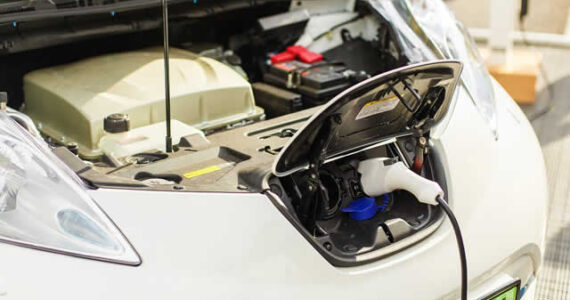
What Major Components of an EV Auto Need Repair and Maintenance

EV maintenance

Electric vehicles (EVs) are revolutionizing the automotive industry. As more people shift toward sustainable living, EVs have emerged as a forward-thinking alternative to traditional combustion-engine vehicles. With their advanced technology, zero-emission powertrains, and reduced dependence on fossil fuels, EVs represent the future of transportation.

While EVs offer numerous benefits, they also come with unique maintenance needs. Understanding these needs is crucial for ensuring longevity and optimal performance. This guide will delve into the major components of an EV that require regular repair and maintenance, providing valuable insights for EV enthusiasts and vehicle owners alike.

The Importance of Regular Maintenance for EVs

Regular maintenance is key to preserving the health and performance of any vehicle, and EVs are no exception. Unlike traditional vehicles, EVs have fewer moving parts and do not require oil changes. However, they still have systems and components that necessitate attention. Timely maintenance can prevent minor issues from escalating into costly repairs and ensure that your EV remains in peak operating condition.

Battery Health: Tips for Longevity and Signs of Deterioration

The battery is the heart of an EV. Proper care is essential to maximize its lifespan and performance. Here are some tips for maintaining battery health:

  • Regular Charging:
    Avoid letting the battery drop below 20% charge. Frequent deep discharges can degrade battery cells over time.
  • Optimal Charging Levels:
    For daily use, try to keep the battery charge between 20%-80%. This range helps prolong battery life.
  • Temperature Management:
    Extreme temperatures can harm battery life. Use thermal management systems to maintain an optimal temperature.
  • Signs of Deterioration:
    Reduced driving range, slower charging times, and unexpected drops in power are indicators that the battery may be deteriorating.

Electric Motor Maintenance: Understanding Common Issues and Solutions

The electric motor is another critical component of an EV. While it requires less maintenance compared to a traditional engine, it’s not entirely maintenance-free. Common issues include:

  • Bearing Wear:
    Over time, bearings can wear out, leading to increased friction and reduced efficiency. Regular inspections can help identify and replace worn bearings.
  • Cooling System:
    Ensuring that the motor’s cooling system is functioning properly is crucial for preventing overheating and maintaining efficiency.
  • Software Diagnostics:
    Periodic software diagnostics can identify potential issues before they become serious problems.

Software Updates and System Checks: Ensuring Optimal Performance

Modern EVs rely heavily on software to manage their operations. Keeping the software up to date is essential for:

  • Enhancing Performance:
    Manufacturers often release software updates that improve vehicle performance and efficiency.
  • Security:
    Software updates can address vulnerabilities and enhance the security of your EV against cyber threats.
  • Diagnostics:
    Routine system checks can identify and rectify issues with the electronic control units (ECUs) that manage various vehicle functions.

Brake and Cooling System Maintenance for EVs

EVs use regenerative braking to recover energy, which reduces wear on traditional brake components. However, the brake system still requires attention:

  • Brake Fluid:
    Regularly check and replace brake fluid to ensure the braking system functions correctly.
  • Brake Pads:
    While they last longer in EVs due to regenerative braking, brake pads should still be inspected and replaced as needed.
  • Cooling System:
    Maintain the cooling system to prevent overheating of the battery and electronic components. Regularly check coolant levels and replace coolant as recommended by the manufacturer.

The Role of Tires and Suspension in EV Safety and Performance

Tires and suspension play a significant role in the safety and performance of EVs:

  • Tire Maintenance:
    Regularly check tire pressure, alignment, and tread depth. Properly maintained tires improve efficiency and safety.
  • Suspension System:
    Inspect and maintain the suspension system to ensure a smooth ride and proper handling. Worn suspension components can negatively impact vehicle performance and safety.

Conclusion: The Future of EV Maintenance and Repair

As EV technology continues to evolve, so do the methods and tools for maintaining and repairing these vehicles. Staying informed about the specific maintenance needs of your EV can help ensure its longevity and performance. With advancements in diagnostic tools, software, and service infrastructure, the future of EV maintenance looks promising and accessible.

By understanding and addressing the unique maintenance requirements of your EV, you can enjoy the benefits of this cutting-edge technology while minimizing the risk of unexpected issues. Embrace the future of automotive technology with confidence, knowing that your EV is well-maintained and ready to deliver an exceptional driving experience.

For more tips and insights on maintaining your EV, stay tuned to our blog and join the community of informed and engaged EV enthusiasts!

image credit: envato.com