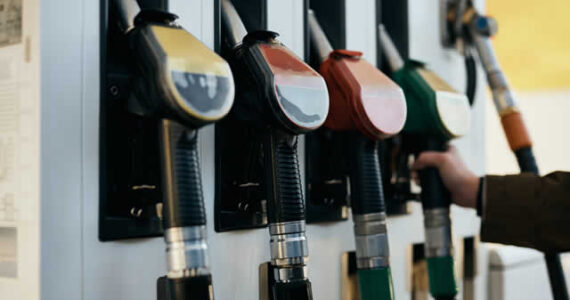
Watching the numbers tick up rapidly at the gas pump can feel incredibly stressful, especially when driving is an unavoidable part of your daily routine.
The good news is that you can actively reduce your fuel costs right now by adjusting your daily driving habits, keeping up with simple vehicle maintenance, and utilizing a few helpful technological tools.
We know how frustrating it is to feel like your budget is entirely at the mercy of the fuel station, but taking back control is easier than you might think. By making mindful adjustments to how you operate and care for your car, you can stretch every gallon further.
This guide is designed to offer gentle, practical solutions that fit seamlessly into your busy life, helping you navigate these challenging times with confidence and peace of mind.
Driving Habits And Fuel Efficiency
The way you handle your vehicle on the road plays a massive role in how much fuel it consumes on any given trip. Being gentle with your driving not only keeps you and your passengers safer but also keeps more money in your wallet.
Smooth Acceleration And Braking
Aggressive driving, characterized by stomping on the gas pedal and slamming on the brakes, is incredibly wasteful. When you accelerate smoothly and anticipate stops well in advance, your engine uses significantly less fuel.
Treating your pedals as if there is a fragile egg resting beneath them encourages a smoother, more efficient ride that your car will thank you for.
Observing Speed Limits
We all have moments where we feel rushed, but speeding drastically reduces your fuel economy. Most vehicles reach their optimal fuel efficiency at around fifty miles per hour.
As you push past this speed, aerodynamic drag increases, meaning your car has to work much harder and burn much more fuel just to maintain its pace. Sticking to the speed limit is a simple, stress-free way to save.
The Impact Of Idling
It can be tempting to leave the engine running while waiting in the school pickup line or checking a quick message on your phone. However, an idling engine gets exactly zero miles to the gallon.
If you anticipate being stopped for more than a minute or two, turning off your engine is a remarkably effective way to conserve fuel and reduce unnecessary emissions in your community.
Smart Route Planning
Combining errands into one well-planned trip is far more efficient than taking multiple short drives throughout the week. A warmed-up engine operates more efficiently than a cold one.
Taking a few moments to map out your stops helps you avoid backtracking and heavy traffic, saving you precious time and costly fuel.
Vehicle Maintenance For Better Mileage
A nurtured and well-cared-for car repays you with better mileage and fewer unexpected breakdowns. Regular maintenance is an act of care that extends the life of your vehicle and maximizes its efficiency.
Maintaining Proper Tire Pressure
Under-inflated tires create unnecessary resistance as they roll down the road, forcing your engine to work harder.
Taking a moment each month to check your tire pressure and inflate them to the manufacturer’s recommended level can instantly improve your gas mileage. It also helps your tires wear more evenly, saving you from having to replace them prematurely.
Engine Tune-Ups And Regular Service
Your engine is a complex system that needs regular attention to perform at its best. Following your vehicle’s recommended service schedule ensures that everything from spark plugs to fuel injectors is operating correctly.
A poorly tuned engine can severely impact your fuel economy, so staying on top of check-ups is a wise investment.
Air Filter Replacement
Your car needs to breathe clean air to efficiently burn fuel. A clogged or dirty air filter restricts airflow, which can diminish engine performance and reduce fuel economy, especially in older vehicles.
Replacing the air filter is a quick and inexpensive maintenance task that helps your engine run smoothly and efficiently.
Choosing The Right Oil Type
Using the motor oil recommended in your owner’s manual is crucial for optimal engine lubrication. The right oil reduces friction between moving parts, allowing the engine to work with less effort.
Always look for oils marked with energy-conserving labels, as these contain specialized friction-reducing additives designed specifically to improve fuel economy.
Technology And Tools To Save Fuel
Modern technology can do much of the heavy lifting when it comes to saving money on the road. From simple smartphone applications to built-in vehicle features, these tools are wonderful companions for the budget-conscious driver.
Fuel-Efficient Navigation Apps
Many modern mapping applications now offer the ability to select the most fuel-efficient route, rather than just the fastest one.
These smart apps analyze traffic patterns, road elevations, and stoplights to guide you along the path of least resistance. Additionally, gas price comparison apps can direct you to the most affordable stations in your immediate area.
Utilizing Car Features
If your vehicle is equipped with cruise control, using it on flat highways can help maintain a constant speed and save gas. Many modern cars also feature an eco-mode button.
Engaging this mode adjusts your engine and transmission parameters to prioritize fuel efficiency over aggressive performance, effortlessly helping you stretch your fuel budget.
Hybrid And Electric Vehicles
While buying a new car is a major decision, it is worth mentioning the long-term benefits of hybrid and electric vehicles.
If you find yourself in the market for a new vehicle, these options offer a wonderful way to drastically reduce or entirely eliminate your dependence on traditional gasoline, all while being kinder to the environment.
Alternative Transportation And Lifestyle Adjustments
Sometimes, the most effective way to save on gas is to simply use less of it by exploring alternative ways to navigate your world. Blending different modes of transportation into your routine can be both refreshing and financially rewarding.
The Benefits Of Carpooling
Sharing a ride to work or school with neighbors and colleagues instantly cuts your commuting costs in half.
Beyond the financial savings, carpooling fosters a wonderful sense of community and gives you a chance to relax and chat instead of focusing solely on the road every single day.
Utilizing Public Transport
Buses, trains, and subways are excellent alternatives for daily commuting. Using public transportation allows you to reclaim your travel time for reading, resting, or catching up on emails.
It also removes the wear and tear from your personal vehicle and helps reduce overall traffic congestion.
Biking Or Walking For Short Trips
For quick trips to the local market or neighborhood coffee shop, leaving the car at home is a healthy and joyous choice. Walking or biking connects you directly with your surroundings, provides wonderful cardiovascular exercise, and requires absolutely zero fuel.
Embracing Remote Work
If your employer allows it, working from home even one or two days a week makes a tremendous impact on your monthly fuel expenses.
Eliminating the commute entirely provides more time for yourself and your family while drastically lowering your transportation budget.
A Journey Towards Significant Savings
High fuel costs do not have to dictate your household budget or cause endless stress. By practicing gentle driving habits, staying mindful of your vehicle’s maintenance needs, and embracing helpful technology and alternative transport, you can successfully navigate this challenge.
Start small by choosing just one or two of these strategies to implement this week. You will soon notice that these thoughtful, simple adjustments cultivate a more peaceful driving experience while keeping your hard-earned money right where it belongs.
image credit: envato.com


 Gracie Hayden: Exactly, If we maintained our vehicle regularly, It will work properly...
 nathaliebieleu: This is one to get roadworthy and just drive and enjoy...
 James King: What if someone suffer from bad credit history?...
 Dorothy Catlett: I think, Parents should teach their kids by purchase a car with LOAN t...


