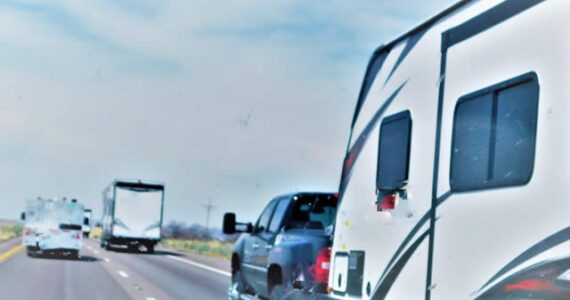
Towing a trailer or a boat can be a daunting task, especially for beginners. However, with a few safety tips and proper knowledge, the task can be simplified and made safer. Here is a comprehensive guide to ensure your towing is safe and trouble-free.
Understand Your Vehicle’s Towing Capacity
First and foremost, it is of utmost importance to fully comprehend and appreciate the towing capacity of your vehicle. Overloading your vehicle with excessive weight can exert undue strain, leading to potential mechanical failures and even hazardous accidents.
To avoid such perils, it is strongly advised to consult your vehicle’s owner’s manual diligently. By doing so, you will gain a comprehensive understanding of your vehicle’s specific capabilities and limitations when it comes to towing.
Different towing scenarios require different capacities. Here’s a general guideline for common tows:
- Small trailers: Small utility trailers typically weigh between 500 and 1,000 pounds. Most compact or mid-size cars can handle these trailers when they’re lightly loaded.
- Medium trailers: If you are towing medium-size trailers, such as a larger utility trailer or a small boat trailer, you’re looking at weights between 1,000 and 3,000 pounds. This task is typically well-suited to most SUVs, vans, and pickup trucks.
- Large trailers: Large trailers, including sizable boat trailers, often weigh between 3,000 and 5,000 pounds. A large SUV or a full-size pickup truck is usually required for such heavy tows.
- Extra-large trailers or boats: If the weight exceeds 5,000 pounds, you’re in the category of extra-large trailers or boats. For this, heavy-duty pickup trucks or other vehicles specifically designed for towing are needed.
Please remember, these are just general guidelines. Always refer to your vehicle’s owner’s manual to confirm its specific towing capacity.
Inspect the Trailer or Boat Before Towing
Before embarking on your journey, it is crucial to conduct a comprehensive inspection of the trailer or boat. Begin by checking the tires for any signs of wear or damage, ensuring they are properly inflated.
Next, examine the brakes to verify they are in optimal working condition, providing you with the necessary stopping power. Don’t forget to inspect the lights of the trailer, guaranteeing they are functional and visible to other drivers on the road.
Once you have completed the inspection of the trailer, shift your attention to the boat or load it carries. Make sure it is securely fastened to the trailer, utilizing appropriate straps or chains to prevent any shifting or dislodging during transit.
Additionally, ensure that the weight of the boat or load is evenly distributed on the trailer, avoiding any imbalances that could lead to unexpected movements or instability.
Practice Driving with the Trailer
If you’re new to towing, it’s highly recommended to gain experience by practicing driving with the trailer or boat in a spacious and open area. This will provide you with the opportunity to familiarize yourself with the nuances of maneuvering turns, reversing, and braking safely, all while taking into account the added weight and size.
By doing so, you’ll develop a better understanding and confidence in handling the towing process, ensuring a safer and more enjoyable experience.
Use Proper Hitching Equipment
When it comes to towing, using the right hitching equipment is not just important, but essential for a safe and successful journey. Ensuring that the hitch, ball mount, and hitch ball all correspond in size and are properly rated for the weight you’re planning to tow is crucial.
Don’t forget to securely fasten the hitching system with hitch pins and clips to provide an extra layer of stability and peace of mind while on the road. Taking these necessary precautions will help you tow with confidence and enjoy a hassle-free towing experience.
Plan Your Route
When towing a trailer or boat, it is always wise to plan your route to ensure a smooth journey. Take into consideration the weight and size of your load, as well as the capabilities of your vehicle. Avoid roads with steep inclines or sharp turns, if possible, as they can pose challenges and increase the risk of accidents.
Additionally, be mindful of the clearance height of your setup when planning to pass through tunnels or under bridges, as insufficient clearance can lead to costly damages. By carefully considering these factors, you can have a safer and more enjoyable towing experience.
Stay Alert and Drive Slowly
When towing, it’s important to keep in mind that your vehicle will respond slower than usual due to the added weight. As a result, it’s crucial to drive at a slower speed, maintain a safe distance from other vehicles, and stay alert at all times.
By doing so, you’ll provide yourself with more time to react to any potential hazards that may arise on the road. This extra precaution can go a long way in ensuring a safe and smooth towing experience.
Regular Breaks are Essential
To ensure a smooth and safe journey, it is important to take regular breaks along the way. These breaks not only help prevent fatigue but also provide an opportunity to thoroughly inspect the boat or trailer for any changes that might have occurred during the trip.
By doing so, you can address any potential issues before they become major problems, ensuring a hassle-free and enjoyable experience on the road.
Remember, safety should never be compromised. By adhering to these tips, you can ensure that your trip with your trailer or boat is as safe as possible.
image credit: envato.com


 Gracie Hayden: Exactly, If we maintained our vehicle regularly, It will work properly...
 nathaliebieleu: This is one to get roadworthy and just drive and enjoy...
 James King: What if someone suffer from bad credit history?...
 Dorothy Catlett: I think, Parents should teach their kids by purchase a car with LOAN t...


