Staring at worn-out treads and feeling completely overwhelmed by the rows of black rubber at the auto shop is a common and understandable frustration. Replacing your car tires can feel like a daunting task, especially when your safety on the road is at stake.
The most effective way to solve this problem is by simply matching your local climate, daily driving habits, and specific vehicle requirements to the corresponding tire category. By understanding your unique needs and the basic differences between tire types, you can make a confident, safe, and cost-effective decision for your family.
Your tires serve as the only physical connection between your vehicle and the road. Every time you accelerate, brake, or steer, that small patch of rubber is responsible for keeping you safe and in control.
Prioritizing tire safety and understanding how different designs impact tire performance will help you transform a stressful errand into an empowering investment in your vehicle’s health.
Understanding Tire Basics
Before you can choose the perfect set of tires, it helps to understand how they are built. Modern car tires are complex feats of engineering made from multiple layers of rubber, steel, and fabric. The tread is the outermost rubber part that grips the road, while the sidewall provides lateral stability and protects the inner cords. Underneath the surface, steel belts and fabric cords give the tire its structural integrity, ensuring it can handle the weight of your vehicle and the forces of daily driving.
When you look at the sidewall of your current tires, you will see a string of letters and numbers that might look like a secret code. This sequence represents the tire size and specifications required for your specific vehicle.
It indicates the tire width, the aspect ratio of the sidewall height, the radial construction, and the wheel diameter. You will also find a load index and a speed rating, which tell you the maximum weight and speed the tire can safely handle. Consulting your vehicle owner’s manual will provide you with the exact specifications you need to ensure a perfect fit.
Types Of Tires
The tire market offers several distinct categories designed to handle different driving conditions. The most popular choice for many drivers is the all-season tire.
These are designed to provide a comfortable ride, long tread life, and acceptable performance in a variety of conditions, including dry roads, rain, and light snow. They are an excellent everyday performer for drivers who live in moderate climates and want a reliable, year-round solution without the hassle of swapping tires.
If you live in a region with consistently warm weather, summer tires might be your best option. These are engineered with a specialized rubber compound that delivers maximum grip and responsive handling on warm, dry, and wet roads.
However, their unique rubber hardens in cold temperatures, making them unsuitable and unsafe for freezing climates or snowy conditions.
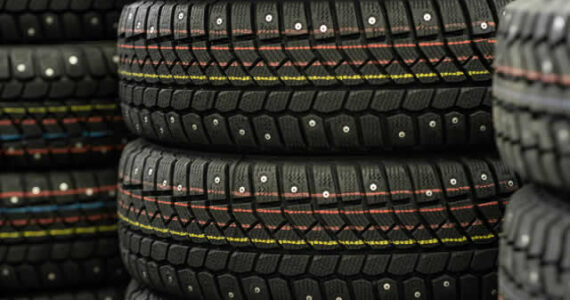
For those who face harsh winters, dedicated winter tires are an absolute necessity. Designed with flexible rubber compounds that stay soft in freezing temperatures, they feature deep treads and tiny slits called sipes that bite into snow and ice.
When conquering severe winter weather, these tires provide the traction and braking power that standard tires simply cannot match.
Drivers who prioritize sharp handling and high-speed capabilities often gravitate toward performance tires. These are crafted to enhance the cornering and braking abilities of sports cars and high-performance sedans.
While they offer thrilling driving dynamics, they typically have a shorter lifespan and provide a stiffer ride compared to standard touring tires.
Finally, if your adventures take you off the beaten path, off-road or all-terrain tires are essential. Built with aggressive tread patterns and reinforced sidewalls, they are designed to navigate mud, gravel, and rocky trails while still offering manageable manners on paved highways.
Factors To Consider When Choosing Tires
Your daily driving habits play a massive role in finding the right tire. If your routine consists mostly of short city commutes, a comfortable touring tire will serve you beautifully.
If you frequently embark on long highway road trips, you might prioritize a tire known for a quiet ride and excellent fuel efficiency. Matching your tires to your lifestyle ensures you get the most value and satisfaction out of your purchase.
Climate and weather conditions are perhaps the most critical seasonal considerations in your tire buying guide. You must honestly evaluate the most extreme weather you will face during the year.
If heavy snow is a guarantee, investing in a separate set of winter tires is a caring choice for your family’s safety. If you only experience mild rain and light winters, a high-quality all-season tire will provide wonderful peace of mind.
It is equally important to consider what your specific car needs. A heavy family SUV requires a tire with a higher load capacity than a small, lightweight commuter car.
Always adhere to the recommendations provided by your vehicle’s manufacturer to maintain proper handling and safety standards.
Budget naturally plays a role in your tire selection, but it is important to find the right balance between cost and quality. While premium brands often come with a higher price tag, they typically offer advanced engineering, longer tread warranties, and superior safety features.
However, there are many reputable mid-tier brands that provide excellent performance at a more accessible price point.
Assessing Tire Health And When To Replace
Knowing when to replace your tires is just as important as knowing which ones to buy. Tread depth is the ultimate key to safety, as it dictates how well your car can grip the road and evacuate water.
You can easily check your tread depth using the classic penny test. Insert a penny into the tread groove with Lincoln’s head pointing down; if you can see the top of his head, your treads are dangerously low, and it is time for a replacement.
Even if you do not drive frequently, the age of your tires matters because time takes its toll on rubber compounds. As tires age, the rubber degrades, dries out, and becomes prone to failure, regardless of how much tread remains.
Most safety experts recommend replacing any tire that is more than six years old from its manufacturing date, which can be found stamped on the sidewall.
You must also regularly inspect your tires for visible damage. Bulges, cracks, cuts, or uneven wear patterns are serious warning signs that should never be ignored.
Uneven wear can also indicate underlying issues with your vehicle’s alignment or suspension, so addressing these problems early can save you money and keep you safe.
Making The Right Choice
When you are ready to make a purchase, consulting the experts is a wonderfully supportive step. The knowledgeable staff at your local dealership or trusted tire shop can offer personalized recommendations based on your vehicle and local driving conditions. They can explain the nuances between different brands and help you navigate warranties and maintenance packages.
Reading reviews and ratings from other drivers also provides invaluable real-world experiences. Independent consumer organizations regularly test and score tires based on braking distance, hydroplaning resistance, and ride comfort.
Taking the time to research these resources will reinforce your confidence and help you finalize your tire selection.
Drive Confidently: The Importance Of Informed Tire Choices
Taking the time to understand your tire options is a beautiful way to care for your vehicle and protect your loved ones on the road. By evaluating your driving habits, acknowledging your local climate, and keeping a close eye on tire health, you take control of your automotive maintenance.
You no longer need to feel intimidated by the tire selection process. Instead, you can drive with the deep, reassuring confidence that your car is equipped with the safest, most reliable foundation possible.
- Consumer Reports. (2024). Best Car Tires of 2024: Complete Buying Guide and Testing Results.
- National Highway Traffic Safety Administration (NHTSA). (2023). Tire Safety and Maintenance Guidelines.
- Tire Industry Association. (2024). Consumer Guide to Tire Service Life and Replacement.
image credit: envato.com


 Gracie Hayden: Exactly, If we maintained our vehicle regularly, It will work properly...
 nathaliebieleu: This is one to get roadworthy and just drive and enjoy...
 James King: What if someone suffer from bad credit history?...
 Dorothy Catlett: I think, Parents should teach their kids by purchase a car with LOAN t...


