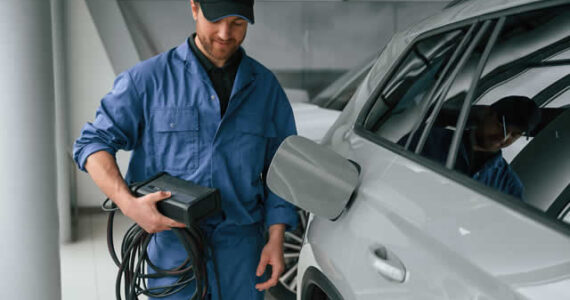
Your electric vehicle works hard for you every day, but did you know it experiences each season differently than you might expect?
The simple answer is this: adjusting how you charge, drive, and store your EV throughout the year can protect your battery, extend your range, and save you money. With a little seasonal attention, your EV will reward you with reliable performance no matter what the weather brings.
Owning an electric vehicle is a wonderful step toward a cleaner future, but it also comes with a fresh set of care habits. Unlike gas-powered cars, EVs respond strongly to temperature, especially when it comes to battery health.
The good news? Most seasonal care is straightforward once you understand what your vehicle needs. This guide walks you through every season, offering practical, expert-backed tips to keep your EV thriving from the first frost of winter to the golden leaves of fall.
Winter Wonderland: Navigating Cold Weather Challenges
Cold weather is the toughest season for electric vehicles, and understanding why helps you prepare with confidence.
Battery Performance in Freezing Temperatures
Lithium-ion batteries slow down when temperatures drop. According to the U.S. Department of Energy (2023), EVs can lose roughly 12% of their driving range in cold weather, and that loss can climb past 40% when you run the cabin heater. This happens because chemical reactions inside the battery become sluggish in the cold, and energy gets diverted to keep things warm.
The kind thing you can do for your battery is keep it warm whenever possible. Park in a garage when you can, and plug in overnight so your battery starts the morning at a comfortable temperature.
Optimizing Range and Charging in Winter
Preconditioning is your best friend during winter. Most EVs let you warm the cabin and battery while still plugged in, which means you use grid power instead of your battery to heat up. Schedule this through your vehicle’s app a few minutes before you leave.
Try to keep your battery charge between 20% and 80% in cold weather, and charge soon after driving while the battery is still warm. Warm batteries accept a charge faster than cold ones, so timing makes a real difference.
Winter Tire Choices and Cold-Weather Driving Tips
Winter tires matter just as much for EVs as they do for any other vehicle. Cold pavement and snow reduce grip, and the instant torque of an electric motor can cause wheels to slip. A quality set of winter tires improves both safety and efficiency.
Drive gently, use regenerative braking smoothly, and remember that aggressive acceleration drains range quickly in the cold. A calm driving style keeps you safer and your battery happier.
Spring Into Action: Preparing for Warmer Days
As the snow melts, spring offers the perfect moment to check in on your EV after a demanding winter.
Post-Winter Check-Up Essentials
Start with a visual inspection. Look for any damage from road salt, check your tire tread, and make sure your brakes are in good shape. Because EVs rely heavily on regenerative braking, brake pads often last longer, but they still deserve a seasonal look. Consumer Reports (2024) notes that EV brake systems generally wear more slowly, yet rust from winter moisture can still build up, so a check is always wise.
Regenerative Braking and Energy Efficiency
Warmer weather brings your battery back to peak performance, and regenerative braking becomes more effective as temperatures rise. Spring is a great time to experiment with your regen settings to find the balance that feels right for your driving style. Higher regen settings recapture more energy, which gently extends your range.
Charging Infrastructure and Spring Travel
Planning a spring road trip? Use apps like PlugShare or your vehicle’s built-in planner to map out charging stops ahead of time. Mild spring temperatures are ideal for EV travel, since your range stays close to its rated estimate without the strain of extreme heat or cold.
Summer Adventures: Protecting Your EV From the Heat
Heat is gentler on range than cold, but high temperatures bring their own challenges for long-term battery health.
Managing Battery Temperature in Hot Climates
Extreme heat can speed up battery aging over time. Research from Geotab (2023), which studied thousands of EVs, found that vehicles kept in very hot climates degraded faster than those in moderate ones. To protect your battery, park in the shade or a garage whenever you can, and avoid leaving your EV at a full 100% charge in scorching weather.
AC Usage and Range Considerations
Running the air conditioner does use energy, but precooling your cabin while plugged in helps preserve range. Like winter preconditioning, this lets you cool things down using grid power before you unplug. Once on the road, a comfortable cabin requires far less energy to maintain than to cool from scratch.
Summer Road Trips and Charging Etiquette
Summer is peak travel season, so be courteous at charging stations. Move your vehicle promptly once charging is complete, and avoid using fast chargers to top off the last few percent, which slows things down for everyone. During heat waves, charging in the cooler morning or evening hours is gentler on your battery.
Autumn Ahead: Prepping for Fall and Beyond
Fall is a season of preparation, the ideal time to ready your EV for the cold months ahead.
Battery Health Check and Software Updates
Many EVs receive over-the-air software updates that improve battery management and efficiency. Install these promptly, as manufacturers often refine cold-weather performance through software. Review your battery health data in your vehicle’s app to spot any changes before winter arrives.
Tire Maintenance and Leafy Roads
Cooler temperatures cause tire pressure to drop, so check your pressure regularly as fall sets in. Proper inflation improves both efficiency and safety. Wet leaves can make roads slick, so allow extra stopping distance and ease off regenerative braking on slippery surfaces.
Long-Term EV Care and Future-Proofing
Fall is also a good moment to think long term. Keeping your battery within a healthy charge range, avoiding frequent fast charging when possible, and following your manufacturer’s guidance all help preserve battery life for years to come. These small habits add up to meaningful savings and lasting performance.
Drive Confidently: Your EV, Season After Season
Caring for your electric vehicle through the seasons is far simpler than it may first appear. By warming your battery in winter, inspecting it in spring, shielding it from heat in summer, and preparing thoughtfully in fall, you give your EV everything it needs to serve you well. These gentle, consistent habits protect your investment and keep you driving smoothly all year long.
Your EV is a partner on the road, and a little seasonal kindness goes a long way. Start with one small change this season, and your vehicle will thank you with reliable performance, season after season.
- U.S. Department of Energy, "Cold Weather Can Cut Electric Vehicle Range" (2023) — energy.gov
- Consumer Reports, "EV Maintenance and Repair Costs" (2024) — consumerreports.org
- Geotab, "What Can 6,000 Electric Vehicles Tell Us About EV Battery Health?" (2023) — geotab.com
- PlugShare, EV Charging Network and Trip Planning Resource (2024) — plugshare.com
image credit: envato.com


 Gracie Hayden: Exactly, If we maintained our vehicle regularly, It will work properly...
 nathaliebieleu: This is one to get roadworthy and just drive and enjoy...
 James King: What if someone suffer from bad credit history?...
 Dorothy Catlett: I think, Parents should teach their kids by purchase a car with LOAN t...


