
Navigating the bustling thoroughfares of urban landscapes is an exercise in vigilance. Unfortunately, one of the gravest concerns for modern commuters is the risk of auto carjackings and theft.
Each year, thousands of vehicles are stolen or broken into in our cities, leaving behind not only physical losses but also a sense of violation and vulnerability.
In this comprehensive guide, we’ll explore proactive tactics every urban driver should have in their toolkit to minimize these risks and ensure a safer travel experience.
Understanding the Risks
Urban Auto Theft Statistics
Why is this topic so pressing? The figures tell a stark story. Cities consistently report higher rates of vehicle theft and carjackings compared to rural areas, with significant spikes in certain parts of the world. These statistics aren’t mere numbers – they represent personal disruptions, financial losses, and potential dangers to the victims.
Common Theft Tactics
To combat a threat, you must first understand it. Auto theft and carjacking perpetrators often employ a variety of tactics ranging from subtle to aggressive.
Common theft tactics that individuals should be vigilant about include:
- Opportunistic Theft: Thieves may target vehicles that are left running or with keys in the ignition, often at gas stations, convenience stores, or even in their own driveways.
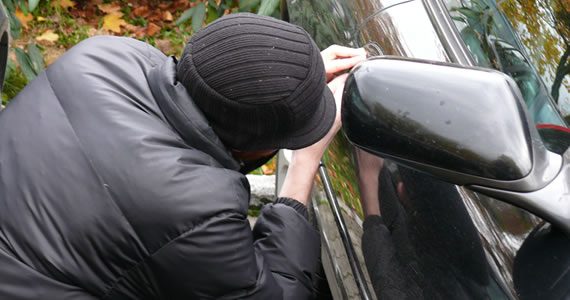
- Smash-and-Grab: A method where thieves quickly break a window to steal visible items before fleeing the scene.
- Signal Jamming: Using devices to block or intercept the signal from remote key fobs, preventing the car from locking even when the owner presses the lock button.
- Relay Attacks: A more high-tech method where thieves use electronic equipment to extend the signal from a keyless entry car key to open and start a car remotely.
- Carjacking: This direct approach involves threatening the vehicle owner with violence to seize their car, often occurring in parking lots or at traffic lights.
- VIN Cloning: Criminals may replace the Vehicle Identification Number (VIN) of a stolen car with a VIN from a legal vehicle to mask the car’s true identity.
- Fictitious Online Sales: Posing as sellers, thieves may lure prospective buyers with the intent of robbing them or even using the opportunity to steal another vehicle.
Preventive Measures
The Power of Situational Awareness
Of all the tools at your disposal, situational awareness is perhaps the most critical. Being alert to your surroundings can prevent a variety of crimes, including theft and carjacking.
Situational awareness involves being conscious of your environment and understanding the potential threats that may be present. It means not only noticing suspicious behaviors or conditions but also anticipating possible scenarios where a crime could occur.
For example, when walking to your car in a parking lot, it’s important to scan the area for any unusual activity and to have your keys in hand before you reach your vehicle. Trusting your instincts and acting on any feelings of unease can often deter would-be criminals.
By being vigilant and not allowing distractions such as smartphones to take your attention, you can significantly reduce your vulnerability to theft and other threats.
Secure Your Vehicle Using Anti-Theft Technology
Securing your vehicle goes beyond locking the doors. It encompasses strategic thinking, forming smart habits, and sometimes, considering investments in additional security layers like alarms, GPS trackers, or steering wheel locks, to ensure comprehensive protection against theft or unauthorized access.
Technology has revolutionized vehicle security, offering a diverse array of tools to combat auto theft effectively. From traditional steering wheel locks to advanced GPS tracking systems with real-time monitoring capabilities, there is a wide selection of devices available. These technologies act as vigilant guards for your vehicle, providing peace of mind and enhanced protection against potential theft incidents.
Popular Anti-Theft Devices for Your Vehicle
- Steering Wheel Locks: These physical barriers attach to the steering wheel, making it difficult to steer the car without removing the lock.
- Brake Locks: Similar to steering wheel locks, these devices lock the brake pedal, preventing the car from being driven.
- Car Alarms: Loud alarms deter thieves by attracting attention to the vehicle when a break-in is attempted.
- Engine Immobilizers: Electronic security devices that prevent the engine from running unless the correct key is present.
- GPS Trackers: Allow vehicle owners to monitor the location of their car in real-time, which is particularly useful after a theft.
- Dash Cams: While primarily used for recording road incidents, dash cams can also capture footage of thieves.
- Window VIN Etching: Etching the VIN number onto the car windows makes it more challenging for thieves to resell the car or its parts.
- Tire Locks: Also known as boot locks, these immobilize the vehicle by locking onto the wheels.
- Keyless Entry Fobs with Rolling Codes: Makes it harder for thieves to intercept and replicate the car’s key signal.
- Electronic Tracking Systems: Professional tracking services that can locate a vehicle and assist law enforcement in recovery efforts.
Safety While Traveling
Planning Routes Wisely
You might think that picking the shortest route is the ultimate goal, but when safety becomes a top priority, opting for a more circuitous path through well-policed or high-traffic areas could prove to be the wiser and more prudent choice in the long run.
Considerations for Route Planning:
- Check Traffic Reports: Prior to departure, review traffic updates and road conditions to avoid high-risk areas and congested roads.
- Use Reliable GPS Services: Utilize trustworthy navigation apps or systems that offer real-time traffic data and route options to ensure you stay on safer roads.
- Familiarize Yourself with the Area: If possible, learn about the area you will travel through, including which neighborhoods are considered safe.
- Plan for Stops: Identify and plan your rest stops in advance, opting for well-lit areas with amenities and security.
- Inform Someone of Your Route: Let a friend or family member know your intended route and expected arrival time.
- Avoid High-Crime Areas: Research and bypass regions with high crime rates, even if it means a longer trip.
- Stay Flexible: Be prepared to alter your route as needed; flexibility can be crucial in response to unexpected occurrences or changing conditions.
Parking Practices
Where and how you park your vehicle is a decision fraught with safety implications. We’ll provide a checklist for parking safely, with guidance on finding the best spots and the security measures to implement upon departure.
Parking Safety Checklist:
- Visibility: Choose a parking spot that is highly visible, preferably in an area with good lighting and foot traffic.
- Surveillance: Park in areas that are under surveillance, such as those with security cameras.
- Accessibility: Avoid secluded spots. Instead, select locations where help can be easily accessed if needed.
- Legal Parking: Ensure that you are parking in a designated area to avoid fines and the risk of your vehicle being towed.
- Locking Up: Double-check that all doors are locked and windows are closed before leaving your vehicle.
- Valuables Concealed: Keep any valuables out of sight or take them with you to prevent break-ins.
- Parking Etiquette: Park your vehicle within the lines to avoid damage from other vehicles opening their doors.
- Use of Security Features: Activate any additional security measures such as alarms, steering wheel locks, or dash cams.
- Memorize Your Spot: Take note or a picture of your parking spot to locate your vehicle quickly upon return.
- Awareness on Return: Be vigilant when returning to your vehicle, especially at night or in less crowded areas.
Vigilance at Intersections
Stoplights and intersections are prime hunting grounds for thieves and carjackers. We’ll outline the risks associated with these scenarios and detail ways to reduce your vulnerability without turning your car into a fortress.
Intersection Vigilance Tactics
- Lock Doors: Always ensure your car doors are locked when approaching an intersection to prevent unauthorized entry.
- Windows Up: Keep the windows up, or only slightly lowered, to make it more difficult for someone to reach inside the vehicle.
- Stay Alert: Remain attentive to your surroundings rather than distractions such as your phone, radio, or conversations.
- Mirrors Adjusted: Have your rearview and side mirrors properly adjusted for a full grasp of the area around your car.
- Limit Space in Front: Don’t pull up directly behind the vehicle in front of you; leave enough space for maneuvering in case of an emergency.
- Scan the Area: Regularly scan the area for any suspicious activity or individuals that may be approaching cars.
- No Valuables Display: Keep valuables out of sight, so they are not a temptation for a smash-and-grab scenario.
- Anti-Theft System: If your vehicle is equipped with an anti-theft system, ensure it’s activated when stationary.
- Avoid Distractions: Stay focused on driving and the light changes; thieves can take advantage of distracted drivers.
- Plan Your Route: Be familiar with your route and avoid high crime areas, especially during times of low traffic.
Community Awareness and Reporting
The Strength of Community
You’re not in this alone. Community initiatives and neighborhood watch programs can play an instrumental role in preventing auto theft. Learn how to get involved and benefit from the collective effort to enhance urban security.
Reporting Suspicious Activities
Knowledge is power, especially when reported to law enforcement. We’ll guide you through the process of recognizing and reporting activities that could lead to auto carjackings or theft, potentially saving your vehicle or someone else’s from falling victim.
Sharing the Knowledge
Knowledge shared is protection multiplied. We’ll encourage you to spread the word about urban street safety, turning your own wealth of information into a broader community effort to safeguard against carjacking and theft.
Conclusion: Forging a Safer Path
Armed with the strategies detailed in this guide, you’re ready to take control of your urban travel safety. Stay alert, secure your vehicle, employ technology, plan smartly, and engage with your community.
By taking these proactive and informed steps, you’re actively decreasing the likelihood of falling prey to auto theft and carjacking, ensuring that your journeys are not only efficient but, above all, safe.
image credit: envato.com


 Gracie Hayden: Exactly, If we maintained our vehicle regularly, It will work properly...
 nathaliebieleu: This is one to get roadworthy and just drive and enjoy...
 James King: What if someone suffer from bad credit history?...
 Dorothy Catlett: I think, Parents should teach their kids by purchase a car with LOAN t...


