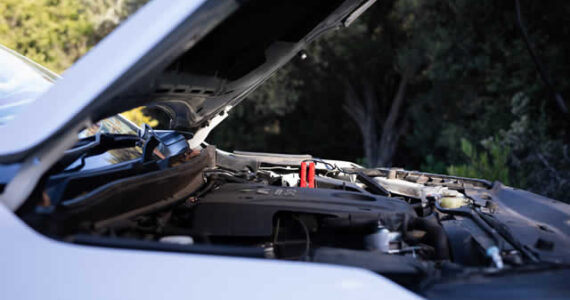
Cars, just like any other machines, require regular care and maintenance to stay in good condition. While certain tasks necessitate professional mechanics, there are several DIY auto maintenance routines that you can handle at home. Not only does this save money, but it also equips you with valuable technical skills. Let’s delve into some of these.
Routine Inspection
Routine inspection of your vehicle is the foundational aspect of effective auto maintenance. Regularly check the tire pressure, oil levels, and inspect for any leaks or unusual noises. This proactive approach could save you from impending breakdowns or expensive repairs.
Regular Oil Changes
Oil is the lifeblood of your car’s engine. Regular oil changes, every 3000 to 5000 miles, help keep your engine running smoothly by reducing friction and heat buildup. With a few simple tools, you can perform this task at home, saving the costs of a mechanic visit.
To check your car’s oil level, locate the dipstick under the hood, pull it out, wipe it clean, then re-insert it fully before pulling it out again; the oil should sit between the two marks – not too low and not overfilled – and the color should be a clear, amber hue, not dark and dirty.
Tire Maintenance
Taking care of your tires is essential for safety and fuel efficiency. Regularly check your tire pressure and rotate your tires every 5000 to 7500 miles to ensure even wear. Additionally, inspect them for any signs of damage or excessive wear.
To check your tires for wear and tear, carefully inspect the tread depth, look for any physical damages or punctures, and be alert for any uneven wear patterns or bald spots, as these are clear indications that your tires may need to be replaced or realigned.
Brake and Fluid Checks
Brakes are crucial for safety, so it’s important to keep them in good condition. Check your brake fluid levels routinely and inspect for any signs of wear or damage. You should also regularly check and refill other vital fluids, such as coolant and transmission fluid.
To perform brake and other fluid checks, carefully open the reservoirs for each fluid in your vehicle, using your car’s manual for guidance if necessary, and ensure the fluid levels are within the recommended range – not too low and not overfilled, while also examining the color and consistency of each fluid to ensure there are no signs of contamination.
Battery Maintenance
Your car’s battery is crucial for ignition and powering electronic components. Regularly check your battery’s charge level with a multimeter and clean the terminals to prevent corrosion.
To check your car battery’s charge level using a multimeter, first ensure your vehicle is off, then set the multimeter to 20 DC volts, connect the negative meter probe (black) to the negative battery terminal (-), and the positive probe (red) to the positive battery terminal (+); a healthy battery should typically show a reading between 12.4 and 12.7 volts.
To clean the battery, first disconnect it starting with the negative terminal, then mix a tablespoon of baking soda with a cup of water, apply this solution using a toothbrush to scrub off any corrosion from the terminals, rinse with a bit of water, and thoroughly dry before reconnecting the battery, starting with the positive terminal.
Changing Air Filters
Air filters prevent harmful debris from entering your engine. They need to be replaced every 12,000 to 15,000 miles, which is a simple task that can be done at home.
To change the air filter, first, locate the air filter unit under the hood, then remove the casing, take out the old filter, visually compare it with the new one to ensure they’re the same, place the new filter inside the casing, and finally, securely replace the casing back onto the unit.
Windshield Care
Clear visibility is critical for safe driving. Regularly clean your windshield, replace worn-out wipers, and top up the wiper fluid.
To top up the wiper fluid, locate the reservoir under the hood (usually marked with a windshield or water icon), remove the cap, and carefully pour in a high-quality windshield wiper fluid until it reaches the fill line, then securely replace the cap back onto the reservoir.
In Conclusion
By incorporating these DIY auto maintenance tips, you can prolong the lifespan of your vehicle and maintain its optimal efficiency. More importantly, you create a safer driving environment for yourself and others on the road. Remember, when you take care of your car, it takes care of you.
image credit: envato.com


 Gracie Hayden: Exactly, If we maintained our vehicle regularly, It will work properly...
 nathaliebieleu: This is one to get roadworthy and just drive and enjoy...
 James King: What if someone suffer from bad credit history?...
 Dorothy Catlett: I think, Parents should teach their kids by purchase a car with LOAN t...


