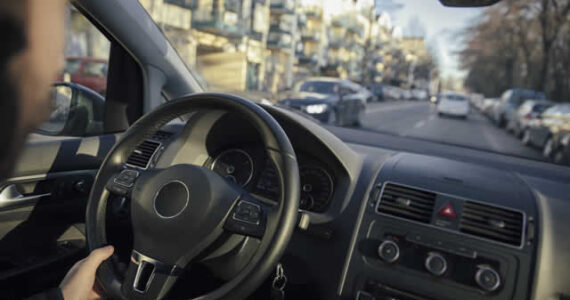
City driving shapes more than commuting habits. The density, sounds, and unexpected delays can sharpen awareness, build patience, and teach balance.
Many drivers, probably you too, began this journey the moment you search, find, and finance your next car, realizing the road brings both stress and growth. As routines form, the quiet lessons hidden in the practice of city car ownership start to appear, offering a calm perspective amid daily chaos.
The Hidden Fear Behind Urban Car Ownership
Many people experience a genuine fear of owning a car in a city, and the reasons often stack quickly. Dense traffic creates pressure, especially when navigating narrow lanes or aggressive drivers. Parking scarcity adds constant uncertainty, amplifying stress every time you leave home.
The potential for dents, theft, and unexpected tickets can feel overwhelming, especially for those already worried about finances. Maintenance costs, insurance rates, and fuel prices make budgeting unpredictable.
Environmental concerns add moral weight, making some feel guilty about contributing to congestion or emissions. Altogether, these factors create a sense that car ownership in urban environments demands more energy than it gives back.
Accepting the Flow of Urban Traffic
City streets operate on busy rhythms. Delivery vans stop without warning, tourist buses block lanes, and construction arrives unannounced. Learning to accept this unpredictability reduces frustration.
With time, you start to sense when to take alternate streets and when to simply wait. This acceptance transfers into everyday life, where patience becomes a valuable skill.
Read Street Signs Like a Language
Each block may hold different rules. Street sweeping, time limits, residential permits, and seasonal changes demand attention.
At first, signs seem overwhelming, but repetition builds intuition. You begin to recognize patterns and avoid costly mistakes. This awareness sharpens decision-making, helping you feel more in control.
Parking Scarcity as a Lesson in Patience
Circling for a spot tests emotional stability. It can take minutes or much longer, especially in dense neighborhoods. Many drivers create mental maps, remembering which blocks are more likely to open.
The ability to stay calm during the search makes the commute feel smoother. This subtle benefit forms a core part of the practice of city car ownership, where consistent exposure builds confidence.
Alternative Parking Solutions
Some days, street parking fails entirely. That’s when garages, subscription services, and shared spaces become helpful. Drivers sometimes discover new cafés, scenic alleys, or stores near these alternative spots.
Creative parking plans expand comfort zones and reveal new areas worth exploring.
Leveraging Your Vehicle for Life Transitions
Whenever people move between apartments, their car becomes a surprisingly versatile asset. Instead of relying solely on movers or rental trucks, you should learn how to take advantage of your car when moving by personally transporting fragile items, sentimental belongings, and anything too delicate to trust to others.
If you are relocating with your vehicle, the car also serves as a mobile base, helping you run last-minute errands, pick up packing materials, and shuttle between old and new neighborhoods. Multiple short trips across several days reduce pressure and allow more organized packing, while the trunk can store essentials like cleaning supplies, documents, or overnight bags for easy access.
This personal control provides reassurance during chaotic transition periods. The vehicle becomes a steady source of comfort, helping to manage stress, safeguard valuables, and support a smoother move overall.
Use Maintenance as a Self-Care Ritual
Tire pressure checks, oil changes, and interior cleaning may feel routine, but they carry emotional benefits that go beyond simple upkeep. Clean windows improve focus by removing distractions and giving you a clearer view of the road ahead.
A quiet, well-tuned engine builds trust, reminding you that your vehicle can respond reliably in heavy traffic or long trips. Even vacuuming the seats or wiping down surfaces creates a sense of order in an otherwise busy environment.
Maintenance mirrors personal care because neglect often creates larger, more expensive problems down the line, whether mechanical or emotional. Investing a few minutes each week protects parts, prevents breakdowns, and reinforces a calm mindset.
Keeping the car healthy reduces anxiety every time you start the ignition, allowing you to drive with confidence and enjoy the city without worrying about unexpected surprises.
Letting Go and Welcoming the New
Eventually, needs shift as daily life evolves. Cargo space may matter more for growing families, long commutes can make fuel efficiency urgent, or advanced safety features become non-negotiable for peace of mind.
When that moment arrives, many drivers rely on a checklist for buying a new car to guide their research, evaluate options, and ensure no critical detail gets overlooked. Test drives, warranty reviews, and budget considerations add layers of clarity.
The comparison process often sparks unexpected reflection, revealing how habits have changed and which comforts or technologies now feel essential. Choosing a new vehicle becomes more than a purchase—it highlights how your lifestyle has matured and what matters most moving forward.
Preparing for Farewells and New Beginnings
A car helps you organize final errands when eventually saying goodbye to a city. Driving past favorite parks, local shops, and familiar shortcuts offers closure. Loading cherished belongings into the trunk can stir memories. The car becomes a companion through emotional transitions, easing the departure.
Community Connections Built Through Parking Habits
Neighbors often recognize each other from repeated parking routines. Quick sidewalk chats can lead to helpful tips about cleaning schedules or new regulations. Respecting driveways or avoiding blocked garage doors builds trust. Over time, these small interactions strengthen local relationships.
Finding Calm in the Driver’s Seat
Inside the car, quiet moments become valuable, especially in a city that rarely slows down. Drivers often pause before appointments, breathe deeply during stressful days, or enjoy calming music while parked along a quiet street.
Sometimes it’s the only place where you can gather your thoughts without interruption.
This small retreat keeps the city from feeling overwhelming by offering a temporary shield from noise, crowds, and constant movement.
Sitting behind the wheel for just a few minutes helps restore clarity, reset priorities, and regain emotional balance. Over time, this private space becomes a reliable sanctuary, allowing you to return to the world with a clearer mind and steadier focus.
The Practice of City Car Ownership Will Become a Good Teacher
Urban driving can become a surprising teacher when approached with intention. Traffic sharpens patience, maintenance builds discipline, and parking teaches flexibility. Drivers learn resilience through routine challenges.
By embracing the practice of city car ownership, you transform frustration into control and chaos into calm. With time, these habits become second nature, turning every commute into a quiet opportunity to grow.
image credit: envato.com


 Gracie Hayden: Exactly, If we maintained our vehicle regularly, It will work properly...
 nathaliebieleu: This is one to get roadworthy and just drive and enjoy...
 James King: What if someone suffer from bad credit history?...
 Dorothy Catlett: I think, Parents should teach their kids by purchase a car with LOAN t...


