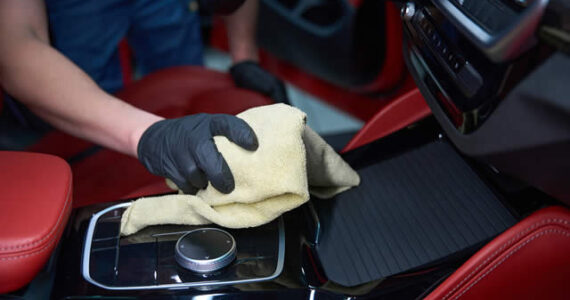
Navigating Winter Roads: Protecting Your Car from Sand, Salt, and Ice

winter roads

Winter brings a unique kind of beauty to our landscapes, blanketing the world in quiet white snow and glistening ice. However, for those of us who need to commute or run errands, this season also brings significant challenges.

We rely heavily on the dedicated crews who plow our streets and apply treatments to keep us safe. While we feel a sense of relief seeing a road cleared of snow, the very substances used to ensure our safety can inadvertently harm the vehicles we depend on.

Municipalities primarily use sand and salt to combat slippery conditions. Salt lowers the freezing point of water, melting ice into a brine that prevents new ice from forming. Sand, on the other hand, does not melt ice but provides much-needed traction for tires on slick surfaces.

This combination is vital for preventing accidents and keeping traffic moving. Yet, this safety comes with a trade-off. The abrasive nature of sand and the corrosive properties of salt can accelerate wear and tear on your vehicle. Understanding this balance helps you take the necessary steps to care for your car, ensuring it remains reliable and rust-free for years to come.

The Impact of Road Salt on Your Car

Salt is incredibly effective at keeping roads clear, but it is chemically aggressive toward steel and iron. When road salt mixes with water from melting snow or slush, it creates a saline solution that acts as a catalyst for oxidation, commonly known as rust.

This chemical reaction speeds up the corrosion process significantly compared to water alone. It is not just the visible body panels that are at risk; the most severe damage often occurs where you cannot easily see it.

The undercarriage of your vehicle is particularly vulnerable because it is constantly bombarded by the salty spray kicked up by your tires. This area houses critical components such as the frame, exhaust system, muffler, and hydraulic brake lines.

When salt accumulates in the nooks and crannies of the chassis, it eats away at the metal. Over time, this can lead to structural weaknesses or mechanical failures, such as a leaking brake line or a detached muffler.

Modern vehicles often have protective coatings, but these can wear down or chip over time, leaving the bare metal exposed. Once the salt brine reaches the metal, the corrosion spreads beneath the paint, often bubbling up in what is known as "rust creep." By the time you see the bubbling paint on the wheel well or the bottom of the door, significant damage may have already occurred underneath.

The Impact of Sand on Your Car

While salt attacks your car chemically, sand attacks it physically. The particles used on roads are often much coarser than the sand you might find at a beach. As you drive, your tires—and the tires of the vehicles around you—fling these small stones and grit into the air at high speeds.

The immediate result is often visible on the front bumper and hood in the form of small paint chips. Each chip compromises the vehicle’s clear coat and paint, creating a small entry point for moisture and salt to enter and begin the rusting process.

Your windshield and headlights are also susceptible to pitting from flying sand. Over the course of a long winter, you might notice that your windshield looks sparkling or hazy when the sun hits it directly. This is caused by thousands of microscopic impact craters from sand.

This pitting can refract light, causing glare that makes night driving or driving into the sun more difficult and dangerous. Headlight lenses can similarly become cloudy, reducing the effectiveness of your lights during dark winter evenings.

Sand also affects the mechanical movement of the vehicle. The grit can work its way into moving parts, such as brake calipers and suspension components.

If sand gets trapped between the brake pad and the rotor, it can cause premature wear or scoring on the rotor surface. It creates a grinding noise and can reduce braking efficiency, which is the last thing you want when navigating icy roads.

Immediate Steps After Driving on Treated Roads

Taking immediate action is the most effective way to mitigate the damage caused by winter road treatments. Regular washing is essential, even if the car is just going to get dirty again the next day.

The goal is not to keep the car looking showroom ready, but to remove the corrosive accumulation of salt and the abrasive layer of sand. Leaving this sludge on your car for weeks at a time allows the salt to do its worst work.

When washing your car in winter, focus heavily on the areas you cannot see. The undercarriage needs the most attention. Many automatic car washes offer an undercarriage spray cycle, which is highly recommended during the winter months.

If you are washing at home with a hose, spend extra time spraying up into the wheel wells and along the bottom rails of the vehicle. This flushes out the pockets of wet, salty sand that tend to gather in crevices.

Timing your washes is also important. Try to wash your vehicle on days when the temperature is slightly above freezing to prevent doors and locks from freezing shut. If you must wash it in freezing temperatures, be sure to dry the door jambs and seals thoroughly immediately afterward. It is a simple act of care that prevents the frustration of being frozen out of your car the next morning.

Long-Term Protective Measures

Beyond regular washing, applying protective barriers provides a shield against the elements. A high-quality polymer wax or ceramic coating applied before the first snow falls acts as a sacrificial layer.

It fills in the microscopic pores of the clear coat and prevents salt and sand from making direct contact with the paint. This makes it harder for dirt to stick and easier to wash off, giving your car a fighting chance against the grit.

For those living in areas with severe winters, professional rustproofing is a wise investment. There are various options, including oil-based sprays and rubberized coatings. Oil-based sprays are excellent because they creep into seams and crevices where moisture hides, displacing water and inhibiting rust.

These treatments usually need to be reapplied annually. Rubberized undercoatings provide a hard shell against sand abrasion but must be inspected regularly; if the coating cracks, moisture can get trapped behind it and cause rust to form unseen.

Regular inspections are a vital part of winter maintenance. Take a moment every few weeks to walk around your car. Look for new stone chips and touch them up with paint promptly to seal the metal.

Check your rubber floor mats to ensure salty water is not leaking onto the carpet, where it can rot the floorboards from the inside out. Paying attention to these small details allows you to address issues before they become expensive repairs.

Additional Winter Driving Tips

How you drive also impacts how much abuse your car takes. Increasing your following distance is a simple but effective habit. By staying further back from the car or plow truck in front of you, you reduce the amount of salty spray and sand hitting your vehicle. It also gives you more time to react to sudden stops on slippery roads.

Winter tires are another crucial consideration. While they are primarily designed for safety and traction, they also help protect the car. All-season tires can harden in cold temperatures, leading to loss of grip.

When tires slip, they spin, digging down into the sand and flinging it forcefully against the wheel wells. Winter tires remain pliable and maintain better traction, resulting in less wheel spin and less debris thrown against the car body.

Finally, keep an emergency kit in your vehicle. This should include items like a shovel, sand or kitty litter for traction, jumper cables, and a blanket. Being prepared reduces the likelihood that you will have to overexert your vehicle to get out of a snowbank, which protects the transmission and engine from unnecessary strain.

Staying Ahead of Winter’s Challenges

Winter driving does not have to result in a ruined vehicle. By understanding why sand and salt are used and how they affect your car, you can take proactive steps to minimize the damage. It is about consistent, gentle care—washing away the corrosive elements, sealing the paint, and driving with awareness.

Preventative maintenance is always more manageable and affordable than repairing rust damage or replacing corroded brake lines.

Treating your car with a little extra attention during the harsh months ensures it remains safe and reliable for you and your family. It allows you to navigate the season with confidence, knowing you have done your best to protect your investment.

By adopting these habits, you ensure the safety and longevity of your vehicle. You can enjoy the beauty of a winter drive, grateful for the cleared roads, while knowing that once you return home, a quick wash will wash away the worry along with the salt.

image credit: envato.com

When Moving Forces a Car Upgrade—or a Downgrade—and How to Time It Strategically

making a move

Moving is one of those life events that quietly reshapes far more than your address. It changes daily routines, budgets, storage needs, and often your relationship with your car. A vehicle that once felt perfect can suddenly seem impractical, expensive, or surprisingly inadequate.

Whether you are relocating across town or across the country, a move can force a car upgrade or a thoughtful downgrade. Understanding when and why to make that decision can save money, reduce stress, and help you settle into your new life with confidence.

Why a Move Can Change Everything About Your Car Needs

Your car is deeply connected to where and how you live. A short commute, nearby amenities, and mild weather place very different demands on a vehicle than long highway drives, rural roads, or harsh winters.

When you move, those conditions often shift overnight. Parking availability, fuel costs, insurance rates, and road quality can all change, and each factor alters what “the right car” really means.

Many people cling to their current vehicle out of familiarity, only to realize months later that it no longer fits their lifestyle. Others rush into a car upgrade before fully understanding their new environment.

The smartest approach to a car upgrade lies somewhere in between, grounded in observation, timing, and a clear assessment of your future needs.

Urban Moves That Push Toward a Downgrade

Moving into a dense urban area often triggers a moment of reckoning with your vehicle. Narrow streets, tight parking, congestion, and high insurance premiums can make large vehicles feel like a burden rather than a benefit. A compact car, hybrid, or even going car-light can suddenly make more sense than holding onto a bulky SUV or truck.

Urban living tends to reduce driving frequency while increasing the cost of every mile driven. Fuel, parking fees, and wear-and-tear add up quickly. Downsizing your vehicle in this context is not about sacrifice; it is about alignment. A smaller, more efficient car can deliver freedom without the constant friction of navigating city life.

Suburban and Rural Relocations That Demand a Car Upgrade

The opposite is often true when moving away from city centers. Longer commutes, limited public transportation, and varied road conditions can expose the limitations of a smaller or aging car. Reliability becomes more critical when a breakdown leaves you far from services, and cargo space matters more when errands involve longer distances.

In these cases, an upgrade is not about luxury but resilience. A vehicle with better fuel efficiency on highways, improved safety features, or all-weather capability can quickly justify its cost. Moving can reveal that your old car was optimized for a life you no longer live.

Climate and Terrain as Silent Decision-Makers

Climate is one of the most underestimated factors in car decisions during a move. Relocating to an area with heavy snow, steep hills, or extreme heat changes how your vehicle performs day to day. Features you once ignored, like all-wheel drive or advanced cooling systems, can become essential.

Terrain also plays a role. Flat city streets demand little from a suspension system, while rural or mountainous areas can expose weaknesses fast. Timing your car decision after experiencing a full season in your new location can prevent regret and unnecessary expense.

The Emotional Weight of Changing Cars During a Move

Cars carry emotional value as well as financial value. They are tied to memories, milestones, and a sense of independence. When a move coincides with the need to change vehicles, it can feel like losing another piece of stability during an already disruptive time.

Acknowledging that the emotional layer matters. A thoughtful approach recognizes that letting go of a car does not erase the experiences attached to it. Instead, it opens space for a vehicle that better supports your next chapter. Moving is about transition, and your car is part of that story.

Budget Reality Checks After Relocation

A move often reshapes your financial picture. Housing costs, utilities, taxes, and daily expenses may rise or fall depending on your destination. This new budget reality should guide your car decision more than pre-move assumptions.

Sometimes a downgrade frees up cash flow at exactly the right moment, easing the transition into a higher cost-of-living area. Other times, a strategic upgrade prevents costly repairs and inefficiencies that would strain your finances long-term. Viewing your car as part of a broader financial ecosystem helps you make a decision rooted in stability rather than impulse.

Downsizing Belongings and Rethinking Your Vehicle Together

Downsizing before a move often forces clarity about what truly adds value to your life. In the same way that sorting through possessions encourages intention, reevaluating your car can feel like part of a larger simplification process.

There is a natural connection between letting go of your belongings and reassessing whether your vehicle still serves you well. Learning how to downsize before a move without regret often reveals that a smaller, more efficient car aligns better with a streamlined lifestyle, especially when storage space and daily needs shift dramatically after relocation.

Timing the Decision Before, During, or After the Move

Timing is everything when it comes to changing vehicles during a move. Selling or trading your car before relocating can simplify logistics and reduce moving costs, especially if you are traveling long distances. However, making that decision too early can mean choosing without full knowledge of your new environment.

Waiting until after the move allows you to observe traffic patterns, parking realities, and seasonal conditions. This patience often leads to better decisions, even if it requires short-term compromises. In some cases, renting or borrowing a vehicle temporarily can bridge the gap and provide valuable insight.

Market Conditions and Strategic Patience

Car markets fluctuate, and a move can coincide with less-than-ideal buying or selling conditions. Interest rates, inventory shortages, and seasonal pricing all influence the value of your transaction. Strategic patience can pay off, especially if your current vehicle remains functional in the short term.

Understanding that you do not have to solve everything at once reduces pressure. A move is already a major adjustment, and spacing out big decisions can protect both your finances and your peace of mind.

Lifestyle Shifts You Cannot Ignore

Beyond geography and budget, lifestyle changes often drive the need for a different car. A new job with a longer commute, a growing family, or a shift toward remote work all change how much and how you drive. Moving frequently brings these lifestyle shifts into sharper focus.

A car that supports your daily rhythm rather than fighting it becomes an asset instead of a liability. Recognizing these subtle changes helps you choose a vehicle that feels intuitive rather than forced.

Environmental Awareness and Long-Term Thinking

Relocation can also be a moment to reassess your environmental impact. Shorter commutes, access to charging infrastructure, or increased walkability may open the door to more sustainable vehicle choices. Even small changes, like improved fuel efficiency, can have a meaningful impact over time.

Thinking long-term transforms a reactive decision into a strategic one. Instead of asking what works right now, you begin asking what will still feel right five years from now.

Let the Move Guide You, Not Rush You

A move has a way of revealing truths you might have ignored before. It clarifies needs, challenges assumptions, and invites reassessment. Whether it nudges you toward a car upgrade or a downgrade, the key is to let the decision unfold with intention rather than urgency.

Your vehicle should support the life you are building in your new location, not anchor you to the one you left behind. By observing your new environment, honoring your budget, and allowing yourself time to adjust, you can time your car decision strategically.

In doing so, you turn a potentially stressful choice into a confident step forward, aligned with both your practical needs and your sense of direction.

Toyota 2026: Embracing a Greener, Smarter Future on the Road

Auto 2026

Navigating the world of new cars often feels overwhelming. Between understanding rapidly changing electric vehicle technology and deciphering complex dashboard screens, simply choosing a vehicle that fits your life can be a stressful task.

We understand that a car is more than just a machine; it is a companion for your daily journeys, a safe haven for your family, and increasingly, a choice that reflects your care for the environment around us.

Toyota’s lineup for 2026 arrives with a refreshing focus on harmony—balancing advanced innovation with the practical needs of drivers like you.

The automaker is making significant strides to ensure that moving toward a more sustainable future does not mean sacrificing comfort or convenience. With a multi-pathway approach that includes electric vehicles, hybrids, and plug-in hybrids, there is a thoughtful option for every lifestyle.

The upcoming changes for 2026 are centered on making your drive seamless and eco-friendly. From the introduction of an all-new electric crossover to substantial updates for the beloved RAV4, Toyota is refining the way we interact with our vehicles.

By integrating faster, more intuitive technology and expanding electric range capabilities, these new models are designed to reduce the friction of daily travel, allowing you to focus on the road ahead and the world outside your window.

The All-Electric C-HR Marks a New Chapter

Stepping into the world of electric vehicles can sometimes feel daunting, but the 2026 C-HR Battery Electric Vehicle aims to make that transition effortless. This all-new compact crossover is built on the eTNGA platform, providing a sturdy and reliable foundation for your daily commute.

With standard all-wheel drive and an estimated 338 horsepower, this vehicle offers the confidence you need for merging onto highways or navigating tricky weather conditions without feeling overpowered or difficult to handle [pressroom.toyota].

The heart of this new EV is a 74.7 kWh battery, which targets a range of approximately 290 miles. For many families, this range comfortably covers a week of school runs, grocery trips, and weekend outings without the constant worry of needing to recharge.

When you do need to top up, the C-HR supports NACS fast charging and Plug & Charge capabilities, streamlining the experience so you spend less time at the station and more time living your life.

Additionally, the inclusion of regenerative braking paddles allows you to recapture energy while slowing down, a small but meaningful way to maximize efficiency and respect the energy we use [pressroom.toyota].

A Reimagined RAV4 for the Modern Family

The RAV4 has long been a trusted member of countless households, known for its reliability and versatility. For 2026, Toyota is introducing a fully reimagined sixth-generation RAV4. This update brings fresh styling that feels modern yet familiar, alongside a revised hybrid software system designed to make every gallon of fuel go further.

The vehicle utilizes an Arene-based software-defined architecture, which essentially means your car is smarter and more adaptable, offering intelligent drive modes that prioritize safety and efficiency based on your driving conditions [computerweekly].

For those looking to bridge the gap between gasoline and full electric driving, a separate 2026 RAV4 Plug-in Hybrid is also on the horizon. Planned for availability around spring 2026, this model emphasizes stronger performance combined with impressive fuel efficiency.

It offers the flexibility to drive on electric power for short daily trips—perhaps to the garden center or the local park—while retaining a gasoline engine for longer family vacations, giving you the best of both worlds without compromise [toyota].

The Refreshed bZ SUV Enhances Your Range

If you have been considering a dedicated electric SUV but were waiting for improved capabilities, the 2026 update to the "bZ" model (formerly the bZ4X) might be the answer. This heavily refreshed model addresses common concerns about range and power, ensuring your drive is as smooth as it is sustainable.

The updated SUV features improved battery options, including a 57.7 kWh standard battery and an available 74.7 kWh version. These upgrades push the estimated range up to about 314 miles, offering peace of mind for longer journeys [motortrend].

Beyond just range, the driving experience is elevated with significantly more power—up to 338 horsepower on dual-motor all-wheel-drive versions. Practicality remains a priority, with the addition of an 11 kW onboard charger and a NACS port for wider charging compatibility.

Inside, the cabin becomes a more welcoming space with premium interior options and a large 14-inch touchscreen that serves as your command center. Features like battery preconditioning help maintain efficiency even in colder climates, ensuring your vehicle remains a reliable partner regardless of the season [motortrend].

Connectivity That Cares with New Multimedia

Technology in our cars should help us, not distract us. The new Toyota Audio Multimedia system, debuting on the 2026 RAV4, is designed with this philosophy in mind. It features AT&T 5G connectivity, ensuring you stay connected to what matters even while on the move.

The system offers a customizable home screen with smartphone-style widgets, allowing you to organize your most-used features exactly where you want them. This reduces the time spent searching through menus, keeping your eyes and attention on the road [pressroom.toyota].

The voice assistant has also been refined for faster, more natural responses. Simply saying "Hey Toyota" allows you to control various functions without lifting a finger. The integration of streaming services like Spotify and enhanced support for SiriusXM 360L means your favorite music and podcasts are always available to create the perfect atmosphere for your drive.

This level of connectivity meets the modern expectation for an always-online experience, blending your digital life seamlessly with your physical journey [pressroom.toyota].

Smart Upgrades for the Dependable Corolla

The Corolla has helped millions of drivers get from point A to point B safely, and the 2026 model continues this legacy with thoughtful technological enhancements. The new model adds a larger, more responsive infotainment touchscreen that improves how you interact with navigation and media.

With better smartphone integration, your device connects effortlessly, allowing you to access maps and messages in a way that feels intuitive and safe [avaskaglobal].

Drivers will also appreciate the new digital instrument cluster, which presents vital vehicle information clearly and concisely. Expanded remote connectivity means you can interact with your vehicle functions directly from your phone.

Whether it is checking if you locked the doors or warming up the car on a chilly morning, these features add a layer of convenience that makes daily life just a little bit easier [avaskaglobal].

Moving Forward with Purpose

Toyota’s 2026 lineup represents a thoughtful evolution in how we drive. By prioritizing electric vehicle development, enhancing hybrid options, and refining in-car technology, the automaker is addressing the real-world needs of drivers who care about efficiency and ease of use.

These innovations are not just about faster specs or flashier screens; they are about creating a driving experience that fits naturally into your life and respects the environment we all share. As these models arrive, they offer a promising glimpse into a future where technology and sustainability go hand in hand.

  1. Toyota. Toyota’s big 2026 moves center on a new all-electric C-HR… [toyota]
  2. Toyota Pressroom. 2026 C-HR Battery Electric Vehicle (BEV)… [pressroom.toyota]
  3. Computer Weekly. Fully reimagined sixth-generation RAV4… [computerweekly]
  4. MotorTrend. Renamed and heavily refreshed “bZ” model… [motortrend]
  5. Avaska Global. 2026 Corolla adds a larger, more responsive infotainment touchscreen… [avaskaglobal]
  6. Ken Ganley Toyota Akron. The Prius Plug-in Hybrid and broader EV lineup… [kenganleytoyotaakron]

image credit: envato.com

Your Essential Guide to Auto Mileage Maintenance Checkpoints

auto maintenance checkpoints

Owning a car brings a sense of freedom and reliability to our daily lives. Whether it’s the morning commute, the school run, or a weekend getaway, we rely heavily on our vehicles to get us where we need to go safely. Just like us, cars need regular care and attention to stay healthy and perform at their best.

Regular maintenance is the secret to a long-lasting relationship with your vehicle. It prevents small issues from becoming major, costly repairs down the road.

Understanding the specific needs of your car at different mileage intervals can feel overwhelming, but we are here to guide you through it. Think of this as a wellness plan for your car, ensuring it stays happy and healthy for years to come.

The Importance of Regular Auto Maintenance

Consistent maintenance is about more than just changing the oil. It involves a holistic approach to caring for your vehicle’s many systems. By adhering to a scheduled maintenance plan, you are not only extending the life of your car, but also ensuring the safety of everyone inside. Neglecting these checks can lead to decreased fuel efficiency, poor performance, and even safety hazards.

Taking a proactive stance on car care saves money in the long run. Identifying worn-out parts before they fail completely avoids the stress of unexpected breakdowns and the high costs associated with emergency repairs. A well-maintained car also holds its value better, which is beneficial if you ever decide to sell or trade it in.

30,000 Mile Check-Up: Essential Inspections and Replacements

Hitting the 30,000-mile mark is a significant milestone for a new car. At this stage, your vehicle is still relatively young, but certain components begin to show signs of initial wear. This service interval focuses on replacing filters and fluids that degrade over time.

One of the primary tasks during this check-up is replacing the air filter and the fuel filter. A clean air filter ensures your engine breathes properly, while a fresh fuel filter prevents contaminants from clogging your fuel system. Both are crucial for maintaining optimal engine performance and fuel economy.

Fluids are the lifeblood of your vehicle. At 30,000 miles, it is often time to replace the transmission fluid and coolant. Old transmission fluid can lead to shifting issues, while degraded coolant loses its ability to protect against overheating and corrosion. Power steering fluid should also be inspected and flushed if necessary to keep your steering smooth and responsive.

60,000 Mile Check-Up: More In-Depth Maintenance

When your odometer reaches 60,000 miles, your car has likely been your companion for several years. This check-up is a bit more comprehensive than the last. In addition to repeating the services performed at the 30,000-mile mark, such as fluid changes and filter replacements, you will need to look for components that have a slightly longer lifespan.

The braking system requires careful attention at this stage. Brake pads and rotors wear down with use, and 60,000 miles is a common interval for replacement. Driving with worn brakes is unsafe and can damage other parts of the braking system. A thorough inspection will determine if replacements are needed to ensure your stopping power remains reliable.

Another critical component to inspect is the battery. Most car batteries last between four and five years. If your battery is reaching this age, testing its charge holding capacity is wise. Replacing a weak battery now prevents the frustration of a car that won’t start on a cold morning.

Belts and hoses also need a close look. The timing belt or serpentine belt drives vital engine components. If these snap, it can cause catastrophic engine damage. Hoses that carry coolant and other fluids can become brittle and crack over time. Inspecting them for signs of wear and replacing them preemptively saves you from being stranded on the side of the road.

90,000 Mile Check-Up: Critical Component Review

Reaching 90,000 miles is a testament to your car’s durability and your commitment to its care. This interval is often considered a major service point. It involves a rigorous inspection of the ignition system and other critical engine parts that affect performance and emissions.

Spark plugs are the heart of the ignition system. Over time, they can wear out or become fouled, leading to misfires, rough idling, and poor fuel economy. Replacing spark plugs at this interval restores engine efficiency and power. Along with the plugs, inspecting the ignition wires or coils ensures the electrical current reaches the plugs without interruption.

This is also the time to revisit the timing belt if it wasn’t replaced at the 60,000-mile mark. Manufacturer recommendations vary, but pushing a timing belt beyond 90,000 miles is risky. Additionally, inspecting the water pump is standard practice during timing belt replacement, as these parts often wear out around the same time and are located in the same area of the engine.

120,000 Mile Check-Up: Comprehensive Overhaul

Crossing the 120,000-mile threshold means your car has served you well through many journeys. To keep it running smoothly for another 100,000 miles, a comprehensive overhaul is necessary. This service repeats many of the fluid and filter changes from previous intervals but adds inspections of long-wearing suspension and drivetrain components.

Shock absorbers and struts play a vital role in handling and ride comfort. By this mileage, they may have lost their damping ability, leading to a bouncy ride and poor tire contact with the road. Replacing worn shocks or struts improves safety and restores the factory ride quality.

The drivetrain components, such as CV joints and boots, should be checked for tears or leaks. These parts transfer power from the transmission to the wheels. If a boot tears, grease escapes and dirt enters, quickly destroying the joint. Catching a torn boot early is a simple repair compared to replacing the entire axle assembly.

Finally, checking the oxygen sensors is important for maintaining emissions compliance and fuel efficiency. These sensors monitor the exhaust gases and help the engine computer adjust the fuel mixture. Worn sensors can trigger a check engine light and cause your car to burn more fuel than necessary.

Staying on Top of Your Car’s Needs

Caring for your car is a rewarding responsibility. By staying ahead of these maintenance milestones, you ensure that your vehicle remains a safe and reliable part of your life. Regular check-ups are an investment in your peace of mind, knowing that your car is ready for whatever journey lies ahead.

Remember that every car is unique. Always consult your owner’s manual for the specific maintenance schedule tailored to your make and model. If you ever feel unsure about what your car needs, reaching out to a trusted mechanic is the best way to ensure your vehicle gets the expert care it deserves.

Citations

  • Kelley Blue Book. (n.d.). Car Maintenance Guide. Retrieved from kbb.com
  • Carfax. Car Maintenance Schedules: What You Need to Know. Retrieved from carfax.com
  • AAA. (n.d.). Planning for Auto Maintenance. Retrieved from exchange.aaa.com
  • image credit: envato.com

Maximizing Value: Expert Tips For Selling Your Used Car

selling your car

Deciding to sell your car is a big step. Whether you are upgrading to a larger vehicle for a growing family, downsizing to save on gas, or simply ready for a change, the goal is always the same: to get the best possible price for your trusted ride.

It can feel like a daunting process filled with uncertainty, but with a little preparation and knowledge, you can navigate the sale with confidence.

Getting the maximum value for your vehicle isn’t just about luck; it is about presenting your car in its best light and understanding the market. By taking the time to prepare your vehicle, research its worth, and handle negotiations skillfully, you can significantly increase the final sale price.

This guide is designed to walk you through every step of the journey, ensuring you feel supported and informed as you transition your car to its new owner.

Preparing Your Car For Sale

Cleaning And Detailing

First impressions matter immensely when selling a car. A vehicle that sparkles shows potential buyers that it has been well-cared for and loved. Start by giving your car a thorough wash and wax to make the exterior shine. Don’t forget the wheels and tires, as clean rims can dramatically improve the overall look.

Moving to the interior, remove all personal items and trash. Vacuum the seats, carpets, and floor mats, and wipe down the dashboard and console. If there are stains on the upholstery, consider renting a steam cleaner or hiring a professional detailer. A fresh-smelling, clutter-free interior invites buyers to imagine themselves behind the wheel, making them more likely to pay your asking price.

Mechanical Inspection And Repairs

While cosmetic appeal is crucial, mechanical soundness is what seals the deal. Before listing your car, it is wise to have a mechanic perform a basic inspection. Addressing minor issues like a burnt-out taillight or worn wiper blades is an inexpensive way to show you care about maintenance.

For more significant repairs, you have a choice to make. You can fix the issue beforehand or disclose it to the buyer and adjust the price accordingly. Honesty is always the best policy here. Being transparent about known issues builds trust and prevents complications down the road. Buyers appreciate knowing exactly what they are purchasing.

Documentation

Gathering your paperwork is a critical step that many sellers overlook until the last minute. Having a comprehensive file of maintenance records demonstrates that the car has been serviced regularly. This proof of care can justify a higher price point.

Additionally, consider purchasing a vehicle history report from a reputable source like Carfax. This report verifies the mileage, ownership history, and accident history. Providing this document proactively shows buyers you have nothing to hide and reinforces the reliability of your vehicle.

Determining Your Car’s Value

Researching Market Value

To set a realistic and competitive price, you need to know what your car is worth in the current market. Online valuation tools such as Kelley Blue Book (KBB) and Edmunds are excellent starting points. These platforms allow you to input your specific make, model, year, and features to get an estimated value range.

However, online tools are just estimates. It is also helpful to look at local listings for similar cars in your area. Check online marketplaces and classified ads to see what others are asking. This real-world data helps you understand the local demand and price your car attractively without leaving money on the table.

Considering Condition And Mileage

Be honest with yourself about your car’s condition. Valuation guides typically offer different price points based on whether the car is in excellent, good, fair, or poor condition. Most used cars fall into the “good” category. Overestimating the condition can lead to a high asking price that deters buyers, while underestimating it means you lose profit.

Mileage is another significant factor. Generally, lower mileage translates to a higher value. If your car has high mileage, you may need to price it lower than similar models with fewer miles. Conversely, if your car has exceptionally low mileage for its age, be sure to highlight this as a key selling point.

Listing Your Car For Sale

Choosing The Right Platform

Selecting where to list your car depends on how quickly you want to sell and how much effort you are willing to put in. Online marketplaces offer broad exposure and are often free or low-cost. These platforms are user-friendly and allow you to reach a large audience of local buyers.

Classified ads in local newspapers or community boards can also be effective, particularly for older vehicles or targeting specific demographics. Weigh the pros and cons of each platform. While online sites offer convenience and reach, local ads might attract serious buyers who prefer a more traditional approach.

Writing An Effective Ad

Your advertisement is your sales pitch. A compelling description should be honest, detailed, and engaging. Start with the basics: year, make, model, mileage, and price. Then, highlight the features that make your car special. Does it have a new set of tires? Is the sound system upgraded? Has it always been garage-kept?

Focus on the benefits these features offer the buyer. Instead of just listing “heated seats,” mention how they make winter commutes cozy. Use clear, friendly language that invites inquiries. Avoid using all caps or aggressive sales tactics; a sincere and informative tone works best.

Taking Great Photos

Visuals are powerful. Buyers often scroll through dozens of listings, so your photos need to grab their attention. Take pictures on a bright, overcast day to avoid harsh shadows and glare. Park the car against a neutral background that doesn’t distract from the vehicle.

Capture the car from all angles: front, back, sides, and corners. Take close-ups of the wheels, engine, and interior features. Photograph the dashboard to verify the mileage. If there are imperfections, photograph them too. Transparency in your photos builds trust before the buyer even contacts you.

Negotiating The Sale

Setting Your Price

When setting your asking price, leave a little room for negotiation. Buyers almost always expect to talk the price down. Determine your absolute bottom line—the lowest amount you are willing to accept—and price the car slightly higher.

This buffer allows you to give the buyer a “win” by lowering the price while still getting the amount you need. It makes the negotiation process feel more collaborative and less like a battle.

Handling Inquiries

Once your ad is live, stay responsive. Answer emails, texts, and calls promptly. A quick response shows you are a serious seller. Be polite and professional in all interactions.

Answer questions thoroughly and honestly. If a buyer asks about something you are unsure of, it is better to say “I don’t know” than to guess. Providing accurate information sets the stage for a smooth viewing and test drive.

Meeting Potential Buyers

Safety should be your top priority when meeting strangers. Arrange to meet in a public place during daylight hours, such as a grocery store parking lot or near a police station. Bring a friend or family member along if possible.

When showing the car, let the buyer take the lead. Allow them to inspect the vehicle at their own pace. Offer a test drive, but ride along with them. Ensure they have a valid driver’s license before handing over the keys. This is your chance to showcase how well the car runs and answer any final questions.

Closing The Deal

Negotiation can be nerve-wracking, but remember your preparation. Stick to your price research. If a buyer makes a low offer, politely decline and restate your asking price, perhaps offering a small compromise if you built in that buffer.

Don’t feel pressured to accept an offer on the spot. It is okay to tell a buyer you have other interested parties and need time to think. Once you agree on a price, be clear about the payment method and timeline for finalizing the sale.

Finalizing The Sale

Paperwork

Proper documentation protects both you and the buyer. You will need to sign over the title to the new owner. Check your state’s specific requirements, as some require the title to be notarized.

Create a bill of sale that includes the date, sale price, vehicle identification number (VIN), and the names and signatures of both parties. This serves as a receipt and proof of transfer. Keep a copy for your records.

Payment

Secure payment is non-negotiable. Cash is the safest method for smaller transactions. For larger amounts, a cashier’s check or a direct bank transfer is preferable. Meet at the buyer’s bank to verify the funds if accepting a check.

Be wary of personal checks or payment plans. Avoid escrow services unless you have thoroughly vetted them, as these are common tools for scammers. Never hand over the title until the payment is fully secured in your possession.

After-Sale Responsibilities

Once the car drives away, your job isn’t quite finished. Notify your insurance company immediately to cancel coverage on the vehicle. You don’t want to pay for insurance on a car you no longer own.

In many states, you must remove the license plates before the buyer takes the car. You may need to return these plates to the DMV or transfer them to your new vehicle. Finally, file a release of liability form with your local DMV to officially disassociate yourself from the car.

Making The Most Of Your Sale

Selling your used car is a journey that requires effort, but the financial reward is worth it. By thoroughly cleaning your vehicle, gathering the right documents, researching the market, and presenting your car honestly, you position yourself for success.

Remember that patience and preparation are your best tools. Follow these expert tips to navigate the process smoothly, ensuring you get the maximum value for your car while providing a fair and positive experience for the new owner. Good luck with your sale.

Resource Citations

  • Kelley Blue Book (KBB)
  • Edmunds
  • National Automobile Dealers Association (NADA)
  • Consumer Reports
  • Carfax

image credit: envato.com