5 Reasons why Truck Sales are So High Right Now (and Still Climbing)

The U.S. auto industry has displayed strong growth throughout 2014 and into 2015, with automakers selling over 16.7 million units last year and that growth only expected to continue. Nowhere is the gain more apparent than in pickup truck sales, where Ford, RAM and GM have all seen double-digit percentage gains in January 2015 after a strong 2014.

What are the driving factors behind so many pickup trucks finding their way into American driveways? Here are five contributing reasons:

The Return of the Midsize Truck

Smaller, lighter trucks used to be a common sight on American roads, but U.S. automakers bowed out of the segment entirely for several years, leaving Toyota, Nissan and Honda as the sole players. The Toyota Tacoma has dominated sales even as its platform and powertrains were getting a little long in the tooth. For 2015, General Motors storms back into the midsize segment with the 27-mpg-highway Chevrolet Colorado and GMC Canyon trucks. Buyers have responded, driving up segment sales as Toyota prepares to release a heavily updated version of its Tacoma for 2016.

New Full-Size Trucks from Ford and GM

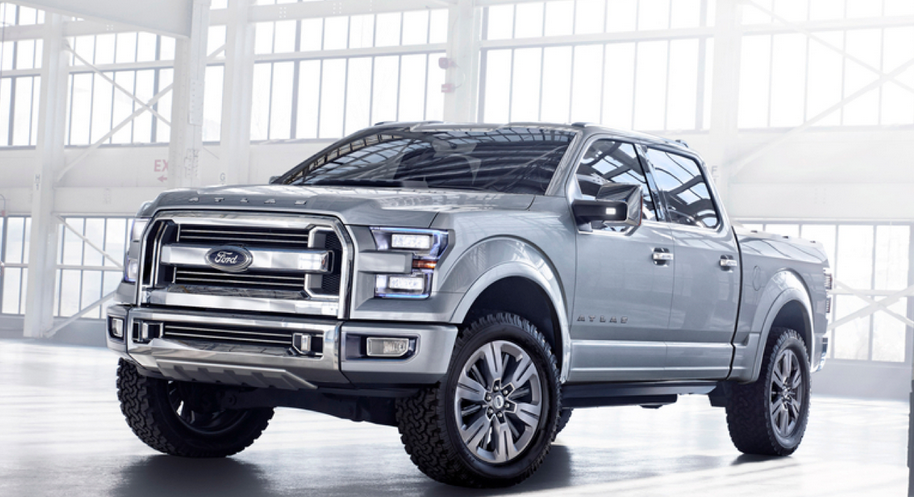
Profitable full-size pickup trucks make up a huge portion of the Detroit Big Three automakers’ revenue. In the last 2 model years, Ford and GM have each released all-new versions of their popular full-size models, leading to an uptick in buyers who were waiting for the new-generation trucks to hit the market. The new-for-2015 Ford F-150 has made a particularly big splash with its aluminum-intensive body, bed and chassis helping cut around 700 pounds of weight when compared with the 2014 truck. While less ground-breaking, Chevrolet and GMC’s newest full-size trucks have struck a chord with legions of buyers as well, thanks to much more fuel efficient engines and comfortable interiors.

Low Fuel Prices

Toward the tail end of 2014 and into 2015, fuel prices hit their lowest levels in more than 5 years, with regular gasoline selling at less than $2 per gallon in nearly all U.S. markets. When gasoline prices go down, consumers tend to drift more toward large, powerful vehicles and away from compact cars and hybrids. The trend toward ultra-low fuel prices appears to be reversing itself, particularly on the West Coast where an explosion at a large Exxon refinery in Torrance, California has contributed to a 70-cent rise in prices in just a few weeks. Still, experts predict fuel should stay relatively affordable at least into 2016.

Luxury Truck Trim Levels

From Ford’s Platinum and Raptor trim levels to the Chevrolet High Country, RAM Laramie Longhorn and GMC Denali, pickup trucks can now be ordered with all the interior luxury and quality of a finely crafted German sedan. This luxury truck segment, with base prices reaching $50,000 or even $60,000, courts a different sort of truck buyer, one who needs the capability of a pickup but will make no compromises in comfort. These trucks, usually offered in crew cab form with expansive interiors, bring conquest buyers that may have otherwise opted for a crossover or luxury car. They are also hugely profitable for the trucks’ producers.

Incentive Wars

The mighty F-150 has been the nation’s best-selling consumer vehicle for more than 30 years. In the lead-up to the long-awaited 2015 replacement’s release, GM and RAM slashed prices and upped the level of available incentives on their own full-size models in an effort to cut into Ford’s market share. The strategy worked, with RAM gaining ground to control 21.3 percent of the truck market in the third quarter of 2014 to over 35 percent when combining totals of the Chevrolet Silverado and GMC Sierra. Whether the strategy of offering up to $8,500 in incentives on a new pickup is sustainable or not is another question, but buyers are the clear winners here.

What can truck buyers look for in 2015 and 2016 going forward? Nissan just debuted its all-new 2016 Titan full-size, offering 12,500 pounds of towing capacity thanks to a powerful turbo-diesel V-8 built by Cummins. Honda will debut its next Ridgeline midsize soon, and Toyota’s updated Tacoma will seek to steal back some of the midsize thunder from GM. Truck buyers have more credible options than at any time in recent memory, and sales are expected to keep flying high.

The information for this article was provided by the professionals of 99 Truck Parts & Industrial Equipment Ltd., who specialize in truck parts in Vancouver, BC.

Six Things To Consider Before Buying A New Car

Whatever you financial situation, investing in a new car is never a small matter. Due to the fact that new cars lose a substantial amount of value the moment they are driven off of the lot, you can never be sure that you are making a sound financial investment without having the right information in hand first. By understanding the right questions to ask at the time of purchase, you can be assured that you are purchasing a winner.

All Charges Considered

Many deals can look very good on the surface. However, hidden charges often abound when it comes to purchasing a new vehicle. Maintain complete transparency when it comes to the price you will be paying by considering every fee that will apply to the deal. Negotiations typically include only the price of the car. Figure out what the total cost will be to drive off of the lot by exploring the fees related to documentation, sales tax, registration, and other hidden charges that are in the interest of the dealer.

The Car You Are Actually Buying

The majority of cars on the showroom floor are outfitted with additional add-ons and options. It is not unusual for dealers to package these extras into the deal in order to raise profits. Insist that all information related to upgrades is disclosed before finalizing the purchase. The most common features to fall into this category include mud flaps, alarm systems, and vehicle-recovery systems. Buyers also regularly encounter “paint-protection” packages and other unnecessary, costly warranties.

Details Matter

It is standard for dealers to charge a fee for documenting the purchase. However, this fee for filling out paperwork related to the purchase is not standardized for all organizations. This fee can range between $100 and $600. Some states cap these charges by law. These charges are negotiable in almost all cases. Address the issue early in negotiations in order to keep your costs to a minimum.

Online Purchases

It is not unusual for buyers today to purchase vehicles through online sources without ever actually seeing the vehicle in person. In these cases, there are several considerations that come into play. Be sure that you are made aware of the number of miles on the vehicle. Not all new cars come with a flawless odometer. It is also wise to explore your options for vehicle delivery. This option can be included at the conclusion of negotiations in order to save a little extra money when it comes to gas and visiting the actual dealership.

Loans and Interest Rates

It is important to know every detail of a dealer-provided loan. Be completely aware of the additional costs and terms of the loan before making all agreements. When looking at the raw numbers, applying for a loan in order to purchase a new car is best done though a neutral, third-party entity.

Stand Your Ground

It is important to let a salesman know that you are prepared to walk away from a deal no matter how good it is on the surface. Ask them directly what the best possible offer is that they can give to you directly. This tactic almost always ensures a better price at the bottom line.

Purchasing a new car can be less stressful with these tips. Consider looking online to read more about the vehicle you are interested in.

Informational credit to Expressway Dodge.

On the Road: How to Stay Safe on Your Next Road Trip

Road trips are great adventures. But whether you know exactly where you’re headed or are going wherever the wind takes you, there are plenty of things to keep in mind for your own safety, and that of your travel companions.

Get Your Vehicle Checked

Before you leave, have your vehicle checked for wheel bearings that may come loose, transmissions that may fail, and anything else that could break down. That way, you can repair what needs to be done before your trip, saving you a potential breakdown. A Colorado hit and run attorney says if your trip will take longer than a week, it is always a good idea to have the numbers of a few local repair places in every city you plan to visit on your journey. You should also carry a spare tire and toolbox just in case you get in a car accident in Colorado or a flat tire along route 66.

Look Like a Local

Don’t advertise your tourist status on your face or your vehicle. Looking confused with your face glued to a guidebook, and leaving a map on the dashboard of your parked car are bad ideas and will show that you are not from the area. Instead, look like a local. Walk as if you know where you are going, be confident when asking locals for information, and keep your maps and travel plans in the glove compartment.

Keep an Eye on Your Belongings

Park your car close to your hotel room where you can watch it from the window. The same goes for when you stop at a restaurant. You may feel silly asking to be reseated so you can be near the window with your car, but it is far better than having something get stolen while you’re eating. If you have valuables you can bring into your hotel room with you from the car, it is safest to keep them with you.

Find the Safest Places to Stay

If you know what cities you will be going to, book your hotels in advance and check the reviews. Don’t book a motel that seems like it’s in a bad area. Take note of any cancellation policies just in case you need to cancel a reservation during your travels. If you don’t know where you’re staying in advance, make sure the lodgings you find during your travels are safe and sanitary. If you find a small motel with a sign that says No Refund for Early Checkout, that likely means they get people leaving in the middle of the night due to unsavory conditions, and staying there may not be in your best interests.

"Brooke Chaplan is a freelance writer and blogger. She lives and works out of her home in Los Lunas, New Mexico. She loves the outdoors and spends most her time hiking, biking and gardening. For more information contact Brooke via Twitter @BrookeChaplan."

Understanding the Ins and Outs of Car Insurance

When it comes to car insurance, you have to have it, but you hope to never have to use it. That makes it important to pay as little as possible for the coverage you need. Fully understanding how car insurance works can help you get the right coverage and not pay too much for it.

Types of car insurance

Liability is the minimum amount of insurance coverage mandated by just about every state and provides coverage in an accident that you cause. If you have a loan on your car, you will be required to carry collision, which covers damages to your car, and comprehensive coverage, which provides coverage for damage caused by something other than a collision, such as hail. Other types of coverage include uninsured motorist, which will cover you if you are hit by a person without insurance or who is underinsured, and personal injury protection, which is a type of coverage that pays for injuries to your passengers.

How rates are set

While your driving record, including how many accidents and tickets you have gotten, plays a big role in what kind of rates you get, insurance companies consider many other factors. Your age, sex, where you live and what type of car you have will help determine your rates. For example, if you are a teenage male, your rates will likely be very higher because statistics show that most severe accidents are caused by young male drivers. Young female drivers also have higher rates, but they tend to be somewhat lower than young males. Other factors that are considered in your insurance rates are the grades you get in school, and if you have already been in an accident or involved in some other traffic violation. Any traffic or accident that you may be involved in can also cause your insurance rates to go up later even after purchasing your insurance. Also note that, some insurers even consider whether you have a high credit score in setting your rates.

Being proactive

While you can’t do anything about some characteristics used to set rates, such as your age and sex, there are other things you can do to pay less. A perfect example of this is going to driving school. Taking a driver’s education course, especially if you are a young driver, will lower your rates. According to North Shore Driving School Ltd., most insurers give significant discounts to drivers who have taken a driver’s ED class or a defensive driving class.

Other ways to lower rates

In addition to taking driver’s ED, there are a number of other things you can do to help lower your rates. If you are a student, getting good grades is even more important than going to driving school. Bundling policies by getting more than one with the same insurance company will get you discounts and save you money on rates. You can also lower the rates you pay by agreeing to pay a larger deductible.

Car insurance doesn’t have to be expensive, and there are a number of things you can do to lower your rates.

Defensive Driving: Techniques to Keep You Safe on the Road

There is always a chance of a serious accident every time you get behind the wheel. Not only are you traveling at high speeds, you also have to keep an eye on everyone else around you. Since so many things can go wrong on the road, the best way to stay safe is to practice defensive driving techniques. While there are dozens of defensive driving techniques, these are the four of the most effective. 

Eliminate Distractions

A distracted driver is far more likely to cause an accident than a driver that is focused on the road. If you regularly eat, talk or text while driving, then it is time to change those harmful tactics. Studies have proven that using a cell phone while driving can reduce reaction times up to 20 percent. Your conversation or meal is not important when you are risking your life and the lives of everyone else on the road is not

Stay in One Lane

It is far easier to remain safe when remaining in one lane on the road. Changing lanes requires you to change your focus, which is always dangerous on the road. You also have to rely on the other drivers seeing you changing lanes, which is always a dangerous proposition. It is impossible to go anywhere without ever changing lanes, but you should do it as little as possible.

Do Not Tailgate

Tailgating the car in front of you is one of the most dangerous things you can do while driving. You need to have plenty of room between cars in case you need to suddenly react to avoid an accident. If you are tailgating and the car in front of you suddenly hits the breaks, then you are not going to have enough time to slow down to avoid hitting them. You should be at least three to four seconds behind the car in front of you on the road, and this number should be doubled during poor driving conditions.

Be Aware of Surroundings

Defensive driving only works if you are looking out for everyone else on the road. A bad driver can always hit your car while you are driving extremely carefully. The only way to constantly stay safe is to keep an eye on your fellow drivers, especially if any appear to be driving erratically. If you are constantly expecting the other drivers to do something dangerous, then you will always be prepared for anything that can happen.

Getting to your destination safely should be your top priority every time you sit behind the wheel. If you use these four defensive driving techniques, then you should be safe no matter what you experience on the road.

Informational Credit to Moses and Rooth, Attorneys at Law