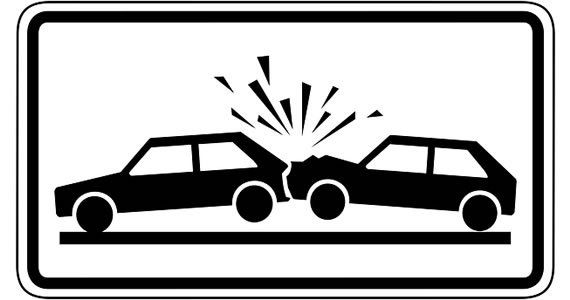
Reasons Why You Shouldn’t Ignore Even Minor Pain If You Are Injured In A Car Accident

Car accidents are serious in nature, and they cause an incredible amount of unfortunate injuries and deaths. If you’ve recently been involved in a car accident and realize you have minor pains and aches, there are plenty of reasons why you shouldn’t ignore them.

The Injury Could Be Serious

Whether it seems like it or not, there is a great likelihood that the minor pain you’re experiencing is indicative of a serious injury. It’s impossible to know what you’re dealing with without the help of medical professionals. Keep your health as a top priority by seeking medical attention right away for even the most minor of pains.

It Might Not Be Chronic

If you’ve had a history of chronic pain, you might feel inclined to brush the discomfort off. However, any pain felt directly after a car accident has taken place shouldn’t be ignored. Talk to your doctor about the types of pain and symptoms you’re experiencing.

You Could Be Stuck with Countless Medical Bills

Should you find in the future that the subtle pain turns into a serious medical issue, you’ll likely be stuck with paying hefty medical bills and prescription costs. It’s incredibly important that you talk to a lawyer early in the process about your options for receiving the compensation for the injuries you sustained.

The Injury Could Lead to Lost Income

If your pain worsens over time, you will definitely run the risk of missing work and losing income. This is why it’s incredibly important to seek medical help for your injuries. Additionally, if you happen to file a suit against a defendant and win your case, any lost income will be restored to you.

Waiting Can Worsen the Injury

When pain is felt after a car accident, one of the worst things you can do is simply wait for it to heal or get better. For example, if the pain is originating from internal bleeding, it won’t take very long for circumstances to take a critical turn. Seek medical help before your injury has a chance to become serious.

Many Serious Conditions Begin with No Symptoms

Lastly, keep in mind that even though you might feel little to no pain, the possibility is high that you’ve still sustained a serious injury. It’s always better to play it safe by consulting a physician about the matters pertaining to your car accident.

Minor pain can always indicate that there is a more serious, underlying health problem. Be sure to see a doctor right away if you experience any type of pain following an auto accident.

Car Smarts: How to Protect A Vintage Collection

Vintage cars have a fan base all their own, and anyone who owns one or more of these collectible vehicles knows all about the passion they inspire. It’s also no surprise that protecting vintage cars and keeping them in the best condition possible is a big deal. Thankfully, there are a few things you can do to keep your cars protected and in prime condition.

Store Them Properly

Oftentimes you can tell a serious car collector from a hobbyist just by looking at how they store their cars. Keeping vintage cars inside is crucial, so make sure you have space in the garage, or build a shop to house them. Just putting a cover over them in the driveway is not sufficient to protect them against the elements. 

Use the Right Supplies

When it comes to cleaning and maintaining your classic cars, you need to make sure you are using the right supplies. This is everything from what you clean the interior with, what you use to wash the exterior, and what you put into the car such as oils and other fluids.

There are a lot of options available to choose from, so picking the right supplies can seem overwhelming. Take your time and do research on what professional car restorers use, as well as what other vintage car enthusiasts recommend.

By taking time up-front to make sure you’re using the right supplies, you’ll save yourself a lot of headache and frustration later. The wrong supplies can damage your car, and nobody wants that! 

Get Professional Assistance

One of the biggest mistakes vintage car owners make is trying to do everything themselves. If you are a mechanic by trade, then you can probably do the maintenance on your own vehicles. But if you don’t know how to properly maintain your cars, hire a professional. 

The same goes for things like needing a tow, or getting locked out of your car. Calling a professional locksmith service in Toronto or a tow company is a much better idea than trying to unlock the vehicle or move it yourself, especially if the company you call specializes in collectible cars. As Davies Lock & Door Services Ltd says, your car is less likely to be damaged if you get professional assistance when you encounter problems. 

These are just a few of the things you can do to make sure your vintage cars are well taken care of and protected. By investing a little time up front, you can ensure your vehicles are in great shape for decades to come.

Teen Driving: What to do When Your Car Breaks Down

There is nothing worse than having your car breakdown on the road. Not only does it make you unable to get to your destination as planned, but it’s also very scary. This is especially true for teenagers. Many don’t know the proper way to react to such an occurrence. Check out some tips for teenagers on what to do when your car breaks down:

1. Get Your Car Off the Road

As soon as you notice that your car isn’t working right, pull over to the side of the road. Remember, most vehicles don’t just stop working altogether. Instead, you usually have a short timeframe where you can drive your car safely off the road. Then, once you get to the side of the road, make sure you put your car in park. Then, flip on the emergency brake and turn your steering wheel in the opposite direction of the road. All these steps will help prevent your car from rolling out into the traffic. You should always put your hazard lights on too. This will alert the other drivers that you are experiencing car issues.

2. Call for Help

Thankfully in today’s society, practically every teenager has a working cell phone. That means when your car stops working, it’s time to pick up your phone and call for help. This can be a roadside assistance business like OnStar FMV or AAA or a local towing company such as Mike’s Auto Towing. Either way, these are qualified individuals who can talk you through your situation and offer advice on what to do next. They will know how to fix this issue so that you remain safe.

Depending on the severity of the situation of when you are pulled over, you might also consider calling the state highway patrol. They will help keep you safe and get you back on the road as soon as possible. Their emergency lights can help slow down oncoming traffic as well and help create safer surroundings. Once you have sent for help, the best thing you can do at this point is get back in your car and wait. Waiting inside of the car is the safest place you can be rather than standing next to it on the side of the road.

3. Let Other Drivers Know Your Experiencing Car Trouble

As mentioned earlier, you want to let the other drivers know that you are dealing with car trouble. Putting on your hazard lights are definitely the first step, but that’s usually not enough to fully get the point across. For instance, you could have simply pulled over to make a phone call. Instead, if you can, get out of the car and put down some road flares. You should put a few of these roughly 50 feet behind your vehicle. Besides this, you should raise the hood of your car and leave it up until help arrives.

Unfortunately when many teenagers experience car trouble, they don’t know how to react. Instead of making the right and safe move, they act foolishly. Car trouble is not something to take lightly. However, with these tips in mind, teenagers will be in good hands when the unexpected happens.

Six Of The Best Ways to Extend Your Car’s Life

Your car is an investment, a prized possession that you would like to have (and use) for a long time to come. To make sure your car stays in top condition for the longest time possible, you’ll need to put in some effort towards maintenance and your driving techniques. The following six tips will help you to extend the life of your car.

Gentle Breaking-In Period

The engine parts in a new car are not yet settled in a way that reduces friction and enables optimal performance. When you take delivery of your new car, you should drive it at less than 75 mph for the first 1000 miles, and not above 100 mph for 3000 miles after that. You should also avoid revving up the engine during this period.

Paying Attention

Whenever you are driving, you should be sensitive to anything unusual in the way your car handles. A specialist with Speedy Apollo Auto Service Centres says this attentiveness can often help you detect problems while they’re still fixable. You should take time to investigate and attend to any strange sound or vibration in the car.

Engine Oil Renewal

Oil is your engine’s lifeline. You need to renew it at the recommended mileage or even before so as to ensure that your engine remains in a prime operating condition. Always go for high quality multi-grade oils.

Essential Fluids Top-up

The essential systems on your car such as brakes, clutch, and power steering, are hydraulically operated and use fluids. These special fluids have to be kept at optimum levels which are usually between the maximum and minimum points clearly indicated on their reservoirs. The automatic transmission system has a dip stick with which you can check the ideal fluid level.

Timely Preventative Maintenance

Preventative maintenance is needed to prevent major mechanical damage from occurring. It deals with issues of your vehicle’s condition and performance while they are still small and forestalls bigger problems.

Drive at Moderate Speed

You might have assumed that a car at any speed suffers the same degree of tear and wear. This is not so. If you have the tendency to drive faster than everyone else, you could be causing your car unusual depreciation. Driving too fast will reduce the life of your car. Always strive to drive at moderate speeds.

You need to develop the above suggestions into subconscious habits. This will help you to improve and extend the life of your car. It might take you some time to adapt but, in the long term, it will be worth it. You will be glad that you decided to extend the life of your car as you hit 200,000 miles and beyond!

Driving Record: Tips for Cleaning Up Your Act

We know by now that an adverse driving record affects how much we will pay for auto insurance. Like credit rating, our driving record may be cleaned up, gaining us the best rates. Here are a few ways to accomplish that goal and make driving a better experience for everyone.

Know Your Record

Does it contain accidents? Multiple tickets? Driving while suspended? Knowing this will help you focus on violations that are your particular issue to resolve. If you have 3 speeding tickets, no one has to tell you to let up on the gas pedal.

Look for Renewals

Get a new copy every year on your renewal date. Entries fall off after three years, except the worst of them, such as DWS and Negligent Homicide. You can learn more here about which strikes against you will count for a while. Time may be just what you need to get it cleared up in time.

Get Enough Sleep

Driving when you are tired or sleepy puts you in a vulnerable position. It is harder to focus on what you’re doing than if you get 8 hours of sleep every night.

Know the Law

Know and obey speed limits, not just patrol car locations. If you don’t know a particular speed in an area, review a driver’s manual. If you are near a school in a residential area, 25 mph is too fast. Slow down.

Keep Your Eyes Open

The most dangerous driver on the road is everybody else—and you. Be aware of who is in front, behind, and beside you. If they get too close, get out of their way. Let them have an accident somewhere else.

Keep Your Distance

Honor the rule of thumb about putting distance between you and the car in front of you. It is 1 car length for every 10 MPH. Most car lengths average around 16 feet. At 20 MPH, there should be thirty feet between you and the car in front. Learn how far that is by checking the distance between cars parked on the street. It’s more than you think it is.

Downgrade Distractions

Keep distractions to a minimum. Do not slide in a new CD, answer your cell phone, or reach over the back seat while driving. If you drop something, leave it where it lands, even if it’s your lunch. Pull over to take care of it later. Caution passengers about distractions, and don’t permit them to continue. That’s why teens can’t ride with teen drivers.

Set short-term goals for yourself. When you’ve reached your goal, put the savings away for that new car or insurance policy you want. But check how much the insurance will cost before you buy it.