All posts tagged car maintenance

Navigating Winter Roads: Protecting Your Car from Sand, Salt, and Ice

winter roads

Winter brings a unique kind of beauty to our landscapes, blanketing the world in quiet white snow and glistening ice. However, for those of us who need to commute or run errands, this season also brings significant challenges.

We rely heavily on the dedicated crews who plow our streets and apply treatments to keep us safe. While we feel a sense of relief seeing a road cleared of snow, the very substances used to ensure our safety can inadvertently harm the vehicles we depend on.

Municipalities primarily use sand and salt to combat slippery conditions. Salt lowers the freezing point of water, melting ice into a brine that prevents new ice from forming. Sand, on the other hand, does not melt ice but provides much-needed traction for tires on slick surfaces.

This combination is vital for preventing accidents and keeping traffic moving. Yet, this safety comes with a trade-off. The abrasive nature of sand and the corrosive properties of salt can accelerate wear and tear on your vehicle. Understanding this balance helps you take the necessary steps to care for your car, ensuring it remains reliable and rust-free for years to come.

The Impact of Road Salt on Your Car

Salt is incredibly effective at keeping roads clear, but it is chemically aggressive toward steel and iron. When road salt mixes with water from melting snow or slush, it creates a saline solution that acts as a catalyst for oxidation, commonly known as rust.

This chemical reaction speeds up the corrosion process significantly compared to water alone. It is not just the visible body panels that are at risk; the most severe damage often occurs where you cannot easily see it.

The undercarriage of your vehicle is particularly vulnerable because it is constantly bombarded by the salty spray kicked up by your tires. This area houses critical components such as the frame, exhaust system, muffler, and hydraulic brake lines.

When salt accumulates in the nooks and crannies of the chassis, it eats away at the metal. Over time, this can lead to structural weaknesses or mechanical failures, such as a leaking brake line or a detached muffler.

Modern vehicles often have protective coatings, but these can wear down or chip over time, leaving the bare metal exposed. Once the salt brine reaches the metal, the corrosion spreads beneath the paint, often bubbling up in what is known as "rust creep." By the time you see the bubbling paint on the wheel well or the bottom of the door, significant damage may have already occurred underneath.

The Impact of Sand on Your Car

While salt attacks your car chemically, sand attacks it physically. The particles used on roads are often much coarser than the sand you might find at a beach. As you drive, your tires—and the tires of the vehicles around you—fling these small stones and grit into the air at high speeds.

The immediate result is often visible on the front bumper and hood in the form of small paint chips. Each chip compromises the vehicle’s clear coat and paint, creating a small entry point for moisture and salt to enter and begin the rusting process.

Your windshield and headlights are also susceptible to pitting from flying sand. Over the course of a long winter, you might notice that your windshield looks sparkling or hazy when the sun hits it directly. This is caused by thousands of microscopic impact craters from sand.

This pitting can refract light, causing glare that makes night driving or driving into the sun more difficult and dangerous. Headlight lenses can similarly become cloudy, reducing the effectiveness of your lights during dark winter evenings.

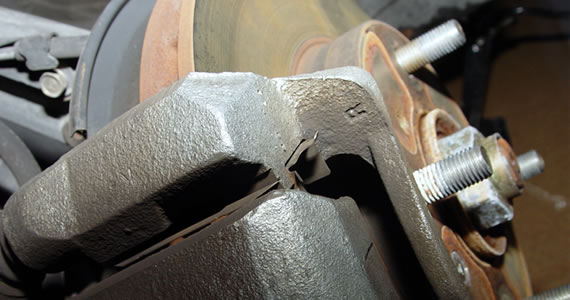
Sand also affects the mechanical movement of the vehicle. The grit can work its way into moving parts, such as brake calipers and suspension components.

If sand gets trapped between the brake pad and the rotor, it can cause premature wear or scoring on the rotor surface. It creates a grinding noise and can reduce braking efficiency, which is the last thing you want when navigating icy roads.

Immediate Steps After Driving on Treated Roads

Taking immediate action is the most effective way to mitigate the damage caused by winter road treatments. Regular washing is essential, even if the car is just going to get dirty again the next day.

The goal is not to keep the car looking showroom ready, but to remove the corrosive accumulation of salt and the abrasive layer of sand. Leaving this sludge on your car for weeks at a time allows the salt to do its worst work.

When washing your car in winter, focus heavily on the areas you cannot see. The undercarriage needs the most attention. Many automatic car washes offer an undercarriage spray cycle, which is highly recommended during the winter months.

If you are washing at home with a hose, spend extra time spraying up into the wheel wells and along the bottom rails of the vehicle. This flushes out the pockets of wet, salty sand that tend to gather in crevices.

Timing your washes is also important. Try to wash your vehicle on days when the temperature is slightly above freezing to prevent doors and locks from freezing shut. If you must wash it in freezing temperatures, be sure to dry the door jambs and seals thoroughly immediately afterward. It is a simple act of care that prevents the frustration of being frozen out of your car the next morning.

Long-Term Protective Measures

Beyond regular washing, applying protective barriers provides a shield against the elements. A high-quality polymer wax or ceramic coating applied before the first snow falls acts as a sacrificial layer.

It fills in the microscopic pores of the clear coat and prevents salt and sand from making direct contact with the paint. This makes it harder for dirt to stick and easier to wash off, giving your car a fighting chance against the grit.

For those living in areas with severe winters, professional rustproofing is a wise investment. There are various options, including oil-based sprays and rubberized coatings. Oil-based sprays are excellent because they creep into seams and crevices where moisture hides, displacing water and inhibiting rust.

These treatments usually need to be reapplied annually. Rubberized undercoatings provide a hard shell against sand abrasion but must be inspected regularly; if the coating cracks, moisture can get trapped behind it and cause rust to form unseen.

Regular inspections are a vital part of winter maintenance. Take a moment every few weeks to walk around your car. Look for new stone chips and touch them up with paint promptly to seal the metal.

Check your rubber floor mats to ensure salty water is not leaking onto the carpet, where it can rot the floorboards from the inside out. Paying attention to these small details allows you to address issues before they become expensive repairs.

Additional Winter Driving Tips

How you drive also impacts how much abuse your car takes. Increasing your following distance is a simple but effective habit. By staying further back from the car or plow truck in front of you, you reduce the amount of salty spray and sand hitting your vehicle. It also gives you more time to react to sudden stops on slippery roads.

Winter tires are another crucial consideration. While they are primarily designed for safety and traction, they also help protect the car. All-season tires can harden in cold temperatures, leading to loss of grip.

When tires slip, they spin, digging down into the sand and flinging it forcefully against the wheel wells. Winter tires remain pliable and maintain better traction, resulting in less wheel spin and less debris thrown against the car body.

Finally, keep an emergency kit in your vehicle. This should include items like a shovel, sand or kitty litter for traction, jumper cables, and a blanket. Being prepared reduces the likelihood that you will have to overexert your vehicle to get out of a snowbank, which protects the transmission and engine from unnecessary strain.

Staying Ahead of Winter’s Challenges

Winter driving does not have to result in a ruined vehicle. By understanding why sand and salt are used and how they affect your car, you can take proactive steps to minimize the damage. It is about consistent, gentle care—washing away the corrosive elements, sealing the paint, and driving with awareness.

Preventative maintenance is always more manageable and affordable than repairing rust damage or replacing corroded brake lines.

Treating your car with a little extra attention during the harsh months ensures it remains safe and reliable for you and your family. It allows you to navigate the season with confidence, knowing you have done your best to protect your investment.

By adopting these habits, you ensure the safety and longevity of your vehicle. You can enjoy the beauty of a winter drive, grateful for the cleared roads, while knowing that once you return home, a quick wash will wash away the worry along with the salt.

image credit: envato.com

Give The Best Of Care And Attention To Your Luxury Car

A car that you buy from your hard-earned money is considered as one of the most special investment and therefore it deserves the best servicing. Volkswagen is one of the luxurious car brands which requires the best car services and deserves no compromise at all. So, one will need a car specialist that can be trusted to deal with your car with care. Even though there are many auto services available; however, there are only a few of car servicing companies who offer the best standards and quality for the car.

Volkswagen service involves a vast range of checks; among them express visual check is considered as the most important one as it includes a 34-point check. Irrespective of the age or condition of the vehicle this check is offered to all customers of Volkswagen. The areas that are checked are listed below:

  • Air conditioning
  • Air filter
  • Brake fluid
  • Brake pads and discs
  • Battery
  • Tyre
  • Shock absorber
  • Petrol engine spark plug
  • Four wheel alignment
  • Bulb checks
  • Constant velocity boot
  • DSG transmission oil and filter

All these checks should be carried out on a regular basis so that the car can perform better and stay in perfect condition. For getting Volkswagen service one should hire the trained technician who can carry out the recommended service that is customized for the car. These technicians have well equipped workshops as well as the modern scanning equipment that are required for the servicing of the new generation cars. They also have the dedicated services of automotive control technology that also make sure the supporting of fast fault analysis, the resetting of service lights and other refined services.

Even though servicing the car is not a legitimate requirement; however, getting the car serviced on a regular basis can provide a lot of benefits which are mentioned below:

  • It helps in determining the potential problems that the car may face in future and thus prevents the customer from making lots of expenses in future.
  • As the human body requires regular checkup to prevent ailments similarly, the car also requires regular servicing so that it can stay healthy and can give optimum performance to the customers.
  • It has been found that regular car servicing can help in enhancing the fuel economy.
  • The car’s resale value can be maintained with regular servicing. The second-hand market of the car is quite competitive and in order to attract more buyers and to get best selling price; it is very important to get the servicing of the car done on regular basis.

Thus, it becomes inevitable to get the car serviced on regular basis or as mentioned by the dealer.

The best Volkswagen service experts are qualified and they are registered so that they can render a high quality and level of service for the customer. They are the ones who use approved oils for the service of the car. In order to get the best Volkswagen car specialists one must conduct a thorough investigation and survey the reviews of these car servicing specialists or service stations.

Before getting the services, it is important for the customer to check into the certificate and registration details of the individual who would be servicing the car. One can also refer to their track records and meet them individually to ensure that your car is being worked upon by the right person who knows and understand your cars requirements.

 Today, there are many Volkswagen service centers available across the world; all of them offer genuine Volkswagen parts and services. But be careful of service centers that are not authorized by your cars brand. They may dupe you by using duplicate spare parts. Therefore, opt for a Volkswagen service center, which is dependable and has been providing service for many years and offer only the genuine auto parts.

Author Bio:

Joseph Webb is an excellent blogger and philosopher, His keen observation to provide useful information which helps readers to get more idea. Follow him on social media at @aussiesmag, and +JosephWebbs and Facebook.

Keeping it Up: Six Habits to Maintaining Your Car

Besides car washes and quality gas, it’s important to practice a few other steps to increase the longevity of your vehicle. It will not only lead to less mechanical issues, but can also increase the overall value of the car. Use these habits of maintaining your car for better performance value.

Replace the Fluids

Check the transmission fluid with the engine running and replace it every 100,000 miles or when the oil becomes murky or dark. The brake fluid, coolant, and windshield wiper fluid should also be checked at the same time and replaced when low. You can find all these liquids at your local auto parts store. Consult your owner’s manual or sales associate to make sure you get the best product for your particular vehicle.

Change the Oil

Change the car’s oil every 3,000 to 3,500 miles to maintain a clean and efficient transmission. The oil is often considered the blood of the vehicle, making it important to refill if the level drops below the line on the dipstick. You can change the oil yourself with proper instruction, or take it to the mechanic for oil change and tune up.

Detail the Vehicle

The interior of the vehicle should be maintained with frequent cleaning and vacuuming once a week. Both the interior and exterior should be detailed once a year to remove minor scratches, stains, and grime that has built up with use. The nicer your car looks, the easier it will sell.

Replace the Brakes

To maximize your brakes’ efficiency, have them replaced by a professional once they begin to wear or squeak. The brakes should be checked at least once a month to prevent them from failing. If you start to hear strange squeaking or grinding noises, or have to stop farther back, it is time for the breaks to be inspected.

Check the Tire Pressure

Check the tire pressure once a week with a tire gauge when it’s cold outside to prevent heat expansion with the air. Look in the owner’s manual for the recommended PSI that is specific to the vehicle. If you’re tires are low, you can typically fill them with air at your local gas station. If your tires are regularly low, there may be a leak that needs repair.

Replace the Air Filter

Replacing the engine’s air filter is crucial to protecting the engine from debris, while also providing enough oxygen. Inspect the air filter every few months and replace it when it begins to look clogged to ensure it still works to efficiently catch bugs and leaves that get close to the engine.

With some extra TLC, it’s possible to extend the life of your car and improve the overall condition. By staying up-to-date on the fluids and checking the tire pressure, it’s possible to ensure a smooth ride and get more out of your car for a clean and efficient vehicle.

Information credited to Honda Barn Hampshire Honda service.

Inspection Smarts: Tips to Stay on Top of Your Car Maintenance

Expensive automobile repairs can be avoided by applying street smarts in the care and maintenance of your vehicle. You don’t have to wait for the next giant breakdown to get some work on the car done. Simple techniques and routine tasks by the owner can keep any vehicle in excellent condition. Use these preventative and maintenance measures to keep your car in good shape for any kind of road.

Checking Under the Hood

Always check the oil level, brake reservoir, power steering fluid, coolant level, and transmission fluid every week. Routine maintenance under the hood can save auto owners costly repairs. Check under the auto where it is parked for leaks. Make a habit of raising the hood during fuel stops to check for low fluid levels. Make sure you are regularly getting oil changes in north Vancouver or a local shop that can check all the parts of your car and do updates and inspections at a discount. Make sure you also make time to get these refills done before any long road trip.

Excessive Tire Wear

Keep the tire pressure at correct PSI levels for the auto. Many vehicles list the appropriate amount of tire pressure inside the driver-side door panel. Hot and cold conditions can make the pressure in tires vary over time leading to increased tire wear and fuel costs. Tires with low tread cost the automobile owner more money in gasoline mileage and excessive wear on brakes, including rotors. Checking air pressure in tires once a week will save vehicle owners money. Replacing older tires with low tread wear will help make driving the vehicle safer. This is a step that can be done every other time you get gas to make sure your tires aren’t being deflated.

Abusive Driving

Driving a vehicle extremely fast is tough on standard automobile engines. Many cars boast high horsepower output but in reality, the vehicles are simply designed for normal driving. Drivers that abuse the vehicle by driving at high speeds on the highway, jackrabbit starts, and quick stops at city red lights are adding additional costs from excessive wear on the vehicle. Learn to control the urge to treat the vehicle as a racecar.

Read the Owner’s Manual

The booklets supplied with the vehicle contain important information on that model. Always study the material in those handy booklets for additional information about the auto. These manuals give detailed information on driving, maintenance, and exterior care of the vehicle.

Additional Tips

Every car owner should know what warning lights show on the vehicle. Most autos have temperature, brake, oil pressure, battery or alternator and check engine warning lights. Learn where these lights are in the manual supplied with the vehicle. Replace old windshield wipers once they show signs of wear, including streaking on the windshield. Losing a wiper during a thunderstorm can be hazardous.

Keeping vehicles in excellent operating condition can add many years to the life of the auto. Make routine maintenance a weekly ritual to increase value and dependability of the vehicle.

This article used information from Minit-Tune & Brake Auto Centres about tire care and checking for tire wear.