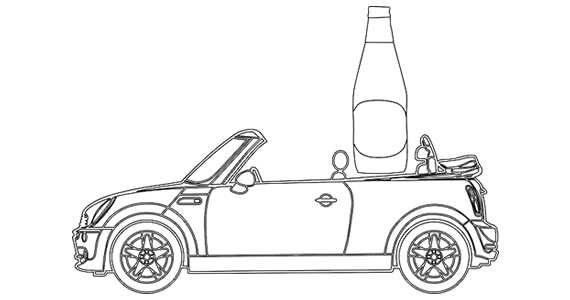
Road Safety: Ways to Improve It

All of us drivers are very well aware of how rapidly the number of vehicles on the roads increase on daily basis. Not only the traffic is becoming more frequent, the speeds are increasing too, either due to people always being late or faster and faster cars being produce. Regardless of the cause, staying safe on the roads should be everyone’s priority. This is a team effort and each and every driver needs to contribute. Therefore, here are several suggestions on how to improve road safety applicable to all kinds of vehicles and driving experience.

Buckle up

Make fastening your seatbelt the first thing you need to do before turning the engine on. And do it every time you drive. Every time. It does not matter whether you are going for a long ride or merely around the corner to get some eggs from the nearby shop. Seatbelts save lives and it is the least you can do for your personal safety. After all, how can you expect someone else to look after you when on the road if you fail to do such a simple thing as fastening a seatbelt is.

Slow down

Yes, another no brainer, most of the drivers would say. Then, how come there are so many fatal accidents with speeding as a cause? Risking yours and other people’s lives just because you are late for a meeting or want to get to the show five minutes earlier makes absolutely no sense. Furthermore, if the sign says 50, or 70, or 90 for that matter, it does not mean that you have to drive as fast. Relax, slow down 5 mph and immensely improve safety by this simple action.

Keep your eyes on the road

Do not text and drive, do not talk on the phone unless you use a hands free kit and do not reach for a sandwich at a glove department. Keep your eyes on the road at all times. You need to be aware of everything that is happening on the road, sometimes you will have to react to other people’s mistakes. Furthermore, proper road line marking makes a world of difference and is very helpful in improving road safety. There is nothing worse than an unmarked road on a dark and rainy day. Therefore, keep your eyes open.

Have a clear mind

Driving under the influence of alcohol or any psychoactive substance is an incredibly risky activity. Your reflexes, vision, orientation abilities and motor skills will all be highly influenced and the odds of being involved in some kind of an accident will skyrocket. Relying on the false feeling of supremacy that occurs in a large number of cases when alcohol and drugs consumption is in question lead to too many traffic accidents. Do not be a part of that lethal circle, drive with a clear mind and blood.

Take breaks

Remember the rule, two hours of driving demand at least a 15 minute break. Stop for a cup of coffee, stretch your legs or drink some water or juice, whatever recuperates you best and only then continue to drive. Also, before going long-distance make sure you have a good night sleep. That is an absolutely required precondition.

All these suggestions may seem familiar and common knowledge, but not implementing only a single one of them enormously increases a chance of an accident. Driving is a responsible activity and should be treated as such.

Having a Say in Your Fleet’s Upkeep and Repairs

Companies that employs fleets of commercial vehicles have the daunting task of keeping every last one of their cars and trucks in good condition at all times. You must take care of every aspect of maintaining these vehicles, from scheduling routine maintenance to buying components like autobody parts.

Despite technically being in charge of your fleet’s upkeep, you may feel like you have little control over what kinds of components are actually used in the routine maintenance and repairs of your cars, medium trucks, and heavy duty diesel vehicles. When you want more of a say in how your fleet is serviced, you can begin by partnering with a company that gives you this creative control.

Forming a "Parts" Partnership

As you look at the company’s website, you may realize quickly that it utilizes various molds with which to create the parts. When you shop with a local dealer, you may have to put up with that dealer having access to only one or two molds. The dealer also may simply get the parts from another wholesaler in the area. You would have no idea how the components were made or from what material they were crafted. The company that you for a partnership with, however, explains upfront how the parts are made and from what materials you can choose to craft them with for your vehicles. This amount of control can help you have the confidence you need to present to your own clients.

What If You Have Questions

If you are unsure of what kind of material to use in the parts’ creation, you can feel more confident about it by speaking with someone from the company itself. You can use the contact option at the top of the page to reach out to someone online. You can also find the physical address and phone number provided on the website. Speaking with someone from the company can give you the insight you need to learn more about the materials and choose the one that works best for your needs.

You can also find out what systems in the vehicles for which you can order parts. For example, if you are more concerned about the power train in your fleet trucks, you can start by creating those parts first. When you want to have a fleet about which you can feel confident, this partnership can help you stay in control.

Bucking the “Scam” Trend: 5 Reasons to Buy Used Cars from Dealers

Purchasing a used vehicle is quite a different process than purchasing a new vehicle with variables such as the current status of the title, miles on the drivetrain, unseen mechanical issues, and cosmetic problems. While it may seem appealing to haggle down prices with a private seller, there are some compelling reasons that car dealerships are selling more new and used vehicles per year than ever before.

Rigorous Inspections

Finding a vehicle that is safe and mechanically sound should be a buyer’s priority. Unlike purchasing a vehicle from a private party, used car dealerships must adhere to strict laws when it comes to inspecting a vehicle and notifying the buyer of any mechanical issues. This means that you will have a much smaller chance of being cheated or sold a lemon.

More Options

Contacting and meeting with dozens of private sellers can turn into an expensive and time-consuming affair. Instead of only looking at one car at a time, dealerships give buyers the opportunity to look through a wide variety of cars within their price range before making a final decision.

On-Site Financing

Heading into a local bank or credit union to get pre-approved for a loan or financing plan is just one more unnecessary step in this process. Instead, buyers can browse through the cars at the dealership, like Autobank of Kansas City, and be approved for a loan or financing on the spot. Many dealerships offer loans no matter one’s credit score.

Instantly File Paperwork

Figuring out the paperwork when buying or selling a used vehicle is not always an easy task. Many private sellers will simply sign the pink slip and then assume that the buyer will take care of everything else. It is in a dealership’s best interest to make sure that all paperwork is completed before the buyer drivers off the lot.

Warranties

Once the pink slip has been signed over, private sellers have almost no obligation to ensure that the vehicle continues to work properly. Dealerships, on the other hand, typically provide at least some type of warranty on new and used vehicles so that buyers can be confident in their purchase.

Finding the perfect used car will generally be much easier when going through a dealership. Those that want to get the most out of every dollar they invest in their next vehicle must ensure that it is carefully inspected, backed by a warranty, and from a reputable dealer.

6 Signs Your Auto Accident Wasn’t Your Fault

The aftermath of a car accident can feel disorienting and unsettling, especially if the wreck resulted in injuries to you or extensive damages to your vehicle. Whether you’re reading this article at the scene of the accident or while waiting to speak to an insurance representative, one of the most important characteristics you must identify is legal fault.

You should never admit fault for an accident, since this can lead to penalties regardless of the veracity of the statement. But how can you know for sure that you weren’t at fault? Below we list some common indicators of fault.

1. The Other Driver Admitted Fault

Most insurers and legal professionals recommend not admitting fault after an accident. If the other driver willingly admits fault, either he or she has never heard that advice or he or she really is at fault.

2. Witnesses Place Fault with the Other Driver

Witness statements can hold a lot of sway in accident claims proceedings. Listen to the witnesses talk to each other and the police. If they actively identify the other driver as the accident’s cause, you probably aren’t at fault.

3. You Didn’t Have Time to Brake

If you saw the accident coming, but didn’t have time to brake, you may not legally be at fault. However, this depends on your state and local laws. In some areas, braking does not affect assignment of guilt. Contact attorney Jonathan Groth for more information on Milwaukee accident laws.

4. You Didn’t See the Accident Coming

If you were blindsided, chances are good the accident wasn’t your fault. However, this is not the case if you caused an accident by neglecting your duties as a driver.

5. You Were Hit from Behind

In some states, if a driver is rear-ended, he or she is never considered legally at fault. If you were hit from behind, this law may apply to you.

6. You Were Not Issued a Ticket at the Scene

While this rule is far from universal, you may not be at fault if the police issued a ticket to the other driver at the scene, but not to you. Keep in mind, however, that the police do not issue tickets after every accident.

If you don’t know whether or not you were at fault (or you were wrongfully blamed for the accident), talk to an accident attorney. He or she can help you determine your rights, your legal responsibilities, and the compensation you are due.

How to Best Prepare and Maintain Your Vehicle on a Long Road Trip

Road trips are a fun way to see a lot of new places in a short amount of time. You can drive through small towns, winding countryside, and fun landmarks on your way to a big city. If you’re planning the road trip of a lifetime (across the country, perhaps) it’s important to prepare your car for the long haul ahead. Nothing is worse on a road trip than a broken down car in the middle of nowhere.

Check the following items off your list before setting off into the sunset.

Clean and Organize

You’ll be spending the next week or two basically living in your car. While the prospect sounds adventurous, prepare the inside of your car to avoid stress and lost items. Make a spot for trash, luggage, easily accessible snacks, maps, and phones.

Inspect Tires

Your tires take a lot of wear and tear when you drive long distances in a road trip. Inspect your tires to avoid a blowout on the highway. Look for uneven wear and thin treads. You can stick a penny upside down inside the tread. If you can see Lincoln’s entire head, your tread is low. Make sure the tires are properly inflated, as well.

Replace Windshield and Wipers

You may be holding out to replace a cracked windshield for a time when you have more cash to spare. But road trips have a tendency to throw small rocks up into your windshield. You don’t want a windshield to crack and break while you’re on a trip, so take care of that now. While you’re at it, replace your windshield wipers so you can drive safely in rainy weather.

Top Off Fluids

Your car can’t run properly without the help of a bevy of fluids. Check transmission fluid, wiper fluid, engine oil, and coolant to see if they need replacement or topping off.

Prepare for Emergencies

Always prepare for the worst when setting out on a road trip. Have an emergency plan in place in case you get stranded at night and need to be rescued. Have a tow truck number on hand, put a jack in your trunk, and keep extra car fluids back there, as well. If you encounter small problems, you’ll have the tools to fix them yourself. Otherwise, you’ll be able to easily contact a towing company to get you out of a bind. It’s important to find a company that is quick to respond, according to Big Lake towing experts.

When you prepare your car for a road trip, always talk with a mechanic to make sure big problems won’t happen while you’re away. When you’re prepared, you can properly enjoy your road trip without fear of a break down.