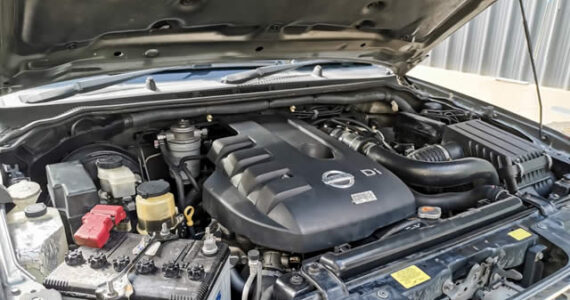
4 Auto Maintenance Tips to Keep Your Car in Great Condition

car great condition

The most effective way to avoid car trouble is to keep your vehicle maintained. All of its many parts work together as one unit and when something needs attention, there could be a ripple effect throughout the vehicle. Staying on top of its condition by paying attention to these four areas will help keep it running trouble-free.

Oil

Nothing is as important as the condition and quantity of the engine oil. How often you need to check it depends on how much driving you and the kind. City driving is more stressful on the engine, and if you that’s the bulk of your driving, check it every other time you fill the gas tank.

Your car’s manufacturer may recommend when to change it, which may range between 3,000 to 6,000 mile intervals. Over time, oil breaks down and loses is lubricating properties. If it’s starting to get dark, it’s time to change it.

Air Filter

The air filter is another component that protects the engine. It keeps dust and dirt out of the engine where it can do serious harm. The experts in the service department of your Subaru dealership routinely check the air filter when you bring in your car. How often it needs changing depends on how dusty the driving conditions are. If you drive exclusively on paved streets and roads, you won’t need to replace the air filter as often as someone who also drives on unpaved surfaces. A dirty air filter won’t be able to provide enough air for engine combustion, which causes poor performance.

Battery

The battery is in plain sight in most vehicles and yet it’s so easy to ignore. Most batteries sold today don’t require additional water, but the battery terminals and cables do. The corrosion that builds can slow down the transfer of electricity into and out of the battery, which could lead to a dead battery or a stalled car. Whenever you open the hood, glance at the battery. If you see that there is a buildup of a white powdery substance on the terminals, remove it using baking soda and water or take it in for service.

Tire Pressure

Low tire pressure not only wears them out faster, it also decreases gas mileage. Look at the tires every day. If they seem lower than usual, check them with a pressure gauge, something you can find in the automotive section of big box or auto parts stores. The tires have the recommended amount of pressure stamped into their sides. Too much pressure isn’t safe, especially during the summer when the heat on roads builds. You could have a blowout at higher speeds.

Routine maintenance is a big part of owning a car. Without it, costly repairs will be more common and its fuel consumption will increase. The best way to keep operating costs low is to tend to the components on a regular basis.

Left in the Dust? 3 Typical Vehicle Problem Indicators and What to Do About Them

vehicle indicator

One of the worst experiences to have is to be left stranded when your car breaks down. Manufacturers put warning lights in the computer systems of vehicles so that you can see a problem before it becomes a car stopper. These are three common warning lights and what they mean for your car’s future.

Tire Pressure

All newer vehicles have a tire pressure monitoring system that assesses the amount of air in the vehicle’s tires. If your TPMS light turns on, it means that you are losing air from one or several of your tires. Some systems will tell you the specific tire that has the problem, and others won’t. You must fill the tire or have it checked out so that the repair shop can fix it immediately.

This problem requires quick action because you can lose all of your tire pressure in a matter of minutes if the leak is bad enough. If you’re unsure if your tires need air, check the pressure with a tire pressure gauge. Tire pressure should never be just “eyeballed” unless completely flat.

Automatic Gearbox Light

Your automatic gearbox light has a little picture of a gear with an exclamation point inside of it. If you see this, it means that there is a serious problem with your transmission system. You could simply need to put fluid in your transmission, or you may have a more serious problem such as wear in the line, a broken flax plate or something else. You need to have your vehicle examined shortly after you notice any indicators. Grinding, shaking, burning smells, odd sounds, trouble shifting gears, and more are all signs of gearbox and transmission problems.

You could completely destroy your transmission if you continue to operate the vehicle as is. What you can do is visit your local transmission and gearbox repair specialists who have years of experience working on that specific part of the car. They can get your vehicle back to normal functionality quickly so that you can keep using it for your household.

Engine Oil

The engine oil light comes on when you either need to change your oil, or your car has lost a significant amount of oil. Lack of an oil change can leave dirty, sludgy oil in your car that can tear down its intricate parts. A lack of oil can completely seize your motor. Take your car to a repair shop immediately if you notice any leaks coming from your vehicle. Add a little oil right away if it’s low.

Now you know a few common lights that let you know if your car has problems. Tend to them immediately and prevent yourself from getting left in the dust.

image credit: Pixabay

Remember the Essentials: 4 Things to Consider When Buying a New Family Car

family auto

When enjoying your bachelorhood, one of the first vehicles you are likely to buy is a sporty car. After the babies come and the family becomes bigger, you could consider buying a family-friendly vehicle. There are four things you might need to look into when purchasing a new family ride.

Safety

When you were all about the road trips and fun, you wouldn’t even have airbags running through your mind. As parents, you want to keep your little ones safe, especially when traveling. You might want to go through a checklist and look through the features and functionalities in the new car. Ensure that there are side curtain airbags, all-wheel drive, a rear-view camera and safety additions. Conduct proper research before shopping for the new vehicle. You can also seek recommendations from a Chevy truck dealer. Some sites will even list cars that have the most advanced safety features and ratings.

Size Matters

Today’s standard personal cars can even hold up to eight-seat capacity. Depending on how large your family is, or how huge you plan to expand it, you may want to put this factor into consideration when buying a family car. If you have a baby, you will consider having a more spacious car that will fit in the baby car seat as well as luggage for the baby. For instance, if you have more than two kids and probably one coming along to add up to three, a mini-van or a huge SUV would work perfectly for you. Also planning ahead will save you from the struggles of changing cars.

Budget

Purchasing a new car is not an overnight decision. It requires you to have a deep thought about finances before deciding what sort of car you will bet on to serve your needs. It is important that you research on the maintenance costs, how frequent it demands the maintenance practices, fuel consumption and any other monetary needs attached to the vehicle. If it fits your budgets, then you are good to go.

Location

How is your surrounding? What is the prevailing weather condition? You want a car that guarantees convenience regardless of the weather conditions. If you live around places with difficult terrain, it would be advisable to choose an all-wheel-drive vehicle. If gravel roads are common, you will need a new car with additional ground clearance and great tires.

Giving kids the best is in every parent’s wish list. A little research on what car would best suit your family needs is quite important.

The Essential Guide to Protecting Your Car from Extreme Conditions

protect car, extreme conditions

Extreme weather conditions can be scary experiences for many people. They can also be expensive experiences if your car is left to battle the elements without protection. There are different ways to protect your vehicle for each type of extreme weather condition.

Snow

Snow is a frustrating obstacle that plagues three months on average out of your year. Ice and snow covering your vehicle are time-consuming issues that you experience during winter weather. Heated windshield wipers will keep your windshield from freezing over. You can also invest in a windshield washer heater to heat your windshield washer fluid to help melt ice. Of course, a frozen windshield is the least of your problems when facing severe snow. Slippery roads from ice, slush, or even just powdery snow on the surface can cause you to lose control of your vehicle as your tires lose grip. Snow chains and tires, therefore, are important for those who frequently drive in snowy conditions, especially in mountain areas where the snow plows don’t always get to before you do.

Hail

Hail is a weather condition that can cause severe damage to your car. It can shatter your vehicle’s windows and dent the frame. There are multiple ways that you can protect your car from these damages. If your car is parked at home, keep it inside the garage. If you don’t have a garage, throw a heavy cover over your vehicle as an added layer of protection. If you’re driving your car during a hail storm, try to pull into a large parking garage or park under a nearby tree. Should your car become dented or damaged in any way, look into auto hail damage repair shops in the area, especially for any severe dents or cracks in your windshield.

Sun

Drivers who live in desert or other extreme-sun areas understand the severe and persistent damage that constant and direct sunlight can cause to vehicles. It can cause the interior upholstery of a car to fade and will bleach the paint on the exterior of a car. More than cosmetic damage, however, direct exposure to sunlight will also cause the inside of your car to become unbearably hot. This can actually melt or warp plastic and leather surfaces, and even cause damage to the inner workings of your car at certain temperatures. A car cover will filter out damaging UV rays, and a tarp over the top will shield the metal of your car from turning your vehicle into an oven that cooks itself from the inside-out. The added shade provided by covers can also protect your tires from melting on the pavement.

Wind

Extremely windy conditions, like the ones created during a hurricane, tornado, monsoon, or other extreme weather can utterly destroy your car. Trash, street debris, and other items can be blown into your car or through your windows. Vehicles should always be stored in a garage during extremely windy weather. If that’s not an option but you know an extreme storm is coming, try to shield it by parking it along the side of your house that can shield it, at least partially, from the wind, and find secure chains and tarps to provide protection and security to your vehicle during the worst of the wind. If you are facing these extreme winds, it is also extremely important that you not drive during them, as the wind can actually knock your car over or force it off-course.

A car is a very important and expensive investment that needs to be properly protected. While extreme weather conditions don’t come up every day, they can often come up unexpectedly and cause severe damage to your vehicle. Tarps and covers are great ways to protect your vehicle from damage and should be purchased in advance, along with other weather-specific driving equipment to prevent costly repairs later on.

4 Easy Ways to Increase Your Car’s Lifespan

auto lifespan

A vehicle is an investment and as such, it should be treated with respect and maintained regularly to keep it running optimally. If you don’t want to shell out money to the repair shop or prematurely be forced to buy a new vehicle, you’ll want to take the steps necessary to increase the longevity of your car, truck, van or SUV. Here are four easy ways to increase your car’s lifespan:

Have the oil changed according to schedule

The manufacturer’s handbook suggests when you should take the vehicle in to have its oil replaced. Most dealers and auto body shops use stickers that are dated to help you keep track of your next scheduled appointment. Once you’ve driven a certain number of miles, do the right thing and have the oil changed.

Lighten your load

Take everything out of your vehicle that doesn’t need to be in there long-term. Doing so helps your tires get better traction and prevents you from wearing out the auto too quickly. If your trunk serves as a mini storage unit for your stuff, do yourself a favor and put it somewhere else.

Keep circuitry in excellent working order

A hermetic circuit board sealer can be used to prevent future electrical problems from occurring. It’s a fix that many people don’t think about but could have done to their vehicles as a way to increase the auto’s longevity.

Don’t ignore unusual sounds, smells or sensations

Instead, take the vehicle in and have it diagnosed. Occasionally a large problem can be averted with quick thinking and action. You won’t spend a fortune having a costly repair done because you were smart enough to take care of the issue before it worsened.

Getting to know the manufacturer’s recommendations for care is ideal because it prevents you from destroying your car by operating or servicing it improperly. You’ll learn to look for warning signs suggesting that your vehicle needs a part repaired or replaced. You won’t drive it into the ground before it’s even had a chance to age.

Increase your car’s lifespan quickly and easily by following the tips listed above. Not only will it decrease the amount of wear and tear your vehicle receives, it also saves you time and money in the long run. You won’t be forced to make costly repairs to revive a dying car nor will you be out the hours it takes to arrange for alternate transportation or to fill out an application for financing on a new auto.