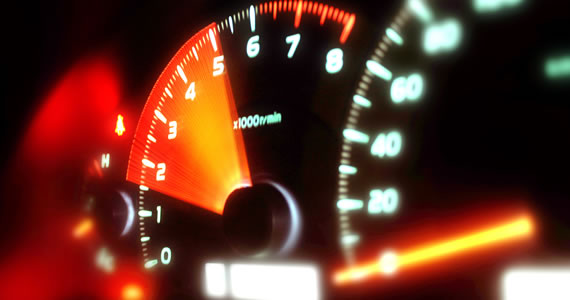
3 Simple Steps to Interpreting Your Car’s Warning Lights

Failing to take appropriate action in response to a dashboard warning light can result in far more extensive problems and more costly mechanical repairs. Vehicle owners who wish to stay on top of their maintenance efforts or who are seeking to reduce the repair costs associated with operating their car or truck would be wise to learn how to correctly interpret their vehicle’s warning lights. From simple fixes that can be undertaken when you next stop for fuel to more serious issues that may require assistance from a technician, knowing what to do when your warning light turns on can make a key difference. 

Dashboard Warning Lights Can Alert You to Many Mechanical Issues

Dashboard warning lights are designed to alert owners to potential problems and situations that may require attention. With lights able to signal everything from low fuel and oil pressure to more serious problems with a vehicles engine, knowing how to interpret them is never a concern that should be left to chance. While a fuel status warning may simply mean you are overdue to stop at the pump, an oil pressure light or a check engine warning, especially in the presence of other mechanical issues or problems, may indicate that your vehicle requires immediate repair. 

Spotting a Serious Problem and Taking Prompt Action

Your vehicles engine has a number of sensors that monitor performance. A check engine warning light means that your vehicles engine control unit, a sophisticated on-board computer that monitors and regulates performance, has detected a problem. Delaying a service appointment or ignoring a check engine or oil pressure warning light can result in catastrophic damage to your vehicles engine, often requiring far more expensive repairs to remedy. According to Hackney Auto Repair , taking prompt and effective action when your warning light indicates a potential problem will ensure that you are able to address any issues before they develop into problems of a more severe nature. 

Learning More About a Specific Make or Model 

With a range of different warning lights depending on the make and year of your vehicle, referencing your owner’s manual in order to familiarize yourself with the layout and dashboard features of your car or truck can be most helpful. Speaking with a professional mechanic or an experienced repair technician may also alert you to any issues or potential problems that may be specific to your vehicle. Ensuring that your ECU, sensors, and warning lights are all operating correctly and learning how to respond to any warning light on your vehicle will allow you to reduce the risk of a more serious problem, issue or mechanical breakdown that could end up placing greater strain on your finances.
The Top 5 Ways To Add Style To A Car On A Budget

Getting a car can be a joyous occasion. It can feel like you have the world at your fingertips, and all you have to do is turn the ignition and get on the open road. However, not everyone is lucky enough to have a vehicle that looks as great as they may want. Luckily, you don’t have to have a car that’s out of your budget to roll around in style. Here are the top five tips for adding style to your car, even when you are on a budget.

Clean It Up

It might sound so obvious that you don’t even comprehend the value of it. But cleaning your car is something that can really make your car look better and have more style. If you have left over food, dirty clothes, or just general trash all over the place, your car will lose all of the potential it has. But by cleaning it up a bit, you can quickly add some flair to it, and it won’t cost you much to do so. Simply take the time to vacuum your seats and floors, wipe down the doors and the center console, and make sure that after clean the outside you apply a nice layer of wax to make it look brand new.

Add New Seats

If you add new seats on your own, all you have to consider for the payment is the price of the actual unit. You won’t have to pay for installation, since you will be doing that all on your own. Having a new pair of seats in your car will not only make your vehicle look more stylish, but it’ll also be more comfortable as well. And if you don’t want to get entirely new seats, just add seat covers instead. This small little addition can have an enormous effect when it comes to the overall look of your vehicle.

New Wheels

New wheels can be the perfect accessory for your car. Whether you have an every-day driver, a car you only drive on weekends, or something that you like to race up and down the streets, new wheels can greatly increase the performance of your vehicle, as well as the overall appearance. Online stores, such as Autopart UK, can provide you with a wide variety of different selections that you more than likely will not be able to find locally. These same stores might also be able to provide you with customized products that can truly add a bit of personal style to your car.

Stereo System

If you enjoy listening to music, the center console may be the most important part of your vehicle. A nice control panel will cost you a small amount of money but it will help to give a modernized and clean look to the inside of your car. You can also get subwoofers and an amp for the back of your car, which will add some serious bump when you are listening to your favorite music. Satellite Radio is also a great option for your new stereo system in your car, especially since this great option costs a negligible amount every month and it provides you with an enormous amount of music.

Running Boards

Running boards typically look best on a large truck or vehicle that can be somewhat difficult to get into. However, you can also put running boards on a smaller vehicle to add flair to the body of the car. Running boards are also great in geographic locations where the weather can get messy, so you can wipe your shoes off before you get in your car.

You can make your car look great with just a few changes. Consider the tips on this list to get your car looking stylish, without having to pay and arm and a leg for it.

Five Minor Car Problems You Should Never Ignore

Keeping a car in good condition requires constant updates and care on your part. While it’s obvious when you need some major repairs, there are some minor problems that are just as important to take care of quickly so it they don’t get worse.

Worn-out Windshield Wiper Blades

Wiper blades are irritating when they begin to wear out. However, when you are stuck in a rain storm, the problem quickly turns into a serious hazard on the road. Remember that blades don’t only wear out from extended use. Long hours baking in the sun, or turning them on when snow and ice is built up on them can do just as much damage. Check your blades if you haven’t used them in a while or if bad weather is in the forecast.  It doesn’t hurt to carry a replacement set in the car for emergencies.

Low Fluid Levels

One of the best maintenance chores you can do for your car is check the oil regularly. When the oil level gets too low, the moving parts of the engine suffer increased friction and wear. If you lose all the oil, your engine will seize up and and you’ll have to replace it. Even though you may have a date or mileage to give you an idea of when it needs changed, make sure you check it every once in a while and before long trips. If you find that your oil level is dropping rapidly no matter how often you fill it, take it in to a mechanic to find the leak or any other problem that could damage your car.

Lights

Nothing is more unnerving than approaching a car from behind and suddenly realizing it isn’t moving because the break lights weren’t working. Because you never see your break lights when you drive, it’s likely you don’t think about them often. Check for broken headlights and tail lights and replace them immediately. Your ability to see in the dark, and your visibility to others, is crucial to your safety. It could also cost you a fine if a cop sees that your lights aren’t working properly.

Worn Tires

Never drive around on worn tires. As the tire’s tread wears down, a blowout becomes more likely. This is a hazard that becomes much worse in the rain or on slick, icy roads. Uneven wear on tires indicates a misalignment or other structural problem. Make sure that is taken care of before getting new tires, and keep a good set on your car, especially during the months of bad weather.

Chipped or Cracked Windshield

A chip or small break in the windshield might pass inspection, but sooner or later it’s going to give you trouble. Once a crack develops, you’ll have to replace the whole windshield, says professionals at Auto Glass in Los Angeles. By fixing the chip, you will maintain the factory seal around the glass.

Take these maintenance chores seriously and don’t let minor car problems create more expensive repairs for you in the future. These tips will help you stay safe on the road and save money on repairs.

Should I Buy or Lease? 5 Ways to Arrive at the Best Choice for You

Deciding whether to buy or lease a car can be a tough decision. Although a lease is cheaper, it may not give you the best value for your money. Here are five things to consider when determining whether to buy or lease your next car.

How Long Will You Want The Car For?

If you like to trade in your car every few years, a lease is certainly for you. Most leases run for two to four years. This means that you don’t want to buy something unless you plan on keeping it for five or more years. So, if you’re the type of person that needs a change every now and again, leasing is the way to go. If you want to find the perfect car that you’ll be happy with for ten years or more, obviously buying is a better choice.

How Stable Is Your Financial Situation?

Will you be able to make payments for the next five years on your car? If not, you should strongly consider leasing. According to car experts who specialize in auto repair in Edmonton, a lease is also easier to get out of because lenders relax their rules when another driver takes over the remaining portion of your lease. If you feel that you are in a position to make payments on a car, you can consider buying. Evaluating your financial situation for the future can be difficult because you can’t always anticipate losing your job, or your business going under. However, if you think events like this are likely in the future, leasing is a safer option.

Is It For Business Or Pleasure?

If you are getting a car for your company, a lease is the way to go. Your monthly lease payment can be written off as a business expense. If you are getting the car for yourself, you may want to consider buying it outright if you can afford to. You should also consider that you can take business deductions for depreciation if your company owns it outright as opposed to leasing it. The use of the car an really make a difference in your decision to buy or lease, so make sure you know what your options are before you go looking.

How Much Can You Afford?

Lease payments are typically lower than a new car payment. This means that you get more car for less. On the other hand, you don’t build equity in the car each time you make a payment. If your only option to get a new car is to lease, you should consider buying a used car instead. Choosing between buying and leasing will require you to examine your current financial situation. As discussed before, you can’t always predict how stable your finances will be in the future, however you can base your decision off of how your finances look currently.

How Much Do You Drive?

Many lease agreements restrict the amount of miles that you can drive in a year. Typically, you cannot drive more than 12,000 miles in a year. While you may be able to buy more miles, it is generally cheaper to buy a car if you need to drive more than 12,000 miles per year. Perhaps you don’t realize how much you drive, and maybe it varies depending on the day, week, or even the time of year. If you are unsure, you can talk to your regular mechanic about whether to lease or buy based on how much you drive. Many mechanics have digital records of how often you get your oil changed, so they can tell you how much you drive in a certain period of time, making it easier to decide whether leasing or buying is the way to go.

So, should you buy or lease your next car? That depends on your financial situation, how long you plan to drive the car and how much you drive each year. Once you determine how much you can afford and how you plan to use the car, you can make an educated decision for yourself. As you can see, there is a lot to consider when making this decision, but if you evaluate your current situation, you will probably find that either buying or leasing is the obvious choice for you.

How To Keep Your Nice Cars In Good Shape In The Winter

Winter can be a rough time on cars. Temperature extremes, poor road conditions and the presence of corrosive materials on the roads can all add up to problems. Fortunately, there are a number of things that car owners can do to keep their rides in great shape through the cold months of winter.

Washing and Waxing

Keeping a car washed and waxed does more than make it look good. Washing removes dirt and other debris that can scratch paint and waxing provides a protective layer to protect a car’s finish from damage from sand, cinders and other objects on the road that are thrown up by other cars. Washing and waxing is especially important during the winter months when there is more debris on the road surface that can end up on a car.

Underbody Washing

While maintaining a clean and well waxed exterior is important, winter is also a time to focus on the underbody of the car. Road salt and other corrosive materials are constantly being splashed under a car onto frame components, CV joints, brake lines and other parts. Left alone over time these materials will cause parts to corrode and fail. For this reason, it is important for car owners to thoroughly clean the underbody of their cars during winter. It is important to spray off the bottom of the car as well as focusing on the wheel wells, bumpers and other areas that collect debris.

Tires

If a car owner plans to drive his or her car during the winter months, a tire inspection is mandatory. Tires should have at least 50% of its original tread depth for safe winter driving. An even better idea is to purchase winter tires to be used only during the cold months. Studded tires are still available in most areas, but modern winter tires that do not use studs perform better in most winter driving conditions. Car owners who choose to buy winter tires can have them taken off when warm weather returns in the spring and stored until next winter.

Storage

Car owners who want to protect their cars from all of the problems that winter can present should consider renting storage units to protect their car during the cold months. This is a particularly good idea for those people who do not have access to off street parking. Parking on the street in winter is especially hazardous for a nice car as snow plows, sliding cars and the splash of salty street slush provides an unending array of hazards for a parked car.