Which Models Will Stand the Test of Time? 5 Cars that Are Known to Last The Longest

When it comes to choosing a car, most drivers want something reliable, durable, and something they can drive for the next 7 or 8 years. When you’re trying to find a car that will stand the test of time, consider factors like durability, design, and mileage. With that in mind, check out these five models that are proven to last and are top consumer picks.

Toyota Corolla Eco

The Toyota Corolla comes highly recommended  not only because it’s a great mid-size car but also due to the good mileage it offers. A new Corolla can get 42 mpg on the highway and 30 mpg in city driving. Corollas are known to excel in the durability department and can go strong for 200,000-300,000 miles or more when properly cared for. The maintenance cost of a Corolla is not overly expensive, making it one of the top picks for those who want a car to stick with them through the years.

Subaru Impreza

The Subaru Impreza station wagon is another great choice for a long-lasting car that has gotten high consumer ratings. It offers 36 mpg on the highway and 27 mpg in the city. This car can also go well over 200,000 miles and is known for its solid engine. Regular low-cost maintenance will keep it going, and the Impreza is a consumer favorite because it holds up well overall. When you don’t have to pay a ton in maintenance costs, its much easier to care for your car on a more regular basis.

Volkswagen Passat

If you watched the 2014 Superbowl, you might remember a fun little commercial done by Volkswagen boasting that VW has the most cars on the road over 100,000 miles—obviously a VW needs to make this list of most durable cars. Passat owners are happy with this zippy little model that sticks with them through thick and thin, lasts through their kids’ childhood, and accompanies them on countless family road trips. Volkswagen cars enjoy long lives for many reasons, the actual structure of the car being one major contributor. Engineers use laser seam welding to create a stronger frame for the car, and hot wax flooding is used to keep the car from corroding too fast.

Honda Accord

Another good option when you’re looking for longevity is the Honda Accord. It’s built well, and with routine maintenance will “go the distance” so to speak. Accords are notable for interiors that stay intact and keep a nice look as well. Their mileage isn’t too shabby either, with 34 mpg on the highway and 24 mpg in the city. They frequently last up to 300,000 miles, making them a reliable and obvious choice for plenty of consumers.

Toyota Prius

This is one of the top picks today for longevity and economy. The Prius goes an incredible 51 mpg on the highway and 48 mpg in the city, making it extremely fuel efficient. It can last for 300,000 miles with the proper care and maintenance. However, the battery is guaranteed to last at least 8-10 years, or 100,000 to 150,000 miles before needing replacement. As you can see, one of the keys to a long-lasting vehicle is easy and inexpensive maintenance, both of which the Prius can offer you.
These are five of the top vehicles to keep in mind when you’re shopping for a ride that will give you the longest service with minimal upkeep and maintenance. Some people enjoy trading in for a new model every year or two, but many people want to find a car they like and stick with it for as long as possible. If you’re the type of driver that wants to use a vehicle for all it’s worth before purchasing a new one, make sure you make the right choice from the beginning. Choosing a car that has proven it’s ability to stand the test of time, but that has also won a place in the hearts of consumers will ensure that you have a better chance of keeping the car throughout the years and getting your moneys’ worth for it.

AUTHOR BIO: This article was written by Dixie Somers, a freelance writer who loves to write for business, finance, women’s interests, and technology. Dixie lives in Arizona with her husband and three beautiful daughters. Information for this article was provided by the auto professionals of National Transmission, who specialize in red deer transmission repair.

Car Decisions: Is it Worth Buying a Car that Needs Work?

While you are searching through the classifieds for a new ride, you may stumble across a vehicle that needs a few repairs. While your initial response may be to pass over the advertisement, the flawed vehicle may actually be a diamond in the rough. Once the vehicle is fixed, it may be able to last for many years to come. Here are some of the pros and cons of buying a car that needs work.

Cons: Fear of the unknown

Purchasing a vehicle that needs work always carries an element of uncertainty. For example, the seller may tell you that the vehicle will not crank due to a failed alternator. While this may be true, the car could also have other mechanical problems as well. Unfortunately, you will not find out until you install the new alternator.

Cons: Underestimate the cost of the repairs

At first glance, the total cost of the necessary repair work may seem very affordable. However, the damage could be more extensive than you originally thought. Upon taking the vehicle out for a test drive, you make notice that the steering is off-kilter. While the car may just need a simple wheel alignment, the steering problem could also stem from damage to the frame. Frame damage is very expensive to repair.

Pros: Leverage in negotiating a deal

Depending on the amount of work that is needed, you may be able to negotiate a great deal with the seller. Some people are in a financial bind and simply can not afford to make the repairs. This is a win-win situation for both parties. Although the cost to repair the vehicle may total $450, the low purchase price will more than make up the difference.

Pros: A new hobby

If you don’t need the car right away and are looking for something to do on the evenings and weekends, a project car may be perfect for you. Many people gain fulfillment in fixing up project cars. Often, the finished results are amazing, unique, and personal to you. There are plenty of books and websites to help you learn how to build up your new car.

You do not always have to buy brand new parts. Purchasing salvage parts can save hundreds of dollars, and may be more inexpensive than a flashier new car. For example, f the vehicle has a damaged fender, you should easily be able to find a dent-free replacement at the salvage yard.

Do not make the mistake of passing up a great car due to a few minor problems. The key is to take the time to analyze all of the critical factors. You can decide if you have the time and resources to fix up the car. You may even find a fun project.

Kara Masterson is a freelance writer from West Jordan, Utah. She graduated from the University of Utah and enjoys writing about business and finance and spending time with her dog, Max. Information credited to www.salvageyardphoenixaz.com.

DIY Mechanic: How to Save Money on Auto Repairs By Doing Them Yourself

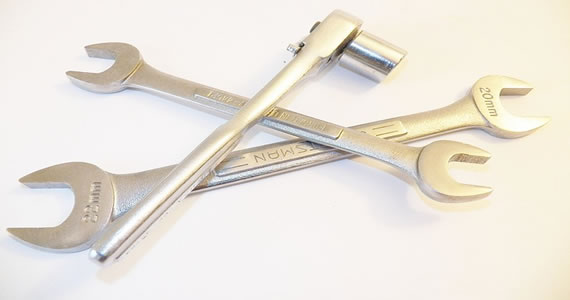
Saving money on auto repairs by doing them yourself is not terribly difficult. Parts are the least expensive portion of any auto repair equation. More than half the price you pay at a repair shop is in labor. Furthermore, there is a wealth of information and tutorials on the web to help you do just about anything on your car. All it takes is some tools and the willingness to get your hands dirty. The following are some easy repairs that often cost a small fortune at a shop.

1.Air Filters

These are the items that lube shops often try to sell with an oil change and the reason is that they are cheap and easy to replace, even for a lube tech. In most cars, the air filter is in a conspicuously large box in the engine compartment. It is usually held down with a combination of latches and bolts. Simply remove these, remove the filter and put in a new one.

2.Spark Plugs

Spark plugs are right on the front of the engine, one for each cylinder. On a 4-cylinder car, they will be right in a row, on 6 and 8 cylinder cars, they will be divided evenly. One important extra tool you will need for this job is a gap gauge to measure the gap and create a gap if you buy adjustable plugs.

3.Brakes

Brake pads are relatively easy to replace and often cost quite a lot at a repair shop. Rotors are more difficult and may be the culprit if you hear a grinding sound with your brakes. However, the standard squeaking just means the pads are worn.

4.Transmission Fluid Replacement

This is an important job for cars with automatic transmissions. It is also potentially safer to do this yourself as shops often do transmission flushes, which can actually damage the system, especially if they have never previously been done on the car. This job is similar to an oil change in that you drain the old fluid, replace the filter and then replace the fluid. Auto parts stores carry replacement pieces for leaking transmission systems, and can help you find a solution.

5.Belts and Hoses

These are fairly easy to identify for replacement. Hoses appear worn or cracked and belts may squeak or also appear worn. Simply remove the parts and replace them with new ones. Items you are likely to need to replace include drive belts, radiator hoses and serpentine belts.

Diagnosing car problems is generally more difficult than fixing them. If you have a new car, you may want to invest in a code reader. There are many easy car repairs you can do yourself instead of talking to mechanic that will save you both time and money.

Anita is a freelance writer from Denver and often writes about home, auto, family and business. She enjoys traveling with her family when she isn’t writing. Informational credit to Highway Auto Parts.

Six steps to preventing car theft

As a car owner, it is vital that you be conscious of areas that abound in crime. If you leave your car in a parking lot overnight, your car could be subject to theft and other crimes. You should make efforts to remain aware of the risks that you face in regards to car theft. Here are some tips that you should follow to avoid car theft in the future.

1. Always lock your car.

First, you should always make sure that you lock your car. You never know if a thieve is watching your area and waiting to prey on the car of a forgetful owner. The minute you walk away from an unlocked car, you give thieves the power to seize on your belongings or even steal your car.

2. Never leave valuable items in your car unattended or for long periods of time.

If you have valuable items in your car, this makes your car an attractive target for thieves. Thieves will want to try to gain access to your car to steal a designer handbag, expensive GPS system, shopping bags or other valuable items that you leave in the car.

3. Make sure that you have car theft insurance.

Investing in a car theft insurance policy is always smart. Sometimes, even the most cautious owner is subject to auto theft. The experience can be very unpleasant, but a car theft insurance policy will repay you for any lost or stolen items.

4. Never leave your windows open.

Leaving your windows open also makes your car a target for thieves. Thieves will view your vehicle as one in which they can easily access valuable items. Make sure that you always take the time to roll up your windows and protect your vehicle from potential thieves.

5. Use a vehicle immobilizer system.

A vehicle immobilizer system will prevent thieves from hot-wiring your car. A vehicle mobilizer system will protect your car from scrupulous thieves. There are also transponder keys that when there is a problem the car will not start until it has the right signal has been giving to the transponder chip within the key.

6. Don’t park in dangerous areas of unlit parking spots.

Always trust your gut. If you are in an area that feels uncomfortable or dangerous, then don’t leave your car there. Avoid driving in areas that have a reputation for being high-crime areas.

By taking these steps, you can ensure that you do not have to face car theft in the future. Preventing a car theft simply requires an awareness of your surroundings and ability to adhere to these easy safety tips. A few minutes of double-checking to see if your doors are locked could protect you from a theft that costs you thousands of dollars.

Informational credit to:
LockSmithPetalumaCA.com – bringing you and your family everything from transponder keys to a key less entry

Pit Stop: 5 Car Care Repairs Everyone Should Know How to Do

Basically everyone owns a car in today’s world but it is remarkable how many people do not know how to properly maintain their vehicle. Knowing a few key care care repairs can save you money—and the basics are easy. Take a look for more tips on how to maintain your vehicle as everyone should know these basic procedures.

1. Check The Air Pressure in Your Tires

Your tires take a beating no matter how softly you drive your car and maintaining your tires is a necessary skill every owner needs to practice. First, check your car’s user manual to find out the correct tire pressure as different models and weights vary by quite a bit. This information is also on a plate fastened to the inside of the driver’s side door. Next, use a tire pressure gauge to check the pressure in each tire. If it needs more air, fill it up. If you notice one tire is consistently low, go to step three and fix it yourself.

2. Change a Tire

Pull over to a safe area. Before you jack the car up, loosen the lug nuts. Using a star-shaped pattern, loosen each lug nut. Jack up the car and remove the lug nuts (if you jack up the car first, the wheel will turn when loosening the nuts.) Remove the wheel, put on the spare tire and re-tighten the nuts (using the same pattern you loosened them with.) Let the car down and finish tightening the nuts.

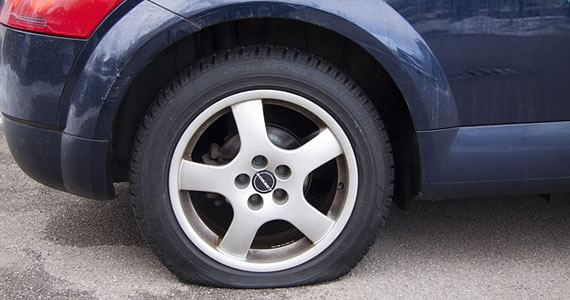
3. Repair a Damaged Tire

Tire-repair kits consist of long black rubber plugs, a rasp and an insertion tool. Find the the puncture, remove any debris with your pliers, then insert the rasp to clean out and prepare the hole. Put one of the plugs in the insertion tool and press it in the hole. Pull out the tool and trim the excess. If the damage is too much then contact a professional is the only route that you can go.

4. Change the Oil

Check your user manual to find out what type of oil and filter you need. Park and secure your car, then remove the drain plug and drain out the old oil. Remove the old oil filter and replace it. When the oil is done draining, replace the plug and fill it up with the new oil. Make sure that you determine what kind of oil is right for your car as there isn’t just one type of oil for use of all.

5. Jump Start Your Car

Ensure both cars are off. Take your jumper cables and connect the positive (red) cable to the positive terminal on the dead battery, then to the positive terminal on the other battery. Next, connect the negative (black) cable to the negative terminal on the good battery, and the other negative to a bare piece of metal in your car. Turn on the other car and wait for the battery to charge. When both cars are running remove the jumper cables.

Knowing these easy repairs can reduce stress, save money and time, so next time you think you’re stranded or need professional assistance, consider these tips and determine if you really need to fork over the cash for costly repairs.

Meghan Belnap –
Meghan Belnap is a freelance writer who enjoys spending time with her family. She also enjoys being in the outdoors and exploring new opportunities whenever they arise as well as researching new topics to expand her horizons. You can often find her buried in a good book or out looking for an adventure. Meghan recommends getting your tires looked at by one of the professionals at Accurate Tire & Auto Care Inc or other tire repair shops in Burlington.