New or Used: What’s Your Best Option for a First Car?

When it comes time to buy a first car, many people are unsure about which type to choose, new or used. Both have their own specific benefits and drawbacks. Below you will find some helpful ideas to make the decision easier.

Used Cars Get a Bad Rep

When someone says they are going to get a used car, what image comes to mind? Years ago the image of a used car was one of a junker. A used car was something that would need constant repair. Fortunately that is no longer necessarily the case. Nowadays people lease cars for two or three years and then get a new car. That three-year-old car is technically a used car, but there is nothing wrong with it. In the old days people kept their car for 20 years and then sold it. Those were used cars that needed lots of work. Many people buy used cars or lease them. These cars are much cheaper than brand new cars, and if you choose to get a used car that has just come off of lease then it is only going to be a few years old.

Benefits of New Cars

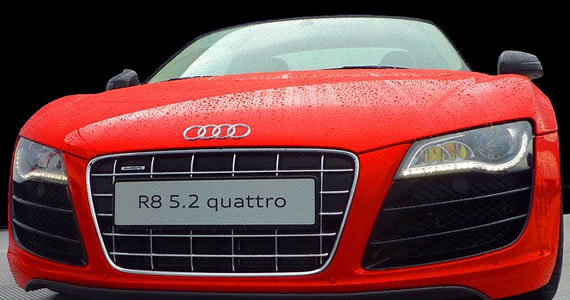
A new car is always exciting. They have that amazing new car smell, and they will have almost none of the mechanical problems that you find in older cars. They also look really nice. There is nothing better than a nice shiny paint job. The downside of a new car is that it will cost you a lot more. You can expect to pay a lot more for a car that is just out of the factory.

Which One is the Best Choice For a First Car?

The best option for a first car would be a used car that is only three or four years old. You can visit a brand name dealership and see their inventory. You could lease a three-year-old pre-owned name brand car at a dealership for less than two hundred a month. These cars have low mileage and are much cheaper than buying a brand new car. One of the best ways to get a good used car is to visit a dealership. This is a better method than contacting a private seller. The dealership will have an inventory of quality used cars. You will not have to wade through old junk cars that are not safe.

For your first car, it’s always a good idea to go a bit newer if possible to save on those inevitable repairs. Used cars will get you a good investment for a lot less and will help to set you up with a reasonable monthly payment.

“Brooke Chaplan is a freelance writer and blogger. She lives and works in her home in Los Lunas, New Mexico. After graduating form the University of New Mexico she has enjoyed writing and researching articles when she isn’t outside running or biking. Premier Mazda was a great resource for writing this article. Contact Brooke via Twitter @BrookeChaplan.”

Simple Advice To Help Avoid Getting In A Car Accident

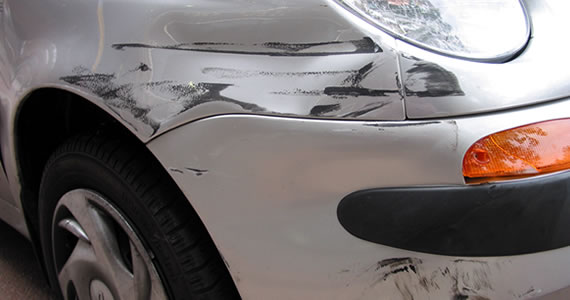
Car accidents happen to the best of drivers but everyone can be proactive and take measures to be safe on the roads. More often than not, drivers who experience a car accident look back upon the situation and think of things that they wish they had done differently. Even the most experienced drivers who have accidents due to no fault of their own still have the capacity to improve their driving habits. Follow the simple pieces of advice outlined below to avoid accidents.

Stay Alert

Always keep your eyes on the road and the surrounding vehicles, whether it is the road immediately ahead of your or the road as seen in the rearview and side mirrors. Don’t let yourself get distracted by passengers in the car, objects that you pass by or your car stereo. Keep your hands on the steering wheel in the direction of a clock that has its hands pointed at ten and two. This way you will be able to properly control the vehicle in case you have to steer out of harm’s way. If you drink alcohol, sober up before getting behind the wheel.

Don’t Multitask

If your vehicle is equipped with steering wheel audio controls, use those instead of the nozzles on the center console. It is much easier to move your thumbs a few inches up and down instead of moving your entire arm to the right to hit the volume knob or to change the radio station. By using the steering wheel buttons you’ll be able to keep your eyes and your entire focus on the road instead of looking over at the stereo knobs.

Optimal Vision

A clear line of vision is essential to avoiding accidents. Always clean off your windshield and mirrors, especially during the winter months. Don’t rush off to work or another event with snow and ice still stuck on these surfaces. They’ll impede your vision. If you experience a problem with your windshield and rear window defrost controls, immediately take the vehicle in for repairs.

Regular Upkeep

Make sure that your car is regularly maintained by a professional mechanic to ensure that it operates as it should. Also, keep your tires inflated to the optimal pressure level to avoid a flat tire that could cause you to lose control of the vehicle.

Obey Speed Limits

Many accidents are caused by drivers who disregard speed limits and drive either too fast or too slow. Drivers should keep their eyes peeled for speed limit signs on all unfamiliar roads. Always leave early for work and other appointments so that you don’t have to rush to get there.

Take a Defensive Driving Course

The majority of drivers lose track of defensive driving techniques as they age. Take a defensive driving course to refresh your driving skills, awareness and strategies to avoid accidents and tickets. Most automobile insurers will offer discounts to customers who complete a defensive driving course.

Savannah Coulsen is a freelanceĀ  writer. She lives in Raleigh. Savannah loves to read and write and she hopes to write a novel someday. Savannah also loves learning and is a self-proclaimed health guru. Savannah found information for this article from DUI Attorney Michael P. Jones.

How to keep it Cool When Teaching Your Teen to Drive

The adolescent years can be a trying and life altering time for parents. One of the biggest changes and life moments comes when it is time to teach your young teen how to drive. This can be a time-exhaustive experience as you will need to have your teen practice how to drive and prepare mentally for their driving test. Here are some steps to keep it cool when teaching your teen to drive.

Show Them How a Car Works

One of the first lessons is to show how a car works. Open up the hood and show them how the engine works and what to check when there is an issue, such as fluid levels. Show them what every button and light on the dashboard panels mean. Show them what turns on the wipers, wiper fluid, turn signals, climate control, and hazard lights. Go through the car manual to tell your teenage what alerts could mean. Show them how to position their seats, position the rear view mirrors. Finally, you can show them what to do in emergencies, such as how to change a tire and what to have packed in the car, like flashlights.

Train Yourself to Speak Calmly

For many parents, their teens learning how to drive may seem like a catastrophe ready to happen. But, like anything in life, the teenager has to learn in order to mature. Before driving, you need to tell yourself that as a parent you are there to provide information and to allow the teenager to learn and experience what driving is like. Having a rough, authoritative tone or yelling in a panic or anxious voice that they are doing something wrong will not help the teenager and could make the experience more stressful for the two of you. Its better to talk calmly to the teenager and to inquire with them why specific driving techniques are necessary. This will help the teenager learn calmly and, as a result, make the learning experience more pleasant than stressful. 

Use Isolated Areas to Drive

The very first experiences of driving can be done at empty parking lots. Try to use non-private property lots as you could be trespassing. But, try to use a lot where there are little to no parked cars. This is the field that works best to learn how to drive. Let your teen be in the driver seat and tell him or her to accelerate and stop. Tell them to only drive 10 to 15 mph in the parking lot and see how fast they can stop when you command them. This hones their senses so they can stop quickly in case of an emergency. Eventually, the empty parking lots will become excellent grounds to learn how to reverse and park. Since these lots are empty, they prove to be excellent, stress-free training grounds. 

It is highly recommended that the first actual driving exercises are done on non-congested back roads. If you send the teen out to major roads, the teen may become very anxious from traffic and frequent stopping. The basics of driving the speed limit, with the road, and mastering different kinds of weather (rain, snow, etc) will work better on back roads than major routes. This will allow you and your teen to stay calm. 

Set Rules

Before the teen is ready to take driver school classes, it’s very important at the very beginning to establish the future rules of driving. This talk should include telling the teenager to follow state laws in terms of driving curfews and passengers in the car for teen drivers as well as your household’s rules. This is important to establish during the teaching days before drivers ed so the teenager knows full well what the rules of the household will be related to driving. Having this talk later will cause deep conflict and possible rebelliousness. But, if you discuss calmly the concerns and rules placed by you to your teenager, they may be more accepting that this will be the reality of driving life after they get their license.

Author Bio: Annette Hazard is a freelance writer and small business owner. She is a mother or one and wrote about health and family when she gets the chance. She suggests telling your kids there will be rules and consequences after you have your license.

Fixer Upper – 5 Reasons Buying a Used Vehicle is a Smart Move

Buying a brand new car can break the bank for most people and the only option that they have is to buy a used vehicle. If this is done right you can purchase a vehicle that will last you many years and be a great investment. A used vehicle eliminates the hassles associated with the expenses of new vehicles. So if you are considering purchasing a new car you should consider going with a used vehicle for these convincing reasons.

Eliminating Expensive Loans

One of the best advantages for purchasing a used vehicle is that they can be purchased directly from an auto dealership or an individual without the hassle of an high-rate loan. There is no need to apply for any extended loan that comes with high interest rates as you can purchase a cheap vehicle quite easily. In fact, used cars can be bought with cash, personal check and credit card if necessary. If a loan is needed to make a purchase for a used automobile, then most financial institutions and banks may offer low interest rates for sums below $10,000.

Reducing Extra fees and Surcharges

New vehicles come with specific surcharges and fees such as for delivery. By contrast, a purchase of a used car involves payments for the title, registration and applicable taxes. Surely, there aren’t any down payments involved with a used automobile. The bottom line is that an older vehicle is sold in "as is" condition and with a negotiable price tag for the most part.

Optional Maintenance Costs

Older vehicles do not need to be maintained and serviced as frequently as new vehicles that come with specific manufacturer’s guidelines. For example, multiple expensive services are usually done the first 15,000 or 30,000 miles of a car. When a used car has more than 50,000 miles on it, the maintenance is done on a as needed basis and not really according to a perfectly scheduled guideline. Additionally, owners of used vehicles may be able to bear some slight mechanical problems.

Fixing Older Cars

These days, an old car can be upgraded with auto parts that can be found online or at used car stores everywhere for cheap. The entire powertrain, drivetrain, electrical system and chassis can be updated or completely replaced with OEM parts. Owners of used cars can save hundreds or even thousands of dollars on online auto parts that can be brought to a local repair shop and used to get an older vehicle back on the road.

Lower Insurance Rates

Used vehicles may come with lower auto insurance premiums compared to new vehicles. For example, the deductible for an old car cannot be high because insurance companies don’t pay more than the actual value of an insured vehicle. Additionally, older cars do not need to be covered under certain policies that are mandatory for most leased or financed new vehicles.

Used cars can be restored for a relatively minimum investment and also do no come with any extra fees and interests rates. Because of this, buying a used vehicle can be the right decision for any person looking for a inexpensive way to get around.

Meghan Belnap –
Meghan Belnap is a freelance writer who enjoys spending time with her family. She also enjoys being in the outdoors and exploring new opportunities whenever they arise as well as researching new topics to expand her horizons. Meghan recommends using cheap parts that can be bought online from Taronis Used Ford Parts for an inexpensive alternative to repairing your vehicle.You can often find her buried in a good book or out looking for an adventure.

Five Tips to Make The Car Buying Process Less Stressful

Venturing out to purchase a vehicle means you’ll have a lot of details to attend to, and all of this can make you feel stressed out. Learning how to balance your budget and deciding to work with reputable and friendly dealers can help to alleviate these anxieties. Here are five tips to reduce the stress of buying a new car:

Determine Your Budget Beforehand

Even if this is your first trip to the car dealership, you could fall in love with a particular model and want to buy it on the spot. Trying to calculate how much you can afford while you’re standing at the dealership is a bad idea. Chances are, you won’t add up the figures correctly, and you could end up spending far more than you really can afford to. Sit down with your spouse or co-signer early on in the process to determine exactly how much you can spend.

Research Cars Online

People who are really familiar with different types of cars have an advantage here. For those who couldn’t tell a 2014 fancy model from a beat-up car built in 1999, this process adds in another element of stress. Get to know cars online before you go to the dealership. You can find out information about safety ratings and the types of technologies that are built into the vehicle. You can also read reviews about the cars and talk to people who own them.

Choose The Right Dealership

If you walk into a dealership and feel pressured to purchase the most expensive model right from the start, then you aren’t in the right place. Do your research on dealerships too, and work with one that is known for its friendly and reputable staff members. Working with people who have your best needs in mind and who know a lot about cars will help to reduce your stress levels.

Don’t Make it a Family Outing

While bringing the entire family to look at new cars can be fun, imagine how unnecessary it is to have your toddler running through the showroom and your infant screaming because they are hungry. Hire a babysitter for the day, grab dinner after you get your new car and make a date night out of it with your significant other. This will help make sure you don’t feel rushed or make a bad decision at the dealership.

Don’t Haggle Into The Ground

When you walk into the car dealership with an attitude, you are probably going to leave feeling aggravated and frustrated. Remember, the car dealership needs to make money too. While the professionals who work there are used to haggling to some extent, you have to realize that at some point, the sale would not be profitable for the company. Having reasonable expectations in terms of the price you can get is advisable.

If you follow these tips, you can have a shiny new vehicle without all of the stress.

Anita is a freelance writer from Denver and often writes about home, auto, family and business. She enjoys traveling with her family when she isn’t writing. Anita suggests talking with a Premier Mazda dealer to simplify the process of buying a car.