All posts in On the Road

Understanding your Rights and Responsibilities as a Motorcyclist

Motorcycle accidents often result in severe injuries and damage. The state of Nevada requires that motorcyclists do their part to protect themselves. However, motorcyclists who were the victims of another driver’s negligence have a defined set of rights under the law.

Motorcycle Laws

Most states require that motorcycle operators have a class motorcycle license. Both the driver and their passenger must wear helmets. They must also wear protective face shields, unless the motorcycle has a windshield or screen. While they are allowed to use a complete traffic lane, motorcyclists do not have the right to drive with or pass another vehicle in the same lane. They cannot drive between lanes, even if the other vehicles are stopped.

Required Motorcycle Equipment

Motorcycles driving on most US roads are required to have one headlight, but not more than two. Tail lights and brake lights must be visible from a distance stipulated by the state. They should be equipped with a reflector and rear and front brakes. In most places, modern bikes need front and rear electric turn signals. Rear view mirrors should be mounted on both sides, and front and back wheels should have fenders. They are also required to have a horn and a muffler.

What to do after a Motorcycle Accident

The health and well-being of all parties involved in an accident is of paramount importance. Necessary medical care should be sought immediately. According to Las Vegas motorcycle accident attorney Farhan Naqvi, once any medical emergencies have been addressed, it is a good idea to speak to an attorney as soon as possible. They will work with the victim and help them collect information about the accident that could have a bearing on if they receive damages. It is essential that the victim and their family take these steps immediately after the accident. The insurance company representing the other parties involved will not waste any time in gathering information and building their case.

Is It Necessary to Hire an Attorney?

Not in all cases, but it is advisable in the vast majority of cases. When a person is a victim of a motorcycle accident, their primary focus is on recovering from their injuries. They lack the time, experience, and know-how to protect their interests. Attorneys understand the techniques that insurance companies will use to attempt to deny a claim, and they can work to cut these techniques off at the pass.

Recovering from a traumatic motorcycle accident can be difficult. It is not the time to try to recoup damages or lost wages on your own. Using the assistance of an experienced personal injury attorney will make the process a lot smoother.

The Great American Roadtrip: Driving Tips for Foreign Tourists in the USA

Driving around in the United States can seem like a daunting task for someone who is unfamiliar with the rules of the road. However, an adequate amount research and planning will transform a nightmare trip into an amazing journey along the vast and complex network of US highways and road systems.

Acquiring a Vehicle

If you are not in the position to purchase or borrow a car to drive around then renting is probably the best option. There are many different rental car companies, including Avis, Hertz, and Enterprise, but all of their prices may vary so check many different offers after determining what kind of vehicle you will require. You must also acquire auto insurance, but check with your insurance company first because they may offer lower rates than car rental companies. Many companies will not rent a car to anyone under 25 years of age.

Obeying the Rules of the Road

Unfortunately for many travelers, traffic laws will vary from state to state, so read up on different rules before you set out. Thankfully many rules are similar and most highway systems will have clearly marked signs, but this is not always the case. For example, in many places it is legal to make a right turn at a red light after stopping; however, this is illegal in New York.

If you plan on staying in the US, it’s important to abide by the rules of the road. Failing to do so can result in a criminal record, which could complicate your naturalization process. If your immigration status is being threatened, a Santa Monica immigration attorney says it’s important to seek the help of an experienced lawyer to provide guidance on your case.

Police officers will often be more lenient on certain traffic violations than others, but without extensive US driving it is difficult to know. For example, many people will drive about 5 mph over the speed limit without negative consequences except in school zones, which are much more strictly enforced for the safety of schoolchildren. Make sure you educate yourself on regional driving laws you might not be familiar with before embarking on your trip.

General Driving Rules

The speed limit on most US interstates is between 65 or 70 mph (between 105 and 113 kph). Construction zones have reduced speeds and are more strictly enforced for safety reasons.

Seat belts are mandatory in most US states, so be sure to wear one. Police officers will frequently stop people for not wearing their seat belts and then add more violations if they find other infractions. Avoid using a radar detector since these are illegal in many states and will make officers more hostile.

Research, Research, Research!

Get a general guide for US travel regulations and be sure to note which rules are different from your home. Being familiar with the rules makes it much easier to get around without getting traffic violations or getting into an accident.

7 Safe Driving Tips To Stay Safe On The Road During Winter Storms

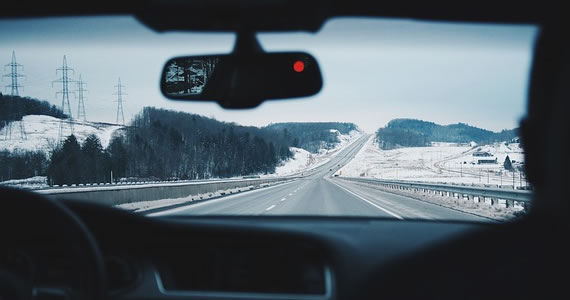
Winter storms can hit at any time and create very hazardous driving conditions. They can bring down large amounts of snow and ice in a short period of time. If you are caught in one of these storms, then you need to know exactly what to do. Here are seven driving tips to stay safe on the road during inclement weather.

Reduce Your Speed

You want to slow down when driving in a winter storm. Slowing down allows your tires to maintain traction in the snow and ice. Going slowly also reduce the chance that you will accidentally run into a car that was hidden by the falling snow.

Increase Your Distance between Cars

You want to increase the distance between your vehicle and other cars on the road. Try to get as much distance as possible since other cars could swerve out of control at any second. Try to double the normal amount of space between you and the car in front of you to give you more time to react to dangerous situations.

Try Not To Stop

Try not to stop if you are driving through a winter storm. Stopping will force your car to work hard to gain acceleration again. You could potentially become stuck in a single spot if you do stop.

Keep Your Headlights On

Turn your headlights on as soon as the storm starts. Keep them on at all times. Headlights will let you see the road better. They also signal the presence of your vehicle to other drivers.

Apply Gas and Brakes Slowly

Apply your gas and brakes very slowly during a storm. You want to accelerate and brake gradually. If you slam on the breaks, your tires may lock up and slide in ice, which can be dangerous. Give yourself extra time to stop and go slowly so you don’t lose traction.

Know When to Pull Over

It’s important to know when to pull over. Some winter storms might be so intense that you cannot see anything and other drivers are getting into accidents all around you. If conditions get incredibly bad, then just pull over to a safe spot and wait for the storm to lighten up.

Never Drink and Drive

Never attempt to drive under the influence. This is important because you could make bad decisions and lose control of the car. Drinking and driving also inhibits your ability to react to sudden changes like a car spinning into your lane. Besides the injuries and damage you could cause, driving while under the influence can get you fines and jail time, according to Columbus attorneys at Suhre & Associates.

Never underestimate the danger of a winter storm. It takes just one patch of snow or one errant move to send your car careening off the side of the road. These seven tips will help you to stay safe if you are caught driving in a winter storm.

Do You Drive For Work? Steps You Can Take To Stay Safe On The Road

Ask any truck driver knows, driving for a living can take a toll on a person. Driving can be a dangerous job, and truck drivers must always be on their toes. If you drive for work or are thinking of doing so, there are steps you can take to stay safe on the road.

Get The Right License

The first thing that you must do is to make sure that you have the right license. Earn your commercial driver’s license from a school that belongs to an association like the Commercial Vehicle Training Association. You will be taught good habits and will learn how to keep yourself safe on the road. To get started, you can find out about the commercial licensing here.

Take Care Of Yourself

As a truck driver, you need to take care of yourself. Long hours on the open road can be taxing on the mind and body. It can be difficult to eat right on the road, but try to make sure that you do. Stopping at a grocery store, buying fresh foods, and storing them in your cooler is far healthier than eating at every greasy spoon along the way. Staying healthy is a key component in staying safe.

Get Enough Sleep

While you are at it, make sure that you are getting enough sleep. You may be tempted to push it through the night to make better time, but you put yourself and everyone on the road in danger when you do so. Stop to rest when you feel like you need to. Arriving at your destination safely is more important than arriving early.

Understand Your Truck

Any truck driver worth their salt knows their rig. Whether it is your own or a company-owned truck, you should have a close relationship with your vehicle. Know its parts, and know how it operates. Perform an inspection before every trip. Check your wheels, your brakes and lights. Make sure your truck is well-maintained. If it is a company-owned truck, be sure to follow the maintenance policies and procedures laid forth by your employer.

Driving for long-hours across the open road is as safe as you make it. While there are certainly things out of a driver’s control, there are many things that you do control. Make sure you have the right license, keep your rig maintained, and stay on top of your health. When you do these things, you make the road a safer place for yourself and every driver you share it with.

New Teen Driver At Home? Six Tips For Teaching Them Responsibility On The Road

A driver’s license is a major rite of passage for a teenager. It is also a source of anxiety for parents. The following tips are designed to help your teen become a responsible driver and soothe your frayed nerves

Lead by Example

Your children learn life skills by modeling your behavior. This includes safe driving habits. Make sure you practice good behavior by buckling up, avoid using your cell phone, and staying focused and calm.

Encourage Financial Responsibility

Your teen is more likely to act responsibly if they have a financial stake in vehicle ownership. Encourage your new driver to contribute their own funds toward the purchase and maintenance of their vehicle. You can find used cars at an affordable price at places like the Autobank of Kansas City. Used cars have a much more reachable price tag for teens, and it can help them feel more responsible when they are helping to pay. You can also have them help pay for things like insurance, so they understand that driving is a privilege. 

Encourage Communication

It is a fact of life that young people will make mistakes. Make sure your teen knows they can count on you if they get into a situation they cannot handle. You can even establish a code word that signals that they need help if they are unable to speak freely. You can turn the situation into a teachable moment later when you can both discuss the issue calmly.

Set Boundaries

It is best to set realistic restrictions on your teen’s driving privileges during the first few months. For example, you can limit driving to daytime hours or require that they have an adult driver with them until you are comfortable with their skills. You should discuss these limitations with your teen ahead of time to avoid arguments later.

Create a Contract

Many parents have their young driver sign a contract before hitting the road. The contract should detail the rules that your teen is expected to follow regarding car use, maintenance, and safety. The contract should clearly state how you will monitor behavior, as well as the consequences for breaking the rules. You can even include a set of graduated privileges if your teen honors the agreement.

Discuss Road Hazards

Most parents discuss the dangers of drinking and driving with their kids. That is certainly important but does not cover many of the hazards faced by today’s teen drivers. Distractions from cell phones, tablets, and smartwatches cause thousands of accidents each year. Parents should discuss these issues with teens often. You may even want to disable vehicle features that make it easy to use electronic devices while driving.

Finally, it never hurts to enroll your teen in a professional driver’s education course. This may even earn you a discount on your insurance. You can instill good driving habits in your kids at a young age.