All posts in On the Road

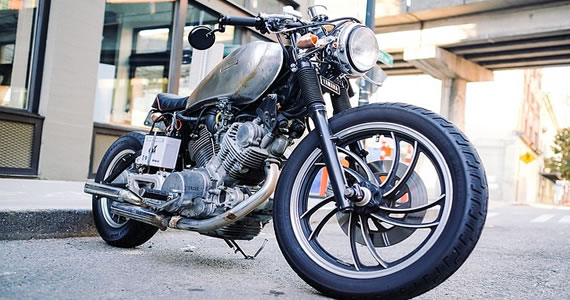
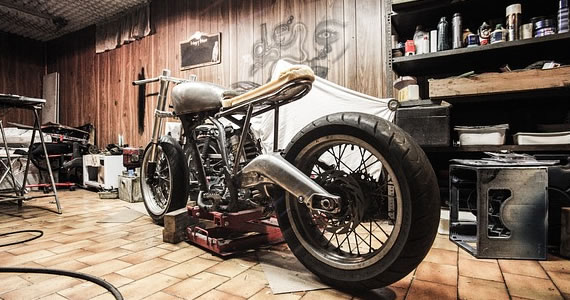
Five Motorcycle Maintenance Tips You Don’t Want to Skip

The freedom of operating a motorcycle on the open road is one of the most pleasurable experiences of owning a bike. Your motorcycle is like your own little world sometimes, and to keep it upright, bike owners should know the importance of regular maintenance tips to keep their machine operating efficiently.

Tires And Oil Changes

Proper inflation of the tires will provide a smooth ride. Tires with low air pressure on the rear of the bike can cause extra stress on the shaft drive and chain. It will cause more heat to generate as well which can lead to the chain needing adjusting because of loosening. Low air pressure can also cause the tires to wear out prematurely. Riders should always keep a check on the tires to make sure they are at the correct pressure. Tire replacement should be a priority when the tread depth is at 1-2 mm.

The oil level should be checked on a regular basis. Oil and filters should be changed at every 3,000 miles of operation. The conditions that the motorcycle is operated under can play a role in how dirty the oil becomes in the engine. Changing the oil regularly increases the life of the engine.

Engine Tune-ups

The spark plugs should be replaced each spring before the riding season begins. One fouled spark plug can be a disaster when traveling hundreds of miles from home. Always gap the plugs according to engine specifications. Never tighten the plugs over torque recommendations because it can damage the engine.

This is also the time to replace air filters and the fuel filter too. Make sure the bike fuel tank is completely empty before refueling. Moisture or water left from winter storage can affect the engine performance of the motorcycle.

Battery, Electrical System and Brakes

Always check the power in the battery with a voltmeter or similar device every year. A dead cell in the battery over the winter months is the leading cause of battery failure. The taillights and headlight should be checked each season and bike riders should check all electrical wiring on the motorcycle to make sure no loose connections are visible. Brake pads should be inspected and replaced when the pads are worn significantly. Brake fluid levels are another important part of the braking system that should be checked up on often.

Rider Safety On the Road

All motorcycle owners should carry motorcycle insurance and always practice safety during operation on the road. Scherline And Associates say each motorcycle rider should know the importance of being aware of the other drivers on the road since many accidents happen because other automobile drivers fail to see someone motorcycle riders.

Motorcycle rides are one of the best parts of owning a bike. Just be sure you know the proper maintenance and safety checks to take before going out each season.
Interested in the Classics? 4 Cars for Avid Collectors

If you are a car collector, you probably have a love and a passion for the awesome power and majestic beauty of a fine piece of mobile, fast machinery, and there is an excellent chance you are gathering vehicles for an opportunity to become a unique investor.

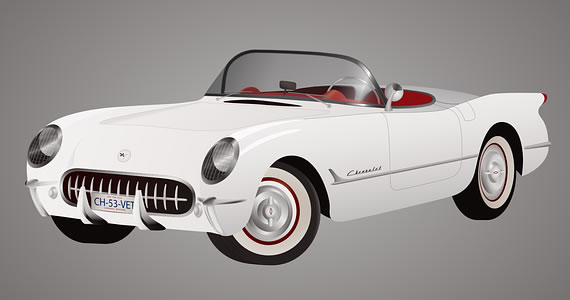
Classic cars are entering the investment arena, and they are quickly gaining attention. They are perhaps even overshadowing the popular investment niche of real estate. Vehicles and real estate are both considered property and taxed as such after all, and all financial advisors say to diversify investment portfolios, so buying classic cars and maybe engaging in restoration can be viewed as a chance to grow your net worth with a hobby. So, if you want vehicles worth investing in for monetary and aesthetic value, then the following four vehicles should be added to your collection as soon as possible.

Limited Edition HMMWV H1 Soft Top

The H1 Humvee is a line of vehicles that are part of American history. They are military grade vehicles capable of accomplishing an assortment of maneuvers, and you have the opportunity to add one or more of these to your fleet of collectibles. A special edition is being released with standard military strength and a ton of custom options. Visit HUMV4U for more information on this future investment vehicle.

1960s and 1970s DB4, DB5 and DB6 Aston Martins

All of these Aston Martins are highly valued by collectors personally and financially. The greatness of the DB4, DB5 and DB6 spanned nearly 20 years, and the models dominated the auto scene in the 1960s and 1970s. These Aston Martins are dominating the fleets of serious collectors now.

The 1965 to 1973 Porsche 911

Any Porsche 911 made between 1965 and 1973 is a coveted addition to any collection. It is hard to imagine that it used to be the cheapest car to buy if someone wanted to quickly enter certain racing circuits, especially club-level racing.

Mercedes-Benz C63 AMG

This is considered a modern classic. It is the last aspirated V8 of its time period, and its body and shape make it a timeless beauty. Along with timeless beauty, it brings quality dynamics, especially rear-drive, which should make it an instant and long-term classic among collectors.
The value of cars manufactured in the country you reside in are increasing in value. Cars falling under the blue-chip category are doing especially well, and they are the most likely to have a better rate of value increase than housing. Consider making an effort to collect and invest in cars, especially the four cars listed above. They will undoubtedly make great additions to your portfolio.

An Insight into Diesel Refueling Solutions

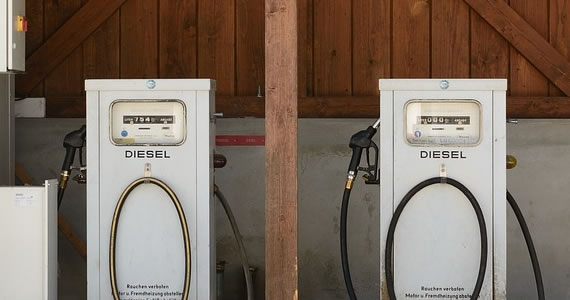
Once upon a time, diesel was considered an excessively polluting fuel. However, with the new technologies that oil companies have been introducing over the last few decades, the carbon footprint produced by diesel engines has been significantly reduced. Modern diesel vehicles with improved filters and catalytic converters are less harmful for the environment that they used to be. In order to make their vehicles more efficient, owners of diesel machines have to pump and keep their diesel in a safe way.

Proper Adblue treatment

As we have already stressed out, the production of diesel fuel is today organized in line with some high ecological standards. The introduction the Adblue diesel is one of those innovations that help diesel-powered engines stay competitive in the global automotive race. This type of diesel emits substantially less exhaust gases than old diesel fuels. However, due to its specific chemical properties, Adblue requires a special treatment. For instance, people who have private properties or ranches far away from gas stations need to transport fuel to such locations. In order to store their Adblue diesel, they need to have adequate dispenser units. This is why everybody who needs to use diesel on their own needs to have first-class shut-off nozzles (go for stainless ones), as well as reliable hoses and hand guns.

Refuel diesel on the go

Although there is hardly a town without a gas station, you sometimes have to take some diesel with you. For instance, if you are traveling abroad and you know that fuel is much less expensive in your country, it is practical to bring your fuel with you. The money you save this way can be used to afford your family a more exciting holiday. In addition, the abovementioned owners of remote ranches and farms might need to transport some diesel and make a fuel stash.

The best option to take some diesel with you on vacation is to choose one of those portable diesel refueling tanks. Today they are made in accordance with highest safety standards and, what is even better, they can be bought at quite popular prices. In addition to tanks, it is important to get the right trailer, too. Make sure that the tank is made from polyethylene and that it has venting breathers, which will keep the fuel quality on a high level. When it comes to trailers, on the other hand, galvanized steel is the best material.

Equipped with spare items

If you need to transport fuel and fill the tank(s) on your own, you should never run out of spare parts, too. No matter how efficient diesel type you have in your tank, you can do nothing if your hose swivel is leaking. What every privatediesel refueler needs to have in the trunk is a hose swivel, accompanied by anti-leakage gaskets, as well as cartridge filters and a level indicator. Not being only one of these pieces with you can result in improper tank filling and inadequate diesel storage. Here you can learn more about proper fuel storage.

Moreover, today you do not have to waste your time on local stores, but you can order all those items online. That way you will spend less fuel on from-store-to-store rides and get all the diesel-refueling accessories in one place. What is more, most of these items are cheaper on the web than in local stores.

As a result of rapid development of oil industry, car owners can rely on improved features when it comes to fuels. In addition, owners of diesel-powered vehicles have become ecologically acceptable drivers, too. Now they can safely use and store diesel on their own. However, it is vital to follow the rules and get the right equipment. That way your health, your properties and your vehicles will be properly protected.

Did Someone Say Road Trip?

Everybody loves a good road trip.  It’s really the chance to enjoy the journey before reaching the destination.  Who doesn’t love a good roadside attraction – World’s Largest Pistachio? Carhenge? Garden of 1,000 Buddhas? Don’t ask me twice, I’m there! 

Before you hit the road with your best pals, it’s good to know whose car you’re going to be taking and more importantly whose car you should be taking for a long road trip!

Your Car or Mine?

If you are going to volunteer “Big Red” for the long haul, make sure your car is up for it!  It’s important to take the preventative measures, so you don’t get stranded in an unfamiliar place.

First, check your fluids.  Check your oil levels and the date you’re due for your next oil change.  It is better to do this before you even take off for a road trip.  If you are close to the manufacturer’s-recommended oil-change listed, then change it.  Mobil recommends a synthetic motor oil for long distances, especially in hot weather.  This will be ideal for a summer road trip! 

Also be sure to have transmission and other motor oils checked.  Both your transmission and drive axle have their own lubricant supply. Check your owner’s manual for their change intervals. A regular oil-change shop can handle the greasy job of changing manual transmission oil and the differential oil. While they are under the car, have them give the drive-shaft U-joints and any other grease points a squirt of grease.

It is very important to have your car’s coolant system checked.  In the extreme summer temperatures, your coolant can reach as high as 250 degrees Fahrenheit, causing your car to overheat.  Nobody wants to be stuck on the side of the road to begin with, but especially during the warm summer months! In order to check your cooling system, you’ll want to check the radiator and hoses for leaks or cracks.  Be sure all of the connections are snug and before even getting under the hood, make sure your engine is cool! Once you have gone over the coolant system, you should also do a routine maintenance check-up. 

Do a quick run up the local freeway to listen for noises, feel for shakes, and watch for trouble signs in the gauges. Don’t assume everything is fine just because you drive your car every day. This is a test, not a commute, so focus on your car. Do you hear grinding or moaning from the wheels? That could be a bad wheel bearing or a worn CV joint. Does the car pull? Check for alignment problems or worn tires. Does it shimmy or squeal under braking? Might be warped rotors or worn pads. Does the brake pedal feel soft? Might mean worn pads or bad fluid. Do the headlights flicker at idle? It’s probably a loose alternator belt, a dying alternator or corroded battery terminals.

Give your brakes a few pumps to check them out!  The DMV states you should inspect your brakes if your summer includes frequent thunderstorms and rain, since wet brakes can be less responsive.  You can either refer to your owner’s manual (or your mechanic), on inspecting your brakes.  When you are having your brakes inspected, find out about the brake pads. The warmer temperatures can increase the temperature of your braking system, which can wear your pads more quickly.

If it is the choice between you or your friend’s car, you should both do the routine maintenance check up to see whose car is in better shape!  Consider checking off car maintenance items before you offer to take your car for a road trip and especially before you leave.   If Big Red starts acting up in the middle of your trip, it could potentially cause you to have to end your road trip early. 

8 Things to Check Before Buying a Used Motorcycle

While used motorcycles are hugely popular in most countries (for obvious reasons – new ones are expensive!), care needs to be taken when thinking about buying one. Motorcycles are much more dangerous than even cars are, so you must ensure that any second-hand bike you buy is still roadworthy.

Choose a reputable dealership

This is possibly the most important thing to do when considering second-hand bikes, for a variety of reasons.  The main reason is that, unfortunately, second-hand motorcycles are quite often stolen rather than legitimately obtained.

In order to ensure that the bike you are currently looking at hasn’t been stolen, go through the following steps:

  • Ask the seller for the registration number, make and model of the bike, tax details and details of the last MOT it had,
  • If you have access to the registration certificate, hold it up to the light and check for the DVL watermark – if you think it has been forged, or that the serial number has been alter, do not buy the bike!
  • Check for the vehicle identification number – if it has been tampered with or is missing, do not buy the bike.

Another reason for going to a dealership is that, while you may be paying more money, there is generally some form of plan in place for you to get your money back if the bike breaks down within a certain time of buying it.  If you do go to a private seller, try and take your bike to a dealership to be inspected – it might save you down the line!

Check the bike out for yourself

If you’ve passed the test to own a motorcycle license, chances are you will have sat a knowledge test (learn more about BC motorcycle test) which covers more basic knowledge such as how to conduct an oil check, basic maintenance, and other things of that nature.  Using some simple tools (including a multimeter and a flashlight), check:

  • The drive chain and sprocket.  It shouldn’t have much movement, and the sprocket shouldn’t have any visible signs of wear,
  • The tires – they should still have good treads with a firm grip,
  • Sitting on the bike, check the levers for brakes and clutch, the instrument cluster and the bar-end weights,
  • The handbrake.  When you hold it and bounce up and down on the front suspension, the movement should be smooth and steady,
  • The visible frame – if possible remove the seat to see as much as possible, and check for nicks and bumps.
  • While the seat is off, pass the multimeter over the battery.  It should read under 12 volts when off, and under 14 when running.  If it goes over fourteen, there could be a vault in the voltage which could cause your battery to fail.

Consider Your Driving Habits

Before buying a bike, consider the type of driving you do.  If you mainly drive on roads, that will be one particular type of bike.  If you are mainly going to be using the bike off-road, that will require a different type of bike.