All posts in Auto Maintenance

Got a Flat Tire? Here’s What You Should Do and Why Driving on a Flat is Dangerous

flat tire

Flat tires can happen to anyone, anywhere, and at any time. Whether you’re heading to work or taking a weekend road trip, noticing that your car has a flat tire can feel like a sudden, inconvenient challenge. But what if you keep driving instead of addressing the issue immediately?

The truth is, driving on a flat tire isn’t just dangerous; it can also cause expensive damage to your vehicle. This blog will guide you through the essential steps to take when dealing with a flat tire and shed light on the risks of ignoring the problem.

By the end of this post, you’ll learn how to safely handle a flat tire, understand why driving on one for miles can lead to serious consequences, and gain practical tips to prevent flat tires in the future.

Identifying a Flat Tire

Before we discuss how to handle a flat tire, it’s important to recognize when you have one. Sometimes the signs are obvious, like visibly low or completely deflated tires. However, there are subtler clues, too.

You might notice your car pulling to one side, which suggests uneven tire pressure. You could also feel vibrations or hear abnormal flapping or thumping noises, indicating that one tire may be underinflated or flat. Paying close attention to these signs while driving is crucial, as catching a flat tire early can help prevent further damage.

Immediate Actions When You Have a Flat Tire

When you realize your tire is flat, your first priority should always be safety. Here’s what to do:

  1. Pull over safely and as quickly as possible. Find a level area away from traffic, such as the shoulder of a road or a nearby parking lot. Turn on your hazard lights to alert other drivers.
  2. Assess the situation. Once safely parked, exit the vehicle cautiously and inspect the tires. Confirm which one is flat and check to see if there’s any visible damage, like tears or punctures.
  3. Avoid driving further. A flat tire can only get worse if you continue driving, potentially causing accidents or vehicle damage. Instead, take steps to address the issue immediately.

Step-by-Step Guide to Changing a Tire

If you’re comfortable changing a tire and have the proper tools, you can handle the situation yourself in under 30 minutes. Here’s a step-by-step guide.

  1. Gather Your Tools:
    Ensure you have a spare tire, jack, lug wrench, and your car manual. These items are often stored in your trunk.
  2. Loosen the Lug Nuts:
    Use the lug wrench to loosen the nuts holding the flat tire in place. Loosen them slightly without completely removing them.
  3. Lift the Vehicle:
    Position the jack under a sturdy point on your car’s frame (refer to your car manual for guidance) and raise the vehicle until the flat tire is off the ground.
  4. Remove the Flat Tire:
    Fully unscrew the loosened lug nuts and carefully remove the flat tire.
  5. Install the Spare Tire:
    Align the spare tire with the lug bolts and secure it in place. Then tighten the lug nuts by hand as much as possible.
  6. Lower the Vehicle:
    Use the jack to lower the car to the ground. Once it’s stable, tighten the lug nuts completely using the wrench.
  7. Check Your Work:
    Double-check that all the lug nuts are secure and that the spare tire is properly installed.

After replacing the tire, drive at reduced speeds and take your car to a professional mechanic as soon as possible to ensure proper maintenance. Spare tires are often temporary solutions and may not perform like regular tires over long distances.

What to Do If You Can’t Change the Tire

Not everyone feels comfortable changing a tire, and sometimes circumstances make it difficult. That’s where roadside assistance comes in. If you’re unable to replace the flat tire yourself, contact a roadside assistance service for help.

Many insurance policies or memberships, such as AAA, offer roadside tire repair and replacement as part of their benefits. While waiting for assistance, stay inside your vehicle with the doors locked, especially if you’re on a busy highway or in an unfamiliar area. Safety always comes first.

The Dangers of Driving on a Flat Tire for Miles

Some drivers might be tempted to continue driving a short distance with a flat tire to reach a safer location or a nearby repair shop. However, doing so can lead to serious consequences, including:

  1. Accident Risk:
    A flat tire reduces your vehicle’s stability and can compromise handling, increasing the likelihood of losing control and causing an accident.
  2. Damage to the Vehicle:
    Driving on a flat tire can destroy the tire’s sidewalls and cause damage to the wheel rim. This could also impact your vehicle’s suspension or wheel alignment, leading to costly repairs.
  3. Tire Disintegration:
    A flat tire will eventually break apart if driven on for too long. This could result in shredded rubber on the road and even more serious mechanical issues for your car.

The longer and farther you drive on a flat tire, the more extensive and expensive the damage becomes. That’s why it’s always best to address the issue immediately, whether by replacing the tire yourself or calling for professional help.

Tips to Prevent Flat Tires

While flat tires aren’t always avoidable, regular maintenance can significantly reduce your risk. Here are a few preventative measures:

  • Check Tire Pressure Regularly:
    Use a tire pressure gauge to ensure your tires are inflated to the manufacturer’s recommended PSI levels. Underinflated tires are more susceptible to damage.
  • Inspect Tire Treads:
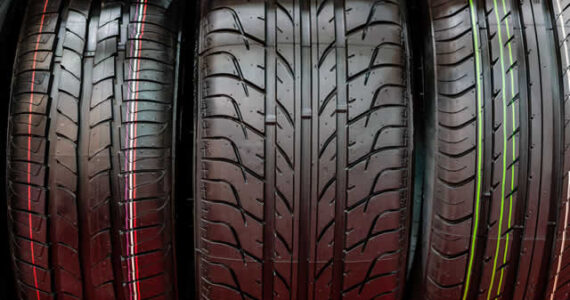
    Worn or damaged treads can increase the risk of flats. Replace tires that show excessive wear or cracking.
  • Avoid Road Hazards:
    Steer clear of debris, potholes, and other obstacles that could puncture your tires.
  • Rotate Tires:
    Regularly rotating your tires ensures even wear, improving their performance and longevity.
  • Invest in Quality Tires:
    High-quality tires are usually more durable and less prone to flats. Consider purchasing tires with enhanced puncture resistance if you frequently drive on rough terrain.

Keep Safety in the Driver’s Seat

Flat tires are inconvenient but manageable with the right approach. Acting quickly to address a flat tire not only ensures your safety but also helps prevent costly vehicle damage. Whether you’re a seasoned driver or new to car ownership, understanding how to identify and handle a flat tire is essential.

If you want to avoid the dangers and stress of driving on a flat, make sure to check your tire condition and pressure regularly. Additionally, keep tools and equipment in your car so that you’re prepared for emergencies. And remember, roadside assistance is always an option when changing a tire feels out of reach.

Taking a proactive approach to tire maintenance and learning how to respond when problems arise will keep you safe and confident, mile after mile.

image credit: envato.com

Must-Know Tips for Car Care for Coastal and Humid Regions

cars in coastal regions

Car care for coastal and humid regions is essential for preventing rust, mold, and mechanical failures. In places like Florida, cars face extreme humidity and salt exposure. These conditions accelerate corrosion, damage interiors, and affect engine performance. 

Without proper maintenance, vehicles in coastal environments deteriorate much faster than in drier climates. Salty air sticks to metal surfaces, moisture seeps into electrical components, and interiors become breeding grounds for mold.

As a matter of fact, ignoring these risks leads to costly repairs and a shorter lifespan for your car. With this in mind, following essential maintenance steps will keep your vehicle in top condition.

How Salt and Humidity Impact Your Car’s Exterior

Salt and moisture are a dangerous combination for vehicles. Salt from ocean air clings to the car’s surface and absorbs moisture, causing oxidation.

In contrast, dry climates do not pose the same corrosion risks. Paint protects metal surfaces, but once it chips or cracks, rust spreads underneath. Not to mention, high humidity makes rust form even faster. If left unchecked, corrosion weakens the frame, undercarriage, and key structural parts.

Winds carry salt particles inland, affecting cars even miles away from the coast. Rain does not always wash the salt away, as it mixes with humidity, creating a sticky residue. Besides, coastal fog deposits microscopic salt particles onto your vehicle every night.

The longer salt stays on a surface, the faster damage occurs. Preventing exposure is difficult, but regular cleaning and protective coatings help reduce risks.

The Right Way to Wash and Protect Your Car’s Exterior

Frequent washing is the first defense against salt and moisture damage. Rinsing the vehicle weekly removes harmful salt deposits before they cause rust.

A strong jet of water is best for washing off stubborn residue. Always use a pH-balanced car shampoo to protect the paint. Harsh cleaners strip away the clear coat, leaving the car more vulnerable.

After washing, apply a high-quality wax to create a protective layer over the paint. Wax helps seal small imperfections and repels moisture. As an illustration, ceramic coatings last longer than traditional wax and provide superior protection. They create a hydrophobic layer that prevents water and salt from sticking.

Another key point is that drying it completely after washing is just as important if you want a detailed car. Water trapped in cracks and crevices leads to hidden corrosion.

Preparing Your Car for Long-Term Storage in Coastal Climates

If you plan to leave your car unused for an extended period, proper storage is essential. This is especially true in places like Florida, where the weather is really humid.

In coastal and humid regions, long-term inactivity increases the risk of rust, mold, and battery failure. As a matter of fact, storing a car without preparation leads to costly repairs. Taking a few precautions ensures your vehicle remains in good condition while not in use.

Before storage, clean the car thoroughly to remove salt, dirt, and moisture. Waxing the exterior adds an extra layer of protection. Covering exposed metal parts with an anti-rust spray prevents corrosion. Besides, inflating tires to the recommended pressure prevents flat spots from forming.

Humidity causes mold growth inside the car, so keeping the interior dry is crucial. Placing moisture absorbers on the seats and floor reduces excess moisture. Using a breathable car cover allows airflow while protecting the exterior from dust and salt buildup. If you are relocating, consider which things you should sell before moving to avoid unnecessary costs.

Some of the items you should get rid of include old car accessories, worn-out floor mats, and unused spare parts. Storing unnecessary items inside a vehicle increases moisture retention, making the car more vulnerable to mold and rust. Keeping only essential items ensures a cleaner and safer storage environment.

Underbody Maintenance: The Most Overlooked Protection Step

The undercarriage is one of the most vulnerable areas of a car. Salt, sand, and moisture collect in hard-to-reach spots, making rust form quickly. Many drivers focus on washing the exterior but neglect the underside. In short, ignoring the undercarriage leads to major structural damage over time.

Using a pressure washer removes salt buildup from under the vehicle. If a pressure washer is unavailable, drive through an automatic car wash with an undercarriage cleaning feature.

Applying rust-proofing spray or an undercoating treatment adds extra protection. Besides, mechanics recommend inspecting the undercarriage yearly for early signs of rust. Catching rust spots early prevents them from spreading.

Engine and Battery Care in Humid Climates

When it comes to car care for coastal and humid regions, humidity is a big problem. Humidity affects engine performance by increasing condensation inside engine components. Water buildup interferes with electrical connections, sensors, and ignition systems.

In contrast, drier climates rarely cause these issues. Regularly check the air filter because excess moisture clogs it faster. A clogged filter reduces airflow and forces the engine to work harder. Replace filters more frequently in humid regions to prevent airflow restrictions.

Battery terminals corrode faster in humid conditions. White or greenish buildup on terminals indicates corrosion problems, leading to weak connections and starting issues. Applying dielectric grease protects electrical contacts and prevents moisture from interfering with the battery. With this in mind, inspect battery terminals monthly and clean any buildup.

Interior Protection: Keeping Mold and Mildew Away

Excess moisture inside a car creates a perfect environment for mold and mildew. Fabric seats, carpets, and even dashboards absorb humidity, leading to foul odors and stains. Not to mention, mold exposure poses health risks, especially for people with allergies.

Using moisture absorbers such as silica gel packs or activated charcoal reduces humidity inside the car. Keeping windows slightly open when parked in a garage allows ventilation. Running the air conditioner removes excess moisture from the air, preventing condensation. Besides, using floor mats with water-resistant backing keeps moisture from soaking into the carpet.

Leather seats crack faster in damp environments. Applying a leather conditioner every few months keeps the material flexible and prevents moisture-related damage. As an illustration, untreated leather absorbs humidity, making it prone to mold growth. Keeping the interior dry and ventilated prevents long-term damage.

Tire and Brake Maintenance: Combatting Salt Damage

Tires and brakes experience direct exposure to road salt and high humidity. Salt dries out rubber, causing cracks and reduced traction.

Checking tire pressure frequently is essential, as temperature and humidity changes cause fluctuations. Another key point is that tires wear out faster when exposed to constant moisture.

Brake components corrode quickly in coastal and humid regions. Rust forms on rotors, calipers, and other metal parts, reducing braking efficiency. Driving in humid areas requires frequent brake inspections to detect early signs of corrosion. Lubricating moving parts prevents stiffness and extends the lifespan of braking systems.

Garage and Parking Considerations

Where you park affects how much exposure your car gets to humidity and salt. Parking on damp ground increases the risk of undercarriage rust. In short, paved or elevated surfaces help reduce moisture contact.

Using a breathable car cover protects the exterior without trapping humidity underneath. A non-breathable cover causes condensation, leading to mold and rust. A garage dehumidifier controls moisture levels in enclosed spaces, preventing long-term damage. With this in mind, garages should have proper ventilation to reduce trapped humidity.

Additional Tips for Car Care in Coastal and Humid Regions

Applying anti-rust spray to exposed metal parts provides an extra layer of defense. Washing the car after heavy rains removes salt and dirt deposits.

Besides, using a dehumidifier inside the car prevents moisture-related electrical failures. Keeping an eye on the weather helps plan car maintenance schedules and keep the car in top condition.

Summary: Car Care for Coastal and Humid Regions

Car care for coastal and humid regions requires consistent maintenance. Washing, waxing, rust-proofing, and proper ventilation protect vehicles from moisture damage. Hence, taking preventive measures saves money on costly repairs and extends the car’s lifespan.

Regular inspections, proper storage, and corrosion-resistant coatings are the best ways to keep your car in excellent condition. Following these steps ensures your vehicle stays reliable, even in the harshest coastal and humid environments.

image credit: envato.com

How to Decide What to Do with Your Car When Moving Abroad

shipping car

Relocating to another country comes with important decisions. One of the biggest choices is what to do with your car when moving abroad.

Keeping, selling, or shipping it each has advantages and disadvantages. Costs, import laws, and practicality all play a role. Some countries have strict regulations, high taxes, or different driving conditions. Others make it easy to bring a personal vehicle. U

nderstanding all options helps you make the best decision.

Selling Your Car Before Moving: A Practical Option

Selling is often the simplest solution. High shipping costs and strict import rules can make bringing your car abroad impractical. Selling also provides extra cash for relocation expenses. Some countries have expensive registration fees or different road standards. If your car does not meet local safety or emission laws, selling may be the best choice.

Selling is also a good option if you don’t need a personal vehicle. Public transport in some cities is efficient and affordable. Renting or leasing locally may be more convenient than bringing your own car.

  • How to Sell Your Car for the Best Price

    To maximize value, make sure the car is in good condition. Small repairs and professional cleaning can increase the resale price. Getting a proper valuation helps you set a fair price. Compare offers from private buyers, dealerships, and online platforms. Selling privately often brings more money but takes more time.

    If time is limited, a dealership trade-in or instant sale may be better. You will get less money but avoid the hassle of waiting for a buyer. The main advantage of selling is avoiding the complexities of shipping and legal paperwork. The drawback is needing to buy or lease a vehicle in your new country.

Shipping Your Car: Is It Worth the Cost?

Shipping allows you to keep a familiar car, but it comes with high expenses and legal requirements. Costs depend on distance, shipping method, and destination country fees. Some nations have strict emission and safety standards. If your car does not meet them, you may need costly modifications. Import duties and registration costs can also be significant.

If your car is new, expensive, or sentimental, shipping might be worth it. However, for an older or low-value car, the costs may outweigh the benefits.

  • Different Shipping Methods to Consider

    The two main options are Roll-on/Roll-off (RORO) and container shipping. RORO is the cheapest method, but it exposes the car to the elements. Container shipping costs more but provides better protection.

    Shipping times vary. Some routes take weeks or even months. Make sure to arrange temporary transportation in your new country while waiting for delivery.

  • Hidden Costs and Legal Considerations

    Shipping is more than just transport fees. Import duties, registration costs, and customs clearance fees can add up. Some countries require a local roadworthiness test before allowing the car to be driven.

    Insurance during shipping is essential. Without proper coverage, you risk losing money if the car is damaged in transit.

    Before deciding, research destination country rules, shipping costs, and waiting times. Sometimes, buying a car locally is a cheaper and easier alternative.

Storing Your Car: A Temporary Solution

When deciding whether you should take your car with you when moving abroad, storage becomes an alternative worth considering. If your move is short-term, keeping the car in a secure facility may be more practical than relocating your vehicle overseas. This option avoids high shipping costs and complicated import regulations while ensuring the car remains in good condition.

If you plan to return within a year, storage can be a cost-effective way to keep your car when moving abroad. However, long-term storage fees can add up, making it essential to compare costs with selling or transferring ownership.

A climate-controlled storage unit protects the car from extreme temperatures, preventing rust and battery drainage. If using a private garage, ask someone to start the engine occasionally to maintain its condition.

Outdoor storage is a cheaper alternative but requires extra protection. A high-quality weatherproof cover shields the car from sun, rain, and dust, reducing the risk of damage.

  • Choosing the Best Storage Option

    A climate-controlled facility offers the best protection. It prevents rust, mold, and battery drainage. If using a private garage, ask someone to start the car occasionally to keep the engine in good shape.

    Outdoor storage is a cheaper option but requires extra precautions. Use a high-quality weatherproof cover to protect against sun, rain, and dust.

  • How to Prepare Your Car for Storage

    Before storing, clean the car thoroughly to prevent rust and odors. Fill the gas tank and add a fuel stabilizer to protect the fuel system. Disconnect the battery to prevent drainage. Inflate the tires to avoid flat spots.

    Cover the car properly to keep it safe from dust and moisture. Storage is a good short-term solution. However, for long moves, selling or transferring ownership may be better financially.

Gifting or Transferring Ownership to Family or Friends

If you don’t want to sell but can’t ship, transferring ownership is an option. This works well if a family member or close friend needs a car.

Transferring ownership is easier than selling, but it still requires paperwork. The new owner must update the title and insurance to avoid legal issues. One advantage is that you can reclaim the car if you return. The downside is that you lose control over maintenance and future expenses.

Leasing or Renting a Car in Your New Country

Instead of shipping, leasing or renting a car locally may be more practical. Leasing offers lower upfront costs and access to newer vehicles. Renting is ideal for short stays or business trips.

Before choosing a lease or rental, check local driving laws. Some countries have strict insurance and mileage limits. Hidden fees in lease agreements can make long-term leasing more expensive than buying.

If you need a car for only a few months, renting is a hassle-free alternative. If staying longer, buying a used car may be a better financial decision.

Making the Final Decision: What’s Best for You?

The best choice depends on budget, length of stay, and local driving conditions. Selling is often the simplest, while shipping is best for expensive or sentimental cars.

If returning soon, storage or transferring ownership could be the best option. If driving is necessary, leasing or renting locally might be the easiest solution.

Comparing costs, legal rules, and convenience helps you make the best decision. Avoid last-minute choices, as proper planning prevents unnecessary stress.

Choosing the Best Option for Your Car When Moving Abroad

Deciding what to do with your car when moving abroad is a major step in relocation planning. Each option has financial, legal, and practical considerations. Selling provides quick cash and eliminates future costs.

Shipping allows you to keep your vehicle but comes with high fees and paperwork. Storing works for short-term moves, while leasing or renting offers flexibility.

Carefully evaluating all factors ensures a smooth and stress-free transition. Planning ahead helps avoid unexpected costs and complications.

image credit: envato.com

State-Specific Car Maintenance: Adapting to Your New Climate and Terrain

State-Specific Car Maintenance

When you move to a new state, it’s not just your wardrobe that needs to change; your car’s upkeep might too! Different climates and terrains can impact how your car performs and what it needs to stay in top shape.

That’s where state-specific car maintenance comes in. Whether dealing with sweltering heat, icy winters, or salty coastal air, adapting your car care routine to the local environment can help extend its life and improve its performance.

If you’ve noticed your car acting up since relocating, it might be time to tweak your maintenance habits based on where you live.

Hot Climates: Protecting Your Car from Extreme Heat

In hot climates like Arizona or Texas, your car faces different challenges. The intense heat can overwork your engine, so keeping your cooling system in top shape is necessary.

Regularly check your radiator and coolant levels to prevent overheating. Tire pressure is another thing to watch—hot weather can cause tires to overinflate, increasing the risk of blowouts. To keep your tires in good condition, check their tread and pressure frequently.

You can also protect your car’s interior by using sunshades or parking in the shade to prevent your dashboard and seats from cracking or fading. These small adjustments can make driving in the heat much easier on both you and your car.

Cold Climates: Handling Snow, Ice, and Frigid Temperatures

In colder regions like McCall, Idaho, your car has to withstand snow, ice, and freezing temperatures for long stretches. Winter tires are a must in these areas, offering better grip on icy roads and preventing dangerous skids.

You’ll also need to check your antifreeze and engine coolant to avoid freezing regularly. Cold weather can drain your battery faster, too, so keeping an eye on it is key.

A well-maintained battery can make all the difference on a freezing morning when you need your car to start right away. And if you’re growing tired of the cold and thinking of moving from McCall and hiring movers, you can leave the town stress-free!

Entrusting the heavy lifting to professionals lets you focus on preparing your car for a warmer climate instead.

Coastal Regions: Battling Salt and Humidity

Living near the coast, like in Florida or California, means your car is constantly exposed to salty air and high humidity, which can be tough. Saltwater can speed up corrosion, especially on the undercarriage and metal components, leading to rust and wear over time.

To combat this, regular washing is essential—especially focusing on the underside, where salt and moisture tend to build up. Applying a protective wax or sealant to the paint helps shield it from the harsh elements.

Humidity, however, can affect your car’s brakes, causing metal parts to rust more quickly or even stick. Frequent brake checks and cleaning can help prevent these issues before they cause major damage.

Desert Terrain: Dust, Sand, and Dry Air

In desert regions like Nevada, your car battles dust, sand, and dry air, which can wreak havoc on different vehicle parts. One of the biggest issues is clogged air filters.

The sand and dust in the air can quickly accumulate, reducing airflow to your engine and harming performance. Regularly checking and replacing your air filter is key in these areas.

Dust and sand can also collect in your engine, vents, and other small spaces, so frequent cleaning is a must to avoid buildup. The dry air in desert climates also affects your car’s belts and hoses, making them brittle and more likely to crack. Inspect these parts for signs of wear and tear and replace them if necessary.

Mountain Regions: Navigating High Altitudes and Steep Roads

Driving in mountainous regions like Colorado or Utah presents unique challenges for your car due to steep roads and high altitudes. One of the main concerns is brake wear; steep inclines stress your braking system, so regular checks are essential. Keeping your brake fluid at the proper level helps ensure safety on those long descents.

High altitudes can also impact engine performance since there’s less oxygen for efficient fuel combustion. You might notice reduced power when climbing hills, so maintaining your engine and using higher-octane fuel when recommended can make a difference.

Tire maintenance is equally important in these areas. Check your tire tread and pressure frequently to navigate the rocky terrain without slipping or getting flat.

Urban vs. Rural Driving: How Terrain Affects Maintenance

Driving in urban and rural environments presents different challenges that can impact your car’s maintenance.

In urban areas, constant stop-and-go traffic, potholes, and high-density driving can lead to quicker wear on your brakes and tires. Frequent braking can cause your brake pads to wear out faster, so regular inspections are necessary.

Additionally, urban driving often means more exposure to pollutants and grime, which can affect your engine and exhaust system.

In contrast, rural driving usually involves longer distances on unpaved or bumpy roads. Dust and debris can clog air filters, so checking and replacing them more frequently is a good idea.

Rural areas may also have fewer repair shops, making regular car maintenance more critical to avoid breakdowns.

Seasonal Weather Shifts: Adapting Your Car Maintenance Year-Round

In many regions, seasonal changes can significantly impact your car’s performance and maintenance needs. For example, transitioning from summer to fall means preparing for rain and potentially slippery roads.

It’s a good time to check your wipers, ensuring they effectively clear your windshield for better visibility. In addition, inspecting your tires for tread wear is important, as rainy conditions can lead to hydroplaning.

As winter approaches, you’ll want to switch to winter tires if you live in a snowy area, as they provide better traction. Regularly checking your antifreeze levels is also vital to prevent freezing in colder months.

It’s wise to thoroughly clean your car in the spring to remove any salt and grime accumulated during winter.

Quick Tips for State-Specific Car Maintenance: General Tips for Any Climate

Maintaining your car according to your environment can greatly enhance its performance. Here are some quick tips for state-specific car maintenance to keep your vehicle in top shape:

  • Choose the right tires: Use winter tires for snowy climates and all-season tires for milder areas.
  • Check fluids regularly: Keep an eye on coolant, oil, and brake fluid levels, adjusting for temperature changes.
  • Prevent rust: If you live near the coast, wash your car frequently to avoid salt corrosion and consider a protective wax.
  • Inspect brakes often: Pay close attention to your brakes, especially in urban areas with stop-and-go traffic.
  • Adapt to seasons: Adjust your maintenance routine with the seasons, like switching to winter tires before the first snow.

By following these tips, you can ensure your car is ready for whatever your local climate throws at it.

Conclusion: Take Care of Your Car Based on Where You Live

In conclusion, state-specific car maintenance is essential for keeping your vehicle in top condition, no matter where you live. By understanding your climate and terrain’s unique challenges, you can tailor your maintenance routine to meet those needs.

Whether you’re dealing with snow, heat, humidity, or rough roads, taking proactive steps will help ensure a safer and more enjoyable driving experience.

Remember, a little extra care goes a long way in prolonging your car’s life and performance. So, stay vigilant and adjust your maintenance habits according to your surroundings for the best results.

image credit: envato.com

Common Mistakes to Avoid When Storing Your Vehicle

storing your vehicle

When it comes to car maintenance and storing your vehicle, many people make simple but costly mistakes. Whether you’re putting your car away for the winter or storing it long-term, preparation is key. Without the right precautions, you could return to a car that needs extensive repairs.

Forgetting to Find a Secure Storage Facility

If you’re looking to store your vehicle in a place like New York, you’ll want to find a secure storage facility. Many vehicle owners forget the importance of choosing a safe and reliable location, leading to damage or even theft. A secure storage facility can offer peace of mind, especially in areas with harsh weather or high crime rates.

Look for facilities that protect from the elements, have strong security measures, and offer climate-controlled options. This can make a huge difference in how well your vehicle is preserved during storage. Taking time to select the right facility is a crucial step.

Failing to Clean the Vehicle Before Storage

One of the most common mistakes is neglecting todetail the vehicle before storage. Dirt, grime, and even bird droppings can accumulate on the exterior and damage the paint over time. Inside, crumbs or food wrappers could attract pests, leading to a whole new set of problems.

To avoid this, thoroughly wash and vacuum your car before storing it. Not only does this protect the car’s paint, but it also prevents bad odors from developing inside. A clean vehicle will be much easier to maintain after storage.

Not Filling Up the Gas Tank

Another mistake many car owners make is storing their vehicle with a near-empty gas tank. Over time, an empty gas tank can develop condensation, leading to rust and corrosion. This can damage your fuel system and lead to costly repairs.

Before putting your vehicle in storage, fill the gas tank and add a fuel stabilizer. The stabilizer will prevent the fuel from breaking down and becoming thick, which can clog your fuel lines. Keeping the tank full also minimizes the chances of moisture building up inside.

Forgetting to Check Fluid Levels

Vehicle owners often forget to check other fluid levels before long-term storage. Low or old fluids can cause corrosion or other damage to your vehicle’s engine and components. This is especially true for oil, which can break down and lose its protective properties.

Before storing your vehicle, change the oil and check the coolant, brake fluid, and transmission fluid levels. Fresh fluids will better protect the engine and other systems. Taking this step ensures that your vehicle will be ready to run smoothly when you take it out of storage.

Ignoring the Tires

Many people overlook tire care when storing their vehicles. Over time, tires can develop flat spots from being in the same position for extended periods. This can lead to a bumpy ride and might even require you to replace the tires entirely.

To prevent this, check your tire pressure before storage and inflate the tires to the recommended level. If you’re storing the vehicle for a long time, consider using tire jacks or moving the car periodically to avoid flat spots. This small effort can save you from replacing the tires when you start using the vehicle again.

Leaving the Battery Unattended

Finding a dead battery is one of the most frustrating problems after long-term storage. Many car owners make the mistake of leaving their vehicle’s battery unattended during storage. Over time, batteries lose charge, and if left too long, they may not be able to recharge.

To prevent this, disconnect the battery or use a trickle charger. A trickle charger will keep the battery charged without overloading it. If you’re storing the vehicle for several months, this simple step can save you from having to replace the battery later on.

Neglecting to Cover the Vehicle

Another common mistake is failing to cover the vehicle during storage properly. Dust, moisture, and even sunlight can damage the car’s exterior and interior over time. A high-quality car cover is essential to protect the vehicle from these elements.

Make sure to choose a cover designed for your vehicle’s size and type. A poor-quality or ill-fitting cover can do more harm than good by trapping moisture. If you are storing your vehicle outdoors, ensure the cover is waterproof and UV-resistant to prevent further damage.

Overlooking Pest Prevention

Pests can wreak havoc on a stored vehicle. Rodents, for example, can chew through wiring, insulation, and even the upholstery. Many car owners overlook this risk and find themselves dealing with costly repairs once they retrieve their car from storage.

To avoid pest damage, seal off any openings, such as the exhaust pipe or air intakes, to prevent animals from entering the vehicle. You can also use rodent repellents or traps to keep pests away. Simple precautions can go a long way in protecting your vehicle from unwanted guests.

Storing on an Unprotected Surface

Many people store their vehicles on surfaces that can cause damage over time. Parking on dirt or grass can lead to moisture build-up underneath the car, resulting in rust. This is especially common when storing a vehicle outdoors.

To avoid this, park the vehicle on a concrete surface or use a protective ground cover. Moisture from the ground can slowly damage the underside of the car, leading to rust and corrosion. By parking on a protected surface, you extend the life of your vehicle.

Failing to Check on the Vehicle Regularly

Another mistake car owners make is forgetting to check on their vehicles during long-term storage. Leaving the car unattended for months at a time can lead to various issues, from a dead battery to pest infestations.

Regular check-ups allow you to catch potential problems before they become major issues.
Every few weeks, start the engine and let it run for a few minutes. This helps keep the battery charged and circulates fluids through the engine. Regular inspections can prevent surprises when you’re ready to take the car out of storage.

Conclusion

Storing your vehicle can seem straightforward, but avoiding common mistakes is essential for keeping your car in good condition. From cleaning the vehicle to maintaining fluid levels, each step is important.

Regular checks and choosing the right storage conditions will save you time and money in the long run.
When storing your vehicle, take care to avoid these errors.

Proper preparation ensures that your car remains in good shape, ready to hit the road again, whether short-term or long-term storage, attention to detail makes all the difference.

image credit: envato.com