All posts in Auto Maintenance

Procrastination Station: What Car Repairs to Get Out of the Way First

If you are ready to make the required repairs to your vehicle, then there are a few naturally needed first. While some repairs that can wait until a later time, due to financial concerns or lack of time, there are parts that must be replaced quickly to keep a vehicle operating safely.

Serpentine Belt

Modern vehicles have a long serpentine belt that operates several mechanisms such as the power steering components, alternator, and water pump that are necessary to drive. The best time to replace this belt is when it is worn or stretched. A knowledgeable mechanic can inspect this belt to see if it is lose or damaged during a tune-up to replace it before it breaks while on the road.

Front and Back Lights

Your vehicle has a lot of lights that require brightly lit lightbulbs at night, or during severe weather such as fog or rainstorms. Occasionally, inspect the headlights, turn signals, and brake lights to verify the lightbulbs are working optimally. To understand the lightbulb sizes needed, check your vehicle’s manual or find the information at an online site. This is one repair that simply can’t wait too long.

Vehicle Tires

Tires in excellent condition are a vital part of any vehicle to maintain safety while on the road. According to Road-Mart Tire, replacing tires correctly is a professional job for a qualified mechanic. They will know the correct size and type to use on a particular model while installing tires properly. Expert tire installation can increase your vehicle’s gas mileage while making it safer to drive, especially in bad weather.

Engine Hoses

If you lift the engine hood on a vehicle, you will notice several hoses attached to components such as the antifreeze container, water pump, and radiator. Modern vehicle hoses are made to last longer than in the past but still wear out eventually. You can inspect hoses visually by looking for splits and tears that indicate fluids can leak. When the automobile is completely cool, use your hands to feel the hoses to find small holes or degraded material.

Brake Components

The brake components on vehicles get a frequent workout in all types of road conditions. The brake pads wear out the fastest due to short trips that require stopping often for stoplights and stop signs. You will hear a squealing noise as brake pads become worn that signals it is time for a professional wear. Unless you are an expert at vehicle repair, this is definitely a job for a local automobile technician who may find additional problems such as defective calipers, rotors or drums.

It is easy to get busy and delay your vehicle’s repairs, leading to a breakdown on a secluded country road, or busy highway that requires an emergency tow at an inconvenient time. A better alternative is to avoid procrastination by having a regular maintenance schedule with a trusted mechanic or Marianna FL auto repair company for your vehicle.

Six Dangerous Driving Habits That Can Lead to Serious Injury

Many drivers today have adopted rather dangerous driving habits. In order to drive safely, it is necessary to keep your eyes and ears focused toward the road and your surroundings. However, many drivers participate in dangerous activities that pull their attention away from the road when they are behind the wheel. This can result in serious injury to the driver, passengers and others outside of your own vehicle. Here are some of the more dangerous driving habits that drivers may have.

Texting

When you text with your cellphone or smartphone, you inevitably are using at least one of your hands to text. Your eyes may dart back and forth between the road and your phone. In addition, your attention is focused on your phone rather than entirely on the road. This is a dangerous habit, and some areas have already made it illegal to text while driving.

Talking on the Phone

Just as texting and driving can be dangerous, the same holds true for talking on the phone and driving. When you talk on the phone, you may have one hand on your phone, and you may not be listening to the sounds of the road that may alert you to dangers around you. Even hands-free talking may be dangerous because you are not fully engaged in the activity of operating the vehicle.

Eating

There seems to be an almost endless number of fast food restaurants available to choose from, making it easy for drivers to pick up food to eat as they cruise down the road. However, this activity also pulls your attention away from the road, and it often requires one or even two hands to complete. More than that, some foods may drip or spill, which can cause further distraction.

Putting on Make-Up

Some women will take a moment while driving to touch up make-up while they are traveling to a location. In some cases, women will apply all of their make-up for the day while commuting to work. This requires the woman to look in the mirror, use hands to apply the make-up ad focus on herself rather than the road.

Shaving

Likewise, some men have adopted the habit of using an automatic or electric razor to touch up their shaving efforts in the car. This also requires the use of one hand, and it places attention on a mirror and the man’s face rather than the road. In addition, there is a sound from the electric razor that can drown out the sounds of the road that the driver needs to be paying attention to.

Smoking

Smoking is a very common habit for drivers, but it can be incredibly dangerous. Smoking requires the driver to use a flame to light a cigarette and to hold that lit cigarette for several minutes of time. The driver is essentially holding a lit object rather than putting both hands on the wheel. In addition, ashes from the cigarette can drop down onto the driver or the car, and this can be a serious distraction.

These are all dangerous habits that can result in serious injury. If you or a loved one has been injured in an auto accident due to someone else’s neglect, but sure to talk to a lawyer for the best outcome.

Informational credit to Bronson Jones & Co.

Injured After Your Car Accident? Here’s Why You May Need an Injury Lawyer

According to the U.S. Census Bureau, year after year an excess of 10 million motor vehicle accidents are reported annually. While no one ever anticipates being involved in a motor vehicle accident, it is clear that they can often be unavoidable.

What Injuries May Occur in an Accident?

While drivers are often fortunate enough to walk away from motor vehicle accidents without a scratch, often times this is not the case. Edmunds reports that approximately one third of motor vehicle accidents result in injury. Common injuries resulting from motor vehicle accidents include whiplash, broken bones, and even brain or spinal damage, all of which can have severe consequences.

What Should I Do If Involved in an Accident?

Should you ever be involved in a motor vehicle accident, the first thing all of the drivers involved should do is confirm that there are no life threatening injuries, followed by relocating to a safe place. Next, exchange information with all drivers involved, file an accident report with the police, and photograph the scene if possible. If you are injured, you should contact a personal injury lawyer or a similar firm before contacting the Insurance Corporation of British Columbia (ICBC). Consulting with a personal injury lawyer before contacting ICBC ensures that your claim is reported properly in order to avoid costly mistakes.

Who is Liable for My Injuries?

Any injury resulting from negligent operation of a motor vehicle, including motorcycles, trucks, and buses, may be grounds for legal action. There are a number of potential parties who may be liable for your injuries.

What Is an Example Situation Wherein I May Need a Lawyer?

For example, suppose you are sitting at a traffic light and your car is rear-ended by a bus, resulting in severe whiplash and neck pain. After following the appropriate steps at the scene of the accident, you go directly to hospital to be assessed, having your injuries confirmed and documented by a health professional. The driver or owner of the bus may be liable for any expenses incurred as a result of your injury, expenses you may not have to cover with the assistance of a personal injury lawyer.

Consulting with a personal injury lawyer as soon as possible is the best way to determine how to proceed with your personal injury case. You may have rights that you may not even be aware of, rights that can help ease the anxiety and consequences resulting from your personal injuries.

Five Steps to Avoid a Car Crash This Winter

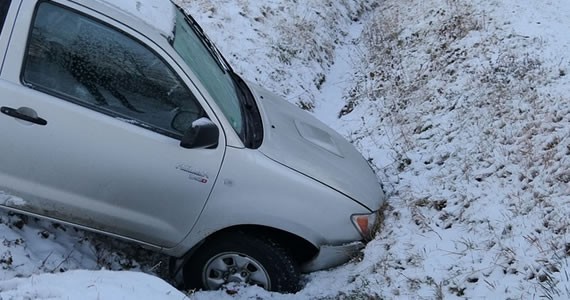
Icy conditions and snowy roads are always treacherous times to drive. This winter has already delivered dangerous situations for many drivers. Weather contributes to 25% of all car accidents, and ice alone makes up 12%. Avoiding an accident and making your commute safer in these conditions isn’t hard, but there are some important steps to follow.

Be Properly Equipped

During the winter, conditions can change quickly, and it’s paramount that your car is properly prepared. Make sure your vehicle has been recently inspected before heading out this season. Keep your antifreeze topped off, windshield defrosted, and headlights in working order. Properly inflated tires are essential in winter conditions, but be sure not to over inflate. Consider putting together a small kit with extra warm clothes, gloves, flashlight and blanket.

Slow Down

Even if you drive the same route every day, you need to give yourself ample time in case of backups or icy roads. It can be easy to treat a winter’s drive like any other commute and fall into habit. Stay alert and take things slow. Remember, you have lost a lot of traction. Avoid tailgating and taking sharp turns at speed.

Be Aware of Ice

As water freezes over night, it picks up many of the oils and gravel in the roads, becoming near invisible. As the day heats up, a thin layer of water forms over the top, making the ice extra treacherous. Pay attention to your local traffic reports and watch out for overpasses and bridges near water.

Don’t be Afraid to Stop

If you find yourself drifting, pump your brakes gently to avoid locking the car up. Turn into the direction of the skid, and slowly steer out of it. If you feel uncomfortable driving in these conditions, consider staying home or pulling over until the weather has cleared. Preventing an accident is better than managing through one.

Assume Drivers Can’t Drive in Winter

Every winter will be the first for many young drives. Even experienced drives tend to forget many of their basics in extreme weather. In these environments, cars can simply drift into one another even when both parties are doing their best to control their vehicles. According to a personal injury attorney in Portland, you should try to avoid driving alongside other vehicles, and watch those around you for signs of skidding. Leave a car’s length between you and other drivers. This is especially important when driving at higher speeds and on exit ramps.

Winter plays havoc on the roads, and it’s impossible to avoid all icy conditions. With these steps and your own vigilance, you can avoid most of what winter can throw at you and your vehicle. Any accident, even a slow collision on ice, can cause injury so make sure you’re prepared before one has the chance to happen.

DIY Car Repairs: Six Tips To Avoid Mistakes And Problems

DIY maintenance and repairs save car owners loads of money each year. When performed correctly, car repairs extend the life of the vehicle and may improve its performance. Unfortunately, mistakes can cause the vehicle to run rough and may cause injuries. Here are six tips to avoid mistakes when working on a car.

Never Work Outside Your Expertise

If you have no experience in electrical repairs, do not attempt to work on wiring. Rewiring circuits can cause a host of problems such as the wipers coming on when you try to signal turn or causing a fire. It goes without saying that someone who has no training can be catastrophic. Know your limits, and don’t hesitate to call an expert when you have done as much as much as you can.

Obtain The Correct Manual

Used cars seldom have owner’s or repair manuals included in the sale. Instead of working from a general car repair book, obtain a manual for your specific vehicle. You will know the correct placement of items such as hoses or where to locate specific parts. DIY Repair Manuals contain valuable information to get the job done that you just can’t get anywhere else. Write down your car’s specific make, model and year of manufacture to obtain the correct manual.

Work Safely

When working under a car, use stands rated for the vehicle’s weight. Cinder blocks are unstable and not designed to hold cars. Regular car jacks can fail, causing the car to fall on the mechanic. Use lights made for working on car engines instead of household lights or flashlights. Mechanics lights can hang from the hood of the car via a hook at the top and a cage to prevent damage to the bulb.

Use The Right Tool

Using the right tools is paramount in auto repair. If you do not have the right tool for the job, buy or borrow it. For example, do not use a regular wrench in place of a torque wrench, as the result will be a disaster. If you do not know how to use one, ask a friend for help.

Only Use The Correct Parts

Using incorrect parts or fluids can seriously damage a car’s engine. The manual will have a list of correct oil weight, spark plugs, filters and more for your vehicle. Check with a licensed mechanic first before purchasing an after market part that claims to improve speed, power or gas mileage if it is not listed in your car’s manual.

Do Not Be Afraid To Ask For Help

If you get in over your head, ask for help from a licensed mechanic or a well-trained friend. He or she will guide you through your project safely.

Working on a car can be a rewarding experience. Being able to perform maintenance and minor repairs saves money and gives a well-earned sense of accomplishment. That leaves more money to buy that gotta-have-it sound system for your ride.