All posts in Auto Maintenance

What Makes Fuel Efficient Cars so Effective?

Fuel efficient vehicles are rising in popularity, and for good reason. Renewed awareness of the world’s environmental problems have made the public more responsible in how they use energy. Many of these cars are one of the best investments to make, particularly considering how much time the average American spends driving. There are a number of reasons these cars are highly effective and below explains some of their common technology.

Direct Injection

Traditionally, fuel would be delivered into the engine through a variety of different methods, depending on the vehicle. However, these methods were inefficient, resulting in lower gas mileage and higher expenses. Direct injection ensures the maximum effectives per gallon of gas, enabling cars to improve their fuel efficiency in ways they’ve never before been able to before.

More Lightweight

For years, cars were becoming heavier and heavier, since automakers were equating weight with safety. However, with new materials going into the construction more automobiles are becoming safe without being heavy. Cars are now becoming lighter, which gives them more efficiency and increases their overall gas mileage. Smaller vehicles are also making a comeback. Rather than investing in enormous monstrosities, people are opting to purchase small, less intrusive vehicles. As a result of their size, less fuel is needed to power them.

Speed Caps

Going above the recommended speed for your vehicle is part of driving. After all, speeds of 80 mph or higher are very common on the interstate. That said, they also burn more fuel than slower speeds. Because many cars are being built with upper limits on how fast they can go, their fuel economy is improving.

Streamlining

Because wind resistance is a major source of extra fuel uses, automakers have begun to build cars that are more streamlined. While this has been a common practice in the racing for years, the practice has only recently begun to apply to family vehicles. By streamlining the vehicle, it reduces the amount of drag the car experiences, and improves the fuel economy.

Conserving oil, and making the most of your gas is a great way not only to save money, but to help the environment. Fossil fuels are limited, so conserving them as long as possible is in our best interest. New cars are being given a lot more technologies to be greener and help the world out. See if you can save money on your own by making some similar modifications.

Places like Advance Auto Parts can recommend small changes that make your car run more efficiently. You can also save money on parts with online coupons from places like discountrue. Today there’s no excuse to live the past and let your car get away with hurting the environment.

Garage-Less Care: What the Cold Weather Can Do to Your Car

As winter is approaching, most of us are busy with holiday preparations and house winterization, and though your car is loved and used every day, you probably don’t think about things you could do to winterize it like you would for a house. If you don’t have a garage to store your car in, then it’s going to need some extra attention. It’s important to take the necessary steps to care for your car before and during the winter.

Batteries Die

In order to avoid being late for work because your car won’t start, check your battery before winter hits. The terminals should be clean and tight. Batteries also need to be replaced every three to five years. If you’ve reached that time frame, find a new battery made to survive in cold temperatures.

Tires Lose Pressure

As the air starts to cool between seasons, the lowering temperatures causes tires to lose pressure. The wrong tire pressure will lower the road performance of your car and not only can that cause damage to your tires, but could cause failure during snowy and icy conditions. The best way to prevent this is by checking your tire pressure weekly. It may be a hassle, but tire gauges are cheap, and many gas stations offer free air.

Fluids Thicken

The cold temperatures not only turn rain drops into snowflakes, but it also thicken up the fluids that help your car run smoothly. Some of these fluids need to be able to move quickly around the engine for the car to properly start and run. Before winter even arrives, check all the fluids in your car to make sure they’re in good condition. You can also buy products that are made specifically for cold temperatures. Throughout the winter months, be aware of the condition your fluids are in and always top off before a long drive.

Without a garage to hide your car in, the winter cold can bring a lot of damage. Between a loss in tire pressure, a dead battery, and some thick fluids, you could end up having to pay a lot to fix some pretty preventative problems. And paying for anything right after the holidays is never fun. See if your local auto parts store or Newgate School can recommend any tips for preparing a vehicle for winter. If you take the time to look after your car before winter arrives, then maybe you can save yourself some heartache.

How to Protect Yourself after Being Hit by a Drunk Driver

Car accidents are dangerous. The aftermath of a car accident can often be a significant portion of the overall danger, because it is then the financial realities, medical issues and the overall burden of car repairs, wasted time and inconvenience manifest themselves.

All of these things are only magnified if the accident involves a drunk driver.

Technology to the Rescue

In the age of mobile technology, phones and tablets, every human being is equipped with virtually unlimited capacity to document any event on their own. Photographic and video evidence are both incredibly powerful and often conclusive in any legal matter.

The practical ramifications of this are clear. After an accident, you should be taking pictures of everything, especially anything with letters or numbers on it. License plates, VIN numbers, driver’s licenses, insurance cards, and so forth.

Secondly, don’t forget to take pictures of the surroundings, starting with the road in both directions. Take pictures of the pavement and nearby structures. Photograph the accident from every angle and be sure to photograph any accident evidence: skid marks, glass, metal, paint, dents, scrapes, car parts, etc.

The Authorities

If it is at all possible, anyone involved in a drunk driving accident should interview all of the relevant authorities, starting with the responding police department. However, you should not answer any questions until you have a chance to speak with legal counsel, even if you aren’t at fault.

Firefighters and ambulance drivers or emergency medical personnel should be at least identified. Get numbers and names if possible. All of these people will become crucial sources of information and possibly testimonies at a later date.

Legal Advice

Even if you don’t think you’ll need an attorney, it is often a good idea to at least speak with someone involved in personal injury or vehicle accident litigation. Firms like Racine Olson will often alert you to things you may not have considered. A qualified and experienced attorney can also often be a good candidate for organizing all the information related to your case.

Insurance

It goes without saying that if you are ever in a car accident, your second call should be to your insurance company. This is doubly and triply true when dealing with an accident with potential criminal liability, even if you are not at fault. Your insurance company can coordinate their efforts with your legal representatives and assist you in obtaining any official documents related to the accident, the aftermath and your case. You pay premiums for this service. You might as well use it.

Keeping your cool and making sure you approach an accident with a calm and reasoned attitude will often be the difference between major financial problems an accompanying legal trouble versus a favorable outcome.

Snow Approaches: 4 Winter Weather Checks for Your Car

Before winter weather and heavy snows hit, it is vital for automobile owners to check some things on their vehicles. By being prepared, drivers can prevent a breakdown in frigid temperatures. Many automobile products can be purchased ahead of time to fit into any budget.

Coolant and Windshield Washer Fluid Levels

Checking the fluid levels of the coolant and in the washer bottle is an important part of maintaining a vehicle for winter. Antifreeze may not sound important, but it is the fluid that keeps a vehicle cool. An automobile can overheat in the winter without proper coolant levels, which can lead to catastrophic engine failure.

Tires

Every driver should regularly check their tire pressure and the tread level on their tires. A low tire can not only cause more fuel to be consumed, but it can also cause a vehicle to slide on ice more easily. It is easier to get an under-inflated tire stuck in deep snow.

Restock Emergency Kit

The U.S. Government suggests that one of the most important things that drivers can do is to prepare their emergency road kit with items needed for snow and ice. Adding a bag of sand and salt to the car can help when getting stuck in the ice or heavy snow. A shovel, warm clothing, extra blankets, and food rations are other items that should always be in an emergency kit during the winter.

Hoses and Belts

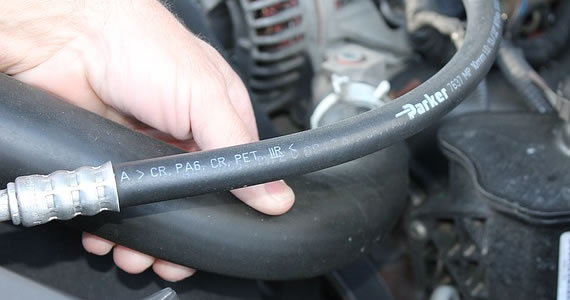
Hoses and belts can easily rip or break from dry rot. The cold temperatures of winter make it more difficult for hoses and belts to maintain their shape because of contraction during freezing temperatures. Any hairline cracks, bulges, or weak spots will burst or rip when the temperatures drop and the snow flies.

Windshield Wipers

Every driver wants to maintain clear vision while they are driving. Regularly replacing windshield wipers by purchasing them at a local store (including with coupons for Sears.com) is a huge part of keeping a good view. Drivers should think about replacing their wipers every fall to make sure they have excellent visibility when the weather turns cold.

Battery

A car or truck battery is stressed to the max when the temperatures drop. The cold can zap the energy in a battery quicker than anything else. Drivers should always make sure the terminals are clean and free of corrosion before the snow hits.

Getting a vehicle ready for snowy weather is a simple process as long as the driver follows the above strategies. Keeping a car or truck prepared for winter is a crucial part of being safe. Many products can be purchased ahead of time like windshield wipers and coolant.

Lights in the Rear View: How to Manage a Traffic Violation with Grace

You want to feel safe and comfortable in every decision you make, but everyone makes mistakes. Your most recent mistake has led to a traffic violation, and now you feel confused and lost. You never intended to do anything wrong, and the consequences looming in front of you seem unduly strict.

So what can you do to mitigate the consequences without stirring up further trouble?

Below, you’ll find a few strategies you can use to handle your traffic violation gracefully and effectively. Use this information to give yourself the best chance at reducing or even eliminating your legal burden.

1. Analyze the Codes and Laws that Deal with Your Violation

Before you do anything else, research the laws surrounding the traffic violation on your ticket. You need to know what consequences you face. You also need to know if the officer pulled you over for a legitimate reason. The officer may not have followed correct procedure, or he or she may have pulled you over for an action that didn’t quite merit a violation.

2. Hire a Defense Lawyer

Even if you don’t see anything that the officer did wrong, you can still contest the ticket and get a reduced or even dropped sentence. But to accomplish that goal, you will need legal assistance from a professional who knows more about the process than you do.

Hire a defense lawyer to look at the evidence and violation with a more practiced eye. He or she may find flaws that you couldn’t see on your own. Even if you were charged with a more severe infraction like driving-under-the-influence, DUI attorneys at Suhre & Associates and other specialty firms can give you sound legal advice.

3. Record All Details from the Circumstances Surrounding the Violation

Do you have pictures and written testimonies from the incident that led to your ticket? The police likely do, but you’ll do better in court if you have your own records of what happened. So, before you leave the incident scene, take pictures, talk to bystanders, and write down your version of what happened. You’ll need this information later when you build your defense.

But if you don’t have that information, a personal written testimony can still point your lawyer toward the best possible defense.

4. Find out What Devices the Responding Officer Used

Some devices, like certain breathalyzers, could have flaws that undermine the ticket you received. If you know what devices the responding officer used, your lawyer will investigate those devices to see if an error could have occurred. If an error could have led to the officer pulling you over, you may get out of the ticket. Your lawyer can tell you more.

5. Decide If You Should Contest the Violation or Pay Fines

Sometimes it is more graceful—not to mention easier—to pay the fines rather than fight your ticket. For example, if the officer didn’t make any mistakes and the ticket came from a legitimate violation, you might not profit from contesting. You might waste time and resources when you could have just paid the fines.

But before you decide to contest or pay fines, meet with your legal counsel. He or she will advise you on the right decision so you know what steps will take you towards the best outcome.