All posts in Auto Maintenance

Fine Tuning: Things to Check on Your Car Every Year

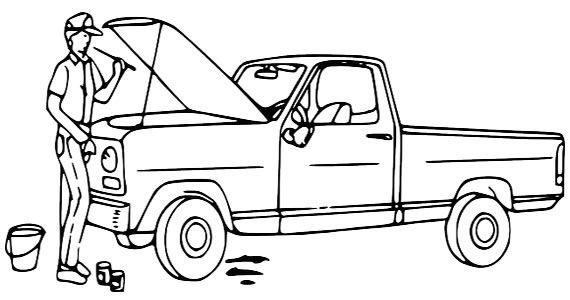
In addition to keeping you and your passengers safe, regular vehicle maintenance and inspections will also prevent expensive breakdowns and a drain on your wallet. Here is a look at some simple maintenance tips that will keep your car running smoothly throughout the years.

Start with the Owner’s Manual

Every driver should be familiar with their owner’s manual, and keep it in their car at all times. If you have lost your manual or one did not come with your car, this information can generally be found online. The owner’s manual will cover all of the maintenance information for that particular vehicle. This includes everything from how often the oil must be changed, to the proper tire pressure. It’s specific to the vehicle making it a valuable resource for you.

Fluids

Even if you are not comfortable changing your car’s fluids or topping them off, you should still know how to properly check them. Owners will need to read the car’s manual in order to see which fluids must be checked with the car on, and which must be checked with the car off. As a general rule, all fluids should be checked at least once a month or every few thousand miles of driving. This includes radiator coolant, oil, brake fluid, and power steering fluid.

Tires

Old or damaged tires are extremely dangerous and must be replaced immediately. Car owners should speak with experts like the Free Service Tire Company about how long their tires will last, but most will need to be replaced every one or two years. When inspecting tires, owners should look for any visible signs of damage such as rot. It is also important to inspect the amount of tread that is left on each tire. In order to increase the longevity of tires, drivers should have them rotated every 5,000 to 8,000 miles.

Brakes

Brakes are slightly more difficult to check, and most owners will want to have this done by a professional. Luckily, there are some safety features implemented in brakes and brake pads that could give you a hint that they are ready to be replaced. Many brake pads will begin to squeak when they have become worn. Depending on your driving style, and the type of brake pads that you have purchased, they can last for anywhere from just a few months to a year or longer.

Properly maintaining your vehicle should be seen as an investment in your safety. All drivers should consult their owner’s manual before getting behind the wheel in order to understand the unique maintenance steps that must be taken for their own vehicle.

Bad Accident? 5 Ways to Avoid Pesky Legal Issues

Unfortunately, accidents are never planned hence why they are called an accident. Therefore, when they happen numerous things need to be done very quickly. Otherwise, a simple legal situation may become very complex. To keep this from happening, there are five things that accident victims can do to protect themselves and in order to follow the law.

Take Detailed Notes

If a person is involved in an accident, it pays to take detailed notes if possible while still at the scene. Writing down the date, time, names of people involved, what led up to the accident, and more can play a pivotal role if the case goes to court. However, copies of these notes should not be given to police officers at the scene or any insurance company personnel. Instead contact a law firm such as Hammett, Bellin & Oswald LLC and turn the notes over to them for use as potential evidence in the case. With these notes, try and take photos if you can and keep them with the notes that you have already taken.

Call the Police

If an accident involves injuries to others or significant property damage, the police should be contacted as soon as possible. In fact, if more than $1,000 in damages is done to personal property or $200 damage to government property, the law requires that police be called to the scene. The police will then take statement from any and all parties involved in the accident to get an accurate report of what actually happened. This report can be accessed by all parties should any legal or insurance issues arise. Make sure that you do not leave the scene of the accident until you are dismissed by the police officer.

Photos and Videos

Thanks to cell phones, photos and videos can be taken instantaneously at virtually any accident scene. If a case goes to court or is questioned by an insurance company, these key pieces of evidence can turn the case around in a hurry. If possible, take pictures of the damage done to the vehicles, the accident scene itself, and anything else that may be relevant to the case.

Make Sure the Scene is Safe

To ensure no other damage is done or people injured, make the scene as safe as possible. If able, get vehicles moved out of the way of traffic and use flares, blinkers, or other lights to alert others to the accident scene.

Contact an Attorney

In addition to the previous steps, contacting an attorney experienced in accidents and personal injury can be crucial to getting any compensation you may deserve. Accident cases, especially auto accidents, are very complex and usually require an attorney with many years of experience in this area.

By taking these steps when involved in an accident, it may be possible to avoid many legal pitfalls later on. However, it may not be possible if any other party involved decides to pursue legal action. While it’s never guaranteed how any accident will play out in court or with insurance companies, being as prepared as possible will put the odds greatly in your favor.

Preventing Collisions: Tips For Safer Driving Habits

In some states, motor vehicle fatalities have increased this year. Various factors may be to blame, including driving under the influence, poor road conditions, and texting while driving. While you can’t be sure what other drivers will do, the average person behind the wheel can do several things to help prevent collisions.

Don’t Drive Under the Influence of Anything

We all know this is a very bad idea, but some do it anyway. If you’re drinking, taking medicine that makes you sleepy, or feeling very ill, don’t drive anywhere. Wait for a ride or call a taxi. A substantial number of road accidents happen because of driving when people aren’t able to manage a vehicle.

Don’t Get Distracted While Driving

Texting, using a mobile phone, playing with the vehicle’s radio or CD player, and trying to quiet screaming toddlers or arguing adults takes your attention off the road where it should be. Although some distractions can’t be avoided, for example, taking your little ones to preschool, you may want to pull over and calm your child before resuming the drive. Other distractions can and should be minimized.

Don’t Play Games While Driving

This means not to challenge other drivers to race you on the highway or accept a dare from one of your vehicle’s passengers, like outdistance an approaching train. Taking chances and behaving foolishly has led to many serious and some fatal collisions.

Obey Traffic Laws

This seems obvious, but for many it is optional. Traffic laws are implemented to protect drivers and passengers. When rules are broken, accidents are more likely to occur, and it is at that time that contacting a professional like Attorney Trevor M. Quirk is the right move to do. Negligence on your part can lead to costly repair fees and potential jail time. Don’t be the one on the road that others are worried to be around.

Avoid High-traffic Roads or Times

Again, this may not be possible all the time, especially if you drive to and from work at rush hour. But some drivers leave a little early to avoid the heaviest traffic patterns, especially in bad weather. Try to find a less-congested route to your destination if it doesn’t require significantly more time or gas. 

Schedule Your Vehicle for Routine Checkups and Maintenance

Most late-model vehicles have indicators to show the oil life remaining. Some indicators will let drivers know air pressure is low. Do not ignore warning lights. It is also a good idea to have your vehicle checked at least once or twice a year to ensure important parts are working properly, including headlights, brakes, and belts.

Tips like these can mean the difference between life and death. Pay attention, drive safely, and keep your vehicle in good working condition.

Slick Road Slip-Ups: Five Fender Bender Dos and Don’ts

A fender bender can put you into a potentially dangerous situation. What seems like something minor could explode into a very serious incident if you aren’t careful. The key to staying safe is knowing what to do. Here are five dos and don’ts when you are involved in a fender bender, especially on slick or icy roads this winter.

Do Contact the Police Immediately

Always contact the police immediately after an accident. Do not try to settle things quietly, or just brush off the accident. You want to call the police, request medical attention if necessary, and file an official report. This helps to protect you and the other driver. It is also a necessary step if you need to file an insurance or personal injury claim later.

Do Not Remain Standing in the Road

The last thing you want to do is stand in the road next to the vehicles, assessing the damage after an accident. Do get out of the road as quickly as you can. There will be plenty of time to look at the damage when the police arrive. Get to a safe place with everyone involved in the accident. This might even mean crossing the street to get to a sidewalk or parking lot.

Do Speak To a Lawyer

You will want to speak to a personal injury lawyer after the accident if you were hurt in any way. A Pocatello Attorney from a firm you trust will make certain your rights are protected. A lawyer will also help to determine whether you have valid damages that can be recovered through filing a personal injury claim. Always contact a lawyer if you were in a car accident.

Do Not Attempt to Drive Your Vehicle

There is no way to tell what parts of your vehicle might have been damaged as the result of a fender bender. You do not want to attempt to drive your vehicle right away. Wait until a tow truck arrives and have the car inspected. If you try to drive away, then damage to the car might cause you to lose control and get into another accident.

Do Document What You Can

Do try to document everything you can. This includes taking pictures or videos of the scene and the damage done. Get the names of witnesses in the area. Get all the contact information from the opposing driver and the license plate of the other cars. This information can be very helpful later.

You need to take action right after a fender bender in order to protect yourself and your rights. Do not assume that a small accident will not have far-reaching consequences in the coming days. Use these five tips to do the right thing after an auto accident.

Image credit: Fender Bender, 101 FWY, on Flickr

Prepared for a Break Down? 4 Crucial Items to Keep in Your Vehicle

When it comes to your personal safety and well-being, it always pays to be prepared. This includes preparing yourself for any emergencies that you might experience when you get in your car and head down the road. Here is a look at four emergency items that everyone should keep in their vehicle at all times.

First Aid Kit

Every single vehicle should have a stocked first aid kit in the trunk or cab at all times. Smaller kits that are created specifically for vehicles are quite affordable and can be purchased at practically any store. These kits will typically include a handful of bandages in various sizes, pain relievers, a tourniquet, latex gloves, antiseptic wipes, and tweezers. Larger kits might have an assortment of additional gear such as hand-crank radios and sterilized water.

Blankets

Anyone who lives in a climate with freezing temperatures or will be driving through a colder area should keep extra clothing and blankets in their vehicle. A human’s internal temperature only needs to drop by two degrees in order for hypothermia to take place, and this can result in permanent damage to their organs and other soft tissue. At the very least, drivers should have a water-resistant jacket and thick blanket in their trunk. Those who would like to be even more prepared should consider a sub-zero sleeping bag.

An Old Cell Phone

It might seem counterintuitive to keep a second charged cell phone in your vehicle, but these devices are important for a few different reasons. The first reason is that cell phones can make emergency calls even if they do not have an active calling plan. A driver can also switch out their SIM card if their first phone dies. Plugging your SIM card into the second phone will allow you to make calls to anyone that you need including a heavy towing service in Texas or other emergency services.

Water

Going just a few hours without water or any other liquids can impair one’s judgment as their body begins to shut down to protect itself. Having a couple jugs of clean water in your car will allow you to protect yourself from the harsh side effects of dehydration. Typically, drivers will want these water jugs to contain distilled water so that they can use it in their radiator if their car begins to overheat. Most cars require a mixture of 50 percent radiator fluid and 50 percent distilled water.

Having just these four items in your vehicle will keep you safe and comfortable if your car breaks down and you find yourself stranded on the side of the road.