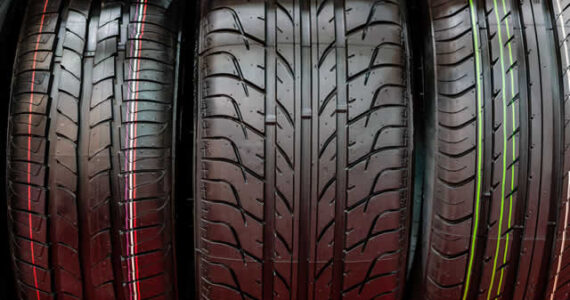
All posts tagged tires

Modern Tire Shopping: How Value and Performance Drive Today’s Decisions

auto tires

Standing in front of rows of tires at your local auto shop, you might feel overwhelmed by the sheer number of options available. The days of simply asking for "the usual brand" are fading as consumers become increasingly sophisticated in their tire purchasing decisions.

Modern tire shoppers are diving deeper into research, prioritizing specific features and real-world performance over brand recognition alone.

This shift reflects a broader change in how we approach major purchases. Rather than relying solely on familiar names, today’s consumers want to understand exactly what they’re getting for their money. They’re asking detailed questions about tire lifespan, seeking specialized options for electric vehicles, and carefully considering how different tires perform in their local climate conditions.

The tire industry has responded to this demand for transparency and specificity. Manufacturers now provide extensive technical data, while retailers offer detailed comparison tools and educational resources. This wealth of information empowers consumers to make informed decisions based on their unique driving needs and budget considerations.

Understanding these evolving trends can help you navigate your next tire purchase with confidence, ensuring you select options that deliver the best value for your specific situation.

The Rise of Value-Driven Tire Decisions

Smart consumers recognize that the cheapest tire isn’t always the most economical choice. Value-driven decision making considers the total cost of ownership, including factors like fuel efficiency, replacement frequency, and performance reliability. This approach has fundamentally changed how people research and purchase tires.

  • Understanding Tire Lifespan Factors

    Tire longevity depends on multiple interconnected factors that extend far beyond the rubber compound itself. Your driving habits play a crucial role in determining how long your tires will last. Aggressive acceleration, hard braking, and high-speed cornering can significantly reduce tire life, while smooth, consistent driving patterns help maximize mileage.

    Vehicle maintenance directly impacts tire wear patterns. Proper wheel alignment ensures even contact with the road surface, preventing premature wear on specific areas of the tread. Regular tire rotations help distribute wear evenly across all four tires, extending their collective lifespan. Maintaining correct tire pressure is equally important, as underinflated tires wear faster on the edges while overinflated tires wear more quickly in the center.

    Environmental conditions also affect tire durability. Extreme temperatures, both hot and cold, can accelerate rubber degradation. UV exposure from intense sunlight breaks down tire compounds over time, while exposure to oils, chemicals, and road salt can cause premature deterioration. Even storage conditions matter when tires aren’t in use.

    Quality tire manufacturers design their products with specific treadwear ratings that provide insight into expected longevity. However, these ratings represent performance under controlled testing conditions. Real-world results vary based on the factors mentioned above, making it essential to consider your specific driving environment and habits when evaluating potential lifespan.

  • Electric Vehicle Tire Considerations

    Electric vehicles present unique challenges that require specialized tire considerations. The instant torque delivery characteristic of electric motors places different stresses on tires compared to traditional internal combustion engines. This immediate power transfer can lead to increased wear on drive tires if the rubber compound isn’t designed to handle such forces.

    Weight distribution in electric vehicles differs significantly from conventional cars due to heavy battery packs typically mounted low in the chassis. This altered weight distribution affects how tires contact the road surface and influences wear patterns. Many electric vehicles are also heavier than their gasoline counterparts, placing additional stress on tire structures and potentially reducing overall lifespan.

    Rolling resistance becomes particularly important for electric vehicle owners because it directly impacts driving range. Tires with lower rolling resistance require less energy to maintain speed, extending the distance you can travel on a single charge. However, this benefit often comes with trade-offs in other performance areas like wet weather traction or ride comfort.

    Noise considerations take on added importance in electric vehicles because the absence of engine noise makes tire road noise more noticeable. Manufacturers have developed specialized tire compounds and tread patterns designed to minimize road noise while maintaining other performance characteristics essential for electric vehicle operation.

  • Weather-Specific Performance Requirements

    Regional climate conditions significantly influence tire selection decisions as consumers recognize that one-size-fits-all approaches often compromise safety and performance. Understanding how different tire technologies perform in various weather conditions helps drivers make informed choices that match their local environment.

    Winter weather demands tires engineered specifically for low temperatures, snow, and ice. All-season tires, while convenient, cannot match the performance of dedicated winter tires in severe conditions. Winter tire rubber compounds remain flexible in freezing temperatures, maintaining grip when all-season tires become rigid and lose traction. Specialized tread patterns and siping provide additional biting edges that help maintain control on slippery surfaces.

    Summer performance becomes equally important in regions with hot climates and frequent rain. High-performance summer tires offer superior dry road grip and responsive handling but lose effectiveness as temperatures drop. These tires feature compound formulations optimized for heat resistance and tread patterns designed to channel water away from the contact patch during heavy rain.

    All-season tires represent a compromise solution for moderate climates where extreme conditions are infrequent. Modern all-season designs have improved significantly, offering reasonable performance across a broader temperature range while maintaining acceptable tread life. However, they still cannot match the specialized performance of dedicated seasonal tires in extreme conditions.

Brand Loyalty Versus Feature-Based Selection

The relationship between brand preference and feature-based selection has evolved as consumers gain access to more detailed product information. While established tire brands continue to maintain strong reputations built on decades of engineering expertise and quality control, modern shoppers increasingly evaluate specific tire models based on their individual merit rather than brand name alone.

Traditional brand loyalty often stemmed from limited information availability and the complexity of comparing tire specifications across manufacturers. Consumers relied on brand reputation as a shortcut for quality assurance. However, the proliferation of detailed technical specifications, independent testing results, and user reviews has democratized tire evaluation processes.

Contemporary tire research reveals that different manufacturers excel in different areas. A brand known for exceptional winter performance might not necessarily produce the best all-season options. Similarly, a manufacturer with outstanding high-performance tires might not offer the most economical choices for daily commuting. This reality encourages consumers to evaluate each tire model on its specific merits rather than making assumptions based on brand reputation alone.

Quality control and warranty support remain important brand-related considerations that extend beyond individual tire specifications. Established manufacturers typically offer more comprehensive warranty coverage and have extensive dealer networks providing better service accessibility. These factors contribute to the total ownership experience and represent legitimate considerations in the decision-making process.

Strategic Approaches to Tire Research

Effective tire research requires understanding which information sources provide reliable, unbiased data relevant to your specific needs. Professional tire testing organizations conduct standardized evaluations across multiple performance categories, providing objective comparisons between different models and brands. These tests typically evaluate factors like dry road performance, wet weather traction, noise levels, fuel efficiency, and tread life under controlled conditions.

Consumer review platforms offer real-world perspectives from drivers with similar vehicles and driving conditions. However, interpreting user reviews requires careful consideration of the reviewer’s experience level, driving habits, and local conditions. A tire that performs excellently in one region might not deliver the same results in a different climate or driving environment.

Technical specifications provided by manufacturers offer detailed information about tire construction, compound formulations, and intended applications. Understanding these specifications helps narrow down options based on your specific requirements. Load ratings, speed ratings, and tread patterns all provide important clues about a tire’s intended use and performance characteristics.

Professional consultations with qualified tire dealers can provide personalized recommendations based on your vehicle, driving patterns, and local conditions. Experienced tire professionals understand how different products perform in real-world applications and can suggest options that might not be obvious from specification sheets alone.

Making Informed Tire Decisions for Modern Drivers

The evolution toward value-driven, feature-focused tire shopping reflects a broader trend toward informed consumerism. Modern tire buyers benefit from unprecedented access to detailed product information, objective testing data, and real-world user experiences. This wealth of information enables more sophisticated decision-making processes that consider total cost of ownership rather than just initial purchase price.

Successful tire selection requires balancing multiple factors including your specific vehicle requirements, local driving conditions, personal performance priorities, and budget constraints. The most expensive tire isn’t always the best choice, just as the cheapest option rarely provides optimal value. The key lies in understanding which features matter most for your individual situation and finding products that excel in those specific areas.

As tire technology continues advancing, staying informed about new developments helps ensure you benefit from the latest innovations. Manufacturers regularly introduce improved compound formulations, enhanced tread designs, and new construction techniques that can significantly impact performance and value. By maintaining awareness of these developments and applying systematic research approaches, you can make tire selections that deliver optimal performance and value for years to come.


Category Key Factors Impact on Selection
Tire Lifespan Driving habits, maintenance, environmental conditions, treadwear rating Total cost of ownership considerations
Electric Vehicle Tires Instant torque, weight distribution, rolling resistance, noise levels Range optimization and specialized performance needs
Weather Performance Temperature range, precipitation, seasonal conditions Safety and performance in local climate conditions
Brand vs Features Reputation, specific model performance, warranty support Balanced evaluation of brand value and product specifications
Research Methods Professional testing, user reviews, technical specs, dealer consultation Informed decision-making based on reliable data sources

image credit: envato.com

Winter Warning: 3 Tire Tips To Prepare You For The Upcoming Season

Before the snow and ice of the winter season arrive, you need to take the necessary steps to get your car in order. There are fluids that you need to check to ensure that they are at the proper levels and electrical components that need to operate as they should, such as the battery and alternator. The tires of the car are very important in the winter, sometimes more important than other parts because they can help to keep you from sliding around if you’re driving on slick roads. There are a few tips to keep in mind before winter so that the tires are in good condition.

Check The Tread

An important feature of the tires is the tread. If your tires have been rotated regularly and properly inflated, then there will be even wearing on the exterior of them. This would mean that the tread should be even on each tire. If one or more tires has tread that is lower than the others, it is usually a sign that the car needs an alignment or that the tires need balanced. You need to get this taken care of as soon as possible before getting new tires put on the car for winter. Snow tires are an option as they have more tread than a traditional tire.

Tire Pressure

In the winter, the pressure in the tires will sometimes decrease because of the colder air. Check the tire pressure on a regular basis. If you see that one tire or more are losing air pressure at a faster rate than the other tires, then you need to see if there is anything stuck in the rubber. Keeping your tires inflated to the proper level will help to extend the life of them, and it can also keep you safe on the road. If you have tires with low pressure, then you risk sliding around more on the road.

Add Chains

An option that you have if you live in an area that sees a lot of snow and ice is to put chains on the tires. The chains will provide the added traction needed while you’re driving. Some snow tires have chains already on them. Make sure you take the chains off when driving in normal weather conditions. A professional company like Evans Tire can usually add chains for you and check the other features as well.

Your tires are an important part of the car. When winter arrives, there will be changes that you might notice. Check the pressure, tread and other aspects of the tires so that you’re safe while driving.

7 Tire Hacks You Need to Know Before Going on a Road Trip

The road can be a cruel mistress. Not only do you have to exercise caution and vigilant driving in order to avoid causing mishaps, but you also need to pay attention to other participants and their conduct while at the same time reassuring yourself that your vehicle is in top condition, ready and able to traverse any distance.

Whether you are planning a road trip to the outback, or you’re heading to another city by car, you need to optimise your vehicle, run diagnostics and take it to your mechanic for a final check-up before it can truly be tarmac-ready. Here are seven essential tire hacks that might just end up saving your life.

Assess tire pressure

You might feel encouraged to pump as much air into your tires as possible, but that would be a rookie mistake that could spiral your vehicle out of control as soon as you hit a bump on the road. However, this doesn’t mean you should keep your tires underinflated either, as that might produce the same results.

The key to maintaining tire longevity is finding the pressure balance that will allow you to drive safely. Use a tire pressure gauge at your local gas station to determine the pressure levels, and pump the air accordingly.

Mind your driving style

More often than not, people don’t correlate their driving style with the quality and longevity of their tires. However, the way you drive has a major impact on the health of your tires, and the first thing you need to do is master the art of shifting. Shifting plays a key role in tire preservation, and rather than flooring the gas pedal in order to get the car moving, you want to alleviate any unnecessary pressure from the tires by gradually operating the acceleration process.

Wheel alignment and balance

Due to the constant wear and tear on the road, the entire chassis can become misaligned, thus causing the tires to become damaged and in need of replacement because of the uneven load. While you do want to avoid hitting potholes, bumps and sleeping policemen at high speeds, troubles with wheel alignment and tire positioning become inevitable over time.

That is why it is crucial to research wheel and tire packages so you can replace your worn-out tires, but the research also helps you make sure that your mechanic has positioned and aligned your new parts perfectly in order for your car to be safe and in good shape.

Rotate tire position

Replacing tires can be a pricey endeavour, but luckily, you will rarely have to replace all four tires at once. This gives you an excellent opportunity to rotate your rear tires to the front of the car, as you are most likely to change your front tires first, especially on a front-wheel drive vehicle. By rotating your tires, you will make substantial savings on tire replacement in the future.

Inspect tread grooves

Before heading out on a prolonged road trip, you need to check the tread grooves of your tires for any foreign objects and inspect the area thoroughly in case of any damage. Sometimes objects such as rocks, metal and other materials found on the road can get caught inside the tire grooves and produce microscopic damage that will start spreading as soon as you hit the road, so make sure you avoid that risk and clean your tires thoroughly.

Adhere to maximum vehicle weight

Maximum vehicle weight refers to the maximum weight at which a vehicle is able to operate properly without risking damage or endangering the passengers. You should be able to find the maximum vehicle weight clearly stated in the owner’s manual.

Excessive loads will put unnecessary pressure on the tires and cause substantial heat accumulation, which leads to the risk of damage and rupture.

Learn how to change a tire

Keeping a spare tire in your trunk is a must, and having the necessary skill set to change a tire on your own is a modern-day necessity that could one day save your time. If you’re on a busy schedule and are having issues with your car, it would be best to consult mobile mechanic and book your effective car servicing.

Ensuring a safe and enjoyable ride starts with the quality and state of your mechanical parts, so make sure you adhere to these seven essential tire hacks and you will be one step closer to the road trip of a lifetime.

Peter is a car lovin’ writer at Blades Magazine. Beside writing he worked as a journalist for many publications in UK and AU. Follow Peter on Twitter for more tips.

Why Choosing Goodyear Tires for Your Car

Goodyear tires have managed to retain its popularity and reputation due to the quality of the tires manufactured by them. There are no compromises made on the quality, and run for a long period of time. You are saved from constant problems related to tires. This leads to few visits to your mechanic, which in turn, means fewer expenses.

Goodyear tires can be used for all types of passenger cars. You can say this is the only option when talking about tires. Let us go through few of the benefits offered by Goodyear tires and then we can help you in choosing the right one for your car.

  • The ‘right’ tire can help the vehicle in the maintaining of traction.
  • You can brake quickly.
  • The drive tends to be smooth.
  • The Goodyear tires ensure the safety in a vehicle.
  • Your vehicle has enough and more power even in undesirable weather conditions.
  • The gas mileage offered is better with the right Goodyear tires.

Different Goodyear Tires:

Goodyear offers a choice between 7 types of automobile tires. Choosing the right one means considering the surface for driving and also the weather conditions.

  1. All weather tires are for those who experience all types of weather conditions. These tires are apt for the wet monsoons, hot and dry summers and also during snowfall.
  2. The ROF Goodyear tires (Run on Flat) are for the vehicle owners where the servicing of the roads is almost negligible. These tires can run at 50 miles per hour for over 50 miles. These tires are ideal for a tough terrain saving the drivers from hassles of changing the tires on a frequent basis.
  3. Opt for the fuel-efficient Goodyear tires if you tend to drive a lot on highway in rainy or dry weather conditions. These are specifically designed with great density of rubber and less of tread resistance.
  4. All Terrain tires from Goodyear are for those who tend to go off road occasionally. These are quieter but can offer the required traction on muddy or dusty surfaces. The longevity of these tires is ensured due to the Kevlar used.
  5. Winter Tires can be safely used for SUV’s crossover vehicles, cars, transport vehicles and also light trucks. These tend to offer traction on freezing rain, ice and other development in cold weather conditions.
  6. Considered as summer tires, this line of tires offered by Goodyear can actually be used in all types of weather conditions. You can count on the durability of these tires due to the ease of handling and traction offered.
  7. For the drivers who are aggressive, Goodyear offers you the option of the Sport Performance tires. These tend to be helpful in tractions, maneuvering and handling. Using the carbon fibre, Goodyear has ensured the reinforcement of the sidewalls. This is a perfect option for the SUV.

How to Choose Goodyear Tires:

Before you decide on a specific Goodyear tire it is important to understand and know the Tire grades manufactured by Goodyear. You have a choose between the performance and the standard tires. It is advisable to opt for the performance tires if you are looking for mileage of longer tread-mill and for better traction. These can produce a higher rate for speed. Opt for the standard grade tires if you are looking for speed ratings on the lower side, basic abilities for traction and lower guarantees for tread-wear mileage. These works out to be more affordable.

Go through the different tires offered by Goodyear before you decide on a specific one. This can be done by conducting a research online or asking the dealer for information on the different tires. 

Roadside Fixes to Get You Back on Your Way

It’s inevitable. Cars break down. And when they do, it’s usually at the worst possible moment. While many breakdowns will require a tow truck and can only be repaired at a qualified shop, some can be remedied with a small repair on the roadside if you are equipped to do so.

Flat-Fixin

First, familiarize yourself with your vehicle before it breaks down. Know where the spare is, how to get the jack and tire iron out and how to use them. If you have wheel locks, know where the wheel lock key is. Changing a flat tire is one of the most fundamental repairs that one can do to get back rolling. Even if your vehicle has large oversized tires, replacing a flat tire with a spare can be done safely if precautions are taken. Make sure your vehicle is parked on flat level ground before getting the jack under it. When jacking the vehicle up, don’t lift it higher than you need to. You will have to lift it high enough to get the flat tire out, and the full spare under it. Going higher than that could make the vehicle shift and unstable. Make sure to tighten the lug nuts in a star pattern in order to get a consistent tightness on the wheel assembly.

Breaking Murphy’s Law

Some basic hand tools in a repair kit kept in the trunk of your vehicle may get you back on the road quickly so you can get your vehicle serviced on your schedule, not at the mercy of Murphy’s Law. Even quick roadside repairs are inevitably dirty, so it’s a good idea to have some gloves or other protective coverings on hand in the event your vehicle would break down.

Toolin’ Around

In your hand tools, a Leatherman or multi-tool is a great tool to have. Most of them have needle hose pliers, at least one knife blade, screwdrivers and other useful tools to get you back on the road. Some breakdowns are caused by something as simple as a loose connection, clamp or fitting. By identifying the problem and using some hand tools to tighten the offending part, you could remedy the problem yourself with the spin of one tool.

Call a Tow Truck

Sometimes it’s best to recognize when you are in over your head and call a tow company. Some services will bring you fuel or do minor fixes, and others will come to your location nearly regardless of conditions outside. For getting your 4×4 out of that gutter, consider a company like Mike’s Auto and Towing that specializes in difficult recoveries.

Release Your Inner MacGyver

For those old enough to remember MacGyver, he had a fix for everything—and most of it involved duct tape. There’s a good reason for that. It’s durable, flexible, and under the right conditions, can make a near water-tight seal. A blown radiator hose once cleaned up a bit and allowed to cool can be fixed temporarily with a couple rounds of duct tape just to get you to a shop for a permanent repair. If the hose is broken close to the clamp, it may be possible to remove the clamp, cut off the damaged portion and put the hose back on with the clamp moved further up the hose. This only works if there hose has enough length. Again, this is a temporary fix.


Sometimes, the repair is just too much to do on the side of the road. Times like these, sometimes the best tool to have in your toolbox is a cell phone and the number to a reputable towing service.