All posts tagged slider

Failing in Your Efforts to Sell Your Car? 4 Tips to Help you Find a Buyer

Has your car been on the market for a while? Are you getting sick of waiting for the phone to ring with an interested buyer on the other end? It may be time to kick things up a notch in order to find a buyer. There are several methods for getting the word out about your car, but with how many cars are for sale, and posted every day, you may need to be more creative in your efforts.

Post Your Vehicle on Craigslist.com

This is one of the main ways to sell a vehicle and it’s free to list. Make sure you put at least four pictures detailing the front, back, sides and inside of the vehicle. Leave a short descriptive paragraph with the history of the vehicle. You’ll want to post the vehicle according to Kelly Blue Book pricing, also look at the listings of other similar vehicles. One disadvantage of Craigslist is you’ll have to keep re-listing the ad nearly everyday to keep it relevant.

The site does have 20 million unique visitors each month. If you have posted on Craigslist in the past without luck, there might be a few things you can do so that your post gets noticed. Make sure it has a good title, something that mentions the car and perhaps the price. Within the post, make sure you include quality pictures of your car and the features (make sure the car is clean and looking it’s best when taking these pictures.) Include important information, but don’t overload. Make the information easy to read and make sure your contact information is prominent on the page.

Displaying Your Car in a Public Area

Have you ever seen cars parked in a certain parking lot with a for sale sign in the window? This is one way to get your vehicle noticed by many people. One danger here is vandalism and theft, so be smart if parking somewhere in public. The auto experts of Sawyers Chevrolet suggest that if you have a friend or family member that lives on a busy street, you could ask them if they would allow you to park the car in their driveway or in front of their house for a few days.

If you park the car on a busy street during the day for a few days, you’ll be sure to get some calls from interested buyers. Make sure you return it home at night. Put a for sale sign in the window with your phone number, price of vehicle, features and mileage. Make sure this information is legible, and reapply if it rains or snows.

List on AutoTrader.com

In May 2013 Autotrader stopped print versions and is now only online. This is a great place to sell your vehicle if it’s specialized or more valuable. AutoTrader.com receives 15 million visitors a month and boasts having the largest selection of vehicle listings. The ad listing here will cost from $20 for three weeks to $80 for unlimited time until sells plus getting 14 days featured. This investment is worth the money if you are eager to sell your car.

Resources for sellers and buyers also make this a great place to sell your vehicle. If you haven’t used this resource yet, this could be a great place to find a buyer as soon as possible.

Listing in Local Newspapers

There are still many people who read the classifieds, especially when looking to buy a car. Here you will pay from $10-$30 to list your vehicle and can even put in a photo. The ad will run continually with this amount of money for two weeks to a month. Generally this is a good way to attract serious buyers and avoid spammers and scams. One benefit to posting the car in a local paper is that you will find a local buyer, making it easier for you to meet up with them and show them the car, which could speed up the selling process.

These methods should help you find a direction suited to your needs and vehicle. There are advantages to each and you may use more than one. Of course you’ll want to make sure the price is low enough to attract buyers and still be content with the amount. Rest assured if the price is right, you’ll find a buyer with one of these methods.
Five Add-Ons that Will Make Your Car More Versatile

Most people who own a car simply want to go to and from work and run errands. However, others demand more from their vehicle and want to use it more in their day-to-day lives. With this in mind, here are the top five car accessories that will make a vehicle more versatile.

Towing

Some people love to tow other cars or take their motorcycles to the desert or track. Without a trailer and towing hitch, this is impossible unless a person wants to lug his or her motorcycle in the back of a truck or van. Now, with trailer couplers one can connect their trailer to their car and be on their way.

Roof rack

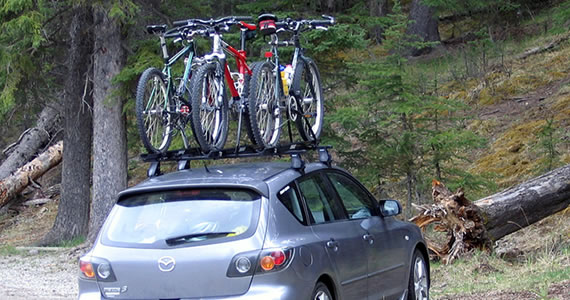
For the weekend warrior, it is wise to buy a roof rack. With this versatile accessory, one can carry bikes, snowboards, skis or just about anything else on the roof. This is perfect for a person who wants to keep their car empty for passengers and not accessories. This is a great add-on and will surely add value to the car.

Performance suspension package

With this inexpensive accessory, a driver can navigate city streets and the highways with ease. This is a great add-on as most people will appreciate the increased handling and agility of a car. In fact, soccer moms who want to drive around safely or driving enthusiasts who want to drive their cars to the max will love this useful accessory.

Air intake

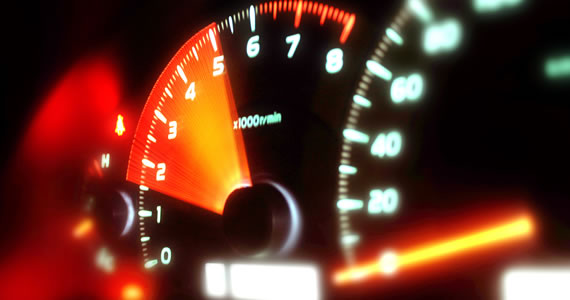
With an upgraded air intake system, a driver can enjoy more horsepower and better gas mileage. This is especially popular among racing enthusiast who want to get the most out of their investment. With this accessory, one can spend a few hundred dollars and increase the value of his or her vehicle quickly. What makes this an attractive solution is that a person with little mechanical knowledge or skills can get under the hood and install it without the help of a professional.

Lift kit

Some people, especially those living in the mountains or deserts, will appreciate a lift kit. For starters, it is easier to drive in certain areas with a vehicle that is higher off the ground. Furthermore, it is perfect for people who want to go off-roading and do not want to sustain any vehicle damage.
With these five add-ons, one can increase the versatility of their car and add resale value to the vehicle easily. Simply put, one should consider doing some of these simple upgrades.

3 Simple Steps to Interpreting Your Car’s Warning Lights

Failing to take appropriate action in response to a dashboard warning light can result in far more extensive problems and more costly mechanical repairs. Vehicle owners who wish to stay on top of their maintenance efforts or who are seeking to reduce the repair costs associated with operating their car or truck would be wise to learn how to correctly interpret their vehicle’s warning lights. From simple fixes that can be undertaken when you next stop for fuel to more serious issues that may require assistance from a technician, knowing what to do when your warning light turns on can make a key difference. 

Dashboard Warning Lights Can Alert You to Many Mechanical Issues

Dashboard warning lights are designed to alert owners to potential problems and situations that may require attention. With lights able to signal everything from low fuel and oil pressure to more serious problems with a vehicles engine, knowing how to interpret them is never a concern that should be left to chance. While a fuel status warning may simply mean you are overdue to stop at the pump, an oil pressure light or a check engine warning, especially in the presence of other mechanical issues or problems, may indicate that your vehicle requires immediate repair. 

Spotting a Serious Problem and Taking Prompt Action

Your vehicles engine has a number of sensors that monitor performance. A check engine warning light means that your vehicles engine control unit, a sophisticated on-board computer that monitors and regulates performance, has detected a problem. Delaying a service appointment or ignoring a check engine or oil pressure warning light can result in catastrophic damage to your vehicles engine, often requiring far more expensive repairs to remedy. According to Hackney Auto Repair , taking prompt and effective action when your warning light indicates a potential problem will ensure that you are able to address any issues before they develop into problems of a more severe nature. 

Learning More About a Specific Make or Model 

With a range of different warning lights depending on the make and year of your vehicle, referencing your owner’s manual in order to familiarize yourself with the layout and dashboard features of your car or truck can be most helpful. Speaking with a professional mechanic or an experienced repair technician may also alert you to any issues or potential problems that may be specific to your vehicle. Ensuring that your ECU, sensors, and warning lights are all operating correctly and learning how to respond to any warning light on your vehicle will allow you to reduce the risk of a more serious problem, issue or mechanical breakdown that could end up placing greater strain on your finances.

Five Minor Car Problems You Should Never Ignore

Keeping a car in good condition requires constant updates and care on your part. While it’s obvious when you need some major repairs, there are some minor problems that are just as important to take care of quickly so it they don’t get worse.

Worn-out Windshield Wiper Blades

Wiper blades are irritating when they begin to wear out. However, when you are stuck in a rain storm, the problem quickly turns into a serious hazard on the road. Remember that blades don’t only wear out from extended use. Long hours baking in the sun, or turning them on when snow and ice is built up on them can do just as much damage. Check your blades if you haven’t used them in a while or if bad weather is in the forecast.  It doesn’t hurt to carry a replacement set in the car for emergencies.

Low Fluid Levels

One of the best maintenance chores you can do for your car is check the oil regularly. When the oil level gets too low, the moving parts of the engine suffer increased friction and wear. If you lose all the oil, your engine will seize up and and you’ll have to replace it. Even though you may have a date or mileage to give you an idea of when it needs changed, make sure you check it every once in a while and before long trips. If you find that your oil level is dropping rapidly no matter how often you fill it, take it in to a mechanic to find the leak or any other problem that could damage your car.

Lights

Nothing is more unnerving than approaching a car from behind and suddenly realizing it isn’t moving because the break lights weren’t working. Because you never see your break lights when you drive, it’s likely you don’t think about them often. Check for broken headlights and tail lights and replace them immediately. Your ability to see in the dark, and your visibility to others, is crucial to your safety. It could also cost you a fine if a cop sees that your lights aren’t working properly.

Worn Tires

Never drive around on worn tires. As the tire’s tread wears down, a blowout becomes more likely. This is a hazard that becomes much worse in the rain or on slick, icy roads. Uneven wear on tires indicates a misalignment or other structural problem. Make sure that is taken care of before getting new tires, and keep a good set on your car, especially during the months of bad weather.

Chipped or Cracked Windshield

A chip or small break in the windshield might pass inspection, but sooner or later it’s going to give you trouble. Once a crack develops, you’ll have to replace the whole windshield, says professionals at Auto Glass in Los Angeles. By fixing the chip, you will maintain the factory seal around the glass.

Take these maintenance chores seriously and don’t let minor car problems create more expensive repairs for you in the future. These tips will help you stay safe on the road and save money on repairs.

Should I Buy or Lease? 5 Ways to Arrive at the Best Choice for You

Deciding whether to buy or lease a car can be a tough decision. Although a lease is cheaper, it may not give you the best value for your money. Here are five things to consider when determining whether to buy or lease your next car.

How Long Will You Want The Car For?

If you like to trade in your car every few years, a lease is certainly for you. Most leases run for two to four years. This means that you don’t want to buy something unless you plan on keeping it for five or more years. So, if you’re the type of person that needs a change every now and again, leasing is the way to go. If you want to find the perfect car that you’ll be happy with for ten years or more, obviously buying is a better choice.

How Stable Is Your Financial Situation?

Will you be able to make payments for the next five years on your car? If not, you should strongly consider leasing. According to car experts who specialize in auto repair in Edmonton, a lease is also easier to get out of because lenders relax their rules when another driver takes over the remaining portion of your lease. If you feel that you are in a position to make payments on a car, you can consider buying. Evaluating your financial situation for the future can be difficult because you can’t always anticipate losing your job, or your business going under. However, if you think events like this are likely in the future, leasing is a safer option.

Is It For Business Or Pleasure?

If you are getting a car for your company, a lease is the way to go. Your monthly lease payment can be written off as a business expense. If you are getting the car for yourself, you may want to consider buying it outright if you can afford to. You should also consider that you can take business deductions for depreciation if your company owns it outright as opposed to leasing it. The use of the car an really make a difference in your decision to buy or lease, so make sure you know what your options are before you go looking.

How Much Can You Afford?

Lease payments are typically lower than a new car payment. This means that you get more car for less. On the other hand, you don’t build equity in the car each time you make a payment. If your only option to get a new car is to lease, you should consider buying a used car instead. Choosing between buying and leasing will require you to examine your current financial situation. As discussed before, you can’t always predict how stable your finances will be in the future, however you can base your decision off of how your finances look currently.

How Much Do You Drive?

Many lease agreements restrict the amount of miles that you can drive in a year. Typically, you cannot drive more than 12,000 miles in a year. While you may be able to buy more miles, it is generally cheaper to buy a car if you need to drive more than 12,000 miles per year. Perhaps you don’t realize how much you drive, and maybe it varies depending on the day, week, or even the time of year. If you are unsure, you can talk to your regular mechanic about whether to lease or buy based on how much you drive. Many mechanics have digital records of how often you get your oil changed, so they can tell you how much you drive in a certain period of time, making it easier to decide whether leasing or buying is the way to go.

So, should you buy or lease your next car? That depends on your financial situation, how long you plan to drive the car and how much you drive each year. Once you determine how much you can afford and how you plan to use the car, you can make an educated decision for yourself. As you can see, there is a lot to consider when making this decision, but if you evaluate your current situation, you will probably find that either buying or leasing is the obvious choice for you.