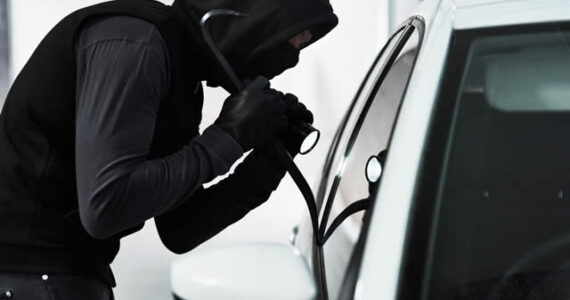
You lock your doors, park in a well-lit spot, and still worry that your car might be gone by morning. That concern is valid—and the good news is that today’s theft-prevention technology gives you real power to fight back.
The most effective way to protect your vehicle in 2026 is to layer modern tools: a GPS tracker for recovery, an immobilizer or kill switch to stop the engine, a smart alarm for alerts, and signal-blocking protection for your key fob. Together, these systems address both old-school break-ins and the digital tricks thieves now rely on.
There’s encouraging news behind these choices, too. Vehicle thefts in the United States fell 23% in the first half of 2025 compared to the same period in 2024, with 334,114 thefts reported, according to the National Insurance Crime Bureau (NICB, 2025).
Still, the National Highway Traffic Safety Administration reports that more than 650,000 vehicles were stolen in 2025—roughly one every 48 seconds (NHTSA, 2025). Smart protection matters, and this guide walks you through the technologies worth knowing.
Understanding Modern Auto Theft Threats
Car theft has moved well beyond the coat hanger and screwdriver. Thieves now use signal relay devices to capture and amplify the wireless code from your key fob, tricking your car into thinking the key is nearby. Others exploit the OBD-II diagnostic port to program blank keys or bypass factory security in minutes.
Older and newer vehicles alike are targets. America’s most-stolen models in early 2025 included the Hyundai Elantra, Hyundai Sonata, and Honda Accord (NICB, 2025). Understanding how these attacks work helps you pick protection that actually matches the threat, rather than paying for features you don’t need.
GPS Tracking and Real-Time Location Systems
A GPS tracker is one of the smartest investments you can make, because it works after a theft occurs—when recovery matters most. These devices report your car’s location in real time to your phone or a web dashboard, and many send instant alerts the moment your vehicle moves unexpectedly.
Hardwired units offer continuous, hidden monitoring, while portable trackers give you flexibility across multiple vehicles. Beyond helping police locate your car quickly, tracking data supports your insurance claim and can significantly improve recovery odds.
Immobilizer and Engine Kill Switch Technology
An immobilizer stops your engine from starting unless it detects the correct encrypted signal, making hotwiring nearly useless. This technology has a proven track record: one study found transponder keys reduced car theft by roughly 40% between 1995 and 2008 (The Zebra, 2026).
Engine kill switches take a hands-on approach by cutting power to the fuel pump or ignition until you re-enable it. Because a thief can’t drive away with a dead circuit, these systems offer strong, affordable protection against traditional theft methods.
Alarm Systems and Motion Detection
Modern alarms do far more than blare a siren. They combine door, window, shock, and motion sensors to detect tampering from several angles, then send a notification straight to your phone the instant something’s wrong. That means you know about a break-in attempt even when you’re blocks away.
Pairing your alarm with a professional monitoring service adds another layer of response—and may unlock additional insurance benefits, which we’ll cover shortly.
Steering Wheel and Pedal Locks
Sometimes the simplest tool is the most persuasive. A steering wheel lock or pedal lock creates a visible, physical barrier that opportunistic thieves would rather avoid. Faced with a locked wheel, most will move on to an easier target.
These mechanical devices need no wiring or professional setup, cost little, and work reliably year after year. Their biggest strength is psychological: a thief sees the deterrent before ever touching your door.
Key Fob Protection and Keyless System Security
If your car uses keyless entry, your key fob is a prime target for relay attacks. An RFID-blocking case or Faraday pouch stops your fob’s signal from being captured and amplified while it sits by your front door. It’s an inexpensive fix for a surprisingly common vulnerability.
Newer vehicles are responding, too, with encrypted authentication and motion-sensing fobs that go dormant when left still. When shopping for a new car, ask whether these protections come standard.
Dashcam and Security Camera Integration
A high-definition dashcam does double duty, recording both the road and any theft attempt while you’re parked. Models with 360-degree parking mode capture movement around your vehicle and can trigger recording when they sense an impact or approach.
The most reliable systems upload footage to the cloud, so even if a thief removes or damages the camera, your evidence stays safe—and ready to share with police.
OBD-II Port Protection
Because the OBD-II port gives direct access to your car’s electronics, it has become a favorite entry point for tech-savvy thieves. A simple port lock or protective cover blocks unauthorized devices from being plugged in to reprogram keys or disable security.
Professional installation ensures the lock secures the port without interfering with legitimate diagnostics during service visits. It’s a small addition that closes a serious gap.
Cellular and IoT-Connected Security Systems
Connected security systems use mobile networks to keep you in touch with your vehicle from anywhere. They send push notifications for unauthorized entry or unexpected movement, and some let you remotely disable the engine after a theft is reported.
Subscription services such as OnStar—starting around $25 per month—and radio-frequency recovery systems like LoJack, which advertises a high recovery rate, illustrate how far connected protection has come (The Zebra, 2026). For owners who want hands-off, always-on monitoring, these systems are hard to beat.
Insurance Benefits Worth Knowing
Protecting your car can also protect your wallet. Twelve U.S. states require insurers to offer anti-theft device discounts to policyholders with comprehensive coverage, and many national carriers offer them voluntarily (The Zebra, 2026). GEICO’s anti-theft discounts range from 5% to 23%, while Esurance offers 5% to 25%, depending on your setup and location.
Keep proof of installation for any device you add, since insurers often require documentation before applying a discount. It’s always worth a quick call to your agent to confirm what qualifies.
Selecting the Right Technology for Your Vehicle
Start by weighing three things: your car’s age and value, the theft rate in your area, and how thieves are targeting your specific model. A frequently stolen sedan in a high-theft city calls for more layers than a low-risk vehicle parked in a secure garage.
Look for systems that work well together—a tracker, an immobilizer, and a smart alarm complement one another beautifully. And budget for professional installation where it counts, since correct setup is what makes these tools dependable when you need them most.
Building a Protection Plan That Fits Your Life
The technology available today gives you genuine control over your vehicle’s safety, even as theft methods grow more sophisticated. The strongest defense pairs passive systems that work automatically—like immobilizers and encrypted key protection—with active monitoring that keeps you informed and ready to act.
Take a moment to review your current setup, note any gaps, and choose one or two upgrades to start. Then talk with a security professional and your insurance provider to shape a plan built around your car’s real-world risk. A little effort now brings lasting peace of mind every time you walk away from your vehicle.
- National Insurance Crime Bureau (NICB). "Nationwide Decline in Vehicle Thefts Continues Through First Half of 2025." September 17, 2025.
- National Highway Traffic Safety Administration (NHTSA). "Vehicle Theft Prevention." 2025.
- The Zebra. "Anti-Theft Device Discounts for Car Insurance." Updated May 13, 2026.
image credit: envato.com


 Gracie Hayden: Exactly, If we maintained our vehicle regularly, It will work properly...
 nathaliebieleu: This is one to get roadworthy and just drive and enjoy...
 James King: What if someone suffer from bad credit history?...
 Dorothy Catlett: I think, Parents should teach their kids by purchase a car with LOAN t...


