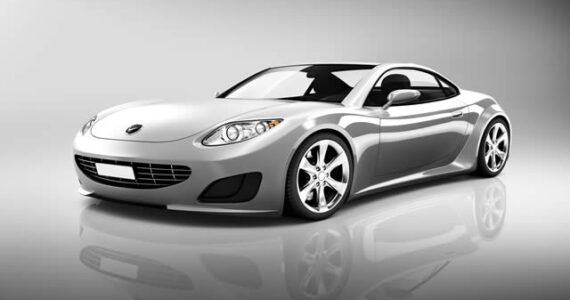
Wondering what your next car might look like—and whether it’s worth waiting for the 2027 lineup? You’re not alone. Plenty of drivers are holding off on big purchases, curious about the wave of redesigns and new electric models heading our way.
Here’s the short answer: 2027 will bring a noticeable shift toward cleaner, EV-inspired styling across nearly every type of vehicle, alongside the return of beloved nameplates and smarter, screen-focused interiors.
Whether you favor a sleek electric sedan or a rugged family SUV, the upcoming designs reflect a thoughtful balance of efficiency, technology, and everyday practicality. Below, we’ll walk you through the most exciting changes so you can plan your next move with confidence.
A New Design Language Takes Shape
The most significant trend for 2027 isn’t a single body style—it’s a unified visual direction. Manufacturers are applying clean, electric-inspired surfacing to gas, hybrid, and fully electric models alike. That means smoother body sides, simpler front ends, and shorter overhangs, even on vehicles that still run on traditional fuel.
This approach makes sense from both a design and a business standpoint. Many automakers now build several powertrain versions on a single platform, so one cohesive look can serve an entire range. For shoppers, this translates into more modern styling regardless of whether you choose electric or hybrid.
Electric Vehicles Set the Pace
Electric vehicles continue to lead automotive design innovation heading into 2027. Aerodynamic efficiency sits at the heart of these updates, producing sleeker profiles that improve range while giving each model a distinctly forward-looking character.
BMW offers a clear example. The upcoming BMW i3 and iX3 are both tied to the company’s next design language, with styling shaped specifically around electric architecture.
Chevrolet, meanwhile, is bringing back the Bolt as a redesigned and affordable EV—welcome news for budget-conscious buyers. Honda is also entering new territory with its Honda 0 Series SUV, the brand’s first electric vehicle developed entirely in-house, signaling a fresh chapter for Honda’s design philosophy.
SUVs Embrace a Tougher Look
While EVs lean into sleekness, the SUV segment is moving in a different and equally appealing direction. Expect more upright, squared-off shapes, particularly in the family and off-road categories where capability and presence matter most.
Nissan illustrates this shift well. The Nissan Rogue Hybrid and the returning Nissan Xterra point toward boxier, more outdoorsy styling built for adventure.
Kia is taking a complementary path with its redesigned Telluride, which keeps the bold, three-row presence buyers love while introducing a fresh body and updated cabin. For families who want both ruggedness and refinement, these designs strike a thoughtful balance.
Sedans Blend Style With Efficiency
Sedans are far from fading away. For 2027, several are evolving with multi-energy platforms and concept-inspired exteriors that feel genuinely contemporary.
The redesigned Toyota Corolla is expected to move to a new multi-energy platform, pairing improved efficiency with a more modern, concept-driven appearance.
On the luxury side, the Lexus ES redesign is set to feature a bolder exterior alongside hybrid and EV powertrains. Together, these updates show that the sedan still has a meaningful place—one that combines sophistication with environmental responsibility.
Interiors Go Digital
Step inside a 2027 model and you’ll likely notice the cabin first. Interiors are shifting toward larger central screens that handle infotainment, navigation, and vehicle controls in one place. This often means fewer physical buttons and a cleaner, more minimalist dashboard.
Beyond the screens, expect a greater emphasis on advanced driver-assistance technologies that improve both safety and convenience. The goal is a more intuitive and connected experience that feels natural rather than overwhelming—technology that supports your drive instead of distracting from it.
What This Means for Your Next Car
For everyday drivers, the 2027 lineup offers something genuinely useful: more choice without forcing a single compromise. You can enjoy modern, efficient styling whether you commit to an electric vehicle or stick with a familiar hybrid or gas model.
Returning names like the Bolt and Xterra also mean trusted favorites are coming back with thoughtful improvements.
If you’re deciding when to buy, it may be worth watching how these redesigns roll out. Shoppers who value the latest technology and styling might find the wait rewarding, while those who simply need reliable transportation today still have plenty of strong options.
Designs Worth Looking Forward To
The 2027 automotive landscape reflects a careful blend of innovation and practicality. Cleaner EV-inspired styling, tougher SUVs, smarter sedans, and increasingly digital interiors all point to vehicles designed around how people actually live and drive.
Rather than chasing novelty for its own sake, manufacturers are refining the driving experience with sustainability and usability in mind.
As you consider your next vehicle, take time to explore the models that match your priorities—whether that’s range, capability, comfort, or cost. Visiting a local dealership or following trusted automotive reviews as these designs debut will help you make a confident, well-informed choice.
- Car and Driver, “Future Cars Worth Waiting For,” caranddriver.com, 2025.
- Nissan USA, “Future and Concept Vehicles,” nissanusa.com, 2025.
- USA Today, “New Cars Generating the Most Hype for 2026 and 2027,” usatoday.com, 2026.
- Car and Driver, “Future Cars: The Complete Guide,” caranddriver.com, 2025.
- Consumer Reports, “New Cars on the Horizon,” consumerreports.org, 2025.
image credit: envato.com



 Gracie Hayden: Exactly, If we maintained our vehicle regularly, It will work properly...
 nathaliebieleu: This is one to get roadworthy and just drive and enjoy...
 James King: What if someone suffer from bad credit history?...
 Dorothy Catlett: I think, Parents should teach their kids by purchase a car with LOAN t...


