All posts tagged electric vehicles

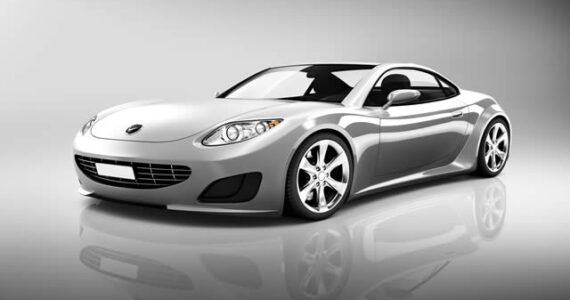
The Future of Driving: What to Expect from 2027 Auto Designs

auto design

Wondering what your next car might look like—and whether it’s worth waiting for the 2027 lineup? You’re not alone. Plenty of drivers are holding off on big purchases, curious about the wave of redesigns and new electric models heading our way.

Here’s the short answer: 2027 will bring a noticeable shift toward cleaner, EV-inspired styling across nearly every type of vehicle, alongside the return of beloved nameplates and smarter, screen-focused interiors.

Whether you favor a sleek electric sedan or a rugged family SUV, the upcoming designs reflect a thoughtful balance of efficiency, technology, and everyday practicality. Below, we’ll walk you through the most exciting changes so you can plan your next move with confidence.

A New Design Language Takes Shape

The most significant trend for 2027 isn’t a single body style—it’s a unified visual direction. Manufacturers are applying clean, electric-inspired surfacing to gas, hybrid, and fully electric models alike. That means smoother body sides, simpler front ends, and shorter overhangs, even on vehicles that still run on traditional fuel.

This approach makes sense from both a design and a business standpoint. Many automakers now build several powertrain versions on a single platform, so one cohesive look can serve an entire range. For shoppers, this translates into more modern styling regardless of whether you choose electric or hybrid.

Electric Vehicles Set the Pace

Electric vehicles continue to lead automotive design innovation heading into 2027. Aerodynamic efficiency sits at the heart of these updates, producing sleeker profiles that improve range while giving each model a distinctly forward-looking character.

BMW offers a clear example. The upcoming BMW i3 and iX3 are both tied to the company’s next design language, with styling shaped specifically around electric architecture.

Chevrolet, meanwhile, is bringing back the Bolt as a redesigned and affordable EV—welcome news for budget-conscious buyers. Honda is also entering new territory with its Honda 0 Series SUV, the brand’s first electric vehicle developed entirely in-house, signaling a fresh chapter for Honda’s design philosophy.

SUVs Embrace a Tougher Look

While EVs lean into sleekness, the SUV segment is moving in a different and equally appealing direction. Expect more upright, squared-off shapes, particularly in the family and off-road categories where capability and presence matter most.

Nissan illustrates this shift well. The Nissan Rogue Hybrid and the returning Nissan Xterra point toward boxier, more outdoorsy styling built for adventure.

Kia is taking a complementary path with its redesigned Telluride, which keeps the bold, three-row presence buyers love while introducing a fresh body and updated cabin. For families who want both ruggedness and refinement, these designs strike a thoughtful balance.

Sedans Blend Style With Efficiency

Sedans are far from fading away. For 2027, several are evolving with multi-energy platforms and concept-inspired exteriors that feel genuinely contemporary.

The redesigned Toyota Corolla is expected to move to a new multi-energy platform, pairing improved efficiency with a more modern, concept-driven appearance.

On the luxury side, the Lexus ES redesign is set to feature a bolder exterior alongside hybrid and EV powertrains. Together, these updates show that the sedan still has a meaningful place—one that combines sophistication with environmental responsibility.

Interiors Go Digital

Step inside a 2027 model and you’ll likely notice the cabin first. Interiors are shifting toward larger central screens that handle infotainment, navigation, and vehicle controls in one place. This often means fewer physical buttons and a cleaner, more minimalist dashboard.

Beyond the screens, expect a greater emphasis on advanced driver-assistance technologies that improve both safety and convenience. The goal is a more intuitive and connected experience that feels natural rather than overwhelming—technology that supports your drive instead of distracting from it.

What This Means for Your Next Car

For everyday drivers, the 2027 lineup offers something genuinely useful: more choice without forcing a single compromise. You can enjoy modern, efficient styling whether you commit to an electric vehicle or stick with a familiar hybrid or gas model.

Returning names like the Bolt and Xterra also mean trusted favorites are coming back with thoughtful improvements.

If you’re deciding when to buy, it may be worth watching how these redesigns roll out. Shoppers who value the latest technology and styling might find the wait rewarding, while those who simply need reliable transportation today still have plenty of strong options.

Designs Worth Looking Forward To

The 2027 automotive landscape reflects a careful blend of innovation and practicality. Cleaner EV-inspired styling, tougher SUVs, smarter sedans, and increasingly digital interiors all point to vehicles designed around how people actually live and drive.

Rather than chasing novelty for its own sake, manufacturers are refining the driving experience with sustainability and usability in mind.

As you consider your next vehicle, take time to explore the models that match your priorities—whether that’s range, capability, comfort, or cost. Visiting a local dealership or following trusted automotive reviews as these designs debut will help you make a confident, well-informed choice.

References

  • Car and Driver, “Future Cars Worth Waiting For,” caranddriver.com, 2025.
  • Nissan USA, “Future and Concept Vehicles,” nissanusa.com, 2025.
  • USA Today, “New Cars Generating the Most Hype for 2026 and 2027,” usatoday.com, 2026.
  • Car and Driver, “Future Cars: The Complete Guide,” caranddriver.com, 2025.
  • Consumer Reports, “New Cars on the Horizon,” consumerreports.org, 2025.

image credit: envato.com

Finding The Balance: Domestic Vs. Foreign Cars On American Roads

cars on the road

Driving down any highway in the United States offers a fascinating glimpse into the diverse tapestry of American life. Much like a well-tended garden features a variety of plants thriving side-by-side, our roads are filled with a mix of vehicles that reflects our personal choices, economic shifts, and global connections.

You might see a rugged Ford truck in one lane and a sleek Toyota sedan in the next. This blend of domestic and foreign automobiles is more than just a matter of branding; it tells the story of how our automotive landscape has evolved over time.

For many families, choosing a vehicle is one of the most significant investments they will make, second only to their home. Understanding the current balance between domestic and foreign vehicles helps us appreciate the market dynamics at play.

This guide aims to provide you with a clear, authoritative overview of the current percentages of domestic versus foreign cars on U.S. roads. We will explore what these numbers mean for you as a consumer and how the definitions of "domestic" and "foreign" have softened into a cooperative global ecosystem.

Current Market Share: Domestic Vehicles

When we speak of domestic vehicles, we are traditionally referring to the "Detroit Three"—General Motors, Ford, and Stellantis (formerly Fiat Chrysler, and before that, Chrysler).

According to recent industry analysis from organizations like Cox Automotive and various sales reports from 2023 and 2024, these manufacturers currently hold approximately 40 to 41 percent of the total U.S. market share. This figure represents a dedicated portion of the driving population that values the heritage and specific utility often associated with American brands.

Several factors contribute to this enduring presence. The primary driver for domestic market share is the overwhelming popularity of pickup trucks and large SUVs. The Ford F-Series, the Chevrolet Silverado, and the Ram pickup consistently rank as the top-selling vehicles in the country.

For many homeowners and workers who require towing capacity or hauling power for their gardens and renovation projects, domestic trucks remain the preferred choice. However, it is worth noting that while their grip on the truck market is firm, domestic brands have ceded significant ground in the sedan and compact car segments to international competitors.

Current Market Share: Foreign Vehicles

In contrast to the domestic figures, foreign-headquartered automakers currently command the majority of the U.S. market, holding approximately 59 to 60 percent of the total share. This group includes Asian giants like Toyota, Honda, Nissan, Hyundai, and Kia, as well as European luxury and performance brands such as Volkswagen, BMW, and Mercedes-Benz.

Toyota alone often competes neck-and-neck with General Motors for the title of the single best-selling automaker in America, illustrating just how integrated these brands have become in our daily lives.

The factors driving this majority share are rooted in a reputation for reliability, fuel efficiency, and value retention. For decades, consumers looking for dependable family sedans or fuel-sipping commuters have turned to models like the Toyota Camry or the Honda Civic.

Furthermore, foreign manufacturers have been aggressive in expanding their lineups to include the SUVs and crossovers that American families love.

The perception of foreign vehicles has also shifted from being purely economical alternatives to being leaders in technology and safety, making them a comforting choice for parents prioritizing the well-being of their passengers.

Historical Trends In The Automotive Industry

To understand where we are today, it is helpful to look back at the path we have traveled. In the 1960s, the American road was almost exclusively dominated by domestic manufacturers, who held over 85 to 90 percent of the market.

The landscape began to shift dramatically during the oil crises of the 1970s, which prompted drivers to seek smaller, more fuel-efficient cars—a need that Japanese manufacturers were well-positioned to meet.

This trend accelerated through the 1980s and 1990s as foreign brands established a reputation for quality manufacturing. A significant turning point occurred during the 2008 financial crisis, which hit American manufacturers particularly hard, leading to restructuring and a temporary dip in production and consumer confidence.

Since then, the market has stabilized into the current split, but the trajectory shows a long-term erosion of domestic dominance in favor of a competitive, global marketplace where quality wins over origin.

Factors Influencing Vehicle Choice

The decision to purchase a vehicle is rarely made based on statistics alone; it is a deeply personal choice influenced by our daily needs and values. Consumer perception plays a massive role here.

For some, buying a domestic car is a patriotic act, a way to support local heritage and traditional American industry. For others, the priority is longevity, with brands like Toyota and Honda benefiting from a decades-long reputation for engines that run for hundreds of thousands of miles with minimal fuss.

Price and technology also weigh heavily on these decisions. In the past, foreign cars were often seen as the budget-friendly option, but today, pricing is competitive across the board.

Innovations in safety features, infotainment systems, and interior comfort often sway buyers more than the badge on the grille. We are also seeing a rise in loyalty based on vehicle type; a driver who loves the feel of a specific truck or the convenience of a particular crossover is likely to stick with that brand, regardless of its corporate headquarters.

Economic Impact Of Manufacturing

The economic reality of the automotive industry is far more intertwined than the labels "domestic" and "foreign" suggest. It is crucial to recognize that foreign automakers have invested billions of dollars into the U.S. economy.

Companies like Toyota, Honda, BMW, and Hyundai operate massive manufacturing plants in states like Kentucky, Ohio, South Carolina, and Alabama. These facilities employ tens of thousands of American workers. Therefore, buying a "foreign" car often supports American manufacturing jobs just as directly as buying a domestic one.

Conversely, domestic brands often source parts from a global supply chain and assemble some vehicles outside the United States. This cross-pollination means that the economic impact is shared.

The presence of foreign manufacturers has revitalized local economies in the South and Midwest, creating a manufacturing belt that rivals Detroit. This competition has pushed all manufacturers to improve quality and efficiency, ultimately benefiting the American economy through sustained employment and technological innovation.

Future Outlook And Emerging Trends

As we look toward the horizon, the balance between domestic and foreign market share is poised for another shift, driven largely by the transition to electrification. Electric vehicles (EVs) are rewriting the rules of the road.

Tesla, an American company, currently dominates the EV sector, which boosts the "domestic" statistics in a new way. However, legacy foreign automakers are rapidly releasing competitive electric models, and new players from global markets are eager to enter the fray.

We are also likely to see continued blurring of the lines regarding where a car is made. As incentives for domestic production increase, more foreign brands may localize their supply chains within the U.S. to qualify for tax credits.

This means the future market will likely be defined less by where a company’s headquarters is located and more by where they invest their manufacturing resources. For the consumer, this promises a future rich with options that are cleaner, safer, and more advanced.

Navigating The Road Ahead

Understanding the breakdown of domestic versus foreign vehicles on our roads gives us a clearer picture of the automotive ecosystem we rely on. With domestic brands holding roughly 40 percent of the market and foreign brands capturing the remaining 60 percent, it is evident that American drivers value variety, reliability, and utility above rigid loyalty to origin.

Whether you are hauling soil for a spring garden in a domestic truck or commuting to the office in an efficient foreign sedan, your choice contributes to a vibrant and competitive marketplace. Ultimately, the best vehicle is the one that brings you peace of mind and fits seamlessly into your life.

image credit: envato.com

Resources

  • Cox Automotive. (2024). Kelly Blue Book and Cox Automotive Industry Insights.
  • Bureau of Transportation Statistics. (2023). National Transportation Statistics.
  • United States Environmental Protection Agency. (2023). Automotive Trends Report.
  • Edmunds. (2024). Automotive Market Share and Sales Data.