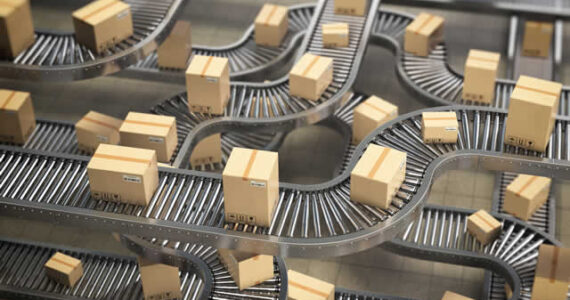
In today’s globalized world, the automotive industry relies heavily on an extensive supply chain network. But recent years have seen the emergence of significant Automotive Supply Chain Issues causing disruptions that have far-reaching implications. These disruptions can have a direct impact on the production and delivery of new cars.
Impact of Automotive Supply Chain Issues
One of the major challenges faced by the automotive industry is maintaining a stable supply chain. The recent COVID-19 pandemic has exposed the vulnerabilities within this complex network. Despite efforts to diversify sourcing, many automakers still heavily rely on suppliers from a few regions, leading to significant disruptions when those regions are hit by crises.
In addition, the automotive industry is facing an unprecedented rise in demand, driven by increasing consumer expectations for advanced technology and sustainability. This has put pressure on suppliers to quickly ramp up production and meet stringent deadlines, resulting in quality control issues and delays.
The Epicenter of Disruption
Primarily, the disruptions are taking place at the beginning of the supply chain. Semiconductor manufacturers, who primarily catered to various industries, including automotive, faced a significant shift in focus during the pandemic.
With the surge in demand for laptops, gaming consoles, and other devices for remote work and leisure, they had to redirect their resources to meet the increased consumer electronics needs.
While this change has led to the growth of the consumer electronics market, it has also created a backlog in chip availability for automotive manufacturers, impacting their production and causing delays in the industry.
Impact on Auto Production and Maintenance
The impact on auto production has been significant, as many manufacturers have been forced to slow down or even halt production due to various challenges. This situation has not only affected the availability of new vehicles in the market, but it has also resulted in increased prices, making it more difficult for consumers to afford to purchase new cars.
As a result, individuals seeking to buy a new vehicle are facing a more challenging and competitive market, requiring them to carefully consider their options and finances before making a decision.
The ongoing supply chain issues have had a significant impact on the aftermarket, specifically affecting vehicular maintenance. The scarcity of replacement parts has resulted in not only increased costs but also more time-consuming procedures, causing a domino effect of prolonged downtime for vehicles. Businesses and individuals are facing the challenge of finding alternative solutions and strategies to mitigate these disruptions and ensure efficient operations.
Future Remedies
Looking to the future, there are several potential remedies to these supply chain issues. One is to diversify supply chains and reduce dependence on a single geographical location or supplier. This would involve investing in new manufacturers or encouraging existing ones to broaden their capabilities.
Furthermore, manufacturers can invest in predictive analytics and AI to foresee potential disruptions and adjust their production plans accordingly. They could also consider stockpiling critical components during stable periods to ensure a steady supply during disruptions.
Another key remedy is closer collaboration between car manufacturers and their suppliers, to better align production and demand schedules, reducing the likelihood of future disruptions.
In conclusion, while the automotive industry faces significant challenges due to these supply chain disruptions, these issues also present an opportunity to build a more resilient, diversified, and technologically advanced supply chain for the future. By adapting and innovating, the industry can overcome these challenges and continue to thrive.
image credit: envato.com


 Gracie Hayden: Exactly, If we maintained our vehicle regularly, It will work properly...
 nathaliebieleu: This is one to get roadworthy and just drive and enjoy...
 James King: What if someone suffer from bad credit history?...
 Dorothy Catlett: I think, Parents should teach their kids by purchase a car with LOAN t...


