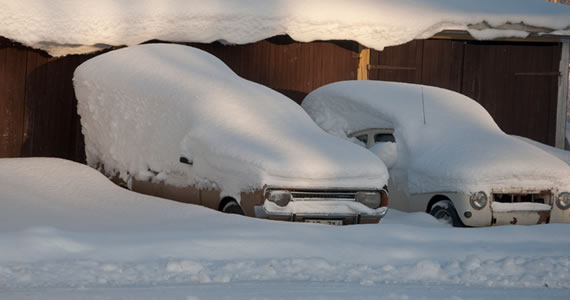
It’s always a good idea to keep your car in top shape. People spend more time in their vehicles than they may realize, and a broken down car can leave you stranded. The condition of your car is especially important in the wintertime. The best time to get ready is long before the first snow falls. A little bit of preparation before the temperature drops will give you a peace of mind when you’re on the road. Here are five tips to get your car ready for winter driving:
Check Your Tires
Snow, sleet and ice can make for slick, treacherous conditions. It’s vital that your car have a good set of tires; they are the one part of your car that has direct contact with the road. The National Highway Transportation Safety Board advises that a tire’s treads should be at least 1/16th of an inch deep. If you’ve been meaning to get new tires, there’s no better time than before the winter weather hits.
Give Your Car a Checkup
While you’re looking into your tires, have your mechanic can make sure your vehicle is ready for winter driving. Have him check your battery, belts, hoses, spark plugs and other parts that need to be in top shape to handle the extra stress of winter weather.
Antifreeze and Oil
The two most important liquids in your car after gasoline are its antifreeze and oil. Antifreeze prevents freeze ups. If your coolant is too old, it might not stand up to the cold. The oil you use in the summer months may not work as well colder temperatures. Synthetic oil is designed to do just that. Check with your mechanic to see what oil would work best for your car.
Wiper Blades
Winter weather can wreak havoc on wiper blades, affecting your visibility. Visibility is essential to safe driving. Although drivers depend on their vehicles’ wiper blades to clear away rain, sleet and snow, many wait to replace them until they need them the most. Most blades should be replaced every 6 months but winter weather blades are specifically designed to function sever conditions.
Emergency Kit
Despite all the preparation, sometimes getting stranded is unavoidable and can happen at any time, whether your car is new or old. A range of problems can cause it, from a tire failure or mechanical breakdown to running out of fuel. Make sure your car is stocked with a few do-without items to help you get through a stay in a cold car.
- Blankets
- Extra gloves, boots and hats
- Flashlight with extra batteries
- Ice scraper and small shovel
- Jumper cables
- First aid kit
- Flares
Winter weather can be unpredictable. Severe weather can be both frightening and dangerous for travel. Drivers should know the safety rules for dealing with winter road emergencies. Repairs for trucks and cars can mount during the winter months, but a little prevention beforehand can save time and money.


 Gracie Hayden: Exactly, If we maintained our vehicle regularly, It will work properly...
 nathaliebieleu: This is one to get roadworthy and just drive and enjoy...
 James King: What if someone suffer from bad credit history?...
 Dorothy Catlett: I think, Parents should teach their kids by purchase a car with LOAN t...


