Slip-Sliding Away: 3 Tactics To Avoid Car Accidents This Winter

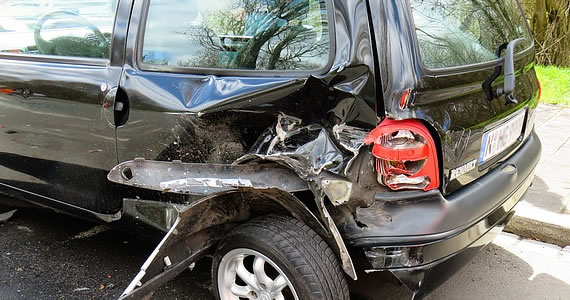
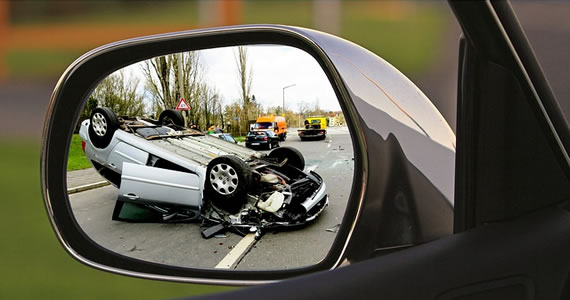
The winter months bring a lot of nasty weather that can leave the roads coated in ice and snow. Even if it is warm enough for a storm to bring rain instead of ice or snow, it is still easy to get into an accident. What are some things that you can do to avoid getting into a car crash this winter?

Check Your Car Before You Leave

Before you leave home, school or work, make sure that your car is in good physical condition. If you notice that the tires need air, don’t hesitate to find a gas station and inflate them right away. Better yet, you can buy a portable inflation unit that allows you to complete the task quickly and easily no matter how much experience you have with car maintenance. Other issues to look for include fluid leaking from the car or the car not starting when you turn the key.

Don’t Drive Faster Than Road Conditions Allow

The easiest way to get into an accident is to drive too fast for road conditions. Even if the speed limit on the highway is 55 miles per hour, you should go 10 to 20 miles per hour under that in a snow or rain storm. This ensures a safe following distance and lowers the risk that you will skid or slide off of the road.

Avoid The Roads If You Can

If you know that it is going to snow or otherwise be hazardous outside, you should just stay home if you can. In the event that you have to go to work, you could call your boss and ask to come in late or work from home instead of putting yourself in danger. Most employers would rather lose you for the day as opposed to risking your long-term safety.

What If You Are In An Accident?

After an accident, the first thing that you will want to do is call an attorney, like the professionals at Randall A. Wolff & Associates, Ltd. He or she will review the case and let you know how to get any compensation that you may be entitled to. Having in mind which lawyer you would like to use well before any car accident is also a great idea as it will be one less thing that you have to worry about.

Car accidents are never fun regardless of when they occur. However, winter crashes may be more dangerous because you could be stranded in cold weather for hours at a time. Therefore, it is in your best interest to avoid them at all costs through good planning and safe driving habits.

5 Ways a Car Accident Can Change Your Life

No matter how safe of a driver you might be, an accident can take place at any time. While everyone hopes these situations will be resolved quickly, they often devolve into serious legal battles if any injuries have taken place. Here are just five of the ways that your next accident could end up changing your life.

Points on Your License

When a driver goes to traffic school for the first time, they should learn about the point system and how it will impact their ability to drive. While every state is slightly different, drivers who are at fault for an accident will generally have one or more points placed on their license for up to five years. Those who accumulate too many points could have their license suspended.

Legal Troubles

If an auto accident turns into a trial, it can become a very expensive situation for all parties involved. This is especially common if the driver who caused the accident was under the influence of drugs or alcohol. In those scenarios, the charges can result in a license suspension or even time in jail. Drunk drivers might also need to install an ignition interlock device in their vehicle once their license has been reinstated.

Chronic Injuries

Immediately following an accident, many drivers and passengers do not even realize they are injured because of their adrenaline. Unfortunately, patients who are not treated immediately often develop lifelong injuries and disabilities. Those who do not receive fair compensation to cover their medical expenses should speak with an experienced personal injury attorney, like Jack W Hanemann,P.S. about their legal options.

Expensive Repairs

In addition to medical bills, many drivers face expensive repairs after an accident. When the damage is severe enough, the car will be declared a total loss and the owner must find the funds to purchase a new vehicle. While your insurance might cover some of the expenses, it is not always enough to replace your old car with a similar make and model.

Higher Insurance Premiums

Many drivers do not realize that the increase in their insurance premiums can be the most expensive part of getting into an accident. In some cases, the points on your license will not come off for many years, and your insurance premiums will stay at a much higher rate until those points are removed.

Once an accident has taken place, it is important for all drivers involved to immediately begin taking steps to protect their health, finances, and driving record.

New vs Used: Why a Used Car Will be Easier on Your Finances

Shopping for a car can be both exciting and stressful at the same time. Whether you are upgrading to next year’s model or putting the old car to rest, buying another car can be a tough experience when you don’t know what to look for.

There normally are two options: buying new, or buying used. Buying new usually involves taking out loans, getting credit approved, and signing a lease for the next several years. While this process works for some, there are several reasons why buying a used car is better and easier financially in the long run.

Used Cars Are More Expensive For No Reason

While the phrase "you get what you pay for", normally rings true, it is not always so when buying a new car. The price of a new car is inflated tremendously compared to used cars, even in just a few years difference. When looking at the cars side to side, there is hardly a difference to constitute thousands of dollars in price, so why buy new, other than to have the latest and greatest for show.

When comparing the features between model years, there usually are only minute differences in trim or design. It is a safe bet to say that used cars still contain these features, just without the flashy, extraneous options of a new car. A used car will run a fraction of the price for just as much car. Another factor to consider is insurance. The cost of insurance for a brand new car is more than any other comparably priced vehicle.

It is much cheaper to invest in a cheaper, used car, paying less money for the car itself and for insurance over the next several years. When looking for a vehicle, dealerships like Milton Ruben Toyota have a large selection of certified used vehicles fit to save you money and provide you with safe transportation.

Used Cars Have More Documentation

Most manufacturers guarantee their new cars to be almost flawless and lack problems in the warranty span, but a new model year vehicle with different options has a different formula for how the vehicle operates. It may undergo rigorous testing in the factory, but it is unknown what problems it will obtain in its span of life. Used cars have had their problems documented over time, and people have been trained in ways to recognize potential problems before they come.

Cars will eventually need servicing, whether it is new or used. It is safe to say a used car has more actual usage information on it than a new car. After the warranty runs out on a new car, the repairs are much more expensive than older cars, due to the new technology used on the car. It is wiser to invest in a less expensive, older vehicle, and spend the required money to bring the vehicle up to appropriate maintenance standards.

Used cars are an excellent way to save money in daily finances. The cost of insurance combined with new car payments can sometimes be overwhelming. Shopping used can save you money in the beginning and in the long run of your vehicle ownership.

Hazards On The Road: 5 Tips For Preparing Your Car For Anything

Traveling by automobile and taking road trips can be a fun experience; however, there are many different things that can happen while you’re traveling that are not enjoyable and can be dangerous if you’re not prepared properly. Below are five tips for preparing your car for the worst.

Emergency Supplies

If you plan on traveling to remote areas away from cell towers and the rest of the world, you’ll need to be ready for bad weather and other hazards. Having your vehicle break down during a blizzard or rainstorm while you’re trapped inside without any emergency supplies like blankets, food, water, flashlights, flares, first aid kits, or warm clothing could mean a potentially dangerous situation.

Tires

It may seem like common sense, but don’t drive on bald tires and always have a spare handy in case of a flat. Make sure your spare tire is in good shape or you may end up with a flat spare, too. You may also consider getting snow tires if you live in an area that is prone to heavy snowfall.

Make Sure Your Heater And Air Conditioner Works

If you’re on a trip traveling through extremely hot or cold weather, make sure your air conditioner and heater are working properly. If neither one works, nor you only have the means to fix one, fix your air conditioner. When it’s cold out, you can always layer up, but if it’s hot, you run the risk hyperthermia if you don’t have enough water on hand.

Get Your Battery Checked

Batteries don’t last forever, and you could very well end up on the side of the road with a dead vehicle due to a bad battery. This is a frustrating experience, especially if you’re stuck in traffic, rain, snow, or heat. If you plan on traveling a long distance or you think your battery is on its last legs, get a local mechanic or dealership, such as Rebel Ford, to check the charge of it for you if you don’t have means to test it yourself.

Check The Antifreeze

Checking your cooling system for leaks and replacing your antifreeze before the winter and summer months is essential. A vehicle with an antifreeze leak could mean that your car or truck is moments away from a disaster. Problems present themselves as an overheated engine, or in extreme cases, and damaged engine block.

Utilizing these tips above will ensure your safety when traveling in your vehicle long distances or in adverse weather conditions. Remember, being preventative is the key to avoiding many of the hazards the road can throw at you.

What’s That Noise? 5 Common Car Issues and How to Fix Them

Automobile engines and drivetrains are devices that are precisely designed to perform certain tasks efficiently. When parts wear out or become misaligned, it can create telltale noises that tell the car owners that something is not right. These noises can also indicate a larger problem to come in the future. Here are a few of the most common auto noises and what you can do to get your vehicle running smoothly again:

The “Clunk” of Transmission Problems

Sometimes, an impending transmission problem will produce a clunking/thunking sound as it changes gears. Replacing a transmission is an expensive proposition. However, if you intend to keep the car for a number of years, it may be cost-effective to do the replacement. In other cases, the “clunk” can originate in transmission mounts or U-joints, so have your mechanic check these items on the vehicle, as well.

The “Grind” of Engine Starter Problems

The grinding sound you may hear when you start your vehicle is usually associated with starter problems. However, a bad starter can also damage the teeth on the flywheel, which can continue to make grinding sounds, even after the starter is replaced. Have your mechanic check both problems to ensure an effective repair.

The “Chirp” of Brake Problems

The manufacturer of your vehicle may have designed a feature into your car that makes a noise when your brakes need replacement. The feature is often a chirping sound that tells the owner it’s time to take the car in for repair. If you have recently had your brakes replaced, the noise may be from another type of defect. In some vehicles, a problem with the calipers can cause incessant chirping that can drive you crazy. Ask your mechanic to look at the calipers in case they need replacement. Brake problems are just one step away from an accident lawsuit by a firm like Loughlin Fitzgerald P C, so make sure to take them seriously.

The “Hiss” of Engine Vacuum Problems

The “hiss” sound can be heard whenever the engine is running, but it is most noticeable when the car is idling. The sound usually means that a rubber or plastic vacuum line is has split or degraded. Replace the line, and your car will be quiet again. A hissing sound can also mean that a radiator cap is damaged and needs replacement.

The “Grumble” of Water Pump Problems

If you hear a deep grumbling sound when idling, it probably means your water pump is near the end of its usefulness and needs replacement. The bearings of the pump can fail and cause additional damage to your radiator. Consult your mechanic immediately for a replacement pump.

Your automobile has its own language that can provide critical information on problems that have developed. If you become fluent in interpreting these communications, you will be better able to keep your car on the road, functioning at top efficiency.