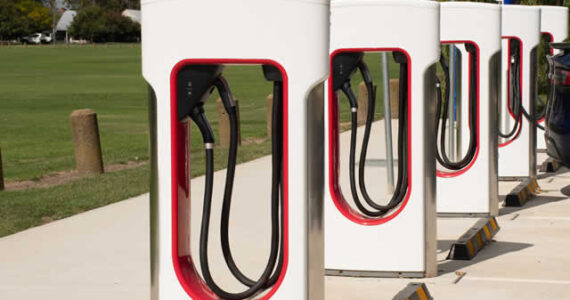
The Rise of Hybrid Vehicles and Their Role in a Sustainable Future

hybrid car

Hybrid vehicles have become a crucial player in the race to combat climate change. Combining the benefits of traditional combustion engines with electric technology, hybrids offer an efficient, environmentally friendly driving solution.

With major automakers like Toyota leading the charge, hybrid vehicles are addressing consumer demand for greener transportation while pushing the auto industry toward a more sustainable future.

Whether you’re an eco-conscious driver looking to reduce your carbon footprint or just exploring your next car purchase, this post will cover everything you need to know about hybrid vehicles. From their benefits and market trends to challenges and future innovations, we’ll explore why hybrids are no longer just a trend, but a step forward in the fight against climate change.

The Dominance of Hybrid Vehicles in the Market

Hybrid vehicles have carved out a significant niche in the automotive market, blending electric power with traditional gas engines. Leading the charge in innovation is Toyota, one of the pioneers in this space, with the iconic Prius paving the way as the first mass-produced hybrid vehicle in the late 1990s.

Today, Toyota continues to dominate with models like the RAV4 Hybrid and Camry Hybrid, along with its plug-in hybrids (PHEVs) such as the Prius Prime.

Other automakers are also making strides. Honda, Hyundai, and Ford have rolled out successful hybrid models, responding to consumer demand for sustainable transportation. Globally, hybrid vehicle sales continue to rise, with a 76% year-over-year spike in U.S. hybrid car sales in 2021 alone, according to Automotive News.

These versatile cars fill the gap between the efficiency of fully electric vehicles and the convenience of traditional gasoline-powered cars, making them increasingly popular among a wide range of drivers.

Growing Consumer Demand for Hybrid Vehicles

It’s no surprise that demand for hybrid vehicles continues to rise, especially among environmentally conscious consumers. Hybrid cars address two major concerns for modern car buyers:

  • 1. Environmental Impact

    With increasing awareness of climate change, consumers are seeking sustainable alternatives to gas-guzzling vehicles. Hybrid cars emit significantly less CO2 than their traditional counterparts, making them an appealing choice for the eco-conscious driver.

  • 2. Cost Efficiency

    Rising fuel prices are pushing motorists to rethink their choices. Hybrid technology reduces fuel consumption, making these vehicles not just greener, but more economical in the long run.

According to a recent survey by Deloitte, 64% of global consumers say they are considering hybrid or electric vehicles for their next car purchase. This growing interest suggests that hybrids will continue to play a pivotal role in the automotive landscape as consumers prioritize sustainability without sacrificing convenience.

Why Choose a Hybrid?

Hybrid vehicles come with an impressive list of benefits that appeal to both the head and heart of modern drivers:

  • 1. Reduced Fuel Consumption

    Hybrid vehicles switch seamlessly between their gas-powered engine and electric motor, reducing the amount of fuel used. For example, the Toyota Prius achieves an EPA-estimated 56 MPG in city driving, significantly reducing the need for constant refueling.

  • 2. Lower Carbon Emissions

    Hybrids burn less fuel and produce fewer harmful emissions. A typical hybrid vehicle can reduce emissions by up to 35% compared to a standard gas-powered car.

  • 3. Convenience Without Range Anxiety

    Unlike fully electric vehicles, hybrids don’t require extensive planning for charging stops. The gasoline engine acts as a safety net to provide backup energy for long road trips or when charging isn’t accessible.

  • 4. Cost Effectiveness Over Time

    Although hybrids often have a higher upfront cost, their fuel efficiency provides significant savings over time. Many governments also offer rebates and tax credits for hybrid buyers, making the switch even more economical.

  • 5. Advanced Features and Tech

    Modern hybrid models come equipped with cutting-edge technology, including regenerative braking, advanced navigation systems, and even driver-assistance features, enhancing both efficiency and safety.

The Challenges and Misconceptions About Hybrid Vehicles

While hybrid vehicles come with many advantages, certain myths and challenges still linger, slowing their widespread adoption. Here’s the truth about the most common concerns:

  • Cost Premium

    It’s true that hybrid vehicles often have a higher sticker price compared to traditional cars. However, the long-term fuel savings, coupled with tax incentives, often offset this initial investment.

  • Battery Longevity

    Many drivers worry about the lifespan of hybrid batteries. However, most automakers offer warranties between 8 and 10 years, and advancements in technology have made batteries more durable and efficient.

  • Complex Maintenance

    Another common misconception is that hybrids are costly to maintain. While the dual-engine system is more complex, hybrids require fewer repairs on wear-and-tear parts like brakes due to systems like regenerative braking.

  • Performance

    Some believe hybrids compromise on performance. However, advancements in hybrid technology have significantly improved acceleration, power, and handling, making models like the Toyota RAV4 Hybrid every bit as versatile as their gas-only counterparts.

    Debunking these myths is important to help more consumers understand the real potential of hybrid vehicles.

The Future of Hybrid Vehicles and Emerging Innovations

Hybrid technology is far from stagnant. The automotive industry continues to refine it with innovations that promise exciting possibilities for eco-conscious drivers.

  1. Improved Batteries
    Lithium-ion technology is evolving, leading to lighter, longer-lasting, and more efficient batteries. This makes hybrids even better on fuel economy.
  2. Renewable Energy Integration
    Automakers are exploring the integration of renewable energy sources like solar panels to charge hybrid batteries, reducing the carbon footprint even further.
  3. Wireless Charging
    Companies are working on wireless in-road charging, which could allow hybrids (and electric vehicles) to charge while in motion, making "range anxiety" a thing of the past.
  4. Hydrogen Hybrid Models
    Toyota is already venturing into the hydrogen fuel cell hybrid space with models like the Mirai. Combining hydrogen and hybrid technologies may lower emissions to zero while offering greater range and performance.

As hybrid vehicles become increasingly sophisticated, they will continue to bridge the gap between gasoline engines and fully electric cars, bringing us closer to a more sustainable future.

Driving a Sustainable Future with Hybrid Vehicles

Hybrid vehicles are reshaping the future of transportation, offering an accessible, eco-friendly alternative to traditional cars. With lower emissions, better fuel efficiency, and cutting-edge features, hybrids appeal to a growing base of environmentally conscious consumers looking for manageable sustainability solutions.

By choosing a hybrid vehicle, you’re not only saving money and reducing fuel consumption—you’re playing an active role in creating a cleaner, greener planet for future generations.

If you’re considering a greener option for your next car purchase, why not explore hybrid vehicles first? You might just find the perfect balance of sustainability and practicality. Don’t keep this valuable information to yourself! Share this article with your network and inspire others to make the switch to greener driving.

image credit: envato.com

The Next Frontier in AI Integration for Vehicles by 2025

AI in automobiles

Artificial Intelligence (AI) is transforming industries across the globe, and the automotive sector is no exception. By 2025, the integration of innovative AI features into vehicles is set to revolutionize the driving experience, redefine mobility standards, and alter the way we perceive personal transportation.

For automotive enthusiasts, these developments are a glimpse into a future where technology and travel merge seamlessly. This post explores the current progress in AI for vehicles, the groundbreaking features slated for 2025, and what this technology means for safety, efficiency, personalization, and sustainability.

Current State of AI in the Automotive Industry

The automotive industry has been leveraging AI for years, but its capabilities are now entering a more advanced stage. Currently, AI is primarily seen in features like advanced driver assistance systems (ADAS), automated braking, and predictive maintenance. These technologies have already laid the groundwork for improved safety and convenience by helping drivers make better decisions and keep vehicles in optimal condition.

Car manufacturers have also started incorporating AI in infotainment systems, providing voice recognition, navigation, and real-time traffic updates. Tesla, for instance, has been leading the charge with its autopilot technology, which combines computer vision, sensor fusion, and robust neural networks to offer semi-autonomous driving capabilities. However, the AI integration you see today is only the tip of the iceberg.

Overview of AI Features in Vehicles for 2025

Revolutionary advancements are on the horizon for AI in vehicles. By 2025, vehicles will be equipped with more sophisticated AI systems capable of full autonomy in select environments. Companies like Mercedes-Benz, General Motors, and Waymo are investing heavily in AI development, promising technology that not only augments driving but transforms it entirely.

One groundbreaking innovation is advanced natural language understanding, which will allow drivers to interact with their vehicles more intuitively. From adjusting climate controls to planning multi-stop journeys, this next-gen AI will respond seamlessly to colloquial commands. Autonomous parking will also see massive upgrades, as AI systems become smarter at maneuvering in tighter spaces and tackling complex scenarios like multi-level garages.

Additionally, AI-enhanced vehicle-to-everything (V2X) communication will revolutionize mobility systems by enabling vehicles to “talk” to each other, traffic lights, and even pedestrians. Imagine cruising through intersections effortlessly because your car has already communicated with nearby signals and vehicles for optimal timing. This level of interconnectivity will redefine traffic management at its core.

How AI Enhances Safety and Efficiency

Safety is one of the most compelling benefits of AI in vehicles. By 2025, AI-driven vehicles will feature superior predictive models capable of identifying risks before drivers even notice them. AI-powered object detection can recognize hazards like sudden pedestrian crossings, adverse weather conditions, and unexpected roadblocks at lightning-fast speeds.

Enhanced accident prevention isn’t just a matter of reaction times. Machine learning algorithms will utilize immense datasets to anticipate scenarios and adjust the vehicle’s behavior accordingly. This predictive capability translates to fewer accidents and safer roads.

Efficiency is another area where AI will excel. Traffic congestion remains a major issue in urban areas, but with AI-enabled V2X communication and traffic flow optimization, vehicles will minimize delays and fuel waste. It’s not far-fetched to think of AI as the ultimate co-pilot, ensuring every route is taken with maximum efficiency and minimal stress.

Impact on User Experience and Personalization

Vehicle personalization is a rising trend that AI is poised to accelerate. AI will provide a deeply individualized driving experience by learning a driver’s habits, preferences, and routines. Imagine stepping into your car, and the cabin temperature is already adjusted to your ideal setting, your favorite playlist begins where you last left off, and your navigation system inputs your most likely destination based on your schedule.

Furthermore, AI will adapt to your driving habits over time, offering recommendations to improve your efficiency, whether it’s suggesting better fuel management techniques or advising on optimal tire pressure. The possibilities extend to interactive infotainment systems that learn the behaviors of all passengers, creating a space that’s not just comfortable but truly intelligent.

Environmental Benefits of AI in Vehicles

AI in vehicles also promises significant environmental benefits. Sustainability is a major priority for automakers, and AI is central to these efforts. For one, AI-optimized driving systems promote better energy usage, especially in electric vehicles (EVs). By analyzing data from past trips and real-time road conditions, AI can maximize an EV’s range with smarter battery management.

Additionally, AI is integral to pushing forward the development of shared mobility models. Autonomous ridesharing fleets powered by AI can significantly reduce the number of individual vehicles on the road, curbing emissions. AI-enabled maintenance systems will also ensure vehicles operate at peak efficiency, further minimizing environmental impact.

Challenges and Potential for Future Development

Despite its potential, integrating AI in vehicles is not without challenges. Developing AI technology that balances functionality and affordability remains a significant hurdle. Data privacy is another pressing issue, as vehicles will gather and store sensitive user information to deliver personalized services. Likewise, legislation surrounding fully autonomous vehicles is still evolving, delaying their widespread deployment.

However, these challenges present opportunities for growth. Automakers, governments, and tech innovators will need to collaborate on creating transparent policies and robust security measures to address these concerns. Investments in research and development will also accelerate progress, ensuring that AI in vehicles becomes a staple feature for consumers by 2030.

AI in Vehicles Is Driving Toward a Smarter Tomorrow

The future of AI in vehicles is as exhilarating as it is transformative. By 2025, the fusion of artificial intelligence with automotive technology will create safer, more efficient, personalized, and sustainable transportation ecosystems. For automotive enthusiasts, this marks a bold new era where the cars we drive—or rather, the cars that drive us—are partners in enhancing our daily lives.

Whether it’s improving safety, redefining user experience, or addressing environmental challenges, AI has unlocked unprecedented potential in the automotive space. These advancements signal a future where the marriage of technology and mobility isn’t just functional—it’s revolutionary.

image credit: envato.com

The Future of Road Tripping: How Technology Is Changing the Way We Explore

road tripping

Road trips have long held a special place in the hearts of travelers. The open road offers a unique blend of freedom, discovery, and nostalgia that few other types of travel can replicate. The thrill of mapping out a route, packing snacks, and hitting the highway in search of adventure is irresistible for many.

But like most aspects of modern life, road tripping is evolving rapidly, thanks to technological innovation. From planning itineraries to enhancing on-the-road experiences, technology is redefining how we explore by car.

This post will take you through how road trips are changing, the emerging trends shaping the future of travel, and how technology enhances—rather than detracts from—the adventure. Whether you’re a seasoned wanderer or a road trip newbie, you’ll see just how exciting the landscape of tech-enabled road trips has become.

The Changing Dynamics of Road Trips

Road tripping used to be an exercise in spontaneity intertwined with a good dose of research. Planning typically involved maps, guidebooks, and perhaps a few word-of-mouth recommendations. Navigation? That was left to a trusty atlas or the passenger tasked with deciphering directions and landmarks along the way. Fast-forward to today, and technology has transformed nearly every aspect of how we road trip.

For starters, mobile apps have revolutionized trip planning. No longer do you need to spend hours poring over brochures or travel blogs. Apps now help you map routes, book accommodations, and suggest must-see attractions, all in one place.

For instance, apps like Roadtrippers allow users to plan their trip down to the last detail, visually lay out routes on a map, and discover hidden gems they might otherwise overlook. This streamlined process saves time and ensures you get the most out of your adventure.

Navigation is another area where technology has made leaps and bounds. Gone are the days of flipping through unwieldy maps or going miles in the wrong direction. GPS-based road trip apps like Waze and Google Maps offer real-time traffic alerts, alternative routes, and even warnings about hazards. Out on the highway, technology ensures you can adapt to changing road conditions on the fly and optimize your driving experience.

Beyond navigation and planning, technology also allows for richer, more immersive road trip experiences. Apps are now designed to provide relevant information at every turn—from local history to reviews of roadside diners. This newfound convenience doesn’t rob you of the adventure but instead adds a layer of discovery that adapts to your preferences.

Future Trends in Road Travel

The road trip experience is set to grow even more exciting, thanks to emerging technologies. Artificial intelligence (AI) and augmented reality (AR) are two trends poised to reshape how we explore by car, turning traditional road trips into futuristic journeys.

AI-powered apps are already helping travelers with predictive route planning. By analyzing real-time data such as weather, traffic, and even your personal preferences, AI can suggest more efficient or scenic routes tailored to the kind of experience you’re looking for.

AI might soon be capable of integrating even niche preferences—for example, finding the best campsite with barbecue facilities or an off-the-beaten-path swimming spot.

Augmented reality is also set to play a significant role in transforming travel experiences. Imagine holding up your AR-enabled smartphone at a scenic stop to learn about the history of the mountain in front of you or to see points of interest annotated in real time. With AR glasses becoming more accessible, the possibilities for enhancing the visual and educational aspect of road trips are nearly endless.

Additionally, advancements in electric vehicles (EVs) and charging infrastructure are changing the planning equation for eco-conscious travelers. The rise of EV-specific apps, such as PlugShare, ensures drivers can locate charging stations seamlessly, making electric road trips not only feasible but incredibly practical.

Voice-activated personal assistants in cars, integrated with smart technology, promise to combine convenience and safety by letting drivers adjust settings, request information, or play music—all hands-free. These AI companions add a level of sophistication to road trips that was once confined to science fiction.

Case Studies in Tech-Powered Road Trips

Several companies and innovations are already leading the way in reshaping how we plan and experience road trips. Apps like Roadtrippers and Waze have become go-to tools for travelers who crave effortless planning and navigation.

One standout example is the app GasBuddy, which takes the stress out of budgeting for long-haul trips by helping users locate the cheapest fuel options along their route.

Even small innovations like Campendium—an app that helps road trippers find campsites with real reviews and guest feedback—are helping travelers get the most out of their trips. These apps collectively create support ecosystems for explorers, making road trips accessible to a broader audience than ever before.

Then there’s the rise of connected vehicles, which are transforming cars into connected hubs. Tesla vehicles, for example, offer real-time map integration, an extensive charging station network, and even driver-assist features like Autopilot for long journeys. This synergy between hardware and software technology shows a glimpse of what smarter road travel could look like in the near future.

The Human Factor of Road Tripping

With all the technological tools at our disposal, one might reasonably worry that the magic and spontaneity of road trips are at risk of being swept away. But technology is not a replacement for the human element—it’s a tool for enhancing it.

The beauty of road trips is still in the surprises along the way—the chance encounters, quirky roadside attractions, and awe-inspiring vistas you weren’t expecting. Technology doesn’t replace these experiences; it empowers them. With the help of apps and tools, travelers can feel more confident exploring unfamiliar areas while sidestepping some of the logistical headaches that traditionally come with planning extensive trips.

Another way technology supports the human element of travel is through fostering connections. Online communities and app-based forums allow road trippers to share tips, advice, and stories in real time. These platforms create a sense of belonging among travelers and open up unique opportunities, from group meet-ups to live-streamed scenic drives.

Ultimately, the heart of any adventure lies with the people you travel with and the memories you create along the way. Technology simply serves as the bridge that connects you to the world.

Cruising into the Future of Road Trips

The era of traditional road tripping isn’t disappearing—it’s evolving. Technology is helping transform the way we explore, making road trips more efficient, accessible, and personalized than ever before. From seamless planning to AI-driven recommendations and AR-enhanced stops along your route, the possibilities for innovation in road travel are endless.

For travel enthusiasts, now is the perfect time to reimagine your adventures with the help of cutting-edge tools. The next time you hit the open road, consider integrating a few of these technologies to take your trip to the next level. After all, road tripping is about the journey, and the future of that journey looks brighter than ever.

image credit: envato.com

Becoming a Snowbird: What Truck Do You Need to Tow a Large Trailer Across the Country?

snowbird

The snowbird lifestyle, where retirees migrate south to escape harsh winters, has gained immense popularity. For many retirees, the thought of swapping snow shovels for sunny walks by the beach or golf course is too appealing to resist.

But living the snowbird dream often requires traveling with some of your home comforts, and for that, you’ll need a reliable truck capable of towing a large trailer across the country.

Taking the plunge into the snowbird lifestyle comes with a fair share of challenges, and choosing the right vehicle is top of the list. This guide will help you understand what kind of truck you need, explore the features and capabilities to look for, and highlight maintenance and safety tips to ensure a smooth and enjoyable ride south.

Selecting the Right Truck

When it comes to towing a large trailer, your truck isn’t just a vehicle—it’s a lifeline on wheels. Selecting the right truck ensures you can haul your home with ease, safety, and comfort. The first thing to consider is the payload capacity. This includes the combined weight of your trailer, cargo, passengers, and anything else you plan to carry. Overloading a truck can cause serious damage to the vehicle and jeopardize your safety.

The next consideration is towing capacity, which indicates how much weight the truck can safely tow. This number varies significantly across truck models and configurations, so it’s crucial to match your truck’s towing capacity to the weight of your fully loaded trailer. Check with your trailer’s manufacturer to get an accurate figure, factoring in water tanks, propane tanks, and other onboard items.

When evaluating trucks, consider the engine power. A truck with a powerful engine not only makes towing easier but also ensures a smoother ride during long-haul trips. Trucks with larger engines typically perform better on steep inclines and uneven terrain, ensuring your truck doesn’t struggle under the strain of hauling a heavy load.

Finally, retirees often wonder whether to choose a gas or diesel truck for towing. Gas trucks are generally less expensive upfront, lighter, and easier to maintain. On the other hand, diesel trucks are renowned for their towing power, fuel efficiency when carrying heavy loads, and longer engine lifespan. While diesel may come with a higher price tag, it’s often the go-to choice for snowbirds towing large trailers across extended distances.

Popular Truck Models for Snowbirds

Once you’ve determined your needs, it’s time to explore truck models that fit the bill. Several trucks are consistently praised for their towing performance and reliability, making them ideal for snowbirds.

The Ford F-350 Super Duty is an industry favorite, offering exceptional towing capacity and robust engine options. Its advanced features, like trailer sway control and adaptive cruise control, make long-distance towing safer and less stressful.

Another strong contender is the Chevrolet Silverado 2500HD. With impressive torque and horsepower, this truck excels at towing large trailers while providing a comfortable and intuitive driving experience. Its user-friendly towing technology, including a rear camera system and trailer tech package, is perfect for retirees.

For those who prefer a diesel option, the Ram 3500 Heavy Duty delivers unmatched towing capability. Its available Cummins turbo-diesel engine is legendary for its hauling power, and snowbirds appreciate its spacious interior and ride comfort during long trips.

Other notable models like the GMC Sierra 2500HD or Toyota Tundra also deserve recognition for their towing capabilities and reliability. Investigate specific models and configurations that match your needs, as truck performance can vary depending on trim levels and optional features.

Towing Accessories and Upgrades

Even the most powerful truck can benefit from towing accessories and upgrades, especially if you’re headed on a long-haul snowbird adventure. Accessories like weight distribution hitches help distribute the trailer’s weight evenly across your truck’s axles. This improves stability and prevents the front of the truck from lifting while towing.

Brake controllers are another essential. These devices synchronize your truck’s brakes with your trailer’s brakes, giving you more reliable stopping power. For added safety, consider side mirrors with towing extensions to improve visibility when navigating tight spaces.

Upgrading your truck’s suspension with components such as airbags or helper springs can enhance ride quality and handling, particularly when carrying heavier loads. Lastly, ensure your tires are rated for towing and have sufficient tread for the trip ahead.

Maintenance and Safety Tips

Before setting off on your snowbird adventure, regular maintenance of both your truck and trailer is key to avoiding headaches on the road. For starters, inspect your truck’s brakes, transmission, and engine cooling system to ensure they’re in top condition. Consider visiting a certified mechanic for a pre-trip check-up to address concerns specific to towing.

Equally important is maintaining your trailer. Check tires for signs of wear, ensure all lights are functioning properly, and inspect the hitch and coupler for any damage. During the trip, keep an eye on tire pressure for both the truck and trailer, as under-inflated tires can lead to accidents and increased fuel consumption.

When driving with a large trailer, safety considerations are paramount. Always leave extra space between your vehicle and the one in front of you, as your stopping distance will be much longer when towing. Practice taking wide turns to avoid clipping curbs or nearby vehicles, and use lower gears when descending hills to avoid overworking your truck’s brakes.

Plan your route in advance, sticking to highways or routes known to accommodate large vehicles. Apps like RV LIFE and Roadtrippers can help you find stops, campsites, and services along the way that cater to RVs and large trailers.

Embark on Your Snowbird Journey with Confidence

Becoming a snowbird is a lifestyle filled with excitement and adventure. Choosing the right truck to tow your large trailer is one of the most important decisions you’ll make, ensuring a smooth and stress-free migration to warmer climates each year.

Keep your focus on payload and towing capacity, engine performance, and the features that suit your specific needs. Whether you opt for a Ford F-350, a Chevy Silverado 2500HD, or any other reliable model, the combination of the right vehicle, towing accessories, and diligent maintenance will set you up for snowbirding success.

Are you already part of the snowbird lifestyle? Share your tips, favorite truck models, or memorable towing experiences in the comments—we’d love to hear from you!

image credit: envato.com

Staying Safe While Traveling in the Snow: Snowstorm Survival Tips

snow travel

Traveling in snowy conditions can be breathtakingly beautiful, but it also comes with its fair share of risks. Snowstorms—while mesmerizing to watch from a cozy ski lodge—can quickly turn dangerous if you’re out on the road or exploring winter landscapes.

Being prepared isn’t just wise; it could save your life. This guide will walk you through everything you need to know about staying safe if you’re caught in a snowstorm, from understanding the phenomenon itself to taking the right precautions before and during your trip.

Understanding Snowstorms

Before we dive into preparation and survival tips, it’s important to understand what snowstorms are and the threats they pose. A snowstorm is characterized by heavy snowfall, strong winds, and often dangerously low temperatures. Snowstorms vary in intensity, with some causing a gentle snowfall and others creating blizzard-like conditions with zero visibility, freezing temperatures, and treacherous roads.

Snowstorms form when cold air moves into a region that has sufficient moisture. Warm air rises and cools, allowing water droplets to freeze into snowflakes. When this happens on a large scale, with specific atmospheric pressure changes, the result can be anything from a light snow shower to a fierce snowstorm.

Blizzards and snow squalls are common types of snowstorms. Blizzards are prolonged with high-intensity winds and little visibility, often shutting down entire cities. On the other hand, snow squalls are shorter bursts of intense snowfall and wind but can catch travelers off guard due to how quickly they develop.

Pre-Trip Preparations

When traveling in snow-prone areas, preparation is your first line of defense. Start by checking the weather forecast for your route and destination. Reliable weather apps and services like the National Weather Service or AccuWeather provide alerts for severe conditions. Avoid embarking on your road trip if there’s a warning for heavy snow or strong winds.

Packing is another critical step. Winter travel requires more than just clothes. Include thermal layers, waterproof outerwear, and insulated footwear. Add necessities like food, water, a flashlight with spare batteries, and a fully charged power bank for your phone. You’ll also need a first aid kit, blankets, and tools like an ice scraper and shovel.

Your vehicle needs attention as well. Ensure your car is in top shape by checking tires, brakes, and windshield wipers. Consider snow tires or chains for better traction on icy roads. Top off your windshield washer fluid with a winter-grade solution that can handle freezing temperatures. Finally, keep your gas tank at least half full to prevent freezing and ensure you have enough fuel in case of an emergency.

What to Do When Caught in a Snowstorm

Even with the best planning, snowstorms can take you by surprise. If you find yourself caught in one, your first priority should be finding shelter. Safe shelter could mean pulling into a rest area, a nearby hotel, or even a sheltered parking lot where you can wait out the storm.

If you don’t have immediate access to shelter, and you’re on foot, building a snow shelter, such as a windbreak or snow cave, could be a lifesaver. These structures trap heat and provide protection from harsh winds.

Staying warm is critical. If you’re in your vehicle, run the engine sparingly to conserve fuel and prevent carbon monoxide poisoning. Ensure that the exhaust pipe is clear of snow to avoid fumes backing up into your car. Use blankets from your emergency kit or layers of clothing to maintain body heat.

Snowstorm Survival Gear

Having the right gear can make all the difference in a snowstorm emergency. An emergency kit tailored to winter travel is essential. It should include basics like high-energy snacks, bottled water (insulated or stored somewhere it won’t freeze), and a portable phone charger.

Specialized winter gear is also crucial. Hand warmers, thermal blankets, and waterproof matches or lighters are small yet effective tools for staying warm and starting a fire if needed. A battery-operated radio can help you stay updated on weather developments when cellular service is unavailable.

Knowing how to use your gear is almost as important as having it. For example, a shovel can be used to clear snow blocking your tires, while sand or kitty litter can provide added traction if your car gets stuck on ice.

Safety Tips for Traveling in Snow

Driving in snow requires extra vigilance. Reduce speed to give yourself more time to react to icy patches or sudden turns. Avoid sudden braking or accelerating, as this can lead to skidding. If your vehicle does start to slide, steer gently in the direction of the skid to regain control.

If your car gets stuck, don’t spin your wheels excessively—it will only dig the car deeper into the snow. Instead, try gently rocking the vehicle back and forth. If this doesn’t work, use the sand or kitty litter from your emergency kit to gain traction under the tires.

Communication is another critical factor during winter emergencies. Always inform someone of your travel plans, including your route and estimated arrival time, especially if you’re traveling alone or in remote areas. If stranded, use your phone or radio to call for help and provide your coordinates to rescuers. Make sure your hazard lights are on to increase visibility for passersby.

Explore Winter Landscapes Safely

Snow-covered landscapes can be magical and awe-inspiring, but they demand respect and caution. Being well-prepared for your trip, understanding snowstorm dynamics, and knowing how to respond if caught in extreme conditions can make a significant difference in your safety. By practicing these precautions, you’re not just planning for the worst—you’re empowering yourself to make the most of what winter travel has to offer.

If you found this guide helpful, share it with your fellow winter travelers. Together, we can create a community that prioritizes safety while enjoying the beauty of winter.

image credit: envato.com