The Six Most Common Signs It’s Time To Upgrade Your Current Vehicle

When your car begins to age and deteriorate, it can be easy to hold onto the vehicle due to attachment or the savings that are involved. Although older cars can still be reliable and make for easy transportation, they can still be a headache to own with the maintenance and repairs that are needed. If you’re considering upgrading to a new car, there are a few signs that it’s time to make the change.

1. Frequent Repairs are Needed

When you’re investing more money into the vehicle than the car may be worth, then it may be time to upgrade to a new model. Older vehicles can easily become a money pit and make it difficult to have an affordable vehicle to drive. Once one thing is fixed, another part breaks, and it seems like a never-ending cycle. At this point, it’s much more expensive to keep fixing the vehicle.

2. It’s a Gas Guzzler

Older models of cars are known to have low fuel efficiency, making it expensive to travel in the car and possibly costing more than the expense of upgrading to a new vehicle. You may notice that your gas mileage has gotten a lot worse, even with higher quality gas. This could also be a sign that the car has other problems.

3. Your Safety is at Risk

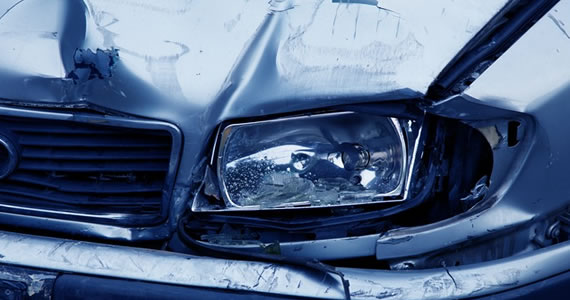
If the car is damaged or the seat belts don’t work, then it’s time to sell the vehicle and find something that will offer protection in the event of a collision. It’s important that all seat belts, airbags, breaks, steering and more work properly to protect everyone in the car.

4. It was in a Flood

If your car was submerged in water during a flood, it goes without saying that it’s time to upgrade to a new vehicle. Although the car may run well after the water dries, the damage to the engine and upholstery won’t be worth the cost needed.

5. The Car Failed Emissions Tests

Vehicles that continuously fail emissions tests likely have underlying problems with the vehicle that will easily take most of your paycheck. Avoid using a car that has a negative impact on the environment and has frequent issues that you may not be aware of.

6. It’s Held Together with Duct Tape

If your car is in one piece simply because you’ve secured it with duct tape, then it’s time to move on to a new vehicle. With parts that are falling off or breaking on a consistent basis, it makes for a car that is no longer functional and not worth the energy to repair it.

By trading in an old vehicle and obtaining a new model that has good insurance, it means having peace of mind when on the road. You’ll know you’re safe in an upgraded vehicle and can enjoy the benefits of more luxury and convenience with a car that runs smoothly.

Informational credit to Steers Insurance Limited.

5 Tips to Saving Money on Car Insurance

No one like to spend money on car insurance, but it is a necessary evil that everyone must buy into on some level. Every state requires that everyone carries minimum car insurance, but keep in mind that it doesn’t have to break your bank accounts. If you understand certain strategies, you can save money on car insurance. There are five ways to reduce overall car insurance costs.

Compare Quotes

Failure to comparison shop is one of the worst mistakes that most people make. Many people either take the insurance that comes the most recommended to them or claim they can save them the most money. According to a study, many individuals overpay nearly $368 each year on auto insurance. Make sure you get quotes from a lot of different companies and then compare each quote side by side. This way when you are comparing companies like State Farm, Geico, or Anthony Clark Insurance Ltd., you will be able to find the best insurance plan for you and for the best price.

In addition to comparing quotes, keep in mind that auto insurance companies measure risks in several ways. For example, if you move several miles from your current location, the cost of your policy will increase. This is why you must check auto insurance rates every year. In addition, you should comparison shop each time your location, marital status, or traffic violations change. Each factor affects insurance costs, and you will only get a good deal if you find rates that you qualify for.

Discounts

Most insurance companies do not advertise each specific deal that they offer. For example, if your insurance policy includes a college or high school student, find out if your insurer provides discounts for good test scores. Some companies also offer discounts to military officers and to people who have good driving records. Discounts are also offered to individuals who completed a defensive driving class and drivers who have certain safety features in their vehicles.

Bundle the Coverage

Bundling your car insurance coverage with your renter’s or homeowner’s insurance is a simple way to reduce your insurance costs. Most major insurance companies provide this particular discount.

Insurance companies offer a bundle discount so that they customers will not shop around. However, you should always compare rates with your current provider’s rates each year.

Try to Drive Less

The most overlooked discount is the low-mileage discount. Insurance providers calculate their rates based on your chance of having an accident. The low-mileage rates for each insurance company varies, but it is usually between 7,500 to 15,000 miles every year.

Walking, biking, and using public transportation can reduce the miles that you drive every year, which will lower your car insurance rates.

Maintain Good Credit

When insurance companies determine the cost of a premium, employees review a lot of information, such as credit. To boost your credit score, pay off your current bills and debts. These changes will improve your interest rates on loans and will lower your insurance premiums.

Overall, there are many other ways to reduce your insurance costs, such as driving an older car or dropping a coverage. You should never drive a vehicle without auto insurance, and you should never let your coverage lapse.

The Worst Mistakes to Make on the Road

Did you know you have a 1 in 84 chance of dying in a car accident throughout your lifetime? The risk of just getting in an accident—one that is not fatal—is even higher. This risk isn’t usually the first thing on your mind when you hop in your car and head to work, but if it was, would it change the way you drive? Here are some mistakes drivers make that increase their risk of injury and death on the road.

Infractions

Some driving mistakes are actual driving infractions—things you do (or fail to do) that break the rules of the road. Teenage drivers are the most likely to make these mistakes, so it’s no surprise that teens are 3 times more likely to get in an accident than an adult. Some driving infractions that lead to accident and injury include the following:

  • having more people in the car than available seat belts
  • driving under the influence
  • not wearing a seat belt
  • following too closely
  • speeding
  • reckless driving
  • running stop signs

No matter how confidant you are in your driving experience, always observe little laws like head checking before a merge and coming to a complete stop at a stop sign to protect yourself, your passengers, and other drivers.

Distractions

The most dangerous type of mistake you can make is to let something distract you while you are behind the wheel. Here some common distraction and strategies for avoiding them.

Cell Phones.Now that smartphones are so prevalent, phones provide so many more distractions than just a phone call. Now phones distract drivers with texting, social media, GPS navigation systems, music, taking pictures, and more.

Make a commitment to never text and drive. Put your phone on silent if you have to. Invest in a hands-free device if you need to take phone calls on the road. You don’t have to cut yourself off from the digital world—pull over if something on your phone needs your immediate attention. If you are using your phone as a GPS system, make sure you are familiar with the route before you start driving so you won’t have to squint at the map on your screen.

Passengers. Friends can be a huge distraction, especially if you have a car full of them. Make sure your friends know that their safety and the safety of everyone else in the car is partly their responsibility. Ask them not to show you pictures or texts while you are driving. Save heated or emotional conversations for after you’ve arrived at your destination.

Make sure all your passengers are wearing a seat belt as well: in the event of an accident, one person not wearing their seatbelt could get thrown around inside the car and injure seat-belted passengers who would have otherwise been safe.

Food. Don’t eat while you are driving. Resist the temptation to open up the bag of food you just bought at the drive-up window. If you can’t wait, pull over and take a bite. Your safety is worth a few minutes of your time.

Personal Appearance. Put your makeup on before you drive to work. If you are running late, apply it in the office bathroom, not your car. Same goes for shaving, brushing your teeth, and so on.
Impairments

Not only should you avoid external distraction when you drive, but you also need to make sure your mental, emotional, or physical states don’t pose a threat to your safety on the road. Some impairments include driving while you are

  • under the influence of drugs
  • under the influence of alcohol
  • feeling drowsy
  • experiencing upsetting emotions like extreme anger or sadness
  • feeling sick or are otherwise affected by a medical condition

If you are suffering from any of the above conditions, call a friend, take public transportation, or make arrangements to stay where you are.

Mistakes with Legal Implications

Some mistakes not only increase your risk of injury or death, but also your risk of financial hardship; car accidents are bad enough without resulting in personal injury lawsuits. According to Bronson Jones & Co, car accident lawyers in Vancouver, there are certain driving mistakes that will make you more likely to be found at-fault in an accident, thus contributing to a personal injury lawsuit against you. Some of these driving mistakes are as follows:

  • running a red light
  • running a stop sign
  • cutting off another driver
  • not signaling when merging
  • not head checking when merging
  • driving under the influence
  • speeding
  • hitting a driver head-on in their lane
  • rear-ending another driver

Driving is such a normal, mundane part of our lives, it’s easy to take safety for granted. Pay attention to your own driving habits, and make sure you are always giving the road your undivided attention. Doing so will help keep you from physical injury, financial harm, and death.

Extend the Life of Your Vehicle: Tips to Keep Your Car in the Best Condition

With the high cost of both new and used vehicles, you want your car to last as long as possible. Taking care of your vehicles not only makes them last longer but can also improve their retail and trade-in value. Here are some tips on how to extend the life of your vehicle.

Maintain the Paint Job

You’d be surprised how many people turn their backs on reliable vehicles because they have some rust. Weather can do a lot of damage to your car’s paint job, especially if you don’t keep it in a garage. Keep your vehicle washed and clean during inclement weather, particularly if you live in states with salt on wintry roads. Wax your car when needed to protect the pain and keep your car looking great.

Keep the Interior Clean

Although the interior of your car has little to do with how it operates, it can affect retail or trade-in value significantly. Many people do judge how a car has been maintained under the hood with how it looks inside. In addition, keeping your interior clean can keep the upholstery and carpeting looking better and prevent tears and stains.

Get Regular Maintenance Checkups

Unless you’re a professional mechanic, you’re probably not going to be able to recognize a problem with the same swiftness as a mechanic. Regular checkups and tune-ups not only help repair damaged parts, but act as a preventative measure towards potential problems in the future, say the professionals at Minit-Tune International Corp. When you go to sell your car, having slips designated regular maintenance checks is a good selling point.

Maintain Your Tires

Keeping your tires properly inflated and in good working condition can prevent uneven wear and tear and can also prevent other parts from becoming damaged, which can result in higher repair costs. You’ll also get better mileage and a smoother ride.

Have Professionals Repair Your Vehicle

As much as we all like to repair things ourselves to save money, sometimes it’s just better to leave it to the professionals, especially if you don’t have time. There are several benefits to having professionals repair your vehicle. The main benefit is that they have diagnostic tools to help them determine the problem rather than doing a lot of unnecessary repairs just as a method of “process of elimination”. Also, when you have the repairs done professionally, they’re warranted.

Take Care of Problems in Their Early Stages

Early repairs usually mean smaller bills. In addition, if you fail to fix a problem in its early stages, it can develop into a large problem and a higher repair cost.

Maintaining your vehicle is important for many reasons but mostly to extend the life as long as possible. It’s a lot easier than you might thing if you make it a good habit.

Five Of The Many Benefits To Owning A Truck

Trucks are one of the most popular types of vehicles to own for drivers and have evolved into a car that offers both luxury and unique features. Although the inside of the cabin was once cramped, trucks now offer spacious interiors that feel cozy. Due to their size and powerful engines, there are a number of other benefits to owning a truck that drivers can enjoy.

Transport Large Items

One of the main benefits to owning a truck is the ability to transport cargo and large items with ease. The bed of the truck is spacious enough to carry appliances, furniture, or tools without intruding on space of the cab.

Travel on Rough Terrain

Trucks are a viable car to use when driving on rough terrain or in bad weather. It can easily handle wet roads or plow through snow, making it a great car to have for those who want to drive in the mountains or in the desert. By having the four-wheel drive system and the right tires, there are few limitations on where trucks can travel.

The Ability to Tow

Pickup trucks come with a hitch, which offers the ability to tow and haul large items. This can make it easy to transport a second vehicle or trailer for a convenient way of making use of the vehicle. It also makes it easy to tow other toys, whether wanting to bring a boat to the river or a pair of four-wheelers to the desert. The six-speed engines work well with hauling and can pull a higher amount of towing capacity of up to 7,000 pounds.

Repairs are Easier to Diagnose

Trucks are built to last and commonly drive up to 300,000 miles for a vehicle that can continue to haul and climb tough terrain for several years. According to 99 Truck Parts & Industrial Equipment Ltd, which provides transmission repair in Langley, they can also be easier to diagnose due to the simple mechanics of the vehicle for a car that needs few repairs during its lifetime.

Better Views of the Road

The cabins of pickup trucks sit higher up than typical sedans or SUVs, making it easy for the driver and passengers to have better views of the road. This can make it easier to spot items in the road or see upcoming traffic while traveling.

Whether wanting to feel in charge on the road or simply get a better view from behind the wheel, pickup trucks offer a number of benefits that have made them a popular choice among consumers. Between their vast size to their ability to tow, it makes for an option that offers more features to their owners.