Injured After Your Car Accident? Here’s Why You May Need an Injury Lawyer

According to the U.S. Census Bureau, year after year an excess of 10 million motor vehicle accidents are reported annually. While no one ever anticipates being involved in a motor vehicle accident, it is clear that they can often be unavoidable.

What Injuries May Occur in an Accident?

While drivers are often fortunate enough to walk away from motor vehicle accidents without a scratch, often times this is not the case. Edmunds reports that approximately one third of motor vehicle accidents result in injury. Common injuries resulting from motor vehicle accidents include whiplash, broken bones, and even brain or spinal damage, all of which can have severe consequences.

What Should I Do If Involved in an Accident?

Should you ever be involved in a motor vehicle accident, the first thing all of the drivers involved should do is confirm that there are no life threatening injuries, followed by relocating to a safe place. Next, exchange information with all drivers involved, file an accident report with the police, and photograph the scene if possible. If you are injured, you should contact a personal injury lawyer or a similar firm before contacting the Insurance Corporation of British Columbia (ICBC). Consulting with a personal injury lawyer before contacting ICBC ensures that your claim is reported properly in order to avoid costly mistakes.

Who is Liable for My Injuries?

Any injury resulting from negligent operation of a motor vehicle, including motorcycles, trucks, and buses, may be grounds for legal action. There are a number of potential parties who may be liable for your injuries.

What Is an Example Situation Wherein I May Need a Lawyer?

For example, suppose you are sitting at a traffic light and your car is rear-ended by a bus, resulting in severe whiplash and neck pain. After following the appropriate steps at the scene of the accident, you go directly to hospital to be assessed, having your injuries confirmed and documented by a health professional. The driver or owner of the bus may be liable for any expenses incurred as a result of your injury, expenses you may not have to cover with the assistance of a personal injury lawyer.

Consulting with a personal injury lawyer as soon as possible is the best way to determine how to proceed with your personal injury case. You may have rights that you may not even be aware of, rights that can help ease the anxiety and consequences resulting from your personal injuries.
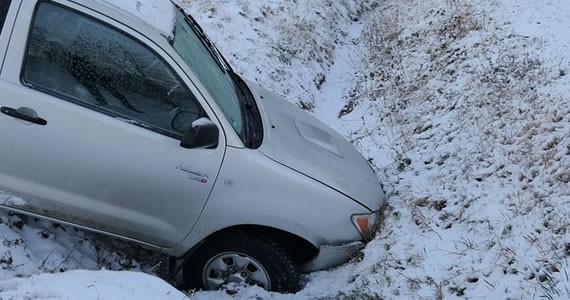
Five Steps to Avoid a Car Crash This Winter

Icy conditions and snowy roads are always treacherous times to drive. This winter has already delivered dangerous situations for many drivers. Weather contributes to 25% of all car accidents, and ice alone makes up 12%. Avoiding an accident and making your commute safer in these conditions isn’t hard, but there are some important steps to follow.

Be Properly Equipped

During the winter, conditions can change quickly, and it’s paramount that your car is properly prepared. Make sure your vehicle has been recently inspected before heading out this season. Keep your antifreeze topped off, windshield defrosted, and headlights in working order. Properly inflated tires are essential in winter conditions, but be sure not to over inflate. Consider putting together a small kit with extra warm clothes, gloves, flashlight and blanket.

Slow Down

Even if you drive the same route every day, you need to give yourself ample time in case of backups or icy roads. It can be easy to treat a winter’s drive like any other commute and fall into habit. Stay alert and take things slow. Remember, you have lost a lot of traction. Avoid tailgating and taking sharp turns at speed.

Be Aware of Ice

As water freezes over night, it picks up many of the oils and gravel in the roads, becoming near invisible. As the day heats up, a thin layer of water forms over the top, making the ice extra treacherous. Pay attention to your local traffic reports and watch out for overpasses and bridges near water.

Don’t be Afraid to Stop

If you find yourself drifting, pump your brakes gently to avoid locking the car up. Turn into the direction of the skid, and slowly steer out of it. If you feel uncomfortable driving in these conditions, consider staying home or pulling over until the weather has cleared. Preventing an accident is better than managing through one.

Assume Drivers Can’t Drive in Winter

Every winter will be the first for many young drives. Even experienced drives tend to forget many of their basics in extreme weather. In these environments, cars can simply drift into one another even when both parties are doing their best to control their vehicles. According to a personal injury attorney in Portland, you should try to avoid driving alongside other vehicles, and watch those around you for signs of skidding. Leave a car’s length between you and other drivers. This is especially important when driving at higher speeds and on exit ramps.

Winter plays havoc on the roads, and it’s impossible to avoid all icy conditions. With these steps and your own vigilance, you can avoid most of what winter can throw at you and your vehicle. Any accident, even a slow collision on ice, can cause injury so make sure you’re prepared before one has the chance to happen.

DIY Car Repairs: Six Tips To Avoid Mistakes And Problems

DIY maintenance and repairs save car owners loads of money each year. When performed correctly, car repairs extend the life of the vehicle and may improve its performance. Unfortunately, mistakes can cause the vehicle to run rough and may cause injuries. Here are six tips to avoid mistakes when working on a car.

Never Work Outside Your Expertise

If you have no experience in electrical repairs, do not attempt to work on wiring. Rewiring circuits can cause a host of problems such as the wipers coming on when you try to signal turn or causing a fire. It goes without saying that someone who has no training can be catastrophic. Know your limits, and don’t hesitate to call an expert when you have done as much as much as you can.

Obtain The Correct Manual

Used cars seldom have owner’s or repair manuals included in the sale. Instead of working from a general car repair book, obtain a manual for your specific vehicle. You will know the correct placement of items such as hoses or where to locate specific parts. DIY Repair Manuals contain valuable information to get the job done that you just can’t get anywhere else. Write down your car’s specific make, model and year of manufacture to obtain the correct manual.

Work Safely

When working under a car, use stands rated for the vehicle’s weight. Cinder blocks are unstable and not designed to hold cars. Regular car jacks can fail, causing the car to fall on the mechanic. Use lights made for working on car engines instead of household lights or flashlights. Mechanics lights can hang from the hood of the car via a hook at the top and a cage to prevent damage to the bulb.

Use The Right Tool

Using the right tools is paramount in auto repair. If you do not have the right tool for the job, buy or borrow it. For example, do not use a regular wrench in place of a torque wrench, as the result will be a disaster. If you do not know how to use one, ask a friend for help.

Only Use The Correct Parts

Using incorrect parts or fluids can seriously damage a car’s engine. The manual will have a list of correct oil weight, spark plugs, filters and more for your vehicle. Check with a licensed mechanic first before purchasing an after market part that claims to improve speed, power or gas mileage if it is not listed in your car’s manual.

Do Not Be Afraid To Ask For Help

If you get in over your head, ask for help from a licensed mechanic or a well-trained friend. He or she will guide you through your project safely.

Working on a car can be a rewarding experience. Being able to perform maintenance and minor repairs saves money and gives a well-earned sense of accomplishment. That leaves more money to buy that gotta-have-it sound system for your ride.

Off the Beaten Path: How to Maximize Your Truck’s Off Road Performance

Taking your truck off-road can be a thrilling adventure, and when you are done with the green lanes and ready to move on to something a little more challenging, you will find that it is time to consider some of the improvements that you can make. Some of them are related to your truck, and some of them are related to your personal style, so take a moment to consider what you can do to get the performance and aesthetic you want.

Get the Equipment You Need

You already know about making sure that you have a spare tire, all the tools to change it, rope that can tow your truck and things like that, but did you know that a shovel and two-way radios are great ideas as well? If you don’t mind packing on the extra weight, a vehicle-mounted winch is ideal. Consider also throwing in a high-lift jack and fire extinguishers into your pack as well.

Parts and Upgrades

Aftermarket upgrades, like computer chips and cold air intakes, provide massive boosts to your truck’s performance. Off road driving can take a serious toll on your engine, so it’s best to keep it in peak condition if you want to enjoy it for more than a few days. To get the best performance possible from your engine consider installing a cold air intake to both boost engine power and increase airflow.

Drop Your Tire Pressure

One of the great adventures for off-roaders is to hit the dunes, but before you do, let some air out of your tires. Riding through sand is amazingly fun, but you are not going to have the traction that you are used to. Essentially, bring your tire pressure down to around 20psi. When you do this, your tires have more grip, and they will hang on to the surface a lot better. This is also handy if you are going through mud.

Keep Up Speed

If you want to get up that next rise, don’t hesitate. We’re not saying that you need to floor it, but if you have momentum building, do not waste it. Good momentum and learning how to use it and create it is one of the most important things about off-roading, and it can make a huge difference to how well your truck performs.

No Wheel Whipping

One of the worst things that you can do when you are off-roading is to whip the wheel. In general, you want to make the smallest motions with the wheel as possible. Leave your thumbs outside of the wheel, and correct your course quickly, confidently and without twisting the wheel hard. Hard wheel twisting leads to some truly unfortunate crashes and accidents, so correctly conservatively!

When you are ready to make sure that you are going to be getting the most performance out of your truck, keep on top of things. Your truck can take you off the beaten path and back again if you just keep these tips in mind.

Informational Credit to Tonka 4-Wheel Drive Ltd.

Do It Yourself: How To Prepare Your Car For Winter

Preparing your car for winter is important. The last thing you want is to be stuck somewhere in the freezing cold with a big problem on your plate. In winter, tow trucks seem to be too busy and getting assistance is a long, cold wait. With proper preparation your car will can safely get you through this coldest of seasons and you can avoid the problems which can spring up due to weather.

Take Care Of The Engine

Making sure your engine will start, and continue to run during the winter is a major priority. Your battery must be fully charged for good starting power. Just as you and your pets must be inside when it gets cold, your car engine needs protection from freezing. Sufficient anti-freeze in your radiator will stop the water in your engine from turning into ice. Take this step to make sure your engine gets through the winter.

Good Tires

Proper tires to handle snow and ice on the roads is a safety factor to consider when winterizing your vehicle. Good tread on your tires will also help with slipping and sliding. If your area has a lot of snow, then snow tires could be the best addition to your vehicle as the cold approaches. Snow tires have knobs on the tires themselves to assist with gripping the road, even one covered with snow. You can even find chains to take on and off as the roads clear. Staying on the road is the best way to arrive safely at your destination this winter.

Tools for Vision

An ice scraper should be an important tool in your car. Overnight your windows can turn into a winter wonderland of ice particles. Visibility on iced up windows can be a safety hazard. Preventing some of the icing up process is possible if you clean your windows with an anti-fog cleaner. While not always 100% guaranteed, an anti-fog cleaner will help prevent the windows from re-fogging once cleaned and de-iced.

Transmission Servicing

If you are stuck, you might need a lower gear to move your vehicle. Make sure your transmission is up to the task by having it serviced. According to National Transmissions, a transmission repair in Calgary, this is the most overlooked part of preparing a car for winter, so make sure it’s on you list.

Winterizing a car has many components to it. Your engine must remain unfrozen, and your battery will need power to start the engine. Good tires for the road conditions are a must. Take the time to not only de-ice the windows, but prevent fogging, and make sure your transmission is up to the task of getting you moving in a lower gear if necessary.