All posts in Uncategorized

Understanding Auto Headlights: Colors and Their Implications

autoheadlights

Automobile headlights are a fundamental aspect of driving safety, illuminating the road and surrounding environment during low visibility conditions. The color of headlights varies, with manufacturers offering a range from warm hues to bright blue lights.

This article will delve into the world of auto headlights, focusing on the different colors and their respective advantages and disadvantages.

Warm Headlights

Warm headlights, typically yellowish or golden in color, have long been a standard for many vehicles. They offer a certain level of warmth and comfort, reminiscent of the gentle glow of a crackling fireplace on a chilly winter night.

This cozy ambiance is why warm headlights are often associated with traditional or classic car models, evoking a sense of nostalgia and elegance as they illuminate the roads ahead.

Advantages

  • Better Visibility in Poor Weather:
    Warm headlights, with their yellowish light, are designed to excel in challenging weather conditions such as fog, rain, or snow. The unique color temperature of warm headlights allows the light to penetrate through these adverse conditions more effectively than blue or white light, providing the driver with superior visibility and enhancing overall safety on the road.

    With their enhanced ability to cut through the mist, illuminate through raindrops, or pierce the snowfall, warm headlights offer a reliable and dependable lighting solution for drivers navigating inclement weather.

  • Less Distracting for Other Drivers:
    Warmer tones, such as softer yellows and oranges, are less likely to cause glare or blind other drivers on the road. By emitting a gentler and more diffused light, these tones provide a safer choice for oncoming traffic, allowing drivers to maintain clear visibility and reduce the risk of accidents.

Disadvantages

  • Perceived as Less Modern:
    Some drivers may view the warm glow of headlights as outdated or less stylish compared with other headlight colors. However, it’s important to note that warm glow headlights have their own unique charm and can create a cozy and welcoming ambiance on the road.

    They evoke a sense of nostalgia and can add a touch of elegance to any vehicle. So, while personal preferences may vary, it’s worth considering the timeless appeal and distinctive character that warm glow headlights bring to the driving experience.

  • Reduced Visibility in Clear Conditions:
    When compared to whiter or bluer lights, warm headlights, with their yellowish hue, tend to provide less visibility in clear night driving conditions. This is because the warmer color temperature of these headlights can scatter more, reducing the clarity of the road ahead.

    It is important to consider this factor when choosing headlights for optimal visibility and safety during nighttime driving.

Blue Headlights

Blue headlights have become a popular and newer trend in the automotive industry, often associated with high-end or luxury vehicles. These headlights emit a sharp and crisp light, providing enhanced visibility and a stylish look on the road.

With their distinct hue, blue headlights add a touch of modernity and sophistication to any vehicle, making them a sought-after feature among car enthusiasts.

Advantages

  • Aesthetic Appeal:
    Blue lights, with their sleek and contemporary appearance, offer a refreshing aesthetic that resonates with numerous drivers. The vibrant hue not only adds a touch of elegance but also creates a sense of tranquility and sophistication on the road.

    It’s no wonder why they are often favored by those who appreciate the fusion of style and functionality.

  • Improved Visibility in Clear Conditions:
    The bright light emitted by blue headlights can enhance visibility in clear night conditions, making it easier for drivers to spot potential hazards such as pedestrians, cyclists, or animals on the road.

    The crisp and focused beam of blue light helps to illuminate the surroundings, providing a broader field of vision and promoting safer driving at night.

Disadvantages

  • Potential Distraction:
    The intensity of blue light, emitted by certain sources such as LED headlights, can be highly distracting and even blinding for other road users. This can significantly compromise their visibility and increase the likelihood of accidents, posing potential safety risks to everyone on the road.

    It is crucial for drivers to be aware of this issue and take necessary precautions to ensure the safety of themselves and others.

  • Less Effective in Poor Weather:
    Blue light, with its shorter wavelength, scatters more easily than warmer tones. This scattering effect becomes particularly evident in foggy or rainy conditions, where the blue light is dispersed by the water droplets in the air, causing reduced visibility and making it less effective for clear vision.

In choosing your headlight color, it’s essential to weigh the aesthetic appeal against practicality and safety considerations. While blue headlights might look sleek and modern, they may not provide as much versatility as warmer tones.

Conversely, while warm headlights might not look as modern, they can offer comfort and safety advantages, particularly in poor weather conditions. Understanding these differences can help drivers make the most informed decision when it comes to their auto headlights.

image credit: envato.com

Safety Tips When Towing a Trailer or Boat

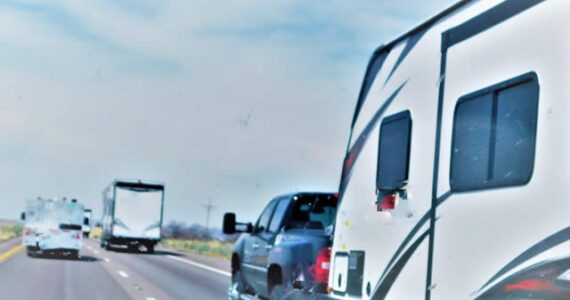
Towing a trailer or a boat can be a daunting task, especially for beginners. However, with a few safety tips and proper knowledge, the task can be simplified and made safer. Here is a comprehensive guide to ensure your towing is safe and trouble-free.

Understand Your Vehicle’s Towing Capacity

First and foremost, it is of utmost importance to fully comprehend and appreciate the towing capacity of your vehicle. Overloading your vehicle with excessive weight can exert undue strain, leading to potential mechanical failures and even hazardous accidents.

To avoid such perils, it is strongly advised to consult your vehicle’s owner’s manual diligently. By doing so, you will gain a comprehensive understanding of your vehicle’s specific capabilities and limitations when it comes to towing.

Different towing scenarios require different capacities. Here’s a general guideline for common tows:

  • Small trailers: Small utility trailers typically weigh between 500 and 1,000 pounds. Most compact or mid-size cars can handle these trailers when they’re lightly loaded.
  • Medium trailers: If you are towing medium-size trailers, such as a larger utility trailer or a small boat trailer, you’re looking at weights between 1,000 and 3,000 pounds. This task is typically well-suited to most SUVs, vans, and pickup trucks.
  • Large trailers: Large trailers, including sizable boat trailers, often weigh between 3,000 and 5,000 pounds. A large SUV or a full-size pickup truck is usually required for such heavy tows.
  • Extra-large trailers or boats: If the weight exceeds 5,000 pounds, you’re in the category of extra-large trailers or boats. For this, heavy-duty pickup trucks or other vehicles specifically designed for towing are needed.

Please remember, these are just general guidelines. Always refer to your vehicle’s owner’s manual to confirm its specific towing capacity.

Inspect the Trailer or Boat Before Towing

Before embarking on your journey, it is crucial to conduct a comprehensive inspection of the trailer or boat. Begin by checking the tires for any signs of wear or damage, ensuring they are properly inflated.

Next, examine the brakes to verify they are in optimal working condition, providing you with the necessary stopping power. Don’t forget to inspect the lights of the trailer, guaranteeing they are functional and visible to other drivers on the road.

Once you have completed the inspection of the trailer, shift your attention to the boat or load it carries. Make sure it is securely fastened to the trailer, utilizing appropriate straps or chains to prevent any shifting or dislodging during transit.

Additionally, ensure that the weight of the boat or load is evenly distributed on the trailer, avoiding any imbalances that could lead to unexpected movements or instability.

Practice Driving with the Trailer

If you’re new to towing, it’s highly recommended to gain experience by practicing driving with the trailer or boat in a spacious and open area. This will provide you with the opportunity to familiarize yourself with the nuances of maneuvering turns, reversing, and braking safely, all while taking into account the added weight and size.

By doing so, you’ll develop a better understanding and confidence in handling the towing process, ensuring a safer and more enjoyable experience.

Use Proper Hitching Equipment

When it comes to towing, using the right hitching equipment is not just important, but essential for a safe and successful journey. Ensuring that the hitch, ball mount, and hitch ball all correspond in size and are properly rated for the weight you’re planning to tow is crucial.

Don’t forget to securely fasten the hitching system with hitch pins and clips to provide an extra layer of stability and peace of mind while on the road. Taking these necessary precautions will help you tow with confidence and enjoy a hassle-free towing experience.

Plan Your Route

When towing a trailer or boat, it is always wise to plan your route to ensure a smooth journey. Take into consideration the weight and size of your load, as well as the capabilities of your vehicle. Avoid roads with steep inclines or sharp turns, if possible, as they can pose challenges and increase the risk of accidents.

Additionally, be mindful of the clearance height of your setup when planning to pass through tunnels or under bridges, as insufficient clearance can lead to costly damages. By carefully considering these factors, you can have a safer and more enjoyable towing experience.

Stay Alert and Drive Slowly

When towing, it’s important to keep in mind that your vehicle will respond slower than usual due to the added weight. As a result, it’s crucial to drive at a slower speed, maintain a safe distance from other vehicles, and stay alert at all times.

By doing so, you’ll provide yourself with more time to react to any potential hazards that may arise on the road. This extra precaution can go a long way in ensuring a safe and smooth towing experience.

Regular Breaks are Essential

To ensure a smooth and safe journey, it is important to take regular breaks along the way. These breaks not only help prevent fatigue but also provide an opportunity to thoroughly inspect the boat or trailer for any changes that might have occurred during the trip.

By doing so, you can address any potential issues before they become major problems, ensuring a hassle-free and enjoyable experience on the road.

Remember, safety should never be compromised. By adhering to these tips, you can ensure that your trip with your trailer or boat is as safe as possible.

image credit: envato.com

Understanding Fuel Efficiency for Both Cost and Environment

fuel efficiency

Understanding fuel efficiency in more detail is fundamentally the relationship between the distance driven and the amount of fuel consumed by the vehicle during this journey. It’s a ratio that represents how effectively a car uses fuel to propel itself forward.

It is usually measured in miles per gallon (MPG) in the United States and liters per 100 kilometers (L/100km) in most other parts of the world. A vehicle with higher fuel efficiency uses less fuel to travel the same distance, which can save money on fuel costs and reduce emissions.

A key point to remember is that fuel efficiency is not a fixed attribute of a vehicle. It can fluctuate based on a variety of factors such as driving conditions, the car’s maintenance, and the driver’s behavior.

For instance, aggressive driving with rapid acceleration and braking, or driving at high speeds, can significantly lower a vehicle’s fuel efficiency.

In essence, fuel efficiency quantifies the performance of a car in terms of its fuel consumption, acting as a benchmark for automobile design innovation and evolution. This measure is critical not just for individual cost-saving, but also for reducing our collective environmental footprint.

The more fuel-efficient a vehicle is, the less carbon dioxide it emits per mile driven, contributing to a healthier environment.

How to Leverage Fuel Efficiency for Cost Savings

Fuel efficiency is not just about the environment; it’s about your wallet too. With increasing fuel prices, a fuel-efficient vehicle can help you save a substantial amount of money.

Consider these steps to take full advantage of your vehicle’s fuel efficiency:

  1. Regular Maintenance:
    Ensure your vehicle is serviced regularly. A well-maintained vehicle runs more efficiently, thereby consuming less fuel.
  2. Tires:
    Always keep your tires properly inflated. Under-inflated tires have higher rolling resistance and so require more energy to move.
  3. Driving Style:
    Smooth, steady driving without rapid acceleration or deceleration is key to fuel efficiency.
  4. Load:
    Avoid carrying extra weight in your vehicle, as this increases fuel consumption.
  5. Highway Driving:
    Whenever possible, opt for highways instead of city roads to maximize fuel efficiency due to lower traffic and smoother roads.
  6. Air-Conditioner:
    Use the air conditioner sparingly as running it increases the load on the engine, making it consume more fuel.

Following these tips can help you make the most of your vehicle’s fuel efficiency, saving you money in the long run!

Fuel Efficiency: A Boon for the Environment

Fuel efficiency is crucial for reducing our environmental footprint. The burning of gasoline or diesel emits greenhouse gases, which contribute to global warming.

Fuel-efficient vehicles use less fuel and so emit fewer of these harmful gases. This can significantly help mitigate the effects of climate change. Additionally, by reducing fuel consumption, we can conserve our limited fossil fuel resources for future generations.

Remember, every gallon of gasoline saved not only puts money back into your pocket but also keeps 20 pounds of CO2 out of our atmosphere.

Boosting Fuel Efficiency Through Automobile Innovation

The automotive industry is constantly striving to improve engine designs and technologies for better fuel efficiency. Hybrid engines, turbocharged gasoline engines, lighter materials – are all innovations that automakers are introducing in their vehicles to help reduce fuel consumption.

In the coming years, electric cars are expected to see a surge in popularity. Electric cars offer an even greater level of efficiency due to high-performance motors and no need for gear shifting; they use a single-speed gearbox which consumes less energy than traditional engines.

By investing in fuel-efficient vehicles, you can save money on fuel costs while also reducing your car’s environmental impact. So the next time you’re looking to buy a new car, make sure to take into consideration its fuel efficiency rating – it could end up saving you more than you think!

In conclusion, improving fuel efficiency is a win-win situation for both your pocketbook and the planet. By understanding and applying fuel efficiency practices, you can save costs and contribute positively to the environment.

image credit: envato.com

4 Tips for Getting Back to Your Normal Tasks after a Car Accident

car accident, auto accident

After an accident, it can be hard to get back to your normal life. There are many struggles that arise, that most people don’t anticipate. It’s possible to get your life back on track and below are a few tips to make the process easier for you.

Go to Physical Therapy

There are many people who make the mistake of thinking that physical therapy takes too much time out of their day or that they aren’t badly injured enough to go. If your doctor suggests that you go to physical therapy, you should go. You can help to repair your injured muscles and build strength so that you can return to your normal quality of life in less time.

Take Medications as Prescribed

Prescription medication addiction can occur after an accident. It’s important to take the medications that you are prescribed as directed to limit your chances of becoming addicted to them. A prescription pain pill addiction can be difficult to overcome. If you notice the pills aren’t working for you as well as they were, talk to your doctor and a new prescription may be available to you.

Talk to Your Creditors

Accidents can cost a lot of money. You will still have bills to pay even when you are out of work. Talk to your creditors about your situation and many may work with you to ensure that you don’t fall deeper into debt. You may also want to hire a personal injury attorney to help you get compensation for the injuries you suffered from the accident. The compensation may not only cover your medical bills, but also the time you missed from work and any pain and suffering that you have.

Take Things Slowly at First

It’s important to ease back into your daily routine. You don’t want to push yourself too hard because you could end up injuring yourself worse in the long run. Don’t be afraid to ask for help when needed and gradually work your way up to more complicated tasks so that your body can heal and strengthen at a safe pace.

Once you start getting your life back to normal, you need to stick with the changes that you have made. It will take a lot of time and effort to return to your normal life, but once you do,

Characteristics of a Solid Colorado Auto Body Shop

auto body shop

If you are looking for a good body shop, you probably realize just how frustrating the process can be. Looking for a body shop is one of those things that you usually don’t really think about until you really need it. Naturally, there are some body shops that are better than others.

Here are some characteristics that make the really good ones stand out:

They take pride in their work

It might seem blase’, but when it comes to an auto body shop denver co residents definitely respond better to a shop that takes pride in their work. Such a body shop will have no problems getting repeat business because they will leave no stone unturned in either their work or providing quality technicians to work on an individual’s vehicle.

They have fully trained technicians

Along these same lines, it is also important for a good auto body shop to have technicians that are well-versed in all of the latest training. For example, a good body shop will often have auto body specialists that have both Sherwin Williams and I-Car certifications. This often means they also can provide a limited lifetime warranty on many of he services they carry out.

Having an attention to quality

A good body shop will pay close attention to the product they are delivering in the shop. They will want to have attention to detail with each and every task they are assigned to.

Making your car “better than before.”

Finally, this auto body shop will have a commitment to making your vehicle “better than before” after the accident or mishap it has been involved in. A solid Colorado body work will have expert technicians that will look at an automobile restoration task as an opportunity to get the vehicle back on the road in a safe manner.

They will take pride in their work and will be able to do things that will surprise even someone with the most discerning of tastes. Thus, before you consider junking your vehicle after a wreck or collision, you should give us a call. You might be surprised some of the things we can do to get your vehicle back on the road!