All posts in On the Road

Embracing the Ride: Exploring Alternative Modes of Commute

In today’s bustling world, alternative driving solutions such as motorcycles, scooters, and bicycles are becoming increasingly popular. Not only are these modes of transportation cost-effective and environmentally friendly, but they also offer a unique sense of freedom and enjoyment to the daily commute.

Motorcycles: Speed and Efficiency

Motorcycles, with their compact size and swift mobility, provide an effective solution to avoid traffic congestion. Whether it’s for a quick trip to the store or a daily commute, motorcycles can save significant time and fuel.

However, safety is paramount when riding motorcycles. Ensuring the usage of helmets, and appropriate gear, and maintaining safe distances from other vehicles are crucial aspects of a safe motorbike commute.

Safety Tips for Operating Motorcycles

  1. Helmets:
    Always wear a helmet that meets the safety standards and ensure it fits properly. A helmet is your best defense against serious injury or death in the event of an accident.
  2. Protective Gear:
    Invest in quality protective gear, including motorcycle jackets, gloves, boots, and pants designed specifically for motorcycle use. They not only protect against the elements but also provide a layer of protection in case of an accident.
  3. Defensive Riding:
    Be mindful of your surroundings and always ride defensively. Anticipate potential hazards, such as vehicles suddenly changing lanes or pedestrians stepping into your path.
  4. Maintain Your Motorcycle:
    Regular maintenance of your motorcycle is crucial. Ensure your lights, horn, and directional signals are working properly. Check the tire pressure and tread depth, brakes, and fluid levels regularly.
  5. Avoid Blind Spots:
    Make sure you’re visible to other drivers. Avoid riding in other vehicles’ blind spots. Use your headlights, even during daylight hours, to increase your visibility.
  6. Follow Traffic Rules:
    Adhere to all traffic rules and speed limits. Avoid weaving between lanes and always use turn signals when changing lanes.
  7. Never Ride Under the Influence:
    Never operate a motorcycle under the influence of alcohol or drugs. It impairs your ability to operate the motorcycle safely and increases the risk of accidents.

Scooters: The Urban Commute Solution

Scooters, on the other hand, are perfect for short urban trips. With their lower speeds and compact design, they are ideal for weaving through city streets. Just like motorcycles, safety gear such as helmets, knee pads, and elbow pads are advised for scooter riders.

Additionally, adhering to traffic rules and being mindful of pedestrians and other vehicles is essential for a safe scooter ride.

Safety Tips for Operating Scooters:

  1. Wear a Helmet:
    Protect your head with a sturdy, well-fitting helmet. It’s the most crucial piece of safety gear for scooter riders.
  2. Use Protective Gear:
    Besides helmets, consider wearing knee and elbow pads to protect yourself during a fall. Wearing gloves can also protect your hands and improve your grip.
  3. Check Your Scooter:
    Regularly inspect your scooter to ensure it’s in good condition. Check the brakes, tires, and lights.
  4. Follow Traffic Rules:
    Always obey traffic rules, signals, and signs. Even though scooters are small and agile, they’re still part of the traffic flow.
  5. Be Aware of Your Surroundings:
    Be alert and watch out for cars, pedestrians, and other obstacles.
  6. Avoid Distractions:
    Keep your focus on the road. Avoid using your phone or other distractions while riding.
  7. Ride Defensively:
    Assume that other drivers may not see you. Stay out of their blind spots and maintain a safe distance from other vehicles.
  8. Never Ride Under Influence:
    It’s not only illegal but extremely risky to ride under the influence of alcohol or drugs.
  9. Practice Regularly:
    The more you ride, the better you will become at handling your scooter safely.
  10. Use Lights and Reflectors:
    Use lights and reflectors to make yourself visible, especially when riding at night or in poor weather conditions.

Bicycles: A Green Commute

Bicycles are perhaps the greenest option for alternative driving. Besides the obvious health benefits, cycling is a zero-emission mode of transport that helps reduce your carbon footprint. While cycling, safety comes in the form of helmets, reflective gear for nighttime rides, and following bicycle lane rules whenever possible.

Safety Tips for Operating Bicycles:

  1. Wear a Helmet:
    Always wear a helmet while riding a bicycle. It is crucial for protecting your head in case of an accident.
  2. Use the Right Gear:
    Wear reflective gear if you plan to ride at night. It helps other road users see you clearly.
  3. Follow Traffic Rules:
    Just like any other road user, cyclists must also adhere to traffic rules. These include stopping at red lights, signaling before turning, and riding on the right side of the road.
  4. Use Bicycle Lanes:
    Always use designated bicycle lanes where available. They provide a safer, dedicated space for cyclists.
  5. Stay Alert:
    Be aware of your surroundings at all times. Watch out for vehicles, pedestrians, and road hazards.
  6. Regular Maintenance:
    Check your bicycle regularly for any issues. Ensure that the brakes function properly and the tires are inflated.
  7. Avoid Distractions:
    Do not use your phone or headphones while riding. Your full attention should be on the road.
  8. Use Lights and Reflectors:
    If you’re riding in low light or bad weather conditions, make sure your bike has lights and reflectors to ensure visibility.
  9. Ride Defensively:
    Be cautious of other drivers who might not see you. Stay out of their blind spots and maintain a safe distance.
  10. Never Ride Under the Influence:
    Similar to driving, it’s illegal and highly dangerous to ride a bicycle under the influence of drugs or alcohol.

Pros and Cons Of Each

Alternative driving solutions, like motorcycles and scooters, are becoming increasingly popular due to their numerous benefits. However, like all modes of transportation, alternative driving comes with its own set of pros and cons.

Whether you’re considering adopting these solutions for environmental, economic, or lifestyle reasons, it’s essential to weigh these factors to make an informed decision.

Pros of Alternative Driving Solutions

  1. Fuel Efficiency:
    Motorcycles and scooters are far more fuel-efficient than cars, contributing to lower fuel costs and a smaller environmental footprint.
  2. Affordability:
    On average, motorcycles and scooters are less expensive to purchase and maintain than cars.
  3. Ease of Parking:
    Due to their size, motorcycles and scooters can be parked in smaller spaces, reducing the hassle of finding parking in crowded areas.
  4. Traffic Advantages:
    Motorcycles and scooters can maneuver through traffic more easily than cars, reducing commute times in congested areas.

Cons of Alternative Driving Solutions

  1. Safety Risks:
    Motorcycles and scooters are less visible and less stable than cars, resulting in a higher risk of accidents.
  2. Weather Exposure:
    Riders are directly exposed to weather conditions, making it less desirable to ride in adverse weather.
  3. Storage Limitations:
    Motorcycles and scooters offer limited storage capacity compared to cars.
  4. Passenger Limitations:
    These vehicles can usually only accommodate one passenger, reducing their effectiveness for group travel.

Conclusion: The Future of Commute

As we move forward, alternative driving options like motorcycles, scooters, and bicycles will continue to gain popularity due to their myriad benefits. With the right safety measures in place, these modes of transport can be a viable and sustainable solution to our commuting needs.

In all, alternative driving is not just about getting from point A to B; it’s about embracing a new way of life that values efficiency, sustainability, and safety. So gear up, ride safe, and embrace the freedom that comes with alternative driving.
Why Choose Car Sharing Services Over Owning a Car

car sharing

Car-sharing services provide an attractive, modern alternative to the traditional ownership of vehicles. The key attraction of auto-sharing lies in its flexibility and simplicity.

Unlike owning a car, which comes with responsibilities such as maintenance, insurance, and parking costs, car-sharing services handle these concerns, allowing users to enjoy the convenience of a vehicle without the associated hassles.

Economic Benefits of Car Sharing

Financially, car sharing can provide significant savings. The cost of owning a car extends beyond its purchase price, encompassing recurring expenses like insurance, fuel, servicing, and depreciation. By opting for car sharing, you pay only for the time you use, which can result in substantial savings, especially for those who don’t require a vehicle daily.

Car sharing presents several economic benefits compared to the traditional model of individual car ownership:

  • Lowered Costs:
    Members of auto sharing services do not have to bear the costs associated with owning a car — such as maintenance, insurance, registration, and depreciation. They only pay for the time they use the car, which can lead to substantial savings.
  • No Parking Hassles:
    With car sharing, you typically return the car to a designated spot, eliminating the need for personal parking spaces and the associated costs.
  • Reduced Fuel Expenses:
    Many car sharing services include the cost of fuel in their rates, which can result in significant savings, especially for infrequent drivers.
  • No Maintenance Worries:
    Regular maintenance and unexpected repairs are typically handled by the car sharing service, eliminating these potential financial burdens for users.
  • Flexible Access to Various Car Models:
    Car sharing services often offer a range of vehicle types. This flexibility allows users to choose a vehicle that suits their specific needs at a particular time, without the financial commitment of owning multiple vehicles.

By opting for car sharing services, individuals can enjoy the convenience and freedom of car use without the considerable financial outlay and responsibilities that come with ownership.

Environmental Impact of Car Sharing

Environmentally, car-sharing services contribute to reducing carbon emissions by decreasing the number of vehicles on the road. This can have a significant impact on urban areas, where congestion and air pollution are major concerns.

Moreover, many car-sharing services are incorporating electric vehicles into their fleet, promoting environmentally friendly transportation solutions.

Convenience and Accessibility of Car Sharing

Car sharing offers unparalleled convenience and availability, revolutionizing the way we approach urban transportation. With car sharing platforms, you have access to a vehicle whenever and wherever you need one, without the responsibilities associated with car ownership.

The services are typically available 24/7, allowing users to book a car at their convenience using a straightforward mobile application. Additionally, these platforms provide a variety of vehicles to match different needs and preferences, from compact cars for city driving to spacious SUVs for family outings.

Ultimately, the convenience and availability of car sharing services make them an attractive option for those seeking flexible, hassle-free transportation solutions.

Rules and Regulations in Car Sharing

When it comes to car sharing, there are several rules and regulations that users must abide by. Before booking a vehicle, users must usually complete a registration process that typically requires a valid driver’s license and clean driving record. Most car sharing services also impose minimum age requirements.

Once registered, users are expected to treat the vehicles with respect, returning them clean and with a certain level of fuel. In many cases, smoking and transporting pets are not allowed unless in a carrier.

Failure to adhere to these rules can result in additional charges or even termination of membership. Understanding and following these rules ensures a positive experience for all members of the car sharing community.

Insurance and Protection in Car Sharing

One essential aspect to consider when using car sharing services is the aspect of insurance and protection. Most reputable car sharing services provide insurance coverage for their users during the rental period. This typically includes liability coverage for damage to the vehicle or injury to others in the event of an accident.

However, it’s important to understand the specifics of what is and isn’t covered. Comprehensive and collision coverage, for instance, may not always be included or may come with a high deductible. Some services may also offer additional coverage options at an extra cost.

It’s recommended that users thoroughly review the terms and conditions of the insurance coverage before booking. If in doubt, contact the car sharing service provider directly or consult with a personal insurance agent to ensure sufficient protection.

In conclusion, car sharing services offer a practical, cost-effective, and environmentally friendly alternative to car ownership. With the rise of digital platforms and changing consumer habits, car sharing is set to become increasingly popular in the future.

image credit: envato.com

Texting While Driving – Bad News For You and Those Around You

texting while driving

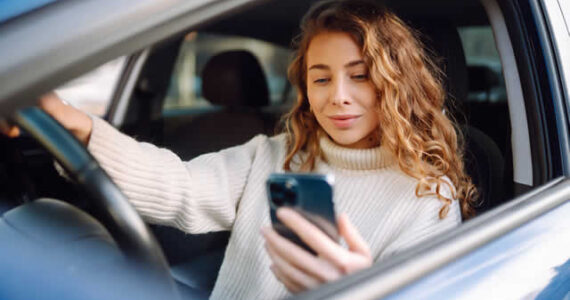
Texting while driving is a dangerous behavior that has become increasingly pervasive in recent years. It puts both the driver and other people on the roads at risk of serious injury or death.

Despite this, many drivers continue to be behind the wheel, disregarding safety and putting themselves and others in harm’s way.

The Dangers of Texting While Driving

The risk of accidents increases greatly when drivers are distracted by their cell phones. According to research from The American Automobile Association (AAA), texting while driving increases the chances of an accident by up to 23 times compared with those who drive without distractions like their phone or radio.

It only takes a few seconds to look at your phone and send or read a text message, but in that time you can easily cover the length of two football fields if you are driving at 55 mph. This kind of distraction puts not only yourself, but other drivers around you in serious danger. Every second spent looking away from the road increases your risk for getting into an accident exponentially.

When distracted by their cell phones, people’s reaction times slow down significantly and they become less aware of what is happening on the road ahead of them. For this reason, it is vitally important to keep your eyes on the road and off your phone while behind the wheel.

It Is Illegal In Many States To Text And Drive At The Same Time

Texting while driving has become a serious public safety concern in the United States. It is illegal in 47 states and Washington D.C., with some states having stricter penalties than others for those caught texting behind the wheel.

These laws are meant to protect drivers from distracted driving-related accidents, which can cause devastating injuries or even death. For example, in California it is illegal for anyone under 18 years old to use any type of electronic device such as a cell phone while driving; all adult drivers must use a hands-free device.

The fines for this offense can be steep; and drivers need to be aware of the laws in their state before engaging in any kind of distracted driving behavior.

It Is Important To Put Safety First

According to the National Highway Traffic Safety Administration (NHTSA), distracted driving accounted for 3,477 fatalities and 391,000 injuries in 2015 alone. Of those accidents, nearly 10 percent were caused by drivers who were using their cell phones while behind the wheel.

This equates to over 350 deaths and almost 40,000 injuries that could have been prevented by simply putting down the phone. The number of accidents due to a driver texting or looking at their phone while driving is staggering – and completely avoidable.

No matter where you are, it is important to put safety first and avoid any type of distracted driving such as texting while behind the wheel. Taking your eyes off the road even for a few seconds can drastically increase the risk of an accident. So it is best to wait until you have reached your destination or pulled over somewhere safe before checking your messages or other phone functions.

Safer Options While Driving

Fortunately, there are safer options available for those who want to use their cell phones while driving. For instance, hands-free devices allow drivers to access their cell phone functions without having to take their eyes off the road.

Additionally, voice-activated systems provide a safe way of dialing numbers and sending messages without ever having to touch your device. Many cars now come equipped with Bluetooth technology which allows you to pair your device with your car’s audio system so you can safely receive calls and texts while on the go.

By utilizing these safer methods of using your cell phone while driving we can all help reduce our chances of being involved in an accident caused by distracted drivers.

Conclusion

Texting while driving is a dangerous behavior that should not be taken lightly – stay alert and focused on the road ahead and never text while driving.

By following these guidelines, you can help keep yourself and those around you safe on the road. Whether it is a law in your state or not, be sure to always practice safe driving habits and stay attentive to other drivers. Even if you think that your cell phone isn’t a distraction, it is still best to avoid texting while driving – it could save lives!

image credit: envato.com

Tips For Choosing The Best Lifting Equipment Hire

lifting equipment

Well, renting a crane can be a relatively easy step, if you know all the procedures, steps and strategies that are involved in it. If you have a construction project or any other project you may need lifting equipment hire like a crane, But before taking the decision, explore the following tips quickly.

Rigger:

It is always advisable to hire a rigger before you lifting equipment hire, until and unless you are a crane operator. When you are hiring a crane, you also need somebody who can operate the machine to perform the task. A rigger does the lifting function; they also fasten the cable, straps and chains. A rigger can also perform other activities as well depending on the requirements. So, when you plan to hire a rigger, you must have a clear understanding as to why you need it at first place. After thorough understanding, you can take decisions like hiring additional crew members for handling the rigger.

Job Site:

You should inspect and analyze the job site before hiring riggers. Job sites differ from location to location, as there can be some site that has muddy ground, some with loose soil, and so on. So different soil conditions and job sites require different cranes. So, in this scenario, you need to do the research and find out the right one for your needs. Well if you are new to the profession, it is advisable to get professional help to lifting equipment hire that is suitable for your need.

Quotes:

Once you get a clear idea about the right crane, the next step of yours should be to get in touch with the company that offers free quotes and immediate attention. There are several companies in the market that offers lifting equipment hire. So, in this case, you should start your research a bit early and visit several companies and get their quotes. Once you get the quotes, you can go ahead and compare these quotes thoroughly before selecting the best company.

Crane maintenance:

You should show caution while choosing lifting equipment hire and select the best equipment only after thoroughly research and exploration. So when you visit different companies for lifting equipment hire, it is advisable to ask for the maintenance record of such machines. So, hire those cranes that are properly maintained every year and are in good condition.

Booking In Advance:

If you are planning to hire crane, rigger or other types of lifting equipment you should always decide to book them in advance to avoid last minute disappointment.

Contract:

There is always an official contract that is signed between the rental company and the company which is hiring. Thus, you should not sign it without exploring the contract details. Do take time to read the agreement, to avoid problem after you lifting equipment hire.

Do understand as to who will be responsible for the repair, the dates of the rental period, what might happen if the crane does not work at the site, The amount that needs to be paid by you including the taxes and fees. You should always work with a company that has got multiple cranes so that if one does not work, they can send a replacement for the same and thus your work does not get hampered.

Thus, by looking into the above points you have a fair idea as what precautions needs to be taken and what all needs to be considered while you hire lifting equipment.

3 Common Auto Emergencies and What You Can Do About Them

auto emergencies

Even the best drivers will have to contend with automobile emergencies at some point. Here are three of the more common emergencies that you might encounter, and what you can do when they happen to you.

A Dead Battery

A dead car batterycan leave you stranded, but fortunately it is an easy problem to fix. All you need is a pair of jumper cables and someone with a functional vehicle. Turn off the ignition and all electrical components of both vehicles, and attach the jumper clamps to the proper terminals on the good vehicle. The positive clamp should go on the positive terminal, and the negative clamp should go on the negative terminal. Do the same to the car with the dead battery. Start the good car, and let it run for about five minutes to charge the dead battery. The disabled car should start.

Keep in mind that you should follow these instructions closely and make sure that you attach the jumper cables correctly. Doing otherwise could cause serious damage to either vehicle.

A Blown-Out Tire

If you have a tire blow out while you’re driving, do not slam on your brakes to get yourself to stop. That could cause you to lose control of your vehicle and make the situation much worse. Instead of braking, put some pressure on the accelerator for a few seconds and keep your car going straight. Slowly release the gas pedal until you slow down to about 30 miles per hour, and pull to the side of the road. Slowing down should be easy enough since you will be down one tire.

If you have a spare tire, you can use it as a temporary replacement for your blown tire. Lift the car with your jack if you have one, remove the nuts on the tire, and put the spare in its place. You won’t be able to go very fast or very far on a spare tire, but it should be enough to get you someplace safe. If you don’t have a spare tire or you aren’t comfortable changing it, call for help.

A Crash

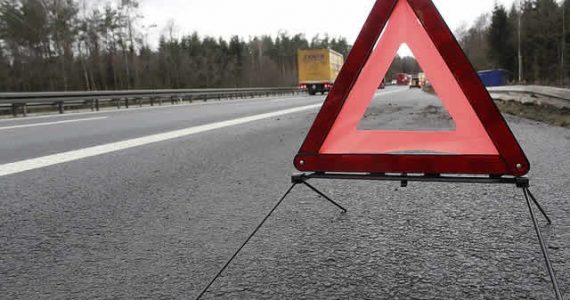
When you are in an accident, do your best to get your car to the side of the road. If anybody is injured, call 911 immediately. Make a note of where the accident took place and any damage to the other vehicles involved. Provide your insurance information to the other drivers involved, but don’t admit to any fault or lay the blame on anyone else. Contact a towing service to get your vehicle to a safe place, and contact your insurance company with any information that you have on the accident. If you find that you are injured and you believe that you may be entitled to compensation, don’t hesitate to contact apersonal injury or auto accident lawyeras well.

Auto emergencies can range from minor inconveniences to life-threatening accidents. When they happen to you, the most important thing is to stay calm and assess the situation while following these tips. Always remember that vehicles are only material possessions that can be repaired or replaced—what really matters is that you and everyone involved stays safe.