All posts in On the Road

Micro-mobility Revolution: Changing Urban Commuting for a Sustainable Future

alternative transportation

Micromobility is rapidly transforming urban transportation, offering a practical and sustainable alternative to traditional cars. From electric bikes and scooters to mopeds, these small, low-speed devices are gaining traction as cities around the world grapple with issues like congestion, pollution, and limited space.

But what exactly is micromobility, and how is it shaping the way we move through urban landscapes?

This guide will explore the rise of micromobility, its environmental and economic benefits, the challenges it faces, and the innovative solutions being developed.

By the end, you’ll better understand how this growing trend is redefining urban commuting and paving the way for a more sustainable future.

What is Micromobility and Why is it Growing?

Micromobility refers to transportation modes that typically operate at speeds under 25 km/h (15 mph) and are powered either by humans, as in the case of traditional bicycles, or by electricity, like e-bikes and scooters.

The term was coined in recent years, but the concept of using small vehicles for personal transport is far from new. Traditional bicycles have long been a mainstay of short-distance travel, especially in Europe and Asia.

The popularity of micromobility skyrocketed with advancements in electric motor technologies. Companies like Lime and Bird introduced shared electric scooters in cities, and e-bike manufacturers designed sleeker, more powerful models for consumers.

These new technologies have revolutionized the way we think of commuting by offering faster, more convenient, and more sustainable options. Urban dwellers facing congested streets and long travel times have embraced these alternatives, sparking a micromobility boom.

Benefits of Micromobility

Micromobility offers a host of advantages that make it an appealing solution for urban commuters and environmental enthusiasts alike.

  • Environmental Impact: Reducing Carbon Footprint

    One of the key benefits of micromobility is its potential to dramatically reduce greenhouse gas emissions. Unlike cars and motorcycles, electric scooters and bikes produce zero emissions during use, contributing to cleaner air in cities.

    Research shows that when people replace short car trips with micromobility options, cities see a marked decline in traffic-related pollution. This shift not only benefits the environment but also improves public health by reducing air contamination.

  • Cost-Effectiveness in Urban Commuting

    Owning and maintaining a car in the city can be expensive. From fuel and parking fees to insurance and regular servicing, the costs quickly add up. Micromobility offers a more affordable alternative, whether you’re purchasing a personal electric scooter or relying on shared systems for quick commutes.

    For many urban residents, especially those who don’t need a vehicle for long-distance travel, the lower cost of micromobility makes it an increasingly attractive option.

  • Health Benefits of Active Commuting

    Micromobility isn’t just good for the wallet or the planet—it’s also beneficial for personal health. Riding a bike, even an electric one, encourages physical activity, improves cardiovascular health, and strengthens muscles.

    Many users also find the experience of riding through the city energizing and enjoyable, turning the daily grind of commuting into an engaging form of exercise. For those looking to incorporate more activity into their routines, micromobility serves as a perfect balance between transportation and fitness.

Challenges and Solutions

While micromobility holds significant promise, it also comes with its own set of challenges. Addressing these issues is crucial to ensuring the long-term success of micromobility in urban environments.

  • Safety Concerns and Infrastructure Needs

    Safety often tops the list of concerns for micromobility users. Shared spaces with cars, pedestrians, and cyclists can create hazardous situations, especially in cities lacking bike lanes or well-designed infrastructure. Electric scooters and bikes also pose unique risks when riders lack helmets or familiarity with local traffic laws.

    The solution lies in better infrastructure and urban planning. Cities like Amsterdam are setting an example by investing heavily in dedicated bike lanes, reducing the risks and enhancing the commuter experience. Education campaigns around scooter and bike safety can also help ensure more responsible use.

  • Innovations in Safety Features and Urban Planning

    To tackle safety concerns, companies are also innovating. Many electric scooters now feature built-in lights, audible alerts, and advanced braking systems to improve safety during rides. Some apps even include tutorials and safety reminders for users before they begin their trips.

    Beyond these features, urban planners are beginning to design cities with micromobility in mind, creating shared lanes and drop-off/pick-up zones to accommodate these new modes of transport.

The Future of Micromobility

What does the future hold for micromobility? With continual advancements in technology and growing urban challenges, micromobility is poised to play an even greater role in the way we travel.

  • Technological Advancements in Battery Life and Efficiency

    The future of micromobility hinges on the advancement of electric motor and battery technologies. Longer-lasting batteries with shorter charging times will make micromobility devices more efficient and appealing, especially for users who rely on them daily.

    Innovations like regenerative braking, where energy is conserved during stops, are already pushing the industry forward.

  • Integration with Public Transportation Systems

    For micromobility to reach its full potential, it needs to seamlessly integrate with existing urban transportation systems. Imagine arriving at a train station and immediately hopping on an electric scooter for the final leg of your trip.

    Cities like San Francisco and Singapore are pioneering this approach, enabling commuters to easily combine public transport with micromobility.

  • Economic and Social Impacts on Urban Spaces

    Micromobility is reshaping urban spaces by reducing car dependency and freeing up valuable land previously devoted to parking. This change has significant social and economic implications.

    For example, cities can repurpose parking lots into parks, public spaces, or housing developments, creating more community-centric environments. Furthermore, micromobility can empower economically disadvantaged residents by offering a low-cost transportation alternative.

Case Studies and Success Stories

Cities around the world are already demonstrating the benefits of micromobility. Copenhagen, often cited as one of the most bike-friendly cities, has long led the charge in promoting alternative transportation.

The city’s extensive bike lanes and commitment to sustainable infrastructure have encouraged commuters to ditch cars for greener options.

Similarly, companies like Lime and Bird have seen widespread adoption of their shared electric scooters. By making micromobility options accessible to everyday users, these companies have significantly contributed to reducing urban congestion and building more sustainable cities.

Rethinking Urban Transportation with Micromobility

Micromobility is more than a trend—it’s a necessary evolution in the way we think about transportation and urban living. It’s a solution that addresses environmental sustainability, economic accessibility, and health benefits all at once.

While challenges like safety and infrastructure remain, innovative solutions and forward-thinking policies are lighting the path forward.

For urban commuters and environmental enthusiasts, adopting micromobility is one step toward a more connected, less polluted, and more dynamic future. By making the shift, you’re not just saving time or money—you’re actively contributing to a more sustainable world.

If you’re considering incorporating micromobility into your daily routine, there’s no better time than now. Whether it’s hopping on an electric scooter for your work commute or exploring your city on an e-bike, micromobility is making it easier than ever to move toward a greener tomorrow.

image credit: envato.com

The Future of Road Tripping: How Technology Is Changing the Way We Explore

road tripping

Road trips have long held a special place in the hearts of travelers. The open road offers a unique blend of freedom, discovery, and nostalgia that few other types of travel can replicate. The thrill of mapping out a route, packing snacks, and hitting the highway in search of adventure is irresistible for many.

But like most aspects of modern life, road tripping is evolving rapidly, thanks to technological innovation. From planning itineraries to enhancing on-the-road experiences, technology is redefining how we explore by car.

This post will take you through how road trips are changing, the emerging trends shaping the future of travel, and how technology enhances—rather than detracts from—the adventure. Whether you’re a seasoned wanderer or a road trip newbie, you’ll see just how exciting the landscape of tech-enabled road trips has become.

The Changing Dynamics of Road Trips

Road tripping used to be an exercise in spontaneity intertwined with a good dose of research. Planning typically involved maps, guidebooks, and perhaps a few word-of-mouth recommendations. Navigation? That was left to a trusty atlas or the passenger tasked with deciphering directions and landmarks along the way. Fast-forward to today, and technology has transformed nearly every aspect of how we road trip.

For starters, mobile apps have revolutionized trip planning. No longer do you need to spend hours poring over brochures or travel blogs. Apps now help you map routes, book accommodations, and suggest must-see attractions, all in one place.

For instance, apps like Roadtrippers allow users to plan their trip down to the last detail, visually lay out routes on a map, and discover hidden gems they might otherwise overlook. This streamlined process saves time and ensures you get the most out of your adventure.

Navigation is another area where technology has made leaps and bounds. Gone are the days of flipping through unwieldy maps or going miles in the wrong direction. GPS-based road trip apps like Waze and Google Maps offer real-time traffic alerts, alternative routes, and even warnings about hazards. Out on the highway, technology ensures you can adapt to changing road conditions on the fly and optimize your driving experience.

Beyond navigation and planning, technology also allows for richer, more immersive road trip experiences. Apps are now designed to provide relevant information at every turn—from local history to reviews of roadside diners. This newfound convenience doesn’t rob you of the adventure but instead adds a layer of discovery that adapts to your preferences.

Future Trends in Road Travel

The road trip experience is set to grow even more exciting, thanks to emerging technologies. Artificial intelligence (AI) and augmented reality (AR) are two trends poised to reshape how we explore by car, turning traditional road trips into futuristic journeys.

AI-powered apps are already helping travelers with predictive route planning. By analyzing real-time data such as weather, traffic, and even your personal preferences, AI can suggest more efficient or scenic routes tailored to the kind of experience you’re looking for.

AI might soon be capable of integrating even niche preferences—for example, finding the best campsite with barbecue facilities or an off-the-beaten-path swimming spot.

Augmented reality is also set to play a significant role in transforming travel experiences. Imagine holding up your AR-enabled smartphone at a scenic stop to learn about the history of the mountain in front of you or to see points of interest annotated in real time. With AR glasses becoming more accessible, the possibilities for enhancing the visual and educational aspect of road trips are nearly endless.

Additionally, advancements in electric vehicles (EVs) and charging infrastructure are changing the planning equation for eco-conscious travelers. The rise of EV-specific apps, such as PlugShare, ensures drivers can locate charging stations seamlessly, making electric road trips not only feasible but incredibly practical.

Voice-activated personal assistants in cars, integrated with smart technology, promise to combine convenience and safety by letting drivers adjust settings, request information, or play music—all hands-free. These AI companions add a level of sophistication to road trips that was once confined to science fiction.

Case Studies in Tech-Powered Road Trips

Several companies and innovations are already leading the way in reshaping how we plan and experience road trips. Apps like Roadtrippers and Waze have become go-to tools for travelers who crave effortless planning and navigation.

One standout example is the app GasBuddy, which takes the stress out of budgeting for long-haul trips by helping users locate the cheapest fuel options along their route.

Even small innovations like Campendium—an app that helps road trippers find campsites with real reviews and guest feedback—are helping travelers get the most out of their trips. These apps collectively create support ecosystems for explorers, making road trips accessible to a broader audience than ever before.

Then there’s the rise of connected vehicles, which are transforming cars into connected hubs. Tesla vehicles, for example, offer real-time map integration, an extensive charging station network, and even driver-assist features like Autopilot for long journeys. This synergy between hardware and software technology shows a glimpse of what smarter road travel could look like in the near future.

The Human Factor of Road Tripping

With all the technological tools at our disposal, one might reasonably worry that the magic and spontaneity of road trips are at risk of being swept away. But technology is not a replacement for the human element—it’s a tool for enhancing it.

The beauty of road trips is still in the surprises along the way—the chance encounters, quirky roadside attractions, and awe-inspiring vistas you weren’t expecting. Technology doesn’t replace these experiences; it empowers them. With the help of apps and tools, travelers can feel more confident exploring unfamiliar areas while sidestepping some of the logistical headaches that traditionally come with planning extensive trips.

Another way technology supports the human element of travel is through fostering connections. Online communities and app-based forums allow road trippers to share tips, advice, and stories in real time. These platforms create a sense of belonging among travelers and open up unique opportunities, from group meet-ups to live-streamed scenic drives.

Ultimately, the heart of any adventure lies with the people you travel with and the memories you create along the way. Technology simply serves as the bridge that connects you to the world.

Cruising into the Future of Road Trips

The era of traditional road tripping isn’t disappearing—it’s evolving. Technology is helping transform the way we explore, making road trips more efficient, accessible, and personalized than ever before. From seamless planning to AI-driven recommendations and AR-enhanced stops along your route, the possibilities for innovation in road travel are endless.

For travel enthusiasts, now is the perfect time to reimagine your adventures with the help of cutting-edge tools. The next time you hit the open road, consider integrating a few of these technologies to take your trip to the next level. After all, road tripping is about the journey, and the future of that journey looks brighter than ever.

image credit: envato.com

The Ultimate Guide to Road Rage-Free Commuting from Maryland to Washington, DC

Road Rage-Free Commuting

Commuting from Maryland to Washington, DC, can be challenging, with long drive times, heavy traffic, and stressful situations on the road. The pressure of navigating this daily trek can lead to frustration, but it doesn’t have to.

With some planning and mindful strategies, you can avoid commute chaos altogether. This guide will walk you through actionable tips to reduce stress, avoid road rage, and create a more positive commuting experience.

1. Plan Your Route in Advance

Road-rage-free commuting from Maryland to Washington, DC, begins with a solid plan. For starters, if you’re relocating to Maryland for a shorter commute, hiring moving assistance in Maryland can help simplify the process.

Professional movers in Maryland can handle packing, loading, and transporting your belongings, allowing you to focus on settling into your new home. They know the best practices for a safe and efficient move, reducing stress and saving time.

Once settled, explore your area and identify less congested routes to ease your daily drive. Checking real-time traffic updates on apps like Google Maps or Waze can help you avoid bottlenecks and find the quickest route.

Keep alternative routes in mind, especially during peak hours or bad weather. Leaving earlier or adjusting your schedule to off-peak hours can also make a significant difference.

2. Optimize Your Vehicle for Comfort

Your car should feel like a haven during long commutes. To avoid unexpected breakdowns, start by ensuring it’s in good condition. Routine maintenance, such as checking tire pressure and oil levels, is essential.

Comfort also plays a big role in managing stress. Add ergonomic seat cushions or lumbar support to make long drives easier on your body. Keep your vehicle organized—clutter can be distracting. A clean, comfortable space helps you stay focused and reduces irritation.

3. Explore Alternative Transportation Options

Sometimes, driving isn’t the best option, especially if you have vehicle problems. Consider carpooling or using ride-sharing services. Not only do these options reduce the burden of driving, but they also help you connect with others, making the journey less isolating.

Public transportation, such as the Metrobus, Metrorail, or MARC trains, is another great choice. These options allow you to skip the road entirely while efficiently making it to DC. Biking or using e-scooters can be quicker and more enjoyable for shorter distances, especially in areas with designated bike lanes.

4. Practice Mindfulness While Driving

Staying calm during your commute is key to avoiding road rage. Listening to calming music, podcasts, or audiobooks can shift your focus away from frustrations on the road. For example, upbeat playlists can energize your morning, while soothing tunes help you unwind after work.

Mindfulness techniques, such as deep breathing exercises, can also help. If you feel anger rising, take a few deep breaths and focus on the rhythm of your breathing. This simple act can instantly lower stress and prevent reactive behavior.

5. Understand Road Rage Triggers

It’s crucial to recognize common triggers to avoid road rage. Aggressive drivers, traffic jams, and even personal stressors can set you off. Instead of reacting, focus on controlling your emotions. Remind yourself that you can’t control other drivers but can control your response.

If a situation feels overwhelming, pull over safely and take a break. Even a few minutes can help you regain your composure. Remember, your priority is getting to your destination safely—not winning a battle on the road.

6. Commuting from Maryland to Washington, DC: Utilize Technology Wisely

Technology can make your commute easier if used properly. Navigation apps with voice-guided directions keep you on track without requiring you to look at your phone. Dashboard mounts ensure hands-free operation, keeping distractions to a minimum.

There are also apps designed to reduce stress. For example, Calm or Headspace offers mindfulness exercises before or after driving. Some apps even provide guided breathing techniques to help you relax during high-stress moments.

7. Incorporate Healthy Habits

A healthy lifestyle can significantly impact how you handle stress during your commute. Regular exercise and a balanced diet improve your overall mood and energy levels. Physical activity, such as a morning walk or yoga, can prepare your body for the day ahead.

Adequate sleep is equally important. Sleep deprivation can lead to irritability and slower reaction times, increasing the risk of road rage. Make it a point to get enough rest, especially on nights before longer commutes.

8. Engage in Positive Reinforcement

Turning your commute into a positive experience starts with small rewards. Celebrate stress-free days by treating yourself to something you enjoy, whether it’s a favorite snack or a relaxing activity at home. These rewards create a sense of accomplishment and motivate you to stay calm.

A positive mindset can also transform your perspective. Consider what you enjoy during your drive instead of focusing on what’s frustrating. Maybe it’s the quiet time to reflect, the scenic views, or the chance to listen to your favorite podcast.

9. Leverage Flexible Work Arrangements

If your employer offers flexible work arrangements, use them to ease your commute. Many companies now allow hybrid schedules, where you can work from home for part of the week. Fewer days on the road means less exposure to traffic and stress.

Adjusting your work hours can also make a difference. Shifting your schedule by an hour or two can help you avoid the peak rush. For example, starting your day earlier or later than the typical 9-to-5 crowd allows you to drive during less congested times.

Another option is exploring coworking spaces closer to home. That allows you to skip the commute on certain days while still working in a professional setting. Many such spaces offer monthly plans, making them a cost-effective solution.

If relocation is on the table to reduce your commuting distance, consider neighborhoods with easier access to major highways or public transportation. While relocating involves upfront effort, working with a team of trusted movers ensures the process is efficient and stress-free, so you can focus on settling into a more convenient location.

Conclusion

Commuting from Maryland to Washington, DC, doesn’t have to be a stressful experience. Planning, optimizing your comfort, and practicing mindfulness can make your daily journey smoother and more enjoyable.

Whether driving, carpooling, or using public transportation, these strategies can help you stay calm and focused. With a little effort, you’ll find that your commute can be a time of productivity and even relaxation rather than a source of frustration.

image credit: envato.com

The Ultimate Guide to Planning Your Road Trip for Christmas Travel

Christmas travel

The holiday season is quickly approaching, and for many people, it’s time to start mapping out those cherished travel plans. Road trips are an incredibly popular option for Christmas travel, offering flexibility, stunning scenery, and the opportunity to create unforgettable memories with loved ones.

Yet, the reality of holiday travel can often be less idyllic—think traffic jams, last-minute road closures, and the stress of forgotten essentials. But don’t worry! With the right holiday travel planning, you can avoid common pitfalls and enjoy an effortless road trip this season.

This guide walks you through everything you need to plan and prepare for an enjoyable and stress-free road trip. Follow these steps, and you’ll be well-equipped to hit the road, whether it’s a quick drive to your holiday destination or a longer adventure.

Why Early Planning Will Save Your Christmas Road Trip

Holiday travel, especially by road, comes with unique challenges. Roads become more congested as seemingly everyone makes their way to celebrate with family and friends. Weather conditions can add extra layers of difficulty, and last-minute planning often results in higher stress levels and unexpected complications.

Starting your holiday travel planning early comes with several benefits. You’ll have the opportunity to choose the best travel dates, prepare your vehicle for the road, and ensure you have everything you need packed and ready.

You’ll also reduce the likelihood of being caught off guard by delays or closures. Most importantly, early planning lets you focus on the joy of the season instead of the stress of the road.

Selecting the Best Travel Dates

One of the most critical aspects of successful holiday travel is choosing the best dates to hit the road. Popular travel days—like December 23rd and 24th—are often notorious for heavy traffic. By avoiding peak travel periods, you’ll significantly reduce the chances of spending unnecessary hours stuck on the highway.

Pro Tip: Apps like Waze and Google Maps don’t just give you directions—they also provide live updates on traffic patterns. Use these tools to identify less congested days and times to travel. Many experts suggest starting your trip a few days before Christmas or waiting until after December 26th if your schedule allows.

Plan Your Route Like a Pro

Your road trip route can make or break your holiday travel experience. While your initial instinct may be to allow GPS to guide the way, doing some pre-trip research is time well spent. Mapping out your route ahead of time will ensure you choose the safest and most efficient roads.

Tips for Route Planning:

  • Use tools like Google Maps or apps like Roadtrippers to chart your course and make note of potential rest stops, scenic detours, or places you might want to visit.
  • Plan for alternative routes in case of unexpected road closures, heavy traffic, or adverse weather conditions. Always have a backup plan.
  • Look up rest stops, restaurants, and fuel stations along your route so you can avoid long stretches of time without amenities.

Preparing Your Vehicle

Before embarking on any holiday road trip, ensuring your car is in top condition is essential. A quick trip to your mechanic can save you from potential breakdowns or avoidable delays during your trip.

Pre-Trip Vehicle Checklist:

  • Oil Check:
    Ensure oil levels and quality are adequate.
  • Tires:
    Make sure your tires are properly inflated, with enough tread to handle long distances or icy conditions.
  • Battery:
    Check that your car battery is charged and functioning well, particularly in cold weather regions.
  • Brakes:
    Inspect your brakes for any wear and tear.
  • Fluids Check:
    Top off windshield washer fluid, coolant, and brake fluid.

If you’re traveling through colder climates, don’t forget to winterize your car. Carry essentials like an ice scraper, snow chains, and extra washer fluid rated for freezing temperatures.

Pack Smart for a Stress-Free Journey

Smart packing is the secret to a stress-free holiday road trip. Striking the perfect balance between bringing all the essentials and avoiding overpacking can make a world of difference.

Essentials to Pack:

  • Comfort Items:
    Travel pillows, blankets, and snacks for the road.
  • Safety Kit:
    First aid kit, flashlight, jumper cables, and a portable phone charger.
  • Documents:
    Keep your driver’s license, insurance papers, and registration handy.
  • Entertainment:
    Download music, audiobooks, or podcasts to keep your passengers (and yourself) entertained.

Packing Tips:

  • Use travel organizers or packing cubes to maximize space.
  • Place frequently used items like snacks, water, and your phone charger in easily accessible spots.
  • If traveling with gifts, make sure fragile items are properly wrapped, and consider shipping larger or awkwardly shaped packages ahead of time to reduce clutter in your car.

Book Your Accommodations Early

If your Christmas road trip involves an overnight stay, booking accommodations in advance will save you from unexpected stress. Hotels and motels often fill up quickly during the holiday season, especially in popular locations or near highways.

  • Use booking platforms like Airbnb or Expedia for a range of budget-friendly options.
  • Check reviews to ensure the place meets your cleanliness and comfort standards.
  • Maintain flexibility by choosing accommodations with free cancellation options, just in case your travel plans change due to weather or other unexpected events.

Stay Flexible and Stay Safe

No matter how thoroughly you plan, holiday travel can still throw a few surprises your way. The key to managing these moments is staying flexible and well-prepared to make adjustments to your plans.

Stay Informed:

  • Check real-time updates for traffic conditions using apps like Google Maps or INRIX.
  • Monitor local weather forecasts, especially if you’re traveling through regions prone to snow or heavy rain.

Be Prepared for Delays:

  • Bring extra snacks and entertainment in case you find yourself stuck in traffic.
  • Keep an eye on fuel levels and top off your tank earlier than usual to avoid any stress if you’re stuck in a long traffic jam.

Safety First:

Remember to take breaks to stretch your legs and refresh yourself during long drives. Driver fatigue is dangerous, so switch drivers when necessary or plan for overnight rest stops.

Making Your Holiday Road Trip Effortless and Memorable

A successful Christmas travel experience comes down to preparation, flexibility, and a touch of festive cheer. By planning early, packing smart, and keeping an eye on traffic and weather updates, you’ll be well on your way to enjoying a road trip filled with joy and ease.

Whether you’re heading home to see family or venturing out on a holiday adventure, the effort put into your travel plans now will pay off in a stress-free, memorable experience.

Now it’s your turn! Have any holiday travel tips or road trip hacks to share? Drop them in the comments—we’d love to hear from you. Wishing you a safe and merry adventure this Christmas season!

image credit: envato.com

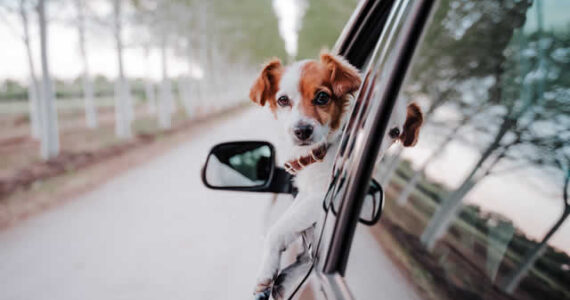
How to Prepare a Pet-Friendly Car for Moving with Furry Friends

Moving can be a challenging journey, especially when you’re relocating with pets. Cats, dogs, and other small animals are part of the family, and their comfort during a long trip is as important as anyone else’s.

Creating a pet-friendly environment in your car is essential to make the transition smoother for you and your furry friends.

In this guide, you’ll learn everything you need to know about moving with furry friends, as well as your pet’s comfort, safety, and well-being throughout the move.

Plan for Moving with Furry Friends

Preparing your car for a pet-friendly move starts with planning. Take some time to think about the best way to organize your car for maximum comfort for both pets and people.

Consider your pet’s needs during travel, including their space, access to food and water, and frequent breaks. Moving with furry friends requires a little extra thought, but the effort will pay off by making the journey a much happier one.

Familiarize Pets with the Car

Not all pets are used to car rides, especially if they’re typically homebodies. Before moving day, take your pets on short rides around the neighborhood. This familiarization process helps them adapt to the car environment, making the long trip less stressful.

A positive association with the car can help prevent anxiety in pets, especially cats, who may find car travel unfamiliar and a little overwhelming.

Set Up a Comfortable Travel Space

The ideal travel space for pets is safe, cozy, and separate from areas where you’ll need to drive. For dogs, this might mean setting up a secured area in the back seat where they have enough room to sit, lay, and stretch.

For cats, it’s generally best to use a carrier or crate, giving them a safe, enclosed space to retreat to. Make sure to include their favorite blanket or bedding in the car, as the familiar scent will help them feel more at home.

Keep Safety in Mind

Safety is paramount when moving with furry friends, especially on the open road. Unsecured pets can be a hazard if they jump into the driver’s lap, block the driver’s view, or become anxious during the journey.

Using a reliable road app can help you find pet-friendly rest stops and other resources along your route, allowing for regular breaks and safe stops. Ensure pets are safely secured using travel-friendly harnesses, crates, or carriers.

A pet seatbelt or harness attachment is a great choice for dogs, while cats and small pets should stay in sturdy carriers. This setup keeps pets secure and prevents distractions, creating a safer driving experience for everyone.

Packing Pet Essentials for Easy Access

For any long drive, you’ll want to have essential supplies easily accessible. Pack a small bag with pet items such as food, water, treats, toys, and waste bags. Include any medications your pet needs and a portable water bowl.

Make sure to keep these items within reach so you can quickly grab them during pit stops. Having familiar toys nearby can also help to reduce stress and keep your pet entertained during the journey.

Be Prepared for Unexpected Weather

Weather can change quickly, so it’s best to be prepared for rain or any other precipitation. Keeping a few extra towels on hand can be a lifesaver if your pet gets wet during bathroom breaks or if you need to wipe down the seats.

You may also want to bring along a waterproof mat or blanket to protect the car’s interior. Preparing for different weather conditions ensures that both you and your pets stay dry and comfortable throughout the trip.

Schedule Regular Breaks for Exercise and Bathroom Needs

Regular breaks are a must when moving with pets. Plan to stop every couple of hours so your dog can stretch, walk, and use the bathroom.

For cats, you can bring a portable litter box to set up during longer stops. Taking breaks helps your pets relieve themselves and gives them a chance to burn off a little energy and reduce travel-related stress.

Create a Calming Environment for Anxious Pets

Some pets are naturally nervous travelers. If your pet tends to get anxious, consider ways to create a calm environment. Lowering the volume on the radio, speaking in a soothing tone, or using pet-safe calming sprays can help.

There are also calming chews and supplements designed for pets that may help alleviate anxiety during travel. Remember, your pets are more likely to remain calm if they sense that you’re also relaxed.

Plan for Overnight Stops if Needed

If you’re moving across a long distance, you may need to plan for an overnight stay. Look up pet-friendly hotels in advance to ensure your furry friends are welcome.

When booking, inquire about the hotel’s pet policy and confirm any pet fees or rules. Packing a small overnight bag with your pet’s essentials can make transitions between the car and the hotel easier.

Keep Comfort and Hydration in Mind

Temperature control is important to keep pets comfortable during travel. If you’re moving on a hot day, ensure the car stays cool, as pets can overheat quickly. Alternatively, in cold weather, make sure they stay warm.

Keep a close eye on their hydration levels, as travel can be dehydrating. Offering water at regular intervals will keep your pet hydrated and comfortable throughout the journey.

Handle Arrival with Patience and Care

When you finally arrive at your new home, your pet may feel overwhelmed by the unfamiliar environment. Give them time to explore each new space at their own pace, letting them gradually become familiar with their new home.

Allow your pet to stay close to you, as your presence will help reassure them. Setting up a small area with their bed, food, and favorite toys can create a sense of normalcy and comfort.

Moving with Furry Friends: The Final Tips for a Smooth Trip

The journey doesn’t have to be stressful for your pets if you prepare a pet-friendly car and keep their needs in mind. Moving with furry friends is a rewarding experience, bringing a sense of companionship and love during a time of transition.

Prioritizing your pet’s comfort, safety, and mental well-being ensures they’ll arrive at their new home ready to settle in and explore. And remember, with the right setup and a little patience, your car can be as pet-friendly as your new home will be.

image credit: envato.com