All posts in On the Road

Five Cars That Are Great for Both Highway and Off-Road Adventures

If you are an adventure seeker that craves the excitement of an off-road journey, the average sedan is just not going to get the job done. You will need a vehicle that is rugged enough to withstand the rigors of an off-road trail. Here are five cars that are great for both highway and off-road adventures.

Volkswagen Touareg TDI

The curvaceous exterior design of the Volkswagen Touareg TDI misleads some people to believe that it is limited to street-use only. Surprisingly, the Touareg TDI is specially engineered to carve through the occasional off-road trail. With its muscular diesel engine and adaptive air suspension, the Touareg easily churns through deep snow and gummy mud holes. On road, the Touareg’s handling ability is on par with a true sports sedan.

Jeep Grand Cherokee

The majority of Jeep Grand Cherokees never even touch the dirt. Most owners rave about the unmatched comfort and practicality of the Grand Cherokee. However, taking the Grand Cherokee on an off-road journey transforms it into an entirely different animal. The SUV’s legendary four-wheel-drive system and sturdy chassis definitely comes in handy when tackling rough terrains.

Nissan Xterra

For over a decade, the Nissan Xterra has remained one of the best family vehicles on the market. Whether the family is taking a trip to the beach or heading to a ski resort, the Xterra treats the passengers to a comfortable ride and plenty of cargo room. If you prefer to take the Xterra on an off-road excursion, the SUV is properly equipped to handle the task. Its beefy suspension setup and rugged chassis enable the Xterra to handle a variety of different environments.

Subaru Outback

The wagon design of the Subaru Outback allows the owner to haul anything from hiking equipment to a pair of skis. The Outback’s excellent fuel economy makes it the perfect vehicle for taking a cross-country trip. The aftermarket is full of Subaru Outback parts, so you can easily upgrade the chassis if you are a serious off-road enthusiast.

Chevrolet Silverado Z71 Crew Cab

The crew cab version of the Silverado Z71 provides able room for the entire family. It is a big highway cruiser that can easily tow a boat if needed. When outfitted with a set of off-road tires, the Z71 can topple virtually any obstacle in its path.

There are numerous places in the country that are just waiting to get explored. All of these vehicles are certainly capable of fulfilling your hunger for adventure.
Six Rules to Safe Winter Driving

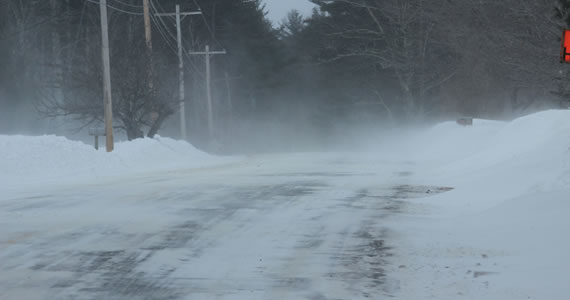
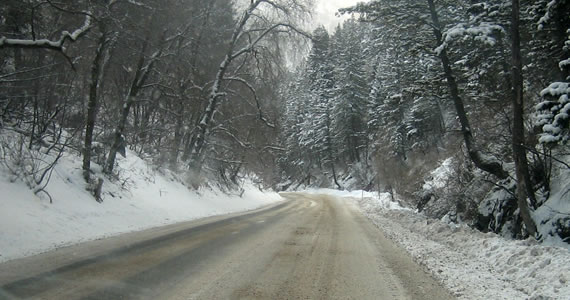
Driving is an act which needs attention and care even at the best of times. Even if you are obeying the traffic rules, it is entirely possible that a fellow driver or a pedestrian has not. In such situations the priority is to save lives and quick reaction helps. If you are driving during the winter, the level of concentration required is only multiplied a few times over. We outline a few tips for young drivers planning to drive during winters.

Winter Driving Tires –

For better control and traction, winter tires are a necessity. Snow and ice (sleet) make the roads slippery and good quality winter tires help emergency brakes or sudden change in directions immensely. With dropping temperatures the air pressure inside the tires varies too, so keep an eye on them.

Accelerate safely –

Start slow! Most driving lessons recommend it is always better to gently step on the gas on slippery surfaces so your wheels do not over spin. Similarly, plan ahead while you prepare to stop so that you do not have to brake abruptly. It is likely that you still might have to make sudden stops or your vehicles might slip a little. To prepare for such situations, secure your valuable electronics (laptop, cellphone) or loose items (coffee cup) properly so that they don’t get tossed about. Flying objects can either injure you or distract you, causing accidents.

Allow more space –

According to Driving School Brisbane it is a good practice to keep safe distance with fellow vehicles. While following a vehicle or driving next to a vehicle on multiple lane roads, it minimizes errors and accidents even if your car does not stop exactly where you wanted it to, as it frequently happens on icy roads.

Keep winter tools –

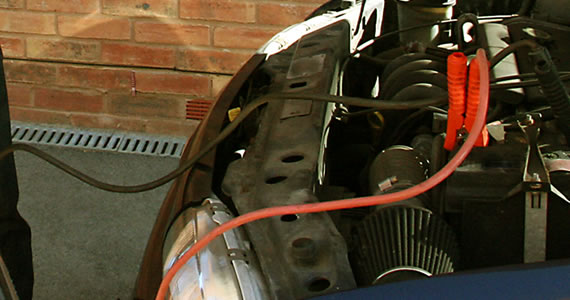
Traveling in winters can lead you to unexpected situations even if you are following safety regulations. Check your battery and exhaust before you start. Flashlights, first-aid kits, snow shovels, extra pair of winter boots, snow scraper, extra supply of cleaning liquids for windscreens, anti-freeze and booster cables are just some of the essentials which must be stocked in your trunk. You might not ever need them, but when you do need anything it is better to find them with you than being deserted in the middle of the road on a cold night.

Maintain visibility –

Most of the driving errors reported in Driving School Brisbane are majorly due to lack of visibility for drivers. When you are following a vehicle, a spray can cover your windscreen. Keep your wipers on. Also ensure your high beam lights are always on so you can see what is ahead of you.

Last but not the least; do not panic if you hit ice. The first thing to do is to get off the accelerator immediately. Remember a slower vehicle is always easier to control. Now shift to neutral gear and start steering yourself to safety. Sudden brakes will only make the vehicle slide out of control more. Stick to these driving lessons and ensure your ride in the winters is a safe one.

Mark Long is a renowned authority in winter driving. Having spent nearly two decades in Australia, he has vast experience in driving through ice and snow. Now settled in Sydney, he shares those as part of his driving lessons to young drivers.

Travel Kits Are a Smart Idea: 6 Things You’ll Need

When on the go, it can be difficult to travel without having the basic necessities on hand. It can undoubtedly be expensive to purchase certain items when on the road, making it important to plan ahead of time by preparing a travel kit, which will ensure you’re comfortable and prepared for the unexpected.

Neck Pillow

Neck pillows are a great way to have proper support when sleeping on a plane or when traveling in the car for several hours at a time. When traditional pillows are too bulky to travel with and difficult to use when sitting up, neck pillows offer a practical solution and are compact enough to pack. It makes it easy to nap and stay rested without waking up with strained neck muscles.

MP3 Player

An MP3 player will offer entertainment when on the road or when having to wait to board a plane. It’s a great way to stay busy and occupied, making it easy to listen to playlists or even audiobooks. Having the compact device on hand will make the time go by faster and will prevent having to pack a number of CDs or books.

Mouthwash

Staying refreshed is crucial when traveling to stay comfortable and maintain proper hygiene. It can be difficult to keep your teeth brushed throughout the day, but mouthwash can be used to keep your breath fresh and to kill germs. Pack a compact travel size of mouthwash for an easy product to take on the go.

Travel Bottle

It can be easy to become dehydrated when traveling, making it important to have enough water packed to maintain energy levels. Although it can be difficult to take along several liters of water, a travel bottle is easy to pack and can be refilled at the airport or at a restaurant.

Hand Sanitizer

One of the most common ailments of traveling is catching a cold when in contact with hundreds of people at an airport or when spending time in public places. Although you may not always be able to wash your hands and keep germs at bay, hand sanitizer will work effectively and prevent illness.

Eye Drops

Eyes naturally become dry when at higher altitudes or without proper sleep. Pack eye drops to restore moisture and prevent infection or unnecessary strain on the pupils.

Travel kits are not only easy to prepare and bring along when on the go, but will also ensure a more comfortable and efficient trip that promotes your overall health and well-being. They kit can make it easier to enjoy a trip without suffering from jet lag, boredom, or even fatigue. Click here to find more items to pack when traveling.

Road Trip Disasters: 5 Common Car Problems And How To Avoid Them

Road trips are a lot of fun, but they can wind up stressful and costly if the vehicle you’re taking isn’t up to snuff. Make sure to have your car inspected for these five common issues before you embark on your journey, or you may find your trip cut short.  Road trips are known for fun plot twists along the way, but a broken down car often makes things get a bit more melodramatic than anyone wants!

1. Coolant Leaks

If you ever notice drips under your car, get them checked out quickly. Lack of coolant can cause a vehicle to overheat astonishingly quickly. Without sufficient coolant, hot engine components burn oil, grind together, and can even fuse. The last thing you need is to be the car on the side of the highway, popping the hood and coughing through the smoke.

2. Flat Tires

A lot of things can go wrong with your tires before you notice, and unfortunately, when you do notice it’s usually because they’re beyond repair. Small nails can embed themselves in the tread, leaking air for weeks before you notice. Underinflated tires cause worse gas mileage. Bald tires reduce traction and make driving dangerous. Schedule a consultation or get tips from professionals like those at mcgeetire.com to ensure the only parts of your car that touch the road are road-worthy enough for a long trip.

3. Battery Failure

Car batteries are only rated to last around three or four years, but many people let them go for much longer without replacement. Any number of things can go wrong with a battery, and it’s better to replace it early than to go to get an early start for your day and find it dead. While you’re at it, check and clean the corrosion around the terminals to ensure proper conductivity.

4. Loose or Missing Gas Cap

A gas cap doesn’t seem that essential, but you’ll be surprised at how much it can affect your gas mileage. Whether you left it on the trunk after a fill, or it simply doesn’t fit snugly any more, it’s time to get a new one. Thankfully, a replacement gas cap is only a few dollars at any auto parts store, so you should have no trouble fixing this problem.

5. Faltering Spark Plugs

Every driver has likely heard of a spark plug before, but few people know where to find one or what happens when they fail. Misfiring spark plugs can cascade into dozens of different ailments for a car—from faltering engines to broken catalytic converters.

Once you’ve thoroughly checked out these features of your car, (and thrown in an emergency kit, just in case) you can hit the road a little more assured that you’ll have a memorable road trip—but for good reasons. 

About Author: Rianne Hunter is a wife, mother of three, and lover of all things travel and transportation. She often writes about cars, fuel economy, and tires. Regarding tires in Tampa FL or Seattle WA (wherever you may be) she always recommends checking them before leaving on prolonged road trips.

Get a Grip: 4 Best Wet Weather Driving Tips

As weather turns colder and more gloomy one thing that shouldn’t get us down is an expense from a fender bender that could have been avoided. Driving in wet weather is something that everyone is subject to but often times we forget that we will need to drive more cautiously and intelligently; otherwise a motorist will find him or herself involved in an accident with unknown ramifications. Fortunately, with these four safe driving tips, you can arrive to their destination without incident.

Tires

All too often, a driver will neglect his or her tires in a bid to save time and money. At first, some people get away with this and do fine on bald or damaged tires. However, on a wet and unpredictable road, one will have problems navigating their car with old and worn out tires. To combat this and avoid serious problems in the rain, one should head to an online or brick and mortar store to pick up a new set. Of course, when looking to save the most money, one should buy cheap tires online as they will cut out the middleman and save you some money in the process.

Slow Down

A motorist in the rain must slow down and go at, or below, the speed limit. All too often, a driver will not heed this advice, and they will go over the limit and cause an accident when they cannot handle the conditions. One must remember that a car reacts differently on wet pavement, and a driver must understand this and slow down during treacherous conditions. Remember, in poor conditions, a driver must slow down and watch out for other people on the road.

Following Distance

 When on the road, other drivers will also react poorly to the rain and wet conditions. To avoid problems, a motorist should know this and avoid tailgating. This is especially true when driving during busy times as one false move by another motorist can cause problems for everyone on the road. Remember, never tailgate and especially during rainy times as other drivers are unpredictable and may stop or slow down for conditions. This step will help a person avoid most problems on the road as tailgating causes plenty of accidents.

Lights

In some states, a driver must have his or her lights on when using their windshield wipers and driving in the rain. Even if this is not the case, a motorist should opt to do this as other drivers will have an easy time seeing a car with lights on. Without a doubt, this is an important step as people will have difficulty in seeing other cars in downpours.

Remember that just because it’s raining outside doesn’t mean that you have to be cooped up at home! So don’t hesitate to take that trip to the store or anyhting just because its wet outside. With these four simple tips, a motorist can, with ease, avoid accidents and arrive home safely and on time.