All posts in On the Road

Hazards On The Road: 5 Tips For Preparing Your Car For Anything

Traveling by automobile and taking road trips can be a fun experience; however, there are many different things that can happen while you’re traveling that are not enjoyable and can be dangerous if you’re not prepared properly. Below are five tips for preparing your car for the worst.

Emergency Supplies

If you plan on traveling to remote areas away from cell towers and the rest of the world, you’ll need to be ready for bad weather and other hazards. Having your vehicle break down during a blizzard or rainstorm while you’re trapped inside without any emergency supplies like blankets, food, water, flashlights, flares, first aid kits, or warm clothing could mean a potentially dangerous situation.

Tires

It may seem like common sense, but don’t drive on bald tires and always have a spare handy in case of a flat. Make sure your spare tire is in good shape or you may end up with a flat spare, too. You may also consider getting snow tires if you live in an area that is prone to heavy snowfall.

Make Sure Your Heater And Air Conditioner Works

If you’re on a trip traveling through extremely hot or cold weather, make sure your air conditioner and heater are working properly. If neither one works, nor you only have the means to fix one, fix your air conditioner. When it’s cold out, you can always layer up, but if it’s hot, you run the risk hyperthermia if you don’t have enough water on hand.

Get Your Battery Checked

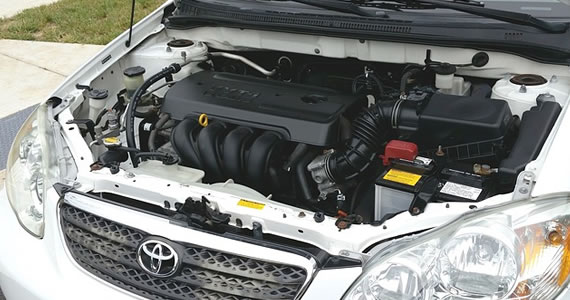
Batteries don’t last forever, and you could very well end up on the side of the road with a dead vehicle due to a bad battery. This is a frustrating experience, especially if you’re stuck in traffic, rain, snow, or heat. If you plan on traveling a long distance or you think your battery is on its last legs, get a local mechanic or dealership, such as Rebel Ford, to check the charge of it for you if you don’t have means to test it yourself.

Check The Antifreeze

Checking your cooling system for leaks and replacing your antifreeze before the winter and summer months is essential. A vehicle with an antifreeze leak could mean that your car or truck is moments away from a disaster. Problems present themselves as an overheated engine, or in extreme cases, and damaged engine block.

Utilizing these tips above will ensure your safety when traveling in your vehicle long distances or in adverse weather conditions. Remember, being preventative is the key to avoiding many of the hazards the road can throw at you.

Driving In Snowfall: 4 Safety Tips For The Roads This Winter

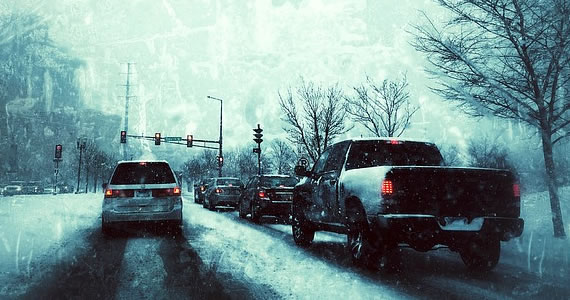
Driving in the winter can be challenging for even the most experienced drivers. The weather can often be unfavorable for driving due to snowfall and ice. Even small amounts of snow can cause road conditions to rapidly deteriorate, creating a slick and dangerous driving environment. Thankfully, there are steps that you can take to be prepared for the worst weather winter can bring. Here are four important safety tips that are crucial to follow when driving in the snowfall this winter.

Keep An Emergency Kit In The Car

If you become stranded on the road in the winter weather, having the proper supplies in your car can help keep you safe. Pack items such as bottled water, non-perishable snacks, blankets, gloves, a mini shovel, hand warmers, a flashlight, and a battery operated phone charger.

Drive The Appropriate Speed

It is never more important to drive at or under the speed limit than when winter weather conditions strike. Too often, drivers do not adjust their speed to accommodate inclement road conditions. Driving too fast in snow and ice not only places yourself in danger, but you put the safety of others at great risk.

If Possible, Wait To Drive Until Roads Have Been Treated

If you are not in too much of a hurry to get to your destination, wait until roads have been plowed and salted before driving. This will help ensure safer driving conditions while traveling. Road maintenance workers can only do so much to keep the road clear, depending on the severity of weather conditions. If it looks too bad, lean towards to side of caution and wait for better road conditions.

Proper Car Maintenance

The best driving in the world is no substitute for a properly maintained car when trying to navigate slippery roads. Before the first snowfall, ensure that your tires are in good condition, and replace your tires if the tread is worn. If you do need to replace your tires, consider buying ones that are specifically built for winter road conditions. Aside from your tires, be sure the rest of your car is ready for winter. Check the condition of your windshield wipers, car heater, and fluid levels. Take it to a dealership, like Woody Sander Ford, or a trusted mechanic to ensure that you are prepared for the winter.

In addition to following the four safety tips listed above, it is always important to use good judgement and exercise caution when driving in the snow. The four tips mentioned above could help you stay safer in winter weather conditions.

Auto Technology: Cool Innovations That Will Make You a Better Driver

Driving has come a long way, so to speak, since the days of Henry Ford and his pioneering development of mass production automobiles. Ford embraced technology as an ally to help him attain his vision of average Americans being able to afford a car; since then, technology has shifted towards improving the overall driving experience. The following five innovations have been specially designed to make driving easier, more enjoyable and safer:

Backup Cameras

Throwing gears into reverse and assuming an awkward position of embracing the passenger seat and twisting your entire body while sitting down sounds like a complex yoga pose, but this is the reality of backing up without the benefit of a digital camera that lets you see exactly what is happening beyond the rear bumper of your car. The latest cameras even display the action on the rear view mirror to take advantage of the driving paradigm of glancing at the mirror to see objects behind you.

GPS Systems

Road navigation systems are often taken for granted these days, but there was a time when getting lost on the roads was a frequent and risky proposition. The best GPS application for automotive use are the type built into the dashboard infotainment unit, but even a mounted smartphone with the right mobile app can help these days.

Wireless Chargers

Smartphone integration with vehicles is only safe when it is done correctly. To this effect, modern wireless chargers do away with the risk of having to fumble with tangled cords while driving. Plus, some of them, like those from TYLT, are purposefully meant to be kept at the same level as the road as to prevent drivers from becoming too distracted.

Smart On-Board Diagnostics

The standard OBD II port in modern vehicles used to be reserved for auto technicians who operated expensive equipment to determine what the engine computer had to say about its condition. These days, smart OBDII scanners are affordable and can interface with mobile apps to let drivers and car owners know exactly what is happening to their engines, thereby making them better informed about the overall state of their vehicles.

Hands-Free Communications

Android Auto, Apple CarPlay and Microsoft Link are primarily designed to make driving safer by allowing drivers to control infotainment systems with their voices and not with their hands. As these smartphone integration standards become smarter, drivers can keep their hands on their steering wheels while they make phone calls, reply to text messages and retrieve information with their voice.

How many of the five above innovations do you currently have access to? Hopefully, you can now see what value that they can bring to your life and will take the necessary steps to invest in them. We all want to be safe on the road and by taking advantage of new technology, we can do just that.

6 Important Steps to Take Before Traveling

With the holiday season just around the corner, it’s likely that many people will be in transit to see friends and family all around the world. The last thing you want during this time of year is to get lost or stranded on the way to see your loved ones. Whether you’re traveling abroad or headed on a cross-country road trip, there are several things to consider to help ensure a safe journey. Check out these 6 steps to take before heading out of town.

1. Know About Your Destination

It’s important to take some time to read up on yourdestination, especially if you’re traveling to another country. Visa requirements are likely to be different for each individual country, so make sure you know exactly what you need before you leave. It’s also crucial to learn about the local laws before you arrive. Medical care is also something that could be very different than what you’re used to, so make sure you know what to expect.

2. Map Out Your Route

Whether you’re in for a couple of hours on the road or a full day, be sure to map out your route before you hit the road. Often times, there are certain highways that are more dangerous than other possible routes. In Georgia, themajority of car accident fatalities occurred in a city as opposed to rural areas. It’s also important to be comfortable with your route if you’re unfamiliar with the drive.

3. Keep a Paper Map in Your Car

If you’re headed across the state or even the country, make sure you have a paper map in your car. Cell signals could go down at any time, especially if you’re driving through rural areas. You don’t want to get stuck in unfamiliar territory with no way of knowing where you are.

4. Be Aware of Any Warning or Alerts

Traveling overseas or to another country in general means you should definitely check on any travel warnings or alerts that may be taking place in your destination country. The US embassy or consulate in the country to which you’re headed will likely have any security updates on their website. You can evenenroll your trip with the nearest embassy so they know you’ll be there.

5. Are There Any Health Precautions?

Traveling to a foreign country often means you’ll need to update your vaccinations or take additional health precautions. Make sure you know exactly what you’ll need before the date of your departure sneaks up on you.

6. Keep Your Vehicle Stocked With Safety Supplies

Make sure your vehicle is fully stocked with any emergency items you might need. A blanket, first aid kit, jack and spare tire, and large flashlight are all crucial safety supplies you’ll want in your car if anything goes wrong.

Preparing for a long journey – whether it’s via car or plane – requires little prep time, but it will definitely be worth it to ensure you have a safe trip.

How Getting A DUI Can Mess Up Your Relationships At Work And Home

The risks of getting a DUI go beyond car accidents and potential injuries. Having it on your record affects your home and work life in several ways. Because it impacts more than just the driver, it’s important to know what can happen when you incur this charge and these are just some of the consequences:

Current Work

DUI charges are often enough to convince an employer to fire someone, but that isn’t the only concern. According to Steve W. Sumner, Attorney At Law, “You have 30 days from the time of your arrest to avoid an automatic suspension.” If that happens, then it could be more difficult to get to work at all and that will make your boss see you as not being reliable. You might also have to spend time in a treatment program or jail, which means that you won’t even be able to make it at all.

Personal Finances

The costs go beyond the impound fees and fines of arrest. Insurance premiums can skyrocket and your credit will likewise be negatively impacted. Rehabilitation is not cheap and if a DUI already reflects poorly on your job, mandatory enrollment could be a major issue. If an accident results in injury or death, then the prices get far worse. Good lawyers can offset a lot of these costs and speed up the recovery process, but even that depends on the case and how much help you need.

Future Work

Getting a DUI means getting a criminal record, which must be reflected on all job applications. Many already know this complication, but if you’re seeking work that requires certification, you might be out of a  job for a while. Professions like teachers, police officers, doctors, and more can suspend licenses before a trial, before treatment, or permanently. By doing so, that is basically them saying that they don’t trust you to perform your duties as you are supposed to do so. Also, you should know that although DUI arrests are only reported for seven years, your potential employer is free to act on any convictions they find.

Family Ties

Besides the potential physical and financial tolls, major emotional effects can wreak havoc on your personal life. Embarrassment and guilt, not to mention mistrust and anxiety over safety, can ruin your relationship with loved ones such as your spouse and children. Time spent in treatment or jail may only drive you further away. Anyone involved incurring depression or PTSD can make recovery even more painful.

DUI arrests and charges alike bring no good to anyone. The effects can have the power to ruin someone’s life, short- and long-term. No matter whether your relationship is coming from your personal or work like, these charges can change your relationships—which is definitely one good reason to avoid drinking and driving.