All posts in Auto Maintenance

What’s That Noise? 5 Car Troubles You Shouldn’t Ignore

Modern cars are often almost silent in their operation. Some manufacturers even pipe artificial engine noise into the passenger compartment – just to keep things interesting. 

So, when you notice a hum, squeal, or thunk, it’s bound to perk up your ears. Usually, this is because it sounds like money. 

But before you crank the stereo to cover what you fear is a new version of that old blues hit "I Just Gave my Mechanic my Rent Check," try and listen closely. Sometimes, noises indicate simple problems that can get very expensive if left untreated.

Those Squeaking Brakes

If you hear a squeal when you press the pedal, it could mean you’re due for a brake job. Brakes have wear detectors. These metal prongs generate a slight squeal as the friction surface wears down. Consider it your final warning. That sound will plead with you for new pads until the dreaded metal-on-metal contact occurs. Have your squeaking brakes looked at before you find you’ve accidentally created a new drive-thru window at your favorite burger joint. 

That Constant Hum

Notice a low-frequency hum at anything over a walking pace? It might be your wheel bearings. Wheel bearings play an important part in keeping the wheels spinning and attached to the car. No fooling: Get those checked quickly before disaster strikes.

Ricky-Ticky Turns

Ticking while making turns at a low speed in a front-wheel or all-wheel drive car might be your constant-velocity joints saying "Service me, please!" Caught early enough, this is an expensive-but-manageable repair.

Doin’ The Bump-Thunk

Modern suspension systems will quietly absorb potholes for thousands of miles. When you hear a bang or a snap while driving over a bump, it’s time for a visit to the garage. Some possible causes: broken stabilizer bar mounts, bad shocks or struts, or worn bushings. All of these things help keep your car on the road and pointed in the right direction.

The Underhood Squeal

Squeals during startup or while turning could mean a slipping belt, a failing pulley, or a dying power steering pump. Any of these can cause other components to fail and snowball into a serious problem. A good mechanic can help squelch that squeal – like the guys at Discount Tire Centers.

If you want maximum service out of your car, nothing beats regular maintenance and taking care of simple, inexpensive problems before they become complex, costly problems. Remember to take care of your car. It’s easy to neglect the little things, especially if mechanics aren’t your thing. But as you take the extra steps to keep your vehicle running smoothly, you’ll avoid costly repairs and inconvenient breakdowns.

How To Save Money Following A Serious Car Accident

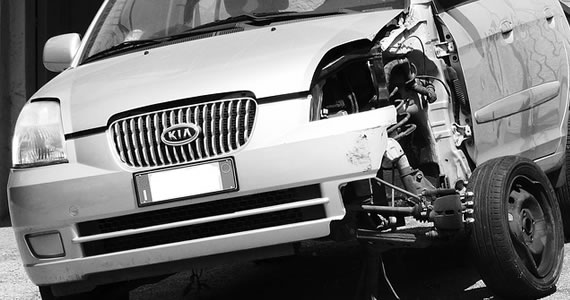
If you have just been in a serious car accident, you may be faced with paying medical and other costs while also being out of work. Therefore, it is imperative that you find ways to save money until you are able to get back to work or find other ways to make up your lost earnings. What are some options to help you achieve that goal?

Ask About Debt Settlement

If you have outstanding credit card or other debts, ask to settle those debts for less than you owe. While it may require a lump sum payment now, you may be better prepared to deal with future costs without high-interest debt hanging over your head.

Make Sure That You Fix Your Car

Neglecting to fix your car could lead to more expenses in the future. For instance, failure to repair a dent to your side panel could cause rust to form and eat away at the frame. Failing to fix the car’s brake lines could lead to fluid leaks or frayed lines susceptible to sparking. Take your car to experts like those at Chehalis Collision Center to make sure it gets fixed the right way the first time so you don’t have repair bills adding up over time.

Ask Family or Friends to Move In

Having another person in your home may be helpful if he or she agrees to help share the cost of rent and utilities. Having a friend or family member in your home may also be helpful as he or she may be a good cook or help out with cleaning and home maintenance projects.

Cut Back on Unnecessary Expenses

If you aren’t working, you need to make sure that your savings lasts as long as possible. This could mean cutting out cable TV and not eating out. All of these changes can save hundreds a month without totally depriving you of what you need to live.

Use the Internet to Save on Groceries and Other Common Expenses

The internet is a great place to find coupons, sites selling used goods and sites where people trade or barter goods instead of selling them. This can help you get groceries, tools to help with arts and crafts projects or finding clothes or toys for your kids if you can’t afford to buy them new ones.

No one plans to be in a serious accident. However, if you have been in a wreck, you will need to cut costs and be strict about your budget. Settling debts, asking others to live with you and looking for as many discounts as you can may help you save money without altering your lifestyle too much.

Five Quick Car Repairs All New Drivers Should Know

If you’re a new driver, there are some basic car repairs you need to know in order to avoid problems while driving on the road. If you run out of gas or have a flat, how will you know or be able to diagnose the problems? Though you don’t have to become a mechanic, having some basic repair skills on hand is always a good idea. Luckily, there are many car repair programs offered at places like the Newgate School or even your own high school that can help you learn these five quick repairs.

Change a Tire

Changing a flat tire is one of the most common problems you might face on the road. Knowing where to find a spare tire and how to change it can help save you money and get you back on the road and on your way in just a few minutes.

Replace a Battery

Replacing a dead battery is something that is easy to do, yet many people know nothing about. You should learn to identify and replace one. If you find your car battery is weak or dead, you can remove it and replace it in just a couple minutes with some basic hand tools. It also helps to know some common problems that can cause a dead battery so you’re prepared.

Replace a Belt

Car belts eventually wear out and can break, causing parts like the fan and alternator to stop working. This can create other issues such as a dead battery or engine overheating. Knowing how to change a belt can save you a lot of problems and costs.

Replace Windshield Wipers

Driving in a rain storm is not the time to find out your windshield wipers are not working properly. Windshield wipers are very easy to replace and can save you a great deal of trouble with visibility. You can save some money by knowing how to replace windshield wipers yourself as well.

Replace a Headlight Bulb

Occasionally, a headlight bulb will go out, making it very difficult to see the roadway or any obstacles lying in the road at night. When you’re out on a dark roadway with a headlight out it can be very dangerous as well. You can replace it in just a few minutes and keep yourself and others safe while driving.

These are just a few basic skills that will help you save money and keep you safe while driving. Most car repairs can be easily learned and will allow you to avoid major problems while driving. Keep things up to date and maintained and you’ll be on your way!

Auto Fix: How to Make Your Next Garage Project More Manageable

Many people find working on their own car to be cost effective and can save them a lot more time than going to a mechanic for every problem. Completing a job yourself is satisfying and can keep your car well-maintained if done correctly. If you are already an auto enthusiast or just getting to know your way around an engine, having a good garage setup can be beneficial to getting your projects done faster and more efficiently. Here are some organization and management steps you can take to make the next fix a breeze.

Making Your Project More Manageable

The first and most important thing you can do to keep your project under control is to plan it out. Get an outline set up and figure out exactly what you want to accomplish and in what order. This may sound simple, but most people new to automotive DIY repair overlook this vital step. Remembering to plan will save you time and money on every job.

Parts and Equipment

Another thing you have to do is ensure you have all of the parts and equipment needed for your fix. This may mean ordering the parts well in advance. For example, if you need to weld something, order your stud welders from a supplier like Northland Fastening Systems weeks before you plan to begin the job. Of course, to know exactly what tools and parts you need, you must first plan everything out. You probably can’t plan for everything that comes up, but if you have most the supplies ready, you won’t have to stall a project for weeks waiting on a part.

Ask for Help

While many people who want to take on an auto repair job want to do it themselves, this is often not the best idea for every situation. It can be dangerous if you’re taking on a job without someone to help you if you get in trouble. Many repairs can be accomplished much more quickly with two or more people working as well. There might even be benefits that you don’t anticipate. Working on a car with fellow gearheads can be a real bonding experience.

Auto repair jobs can be difficult and many start a job only to fail to complete it. However, if you plan well and anticipate problems before they arise, you’ll have a much better chance of completing the job and doing it right. You’ll save time and money and may even make a few friends along the way. When done right, auto repair can be a fun pastime and a great way to avoid the very high costs of professional auto shops.

Caring for a Clunker: Tips for Your Amateur Car Diagnostics

If you have an old car you might be wondering what you can do to keep it running for as long as possible. Although you can’t keep your car forever, you can take steps to extend its life and get more out of your investment. You just have to know how to spot potential problems before they progress. This way you get the best possible results. Although it might be time-consuming, caring for your old car is always worth the effort if you want to prevent it from breaking down. Here are some tips for making better diagnostic estimates one your car.

Check for Leaks

As your car starts to show its age, you might notice small wet spots in your driveway. Those spots are an indication your car is leaking fluid and is an issue you must address right away. Before you do anything else, open the hood and check your car’s oil level because driving while low on oil can damage the engine. If you know what you are doing you can repair the leak yourself. If not, it might be best to get a second opinion from your mechanic.

Break Check

Your brakes play a vital role in your safety and the performance of your car. Any issues with your brake pads can cause more damage if you don’t fix them promptly. The first sign of trouble you are likely to notice is a grinding sound when you apply the brakes, and if you notice a change in the amount of pressure required to push your brake pedal down then your car is likely low on brake fluid. This is one fix you’ll not want to procrastinate on since you use your brakes every day

Check Engine Light

If you want to keep your old car out of the junkyard, you must always be on the lookout for the check engine light. If it comes on, then it’s essential you find out what triggered it so you can make the required repairs. You can buy a scanner at most repair shops that will read the code and tell you what is wrong with your car, but you can also take your car to a repair shop and have it looked at by a trained mechanic. If you have a specific model it might be worth the time to have a places like Performance Honda in Bountiful or your local Volvo dealership take a look at your model since they’ll be able to use the correct tools and parts.

Keeping your old car from breaking down for the final time can be a challenging task. But being proactive when it comes to spotting red flags will work wonders to keep your car on the road for as long as possible. Make sure you’re always vigilant about what’s going on with your car and be sure to upkeep with regular maintenance.