All posts in Auto Maintenance

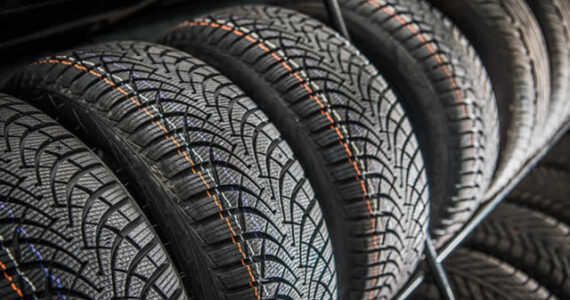
Maximizing Your Tires’ Lifespan: A Safety Guide

tire care

Hitting the road for a much-needed family vacation, commuting to your workplace, or simply running daily errands should feel safe and secure. Yet, many of us overlook the one critical component that actually connects our vehicles to the earth beneath us.

Your tires bear the weight of your car, your passengers, and your precious cargo, making their health an absolute priority for your daily travels.

Understanding how to care for these essential components does not require a mechanic’s degree or hours of exhaustive research. By taking a few moments to learn about tire health, you empower yourself to make informed decisions that protect your family and enhance your driving experience.

Taking a proactive approach to automotive care removes the anxiety from maintenance and replaces it with confidence.

This guide will walk you through the natural life cycle of your vehicle’s footwear, highlighting the clear signals that indicate it is time for a change. You will learn simple, everyday maintenance habits that not only keep you safe but also help you get the most value out of your investment.

Together, we can ensure your journeys remain smooth, efficient, and wonderfully worry-free.

Understanding Tire Lifespan

The average lifespan of a tire can vary significantly based on numerous environmental and behavioral factors. Generally, most automotive experts and manufacturers suggest replacing tires every six to ten years, regardless of how much tread remains on the surface.

However, many tires may need replacement much sooner due to your unique driving habits, local road conditions, and the climate in which you live. Understanding these underlying variables is the first step in proactively managing your vehicle’s health and ensuring a harmonious relationship between your car and the road.

Factors Influencing Tire Longevity

Several critical elements play a substantial role in how long your tires will perform at their best. Your personal driving style, for instance, has a direct impact on tread wear.

Aggressive driving habits, such as rapid acceleration, hard braking, and taking corners too quickly, force the rubber to scrub harshly against the pavement, accelerating its degradation. Conversely, adopting a smooth and gradual driving approach helps preserve the rubber and keeps your passengers comfortable.

Road conditions are another significant contributor to overall wear and tear. Frequent driving on rough, unpaved, or pothole-ridden streets can cause premature aging and even sudden structural damage. The climate you live in also plays a vital part in this equation.

Extreme temperatures, whether blistering hot or freezing cold, cause the rubber compounds to expand and contract, leading to faster degradation over time.

Manufacturer Guidelines And Warranties

Most reputable tire manufacturers provide specific guidelines regarding the expected lifespan of their products, often accompanied by helpful mileage warranties.

These warranties typically cover unforeseen defects in materials and workmanship, offering prorated replacements based on the remaining tread depth if an issue arises prematurely.

It is highly recommended to consult your specific manufacturer’s recommendations and warranty documentation. Keeping this information handy provides a tailored understanding of your tires’ expected longevity and gives you peace of mind regarding your coverage.

Recognizing Signs Of Worn Tires

Identifying worn rubber early is paramount for maintaining both peak vehicle performance and the safety of everyone inside the cabin.

Ignoring the subtle cries for help from your wheels can lead to reduced traction on wet roads, dangerously increased stopping distances, and a much higher risk of unexpected blowouts. Incorporating regular visual inspections into your routine is a simple, gentle way to catch minor issues before they escalate into critical, stressful emergencies.

The Penny Test And Tread Depth Indicators

One of the most accessible and endearing methods to check your tread wear is the classic penny test. Simply insert a standard penny into a central tire groove with Lincoln’s head upside down and facing toward you.

If you can clearly see the top of Lincoln’s head, your tread has become dangerously shallow, indicating it is time to shop for a new set.

Modern manufacturers also equip their products with built-in tread wear indicators, which are small, raised bars molded directly into the deep grooves.

When the surrounding rubber wears down enough to become perfectly flush with these indicator bars, the tire has officially reached its legal and safe operational limit, requiring immediate replacement to keep you safe in inclement weather.

Visual Cues Beyond Tread

Beyond checking the tread depth, observing several visual cues along the sides of the wheel can alert you to hidden damage. Cracks or deep fissures in the sidewall, often caused by prolonged exposure to harsh UV rays or chronic underinflation, severely compromise the structural integrity of the rubber.

Bulges or unnatural blisters on the surface suggest hidden internal damage, possibly from a recent impact with a curb or pothole, and pose a severe risk of a sudden blowout.

You should also watch for uneven wear patterns, such as severe degradation on only one shoulder or strange cupping patterns across the surface. These irregularities often point to underlying alignment issues, improper inflation habits, or suspension problems that need the gentle care of a trusted mechanic.

Furthermore, if you notice unusual vibrations traveling through the steering wheel or your seat while driving at highway speeds, it is often a symptom of unbalanced or internally damaged tires asking for attention.

Maintaining Your Tires For Top Performance

Practicing proper tire maintenance is not just about stretching your dollar and extending their physical life; it is about ensuring optimal vehicle handling, maximizing fuel efficiency, and safeguarding your family.

A proactive, nurturing approach to automotive care prevents many common roadside frustrations and allows your vehicle to operate exactly as the engineers intended.

The Importance Of Proper Inflation

Maintaining correct tire pressure is perhaps the most critical and easiest aspect of routine automotive care. When your tires are underinflated, more of their surface area touches the road, creating excess friction that leads to overheating, sluggish handling, and premature shoulder wear.

Conversely, overinflated tires become rigid and unyielding, resulting in a harsh ride, increased vulnerability to pothole damage, and rapid wear along the exact center of the tread.

To find the perfect balance, always refer to the specific inflation guidelines printed on the placard located inside your driver-side door jamb, rather than the maximum pressure listed on the tire itself.

Checking the pressure early in the morning, before the vehicle has been driven and the ambient air has warmed the rubber, ensures the most accurate reading. Making this a monthly habit, alongside regular tire rotation and proper wheel alignment, guarantees that your vehicle remains a safe, reliable sanctuary for all your travels.

Keeping Your Vehicle Safe On The Road

Taking a few moments each month to inspect and maintain your vehicle’s footwear is a wonderful act of care for yourself and your loved ones. By understanding the natural lifespan of the rubber, recognizing the early visual signs of distress, and committing to proper inflation and alignment, you create a safer environment for everyone on the road.

We invite you to grab a tire gauge and a penny today, step out to your driveway, and give your vehicle the quick checkup it deserves. Your peace of mind is well worth the effort.

image credit: envato.com

Why Fine Sand Is One of the Biggest Hidden Threats to Your Car

threats to your car

Fine sand seems harmless when you walk on a beautiful beach. However, this tiny substance acts like invisible sandpaper. It infiltrates deep into complex mechanical systems and stops you from keeping your car in great condition.

You might not notice the damage immediately. Over time, these tiny grains cause massive destruction. Many drivers underestimate how quickly this material degrades vehicle performance. Fine sand stands as one of the most severe threats to your car today.

We will explore how it infiltrates your vehicle. You must understand these dangers to protect your investment properly.

Storing Your Vehicle: Shielding Against the Elements

You must prioritize proper storage to prevent deep sand infiltration. Leaving a vehicle exposed outside invites disaster. High winds carry microscopic particles into every exposed gap. You need a high-quality, breathable cover. A good cover creates a crucial first line of defense. Climate-controlled garages offer the ultimate protection. If you lack a garage, you must seal vulnerable vents.

When preparing for sandstorm season, always remember that reliable protection tips for storing items apply equally to your vehicle. You should check the weather forecast regularly. High winds mean you must take immediate action. Tape over the air intakes if you expect a severe storm.

Remove the tape before you start the engine again. Sand finds its way into door jambs and trunk seals easily. You must wipe these areas clean constantly. A stationary vehicle gathers dust much faster than a moving one.

This accumulation ruins window regulators and sunroof tracks over time. Many owners forget about the exhaust pipe. You should cover the exhaust tip during severe dust events. This prevents grit from entering the exhaust system.

Taking these proactive steps saves you money. Neglecting storage leads to expensive repairs down the road. You must defend your vehicle vigorously.

Suffocating the Engine: Filters and Intake Systems

Engines need clean air to function properly. Fine particles easily bypass standard filtration defenses. The air intake sucks in massive amounts of oxygen. It also pulls in airborne debris simultaneously. Sand quickly clogs engine air filters.

A clogged filter chokes the engine and makes auto maintenance costlier. This restriction significantly reduces your fuel efficiency. It also hurts overall engine performance. You will notice sluggish acceleration right away.

Furthermore, these abrasive grains sometimes pass through damaged filters. They enter the combustion chamber directly. This scenario creates catastrophic internal damage. The particles score the cylinder walls. They wear down the piston rings prematurely. You face complete engine failure if you ignore this issue.

Cabin air filters suffer the exact same fate. They block pollutants from entering the interior. Sand destroys these filters rapidly. You end up breathing in dusty air. This poses a health risk to you and your passengers.

A compromised interior environment damages the HVAC system, too. You must replace all filters twice as often in dusty regions. Ignoring filter maintenance creates serious threats to your car and your wallet. Regular inspections keep your engine breathing freely.

The Abrasive Reality: Paint, Glass, and Sandblasting

Driving through a dusty environment ruins your exterior. Highway speeds turn floating particles into aggressive projectiles. This high-speed impact creates a severe sandblasting effect. The microscopic grains chip away at your clear coat.

You lose that beautiful showroom shine quickly. The paint becomes dull and rough to the touch. Your windshield sustains heavy damage as well. The constant barrage pits the glass. These tiny craters catch the sunlight.

They create dangerous glare during morning and evening drives. Your wiper blades degrade rapidly when they scrape across grit. Operating the wipers on a dusty windshield guarantees deep scratches.

Washing the vehicle improperly makes everything worse. A traditional sponge wash grinds the dirt directly into the paint. You inadvertently create permanent swirl marks.

This aesthetic ruin represents one of the sneaky threats to your car that lowers its resale value. You must adopt specific washing techniques to prevent this. Never wipe a dry, dusty surface with a towel. You will destroy the finish instantly. Always use plenty of lubrication when cleaning the exterior.

Hidden Accumulation: The Undercarriage and Brakes

Out-of-sight damage leads to shockingly expensive repairs. Sand collects heavily underneath the chassis. It packs tightly into structural crevices and suspension components. This packed dirt traps moisture against bare metal.

Trapped moisture accelerates rust formation exponentially. You rarely see this corrosion until parts start failing. Your braking system constantly fights this contamination. Grit wedges itself between the brake pads and rotors.

This friction gouges deep grooves into the metal surfaces. You will hear terrible squealing noises when stopping. Stopping distances increase significantly as the components wear down. Modern vehicles rely on sensitive electronic systems. Wheel speed sensors dictate anti-lock braking functions. Dust blocks these sensors easily.

A blocked sensor disables vital safety features instantly. Such hidden vulnerabilities constitute major threats to your car and compromise your safety. You must wash the undercarriage regularly. Use a high-pressure hose to blast away the packed mud. Pay close attention to the wheel wells.

The Post-Exposure Protocol: Safe Cleaning

You must follow strict cleaning procedures after a dust storm. Never use dry brushes on the exterior. You should utilize touchless wash systems instead. Foam cannons break down the grit safely. High-pressure water rinses the abrasive particles away without scratching. Interior cleaning requires equal precision.

Vacuum the upholstery meticulously. Sand breaks down seat fabrics and carpet fibers quickly. Use an air compressor to blow dust out of tight dashboard crevices. Wipe all hard surfaces with a damp microfiber cloth.

Apply a protective dressing to plastic trim pieces. This prevents cracking from dry, dusty conditions. Consistent detailing preserves your vehicle.

Wrapping Up

Fine sand damages modern vehicles relentlessly daily. It destroys engines, ruins paint jobs, and corrodes undercarriages rapidly. You must remain absolutely vigilant to maintain your investment. Proper storage provides the best defense against this abrasive enemy.

Regular inspections catch minor issues before they escalate into disasters. Consistent, careful cleaning removes the harmful grit safely. You hold the power to prevent this microscopic menace from destroying your valuable vehicle.

By taking proactive measures, you effectively neutralize the various unseen threats to your car and ensure it always runs smoothly for years.

image credit: auto and sand envato.com

How to Cut Fuel Costs on Your Daily Commute

fuel saving tips

Fuel prices can quietly drain your finances—sometimes without you noticing until the numbers show up in your monthly budget review. Whether you’re driving to work, school, or running essential errands, the cost of getting from A to B adds up fast. For households already stretching every dollar, fuel spending is one of those expenses that feels unavoidable. But with the right knowledge and habits, it’s more manageable than you might think.

This guide covers practical, proven strategies to help you spend less at the pump. From vehicle maintenance and smarter driving habits to carpooling tools and long-term planning, these tips are grounded in real-world advice—not quick fixes. By the time you finish reading, you’ll have a clear picture of what’s actually costing you money and exactly what to do about it.

The Impact Of Rising Fuel Costs On Daily Budgets

Fuel is one of the most volatile line items in a household budget. The U.S. Energy Information Administration (EIA) tracks retail gasoline prices weekly, and the data consistently shows significant price fluctuations driven by crude oil markets, seasonal demand, and regional supply factors. For the average American driver who travels roughly 14,000 miles per year, even a 50-cent increase per gallon can translate to hundreds of dollars in additional annual costs.

The financial pressure is particularly acute for commuters who have limited flexibility—those who can’t work remotely, live far from public transit, or depend on a personal vehicle for caregiving responsibilities. In these situations, fuel isn’t a discretionary spend. It’s a necessity. And that makes finding savings all the more important.

Understanding where your money goes is the first step. Fuel efficiency is affected by far more than gas prices alone. Your vehicle’s condition, the way you drive, the routes you take, and how strategically you plan your trips all play a significant role in how much fuel you actually consume.

Practical Vehicle Maintenance Tips For Maximum Efficiency

A poorly maintained vehicle can cost you significantly more at the pump than one that’s kept in good condition. The U.S. Department of Energy notes that fixing a car that is noticeably out of tune or has failed an emissions test can improve fuel economy by an average of 4%. Addressing more serious issues, such as a faulty oxygen sensor, can improve mileage by as much as 40%.

Tire pressure is one of the simplest and most overlooked factors. The National Highway Traffic Safety Administration (NHTSA) recommends checking tire pressure at least monthly. Underinflated tires increase rolling resistance, which forces your engine to work harder. Keeping tires inflated to the manufacturer’s recommended PSI—found on a sticker inside the driver’s door—can improve gas mileage by up to 3%.

Using the correct grade of motor oil also makes a measurable difference. According to the U.S. Department of Energy, using the manufacturer-recommended grade can improve fuel economy by 1–2%. It’s a small gain, but it compounds over thousands of miles.

Regular air filter replacements, clean fuel injectors, and timely spark plug changes are additional maintenance tasks that keep your engine running at peak efficiency. Most of these are inexpensive and straightforward—either as DIY tasks or during routine service appointments.

Strategic Driving Habits To Lower Fuel Consumption

How you drive has a direct and immediate effect on how much fuel your vehicle consumes. Aggressive driving—rapid acceleration, hard braking, and speeding—can lower fuel economy by 15–30% on highways and 10–40% in city driving, according to the U.S. Department of Energy.

Maintaining a steady speed is one of the most effective habits you can develop. Using cruise control on highways helps maintain consistent speeds and reduces unnecessary fuel consumption. For city driving, anticipating traffic flow—rather than accelerating toward a red light—keeps your momentum and reduces the stop-start cycle that burns extra fuel.

Reducing highway speed also matters. Fuel economy drops significantly above 50 mph. The Department of Energy estimates that each 5 mph you drive over 50 mph is equivalent to paying an additional $0.15–$0.35 per gallon of gas, depending on your vehicle.

Reducing idle time is another meaningful change. Idling gets zero miles per gallon. If you’re waiting for more than 60 seconds—whether in a drive-through, school pickup line, or parked outside a building—turning off the engine is the more fuel-efficient choice.

Optimizing Your Commute Through Carpooling And Technology

Technology has made it easier than ever to find smarter, more cost-effective ways to travel. GasBuddy and Waze both offer real-time gas price tracking, so you can identify the cheapest nearby stations before you leave home. Over a year, consistently choosing lower-priced stations can add up to meaningful savings.

Route optimization tools like Google Maps and Waze also use live traffic data to guide you away from congested roads. Fewer stops, less idling, and more consistent speeds translate directly into better fuel economy.

Carpooling remains one of the most underutilized fuel-saving strategies available. Sharing a ride with even one other person immediately cuts your fuel costs in half for that leg of the commute. Apps like Waze Carpool and RideAmigos are specifically designed to connect commuters traveling similar routes. Employers in many cities have also begun supporting formal carpool programs as part of commuter benefit packages—worth checking if this option is available to you.

For those with some commuting flexibility, shifting travel times to avoid peak congestion can also reduce fuel consumption. Stop-and-go traffic burns significantly more fuel than steady highway driving. Even a 15-minute adjustment to your departure time can make a noticeable difference.

Long Term Benefits Of Fuel Efficient Planning And Maintenance

The strategies outlined here aren’t just about saving a few dollars this week. Sustained attention to fuel efficiency has compounding financial benefits that extend across months and years.

Regular vehicle maintenance reduces the likelihood of costly repairs down the road. An engine running efficiently experiences less wear and tear, extending the overall lifespan of your vehicle. The American Automobile Association (AAA) estimates that the average cost of owning and operating a vehicle in the U.S. is over $10,000 annually—and proper maintenance is one of the most effective ways to keep that number in check.

Planning ahead also reduces impulse fuel purchases at premium-priced stations. Setting a monthly fuel budget, tracking your consumption, and combining errands into single trips all reduce unnecessary mileage. Apps like Mint or YNAB can help you monitor fuel spending alongside other household expenses, making it easier to spot patterns and adjust behavior accordingly.

For those considering a vehicle upgrade in the future, fuel economy ratings should factor prominently into the decision. The U.S. government’s fueleconomy.gov provides side-by-side comparisons of fuel efficiency across makes and models, along with estimated annual fuel cost calculators. Choosing a vehicle with even a modest improvement in MPG can translate to thousands of dollars in savings over its lifetime.

Make Every Mile Count

Fuel costs may feel like something that happens to your budget—driven by forces outside your control. But in practice, a meaningful portion of what you spend at the pump is shaped by choices you make every day. Maintenance schedules, driving habits, route planning, and carpooling decisions all influence how far each gallon takes you.

Start with one or two changes—checking your tire pressure, downloading a gas price app, or adjusting your driving speed on the highway. Small, consistent improvements deliver real results over time. Your commute isn’t going away, but how much it costs you absolutely can change.

Resources & Citations

image credit: envato.com

Protecting Your Car From Sun Damage After a Beach Relocation

coastal car maintenance

Moving to the coast feels like a dream come true. The ocean breeze, bright mornings, and endless sunshine create a lifestyle many people crave. But while you may be thrilled about your new beachside address, your car might not share that excitement. Coastal living introduces intense UV exposure, salt-laden air, humidity, and heat that can quietly wear down your vehicle’s appearance and performance over time.

Protecting your car from sun damage after a beach relocation is not just about keeping it looking good. It’s about preserving its value, extending its lifespan, and avoiding preventable repairs. With the right knowledge and consistent care, you can enjoy the coastal lifestyle without sacrificing your vehicle’s condition. Let’s explore how to safeguard your car against the unique challenges of seaside living.

Protecting Your Car From Sun Damage: How Coastal Sun Exposure Impacts Your Car

After settling into your new coastal routine, it becomes clear that beach sunshine feels stronger and more persistent than it did inland. The constant glare off the water and sand intensifies UV exposure, surrounding your vehicle with reflected light from multiple angles. That amplified sunlight steadily wears down paint, clear coat, trim, and even interior materials. Understanding these environmental pressures is the first essential step in protecting your car from sun damage and preventing premature fading, cracking, and oxidation.

Why UV Rays Are Your Vehicle’s Silent Enemy

Ultraviolet radiation breaks down chemical bonds in automotive paint and interior materials. This process, known as photo-oxidation, leads to fading, chalky residue, and weakened surfaces. Dark-colored vehicles often show fading more visibly, while lighter colors may appear uneven or dull.

Inside the cabin, UV exposure can crack dashboards, warp trim, and fade upholstery. Leather becomes brittle, while fabric seats lose vibrancy. Even advanced automotive finishes are not immune. Continuous protection is the only reliable defense against this invisible yet persistent threat.

The Added Challenge of Salt and Humidity

Living near the ocean introduces another layer of complexity. Salt carried by sea air settles on your vehicle daily. Combined with high humidity, it creates a corrosive environment that can damage paint, undercarriage components, and exposed metal.

Salt accelerates rust formation, especially in small chips or scratches. If left untreated, minor imperfections can expand into costly body repairs. Washing your car regularly is not simply cosmetic maintenance in coastal regions; it becomes a critical protective measure.

Choosing the Right Parking Strategy

Where you park matters more than many people realize. Direct sunlight for hours each day compounds UV exposure and interior heat buildup. Whenever possible, choose covered parking, a garage, or even shaded areas beneath sturdy structures.

If covered parking is unavailable, consider the orientation of your parking space. Angling your car to minimize windshield exposure during peak afternoon sun can slightly reduce interior heat stress. Small adjustments add up over time.

A high-quality car cover designed for UV protection can also provide a strong defense. Breathable, weather-resistant materials prevent moisture buildup while blocking harmful rays. For beach residents, this investment often pays for itself in preserved paint quality.

Protecting Your Paint With Regular Care

Your vehicle’s paint is its first line of defense against environmental damage. Applying wax or paint sealant creates a barrier between UV rays and the clear coat. Modern synthetic sealants can offer longer-lasting protection compared to traditional wax.

Frequent washing is equally important. Coastal sand and salt particles can act like fine abrasives. If allowed to accumulate, they scratch the surface and weaken protective coatings. Gentle hand washing with pH-balanced automotive soap helps maintain the integrity of the finish.

For long-term protection, ceramic coatings have become increasingly popular. These coatings form a durable layer that resists UV damage, chemical contaminants, and salt exposure. While professional applications require an upfront investment, the extended protection often proves worthwhile in beach climates.

Shielding Your Interior From Heat and Fading

Stepping into a car that has been baking in the sun can feel overwhelming. Interior temperatures can soar quickly, leading to long-term material stress. A reflective windshield sunshade significantly reduces dashboard exposure and interior heat.

Tinted windows offer another layer of protection. High-quality automotive window film blocks a substantial percentage of UV radiation while keeping the cabin cooler. In many coastal states and regions, tinting regulations vary, so it’s important to ensure compliance with local laws.

Leather conditioners and interior protectants also play a key role. Conditioning leather prevents cracking, while UV-protective sprays safeguard plastic and vinyl surfaces. Establishing a routine for interior care preserves both comfort and resale value.

Maintaining Headlights and Exterior Trim

Sun exposure often manifests first in headlight lenses and plastic trim. Cloudy headlights reduce visibility and detract from your vehicle’s appearance. Applying UV-resistant headlight sealant after polishing can prevent oxidation from returning quickly.

Exterior trim pieces benefit from protective dressings specifically formulated to resist UV breakdown. These treatments restore color while creating a protective barrier against further fading. In coastal environments, periodic reapplication is essential.

Preparing Your Car Before Moving to the Coast

The best time to protect your vehicle is before the first wave of salt air reaches it. If you are relocating from an inland area to a beach community, consider scheduling a thorough detailing service beforehand. A professional paint correction followed by sealant or ceramic coating creates a strong baseline defense.

When relocating your vehicle over long distances, especially through auto transport services, preparation becomes equally important. Clean the car thoroughly to remove contaminants that could bond to the surface during transit. Inspect for existing chips or scratches and address them promptly to prevent corrosion once you arrive at the coast.

Shipping preparation also includes removing personal items, documenting the vehicle’s condition, and ensuring protective coverings are in place if using an open carrier. Taking these proactive steps sets your car up for success in its new coastal environment.

Establishing a Consistent Cleaning Routine

Beach living requires a more disciplined cleaning schedule than many inland areas. Rinsing your vehicle at least once a week helps remove salt deposits before they cause damage. After storms or particularly windy days, an additional rinse may be necessary.

Pay special attention to the undercarriage. Salt buildup underneath the vehicle can quietly corrode components. Many car washes offer undercarriage spray options, which are particularly valuable in coastal regions.

Consistency is key. Skipping maintenance for several weeks can undo previous protective efforts. Think of regular cleaning as preventative care rather than a chore.

Monitoring Your Tires and Rubber Components

Heat and UV exposure do not spare your tires. Prolonged sunlight can dry out rubber, leading to cracking and reduced lifespan. Applying a UV-protective tire dressing helps maintain flexibility and appearance.

Weatherstripping around doors and windows also benefits from conditioning. These rubber seals prevent moisture intrusion, and maintaining their elasticity ensures a tight seal against salty air and humidity.

Considering Professional Protective Solutions

In high-exposure coastal environments, professional solutions can offer peace of mind. Paint protection film shields high-impact areas such as hoods and bumpers from both UV rays and sand abrasion. This transparent layer absorbs damage while preserving the underlying paint.

Detailing professionals familiar with coastal conditions often tailor protection packages to address specific environmental factors. Investing in these services can reduce long-term repair costs and keep your vehicle looking newer for longer.

Preserving Resale Value in a Coastal Climate

Sun damage not only affects aesthetics but also resale value. Faded paint, cracked dashboards, and oxidized headlights can significantly reduce buyer interest. By maintaining consistent protection, you protect more than just your car’s appearance; you safeguard your financial investment.

Keeping detailed maintenance records further enhances resale potential. Prospective buyers appreciate documentation that demonstrates proactive care, especially in environments known for accelerated wear.

Creating Habits That Match Your New Lifestyle

Adapting to beach life means adjusting routines. Just as you might apply sunscreen before heading outdoors, your car requires regular protection from the same sun. Simple habits such as parking in the shade, using a sunshade daily, and scheduling routine washes become second nature over time.

The goal is not perfection but consistency. Small protective actions performed regularly make a significant difference over the years of coastal exposure.

Practical Steps Toward Protection

Beach living offers warmth, beauty, and a relaxed pace of life, but it also demands a more intentional approach to vehicle care. The same sunlight that makes coastal days so appealing can quietly shorten your car’s lifespan if left unchecked.

Protecting your car from sun damage requires consistent habits, thoughtful preparation, and proactive maintenance tailored to seaside conditions. When you combine awareness with regular care, your vehicle can maintain its shine, comfort, and value—allowing you to enjoy your new coastal lifestyle without compromise.

image credit: envato.com

Navigating Winter Roads: Protecting Your Car from Sand, Salt, and Ice

winter roads

Winter brings a unique kind of beauty to our landscapes, blanketing the world in quiet white snow and glistening ice. However, for those of us who need to commute or run errands, this season also brings significant challenges.

We rely heavily on the dedicated crews who plow our streets and apply treatments to keep us safe. While we feel a sense of relief seeing a road cleared of snow, the very substances used to ensure our safety can inadvertently harm the vehicles we depend on.

Municipalities primarily use sand and salt to combat slippery conditions. Salt lowers the freezing point of water, melting ice into a brine that prevents new ice from forming. Sand, on the other hand, does not melt ice but provides much-needed traction for tires on slick surfaces.

This combination is vital for preventing accidents and keeping traffic moving. Yet, this safety comes with a trade-off. The abrasive nature of sand and the corrosive properties of salt can accelerate wear and tear on your vehicle. Understanding this balance helps you take the necessary steps to care for your car, ensuring it remains reliable and rust-free for years to come.

The Impact of Road Salt on Your Car

Salt is incredibly effective at keeping roads clear, but it is chemically aggressive toward steel and iron. When road salt mixes with water from melting snow or slush, it creates a saline solution that acts as a catalyst for oxidation, commonly known as rust.

This chemical reaction speeds up the corrosion process significantly compared to water alone. It is not just the visible body panels that are at risk; the most severe damage often occurs where you cannot easily see it.

The undercarriage of your vehicle is particularly vulnerable because it is constantly bombarded by the salty spray kicked up by your tires. This area houses critical components such as the frame, exhaust system, muffler, and hydraulic brake lines.

When salt accumulates in the nooks and crannies of the chassis, it eats away at the metal. Over time, this can lead to structural weaknesses or mechanical failures, such as a leaking brake line or a detached muffler.

Modern vehicles often have protective coatings, but these can wear down or chip over time, leaving the bare metal exposed. Once the salt brine reaches the metal, the corrosion spreads beneath the paint, often bubbling up in what is known as "rust creep." By the time you see the bubbling paint on the wheel well or the bottom of the door, significant damage may have already occurred underneath.

The Impact of Sand on Your Car

While salt attacks your car chemically, sand attacks it physically. The particles used on roads are often much coarser than the sand you might find at a beach. As you drive, your tires—and the tires of the vehicles around you—fling these small stones and grit into the air at high speeds.

The immediate result is often visible on the front bumper and hood in the form of small paint chips. Each chip compromises the vehicle’s clear coat and paint, creating a small entry point for moisture and salt to enter and begin the rusting process.

Your windshield and headlights are also susceptible to pitting from flying sand. Over the course of a long winter, you might notice that your windshield looks sparkling or hazy when the sun hits it directly. This is caused by thousands of microscopic impact craters from sand.

This pitting can refract light, causing glare that makes night driving or driving into the sun more difficult and dangerous. Headlight lenses can similarly become cloudy, reducing the effectiveness of your lights during dark winter evenings.

Sand also affects the mechanical movement of the vehicle. The grit can work its way into moving parts, such as brake calipers and suspension components.

If sand gets trapped between the brake pad and the rotor, it can cause premature wear or scoring on the rotor surface. It creates a grinding noise and can reduce braking efficiency, which is the last thing you want when navigating icy roads.

Immediate Steps After Driving on Treated Roads

Taking immediate action is the most effective way to mitigate the damage caused by winter road treatments. Regular washing is essential, even if the car is just going to get dirty again the next day.

The goal is not to keep the car looking showroom ready, but to remove the corrosive accumulation of salt and the abrasive layer of sand. Leaving this sludge on your car for weeks at a time allows the salt to do its worst work.

When washing your car in winter, focus heavily on the areas you cannot see. The undercarriage needs the most attention. Many automatic car washes offer an undercarriage spray cycle, which is highly recommended during the winter months.

If you are washing at home with a hose, spend extra time spraying up into the wheel wells and along the bottom rails of the vehicle. This flushes out the pockets of wet, salty sand that tend to gather in crevices.

Timing your washes is also important. Try to wash your vehicle on days when the temperature is slightly above freezing to prevent doors and locks from freezing shut. If you must wash it in freezing temperatures, be sure to dry the door jambs and seals thoroughly immediately afterward. It is a simple act of care that prevents the frustration of being frozen out of your car the next morning.

Long-Term Protective Measures

Beyond regular washing, applying protective barriers provides a shield against the elements. A high-quality polymer wax or ceramic coating applied before the first snow falls acts as a sacrificial layer.

It fills in the microscopic pores of the clear coat and prevents salt and sand from making direct contact with the paint. This makes it harder for dirt to stick and easier to wash off, giving your car a fighting chance against the grit.

For those living in areas with severe winters, professional rustproofing is a wise investment. There are various options, including oil-based sprays and rubberized coatings. Oil-based sprays are excellent because they creep into seams and crevices where moisture hides, displacing water and inhibiting rust.

These treatments usually need to be reapplied annually. Rubberized undercoatings provide a hard shell against sand abrasion but must be inspected regularly; if the coating cracks, moisture can get trapped behind it and cause rust to form unseen.

Regular inspections are a vital part of winter maintenance. Take a moment every few weeks to walk around your car. Look for new stone chips and touch them up with paint promptly to seal the metal.

Check your rubber floor mats to ensure salty water is not leaking onto the carpet, where it can rot the floorboards from the inside out. Paying attention to these small details allows you to address issues before they become expensive repairs.

Additional Winter Driving Tips

How you drive also impacts how much abuse your car takes. Increasing your following distance is a simple but effective habit. By staying further back from the car or plow truck in front of you, you reduce the amount of salty spray and sand hitting your vehicle. It also gives you more time to react to sudden stops on slippery roads.

Winter tires are another crucial consideration. While they are primarily designed for safety and traction, they also help protect the car. All-season tires can harden in cold temperatures, leading to loss of grip.

When tires slip, they spin, digging down into the sand and flinging it forcefully against the wheel wells. Winter tires remain pliable and maintain better traction, resulting in less wheel spin and less debris thrown against the car body.

Finally, keep an emergency kit in your vehicle. This should include items like a shovel, sand or kitty litter for traction, jumper cables, and a blanket. Being prepared reduces the likelihood that you will have to overexert your vehicle to get out of a snowbank, which protects the transmission and engine from unnecessary strain.

Staying Ahead of Winter’s Challenges

Winter driving does not have to result in a ruined vehicle. By understanding why sand and salt are used and how they affect your car, you can take proactive steps to minimize the damage. It is about consistent, gentle care—washing away the corrosive elements, sealing the paint, and driving with awareness.

Preventative maintenance is always more manageable and affordable than repairing rust damage or replacing corroded brake lines.

Treating your car with a little extra attention during the harsh months ensures it remains safe and reliable for you and your family. It allows you to navigate the season with confidence, knowing you have done your best to protect your investment.

By adopting these habits, you ensure the safety and longevity of your vehicle. You can enjoy the beauty of a winter drive, grateful for the cleared roads, while knowing that once you return home, a quick wash will wash away the worry along with the salt.

image credit: envato.com