All posts in Auto Care

Caring for a Clunker: Tips for Your Amateur Car Diagnostics

If you have an old car you might be wondering what you can do to keep it running for as long as possible. Although you can’t keep your car forever, you can take steps to extend its life and get more out of your investment. You just have to know how to spot potential problems before they progress. This way you get the best possible results. Although it might be time-consuming, caring for your old car is always worth the effort if you want to prevent it from breaking down. Here are some tips for making better diagnostic estimates one your car.

Check for Leaks

As your car starts to show its age, you might notice small wet spots in your driveway. Those spots are an indication your car is leaking fluid and is an issue you must address right away. Before you do anything else, open the hood and check your car’s oil level because driving while low on oil can damage the engine. If you know what you are doing you can repair the leak yourself. If not, it might be best to get a second opinion from your mechanic.

Break Check

Your brakes play a vital role in your safety and the performance of your car. Any issues with your brake pads can cause more damage if you don’t fix them promptly. The first sign of trouble you are likely to notice is a grinding sound when you apply the brakes, and if you notice a change in the amount of pressure required to push your brake pedal down then your car is likely low on brake fluid. This is one fix you’ll not want to procrastinate on since you use your brakes every day

Check Engine Light

If you want to keep your old car out of the junkyard, you must always be on the lookout for the check engine light. If it comes on, then it’s essential you find out what triggered it so you can make the required repairs. You can buy a scanner at most repair shops that will read the code and tell you what is wrong with your car, but you can also take your car to a repair shop and have it looked at by a trained mechanic. If you have a specific model it might be worth the time to have a places like Performance Honda in Bountiful or your local Volvo dealership take a look at your model since they’ll be able to use the correct tools and parts.

Keeping your old car from breaking down for the final time can be a challenging task. But being proactive when it comes to spotting red flags will work wonders to keep your car on the road for as long as possible. Make sure you’re always vigilant about what’s going on with your car and be sure to upkeep with regular maintenance.

Prepared for a Break Down? 4 Crucial Items to Keep in Your Vehicle

When it comes to your personal safety and well-being, it always pays to be prepared. This includes preparing yourself for any emergencies that you might experience when you get in your car and head down the road. Here is a look at four emergency items that everyone should keep in their vehicle at all times.

First Aid Kit

Every single vehicle should have a stocked first aid kit in the trunk or cab at all times. Smaller kits that are created specifically for vehicles are quite affordable and can be purchased at practically any store. These kits will typically include a handful of bandages in various sizes, pain relievers, a tourniquet, latex gloves, antiseptic wipes, and tweezers. Larger kits might have an assortment of additional gear such as hand-crank radios and sterilized water.

Blankets

Anyone who lives in a climate with freezing temperatures or will be driving through a colder area should keep extra clothing and blankets in their vehicle. A human’s internal temperature only needs to drop by two degrees in order for hypothermia to take place, and this can result in permanent damage to their organs and other soft tissue. At the very least, drivers should have a water-resistant jacket and thick blanket in their trunk. Those who would like to be even more prepared should consider a sub-zero sleeping bag.

An Old Cell Phone

It might seem counterintuitive to keep a second charged cell phone in your vehicle, but these devices are important for a few different reasons. The first reason is that cell phones can make emergency calls even if they do not have an active calling plan. A driver can also switch out their SIM card if their first phone dies. Plugging your SIM card into the second phone will allow you to make calls to anyone that you need including a heavy towing service in Texas or other emergency services.

Water

Going just a few hours without water or any other liquids can impair one’s judgment as their body begins to shut down to protect itself. Having a couple jugs of clean water in your car will allow you to protect yourself from the harsh side effects of dehydration. Typically, drivers will want these water jugs to contain distilled water so that they can use it in their radiator if their car begins to overheat. Most cars require a mixture of 50 percent radiator fluid and 50 percent distilled water.

Having just these four items in your vehicle will keep you safe and comfortable if your car breaks down and you find yourself stranded on the side of the road.

Garage-Less Care: What the Cold Weather Can Do to Your Car

As winter is approaching, most of us are busy with holiday preparations and house winterization, and though your car is loved and used every day, you probably don’t think about things you could do to winterize it like you would for a house. If you don’t have a garage to store your car in, then it’s going to need some extra attention. It’s important to take the necessary steps to care for your car before and during the winter.

Batteries Die

In order to avoid being late for work because your car won’t start, check your battery before winter hits. The terminals should be clean and tight. Batteries also need to be replaced every three to five years. If you’ve reached that time frame, find a new battery made to survive in cold temperatures.

Tires Lose Pressure

As the air starts to cool between seasons, the lowering temperatures causes tires to lose pressure. The wrong tire pressure will lower the road performance of your car and not only can that cause damage to your tires, but could cause failure during snowy and icy conditions. The best way to prevent this is by checking your tire pressure weekly. It may be a hassle, but tire gauges are cheap, and many gas stations offer free air.

Fluids Thicken

The cold temperatures not only turn rain drops into snowflakes, but it also thicken up the fluids that help your car run smoothly. Some of these fluids need to be able to move quickly around the engine for the car to properly start and run. Before winter even arrives, check all the fluids in your car to make sure they’re in good condition. You can also buy products that are made specifically for cold temperatures. Throughout the winter months, be aware of the condition your fluids are in and always top off before a long drive.

Without a garage to hide your car in, the winter cold can bring a lot of damage. Between a loss in tire pressure, a dead battery, and some thick fluids, you could end up having to pay a lot to fix some pretty preventative problems. And paying for anything right after the holidays is never fun. See if your local auto parts store or Newgate School can recommend any tips for preparing a vehicle for winter. If you take the time to look after your car before winter arrives, then maybe you can save yourself some heartache.

Snow Approaches: 4 Winter Weather Checks for Your Car

Before winter weather and heavy snows hit, it is vital for automobile owners to check some things on their vehicles. By being prepared, drivers can prevent a breakdown in frigid temperatures. Many automobile products can be purchased ahead of time to fit into any budget.

Coolant and Windshield Washer Fluid Levels

Checking the fluid levels of the coolant and in the washer bottle is an important part of maintaining a vehicle for winter. Antifreeze may not sound important, but it is the fluid that keeps a vehicle cool. An automobile can overheat in the winter without proper coolant levels, which can lead to catastrophic engine failure.

Tires

Every driver should regularly check their tire pressure and the tread level on their tires. A low tire can not only cause more fuel to be consumed, but it can also cause a vehicle to slide on ice more easily. It is easier to get an under-inflated tire stuck in deep snow.

Restock Emergency Kit

The U.S. Government suggests that one of the most important things that drivers can do is to prepare their emergency road kit with items needed for snow and ice. Adding a bag of sand and salt to the car can help when getting stuck in the ice or heavy snow. A shovel, warm clothing, extra blankets, and food rations are other items that should always be in an emergency kit during the winter.

Hoses and Belts

Hoses and belts can easily rip or break from dry rot. The cold temperatures of winter make it more difficult for hoses and belts to maintain their shape because of contraction during freezing temperatures. Any hairline cracks, bulges, or weak spots will burst or rip when the temperatures drop and the snow flies.

Windshield Wipers

Every driver wants to maintain clear vision while they are driving. Regularly replacing windshield wipers by purchasing them at a local store (including with coupons for Sears.com) is a huge part of keeping a good view. Drivers should think about replacing their wipers every fall to make sure they have excellent visibility when the weather turns cold.

Battery

A car or truck battery is stressed to the max when the temperatures drop. The cold can zap the energy in a battery quicker than anything else. Drivers should always make sure the terminals are clean and free of corrosion before the snow hits.

Getting a vehicle ready for snowy weather is a simple process as long as the driver follows the above strategies. Keeping a car or truck prepared for winter is a crucial part of being safe. Many products can be purchased ahead of time like windshield wipers and coolant.

6 Items that Should be in Every Modern Glove Box

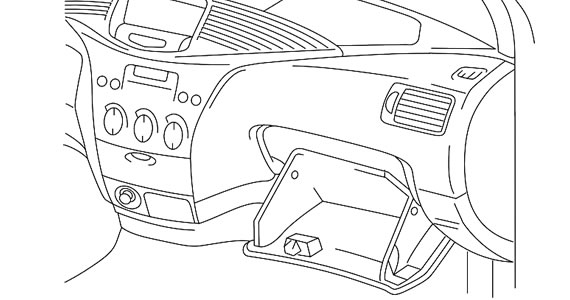
Each vehicle contains a glove box for a convenient area of storage where personal belongings or emergency items can be stored. For many people, the glove box is an ideal space to put specific items that are needed in an accident, during bad weather, or in the event of an emergency. To stay prepared, there are a few essentials that should be in every modern glove box.

1. Rechargeable Flashlight

If you have a flat tire in the middle of the night or get stuck in the mud when the weather is bad, a flashlight is an essential item to have on hand. To prevent having a flashlight in the glove box that has dead batteries, opt for using a rechargeable flashlight.

2. Portable Jump Starter

A portable jump starter will be a necessary item to have on hand if your car’s battery dies. There are many different types but getting one with a full size clamp to penetrate battery corrosion that may be present is a good idea. Having a portable jump starter handy is a great way to get back on the road if you are stranded out in the middle of nowhere.

3. First Aid Kit

For obvious reasons a first aid kit is necessary for any car or individual for proper roadside safety. If you’re involved in an accident or see someone stopped on the side of the road who in need of medical attention, a first aid kid is crucial to have if minor injuries occur instead of resorting to using duct tape. It can also be of help in a number of other cases.

4. Phone Charger

To stay connected to the outside world and have a way of contacting someone if you’re in need of help, a phone charger is essential if your phone runs out of battery. Having a spare car charger around in case of emergencies is always a good practice.

5. Automated Flare Device

To alert other drives of your vehicle parked on the side of the road, an automated flare device will get motorists’ attention and keep you safe until help arrives. A few of the devices can be used to put on the road around your car to keep you safe.

6. Auto Document Organizer

This item is needed to keep important documents organized when you get pulled over by a police officer or need to bring your medical documents to the hospital. You can also copies and have a few photos of the document on a phone as backup.

To prepare for different circumstances while in transit and have the necessary items on hand, there are a number of tools to keep in your glove box at all times. It will make it easier to get back on the road without having to deal with delays or prolonged interruptions.

Information Credit: Mike’s Auto Towing