All posts in Auto Insurance

Understanding the Ins and Outs of Car Insurance

When it comes to car insurance, you have to have it, but you hope to never have to use it. That makes it important to pay as little as possible for the coverage you need. Fully understanding how car insurance works can help you get the right coverage and not pay too much for it.

Types of car insurance

Liability is the minimum amount of insurance coverage mandated by just about every state and provides coverage in an accident that you cause. If you have a loan on your car, you will be required to carry collision, which covers damages to your car, and comprehensive coverage, which provides coverage for damage caused by something other than a collision, such as hail. Other types of coverage include uninsured motorist, which will cover you if you are hit by a person without insurance or who is underinsured, and personal injury protection, which is a type of coverage that pays for injuries to your passengers.

How rates are set

While your driving record, including how many accidents and tickets you have gotten, plays a big role in what kind of rates you get, insurance companies consider many other factors. Your age, sex, where you live and what type of car you have will help determine your rates. For example, if you are a teenage male, your rates will likely be very higher because statistics show that most severe accidents are caused by young male drivers. Young female drivers also have higher rates, but they tend to be somewhat lower than young males. Other factors that are considered in your insurance rates are the grades you get in school, and if you have already been in an accident or involved in some other traffic violation. Any traffic or accident that you may be involved in can also cause your insurance rates to go up later even after purchasing your insurance. Also note that, some insurers even consider whether you have a high credit score in setting your rates.

Being proactive

While you can’t do anything about some characteristics used to set rates, such as your age and sex, there are other things you can do to pay less. A perfect example of this is going to driving school. Taking a driver’s education course, especially if you are a young driver, will lower your rates. According to North Shore Driving School Ltd., most insurers give significant discounts to drivers who have taken a driver’s ED class or a defensive driving class.

Other ways to lower rates

In addition to taking driver’s ED, there are a number of other things you can do to help lower your rates. If you are a student, getting good grades is even more important than going to driving school. Bundling policies by getting more than one with the same insurance company will get you discounts and save you money on rates. You can also lower the rates you pay by agreeing to pay a larger deductible.

Car insurance doesn’t have to be expensive, and there are a number of things you can do to lower your rates.

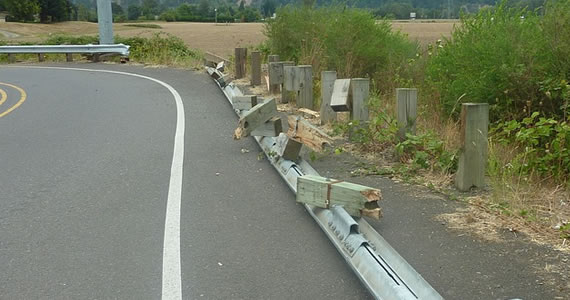
The Big No-No’s of Car Insurance: A Look at the Biggest 5 Mistakes You Can Make

While car insurance is a requirement, paying an arm and a leg in monthly premiums is not. Each year, thousands of consumers across the country purchase car insurance blindly, without finding out the best ways to maximize monthly premium savings. Before you hand over your hard earned cash for car insurance, avoid the following five biggest mistakes you can make when getting quotes from agents:

Rushing the Process

Because the process of shopping and buying insurance can cause massive headaches, consumers understandably want to get it over with as soon as possible. Like any other major purchases, rushing through the process can be a mistake. Be prepared to answer a variety of questions and complete some tasks that can save you money prior to getting quotes.

  • Get a printout of your driving record from the DMV. You’ll be able to have an accurate picture, and may be able to dispute any records that appear when you apply for insurance.
  • Take defensive driving course. If you have a poor driving record, this will greatly reduce your monthly premium.
  • Always ask for discounts. There are many discounts that both you and the insurance agent are likely overlooking. Remind them to look at any potential discounts that might be missing.

Choosing the Wrong Deductible

The deductible you choose plays a large part in how high or low your monthly premium will be. Choosing a higher deductible means your premium will be lower, but you’ll have to shell out more cash if you’re involved in an accident. A lower deductible means a high premium payment but will require less out-of-pocket money after a collision. Be sure to consider how the price of your deductible will work into your monthly budget before signing on the dotted line.

Always Read Before You Sign

Like any other contract, signing an insurance contract binds you to its terms and conditions. Take time to read through the paperwork. While it may take several minutes to complete, it could save you money in the long run. Finding out later after you’ve been involved in an accident that you’re not covered because of a clause in your contract can lead to a huge, unexpected dent in your expenses.

Buying Too Much Coverage

How much do you really care for your old beat up car? Do you really need full coverage or a large deductible? Buying too much coverage for your car is a mistake people make every day. If your car is more than a decade old, you’ll likely only need the minimum amount of insurance required under state law. Double coverage is also an issue that can cost you hundreds of dollars every year. Towing and vacation coverage clauses aren’t needed if you’ve got those covered when using your credit cards.

Everything Must Be in Writing

Some agents might promise everything under the sun, but may forget to leave some details out of the contract. Get everything in writing before you sign on the dotted line. Not doing so could potentially leave you open for financial headaches down the road.

Saving money while getting enough coverage should be your top priority when purchasing car insurance. Ask for a policy and cost breakdown so you have a better chance of cutting out coverage that you don’t need. The more informed you are about your own policy, the more likely you are to save money.

The information for this article was provided by the professionals at Steers Insurance Limited, who provide car insurance in Corner Brook.

Bad Driving Record Bumping Up Your Insurance Prices? How to Repair the Damage

Whether it is one too many speeding tickets, or a few unfortunate fender-benders, we all have things on our driving record that we regret. The biggest cause for remorse usually comes when our insurance prices are raised due to a poor driving record. Many drivers become frustrated when their driving record starts to take a dive, feeling like there is no way to repair the damage. The truth is, there are a few things that can be done to help improve your driving record and bring those insurance rates back down.

Take a Class

When you have a bad driving record, remember that your insurance is going up based on the risk that the insurance company considers you to be. That is why taking a good traffic class on defensive driving can reduce your payments; as you get more experience, you will simply be safer behind the wheel, making the risk of insuring you substantially less. Many defensive driving courses or traffic school classes are available online, so you can complete it at your convenience. Other courses will require you to attend a class at a nearby location in order to get credit.

Put in a Theft Deterrent Device

Though the insurance company is worried about your driving tendencies, they are also concerned with the safety of your car. One way to improve your insurance rates is to make it harder for people to steal your car. Put in a car alarm, invest in some kind of GPS tracking, or simply park your car in a garage at night. Mentioning these changes to your insurance provider can help lower your rates almost immediately. Once you can prove that you have taken measures to keep your car safe, the insurance company will consider it less of a liability.

Improve Your Credit

If you are working on improving your credit, or if your credit has substantially improved since your rates raised, bring it up to your insurance company. Though the laws vary from state to state, many insurance companies will use credit scores as a way to determine whether or not you should have a lower rate of insurance. Even a few points can make a difference, so consider whether your score could change your rates.

Negotiate

Be willing to go over your policy with a fine-toothed comb and to make sure that you are getting what you are paying for. There are some riders and protections that you might not need in your circumstances. By simply by talking to the insurance company, you may find that an adjustment of your policy can help to lower your rates. Going over the policy on your own, and asking questions to an agent will ensure that you aren’t paying for anything that you don’t need. Another thing to inquire about is whether types of payment or a certain payment schedule can reduce the amount that you pay overall. For example, if you state that you will pay your insurance in one lump sum, you may get a lower rate.

When you want to reduce your insurance prices, take a moment to do your research and get creative. It will take a little effort on your part, but you can easily lower rates by making adjustments or improvements, and working with an agent. Your insurance rates do not need to be as steep as they are, and just a little work can help you reduce them significantly.

The information for this article was provided by the professionals at Thomson Schindle Green Insurance & Financial Services, who provide custom built car insurance in Medicine Hat.

5 Ways to Get the Most Out of Your Car Insurance

In order to get the most out of your car insurance, a driver must be informed. They must be informed about how their car insurance policy works with the kind of car that they have. There are several ways to get the most out of their car insurance. Some are widely known while others are not. The following will present different ways to get the most out of your car insurance.

Show Your Repair

Inform your car insurance of any recent auto repairs to your vehicle. Provide them with receipts as proof to those repairs. Doing this will increase the value of your vehicle. If your vehicle were to be later damaged, you will get a greater compensation for you losses. Keep in mind that this is just for general repair. If you are in a car accident that causes significant damage to your car, you will have to show the reports to your insurance company anyway if you want them to cover any of your expenses of your car repair.

Contact the Department of Insurance

If your vehicle is damaged or totaled, meaning either unrepairable or repair costs are at least 75% of the retail value of the vehicle, your insurance company should cover the loss. However, if you feel that their offer is unfair, you can contact the Department of Insurance in your state. The Department of Insurance will then review your claim and assist.

Clean Your Vehicle

If possible, clean your vehicle after damages. If your vehicle is totaled, you can lose money on your estimate simply by having soiled seating. Cleaning your vehicle will prevent it from losing value and help you get the highest settlement. Avoid cleaning any evidence of the accident such as skid marks. The insurance company will need to view all damages caused by the accident in order to access its worth.

The Driving Classes and Other Discounts

Consider taking defensive driving classes and lower your premiums after you complete the course. Paying less for the same coverage is certainly getting the most out of your insurance. Check with your insurance company and local Department of Motor Vehicles for inquiries.

You can also look into other discounts. Many insurance companies will offer discounts for being a good student and getting good grades. Be sure to talk to your insurance provider to see what kinds of discounts that they offer and try to achieve them if they are possible for your current situation.

More Tips

Some more ways to get the most out of your car insurance are assuring that your insurance company has the correct mileage, condition, features, and cover options of your vehicle. You also always want to compare prices of competing companies. Lastly, drivers are often left with a balance after settlement which can be very stressful. Securing GAP (Guaranteed Auto Protection) insurance will help in covering the remaining balance after a settlement.

As presented, there are many ways to benefit the most from our insurance. Saving money, increasing or maintaining the value of your vehicle, and receiving the highest settlement all account for getting the most out of your car insurance. Drivers who are informed and diligent will achieve this goal.

6 Important Questions to Ask your Agent about Your Car Insurance Policy

Many people don’t truly take the time to look through their auto insurance policies until it’s too late. You don’t want to be footed with an unexpected bill after an accident, so it’s important to take a look through your policy and understand exactly what you’re buying. Although you might have sat down with an agent when you first purchased car insurance, it is always a good idea to meet with them again just to be clear on the terms of your coverage. Below are important six questions you’ll want to ask your insurance agent about your policy in order to avoid any confusion.

Does My Insurance Cover Flood Damage?

Flooding has been a major cause for concern this year because there has been record rainfall and flooding throughout the nation. Usually a flood claim is a total loss on the car, so it’s pretty important that you’re covered under an event like this, even if you have an older car that has been paid off for years. Having comprehensive coverage will help you secure a down payment for a new vehicle.

How Does My Car Insurance Cover a Rental?

Let’s say you’re going out of town for a week and don’t want to put the extra miles on your car, so you decide to grab a rental instead. When you’re signing the contract you’re going to be presented with a list of insurance options. In this situation, it’s important to know how your insurance will extend coverage to the rental to help you mitigate any unexpected costs. In most cases, if you’re renting a car similar in value to your vehicle then you’ll be safe, but it’s always a good idea to look over your coverage with your agent just in case.

Is My Liability Too High or Too Low?

Liability coverage seems like almost an afterthought when purchasing a policy, and most people tend to go with the state minimums. Unfortunately, a claim against another automobile is much cheaper to pay out than an injured family’s hospital bills. Your auto liability limits cover your assets, so it’s important to match your limits to your assets.

What is the Payout Process Like?

According to a personal injury attorney, knowing the payout process of a claim can be important in deciding how much coverage you’re comfortable purchasing. Most states have a form of personal injury protection (PIP) that will pay out first, followed then by medical payments. If that isn’t enough to cover your hospital bills, you can also litigate the at-fault driver for their bodily injury, or go even further and go after their uninsured/underinsured motorist coverage.

Why Should I Buy Medical Coverage if I already have Health Insurance?

This is a common question people ask their agents when purchasing insurance. What most people don’t realize is that this money does not cover your medical bills in the case of an accident, it covers the medical bills of people you injure. So, while you might be covered for injuries by your health insurance, you’ll be stuck with the bill if you injure someone in an accident and they decide to litigate.

What’s the Difference Between Comprehensive and Collision?

Many people either raise their deductibles or drop their comprehensive and collision coverage all together, once the vehicle reaches a certain age, to reduce their premium. This can be dangerous because you’re also dropping coverage for your vehicle under weather related circumstances as well. It’s generally always a good idea to keep comprehensive on your vehicle unless you know you’re financially stable enough to do without the vehicle in the case of it being a total loss. Comprehensive coverage covers for more than just acts of God, so speak with your agent to learn more.

When you purchase your policy, any good insurance agent will walk you through the basic coverage, but some things aren’t spelled out exactly. Knowing what types of questions to ask will help you purchase a policy that fits your needs the best. Even if you’ve had your policy for a long time, it never hurts to meet with an agent in order to make sure you aren’t paying too much, or aren’t missing any important coverage.