All posts in Auto Buying Tips

The High Cost of Used Cars: Reasons Behind the Phenomenon and Ways to Deal With It

used car

In recent times, the rising costs of used automobiles have become a trending topic among consumers who are interested in purchasing second-hand cars. Often seen as a more affordable option compared to their newer counterparts, this phenomenon seems to be creating a serious dent in potential car owners’ budgets.

This blog post delves into the reasons behind the high prices of used cars, and offers some advice on how to navigate this challenging market.

Rising Demand for Used Cars

One of the main drivers of high used car prices is the increasing demand for them. There are several factors that have contributed to this surge in demand:

1. Economic Uncertainty:
With the constant fluctuations in the global economy and employment rates, people have become more cautious about making expensive purchases. Therefore, they are more drawn to used cars as a more economical alternative.

2. Depreciation:
New cars depreciate significantly in the first few years of ownership, which makes purchasing a used car a financially sound decision for many buyers.

3. Consumer Preferences: Many car buyers are specifically looking for used vehicles due to concerns about the environmental impact of new car production, as well as the desire to own older or classic models.

Shortage of New Car Inventory

As a result of the COVID-19 pandemic, production of new vehicles has been disrupted due to factory shutdowns and supply chain issues. This lack of new car inventory has caused more consumers to turn to the used car market, thereby further driving up demand and prices.

The Semiconductor Shortage Crisis

Another factor contributing to the high prices of used cars is a global shortage of semiconductors. These small chips are crucial components in modern vehicles, particularly for electronic and safety features.

Due to the pandemic, the demand for semiconductors has skyrocketed with increased reliance on electronic devices, creating a supply and demand imbalance.

Tips for Navigating the High Prices of Used Cars

Despite the high costs of used vehicles, potential buyers can still find ways to make their car purchases more affordable:

1. Conduct Thorough Research:
Investigate the make and model of the car you’re interested in, along with the vehicle’s history, to ensure that you’re making a wise investment. Websites like Kelley Blue Book and Edmunds can provide valuable information on used car market pricing.

2. Shop Around:
Don’t settle for the first used car you come across. Instead, check out local dealerships, private sellers, and online listings to compare prices and secure the best deal.

3. Negotiate:
Just because used car prices are high, it doesn’t mean you can’t negotiate. Be prepared to haggle on the price and be firm in your budget limitations.

4. Time Your Purchase Wisely:
Monitor the market trends and avoid buying when demand is at its peak. Consider purchasing your used car during less busy times, such as during the winter months, when dealerships are more inclined to offer discounts.

5. Financing Options:
Explore different financing options to determine which is best suited for your budget. Consider getting a pre-approved loan, as this can give you more leverage when negotiating.

Conclusion

The high prices of used cars may seem discouraging to potential buyers, but by understanding the factors contributing to the inflated costs and taking appropriate steps, it’s still possible to find a used vehicle that meets both your needs and budget. Agile strategies, research, and flexibility are key to navigating this ever-evolving market.

Understanding Electric Vehicles (EVs) and The Impact On Driving Future

understanding electric vehicles

Electric vehicles (EVs) are becoming increasingly popular as an environmentally-friendly way to get around. With the world’s awareness of climate change growing, more and more people are looking for ways to reduce their carbon emissions.

EVs offer a great solution – they have zero tailpipe emissions and require no petrol or diesel at all!

  • But what exactly is an EV?
  • How much do they cost?
  • And how can you make sure you get the most out of your electric car experience?

In this blog post, we’ll explore these questions and more, so read on to learn all about EVs!

What Exactly Is An EV?

An EV is an automobile that runs on electric power, instead of traditional fuel sources. This means they don’t require any petrol or diesel to run – just electricity!

EVs are becoming more and more popular due to their environmental benefits and the ever-growing range of affordable models available. In addition, many governments offer incentives for buying electric vehicles, such as subsidies or tax credits, making them even more attractive.

Pros of EVs:

  • Lower emissions and better for the environment
  • Cheaper to run and maintain than petrol/diesel cars in the long term
  • Quieter than traditional vehicles
  • Tax incentives available from some governments
  • More advanced technologies such as autonomous driving, connected car services etc. available on EV models

Cons of EVs:

  • High initial cost compared to traditional vehicles
  • Limited range due to battery capacity
  • Long charging times (although this is improving)
  • Limited availability of public charging infrastructure
  • Lower resale values than traditional vehicles

While there are still some drawbacks to consider, the future promises to bring further advances in technology that will make them even more appealing.

The Cost of EVs

The cost of EVs varies greatly depending on the model you choose. Generally speaking, entry-level EVs can be found from around $20,000, while higher-end models can reach well over $100,000.

It’s important to do your research before purchasing an EV so you know exactly how much you’ll be spending.

Be sure to check out any applicable tax incentives or subsidies available in your area – this can help make the final purchase less expensive.

Here is an idea of the varying cost models currently available:

  • Tesla: Model 3 – $35,000+, Model S – $76,990+, and Model X – $79,990+
  • Jaguar I-PACE EV400 AWD HSE – $69,850
  • Audi E-Tron 55 Premium Quattro SUV -$74,800
  • Hyundai Kona Electric Limited Edition -$44,999
  • Nissan Leaf SL Plus 2019 – $36,550
  • Kia Soul EV 2020 – 28.5K
  • Porsche Taycan Turbo S – 150K
  • Chevrolet Bolt Premier Hatchback– 37.5k

What About Charging

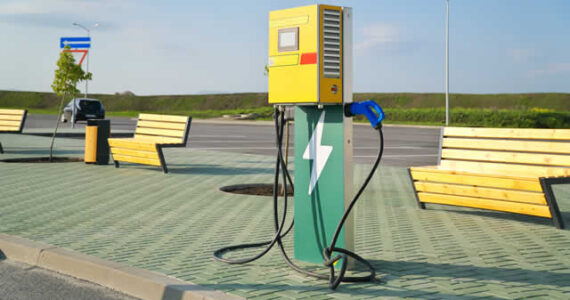
When it comes to charging, the convenience of EVs is a major selling point. You can charge your EV at home overnight on a regular household socket, or even faster with a dedicated wall box charger.

There are also more and more public charging points popping up around the country, so you never have to worry about being stranded without power.

Electric vehicles (EVs) can be charged in two different ways: either with a standard 120-volt outlet or a higher-powered 240-volt outlet. Depending on the type of EV, its battery capacity, and the power of the charging station, it can take anywhere from 30 minutes to 12 hours to fully charge an EV.

Charging with a standard 120-volt wall outlet is called Level 1 charging, and it requires up to 12 hours for a full charge. This type of charging is used at home for overnight charging, as the slower speed does not require any special installation or additional hardware.

Level 2 charging is much faster — up to 10 times faster than Level 1 — because it uses a higher-powered 240-volt outlet. With Level 2 charging, an EV can be fully charged in 30 minutes to 6 hours, depending on its battery size and how much power the station provides. This type of charging often requires the installation of specific equipment such as a dedicated circuit breaker panel or electrical wiring to provide enough juice for fast charging.

Lastly, there are DC fast chargers that use even higher power levels to give EVs an 80% charge in just 15–30 minutes. These types of chargers are extremely powerful (up to 500 volts), but they are also very expensive and complex to install, so they’re usually found in public locations like shopping centers or gas stations, rather than at private residences.

Overall, electric vehicles offer an environmentally friendly solution for getting around town that comes with plenty of cost-saving benefits and modern conveniences. If you’re looking for an efficient way to get around while helping the environment, then EVs could be just what you need!

image credit: envato.com

Tips to Find Good Used Pickup Truck Parts

used pickup parts

When shopping for used pickup truck parts, some of the steps you need to take will depend on the type of vehicle you’re looking for. This article will discuss getting a CARFAX report, having a third-party mechanic look at the car, and getting an inspection from a dealership like Chevrolet of Naperville. These tips can help you find good used pickup truck parts for your vehicle.

Getting a CARFAX report

Getting a CARFAX report is an essential step in the buying process. It provides crucial information about the car’s past and identifies hidden problems. A CARFAX report is a must-have tool if you’re considering buying a used pickup truck. It’s also a great way to avoid buying a lemon.

One of the main reasons CARFAX reports are valuable is that they contain information about past owners. You’ll find out if the previous owner took care of the vehicle and how much it cost to fix it. It will tell you whether the car qualifies for a warranty. Finally, a CARFAX report will show if the vehicle has ever been in an accident.

Getting a CARFAX report is vital for finding good used pickup truck parts. It’s a good idea to look for any vehicle with a poor CARFAX report, as it’ll tell you the exact history of the car. For example, you may want to opt for a Toyota pickup truck known for safety. If you’re thinking about buying one, get the CARFAX report to learn more about its past.

You can find the odometer and other information on a CARFAX report. However, older cars with manual odometers might have been subject to alterations, making it difficult to find a car’s exact mileage. Also, a CARFAX report lets you check if a vehicle has a title. Purchasing a car without a title is a poor choice.

Getting a third party mechanic to inspect a truck

There are a few ways to spot a bad truck. One way to avoid falling for a scam is to get a mechanic to inspect a truck before buying it. Unfortunately, many mechanics will overestimate problems and inflate the time it will take to fix them. For instance, a power steering pump might last long before it needs to be replaced, but a shady mechanic will make a lot of money by exaggerating its lifespan.

Another tip is to get a third-party mechanic to inspect the truck. This way, you can ensure that the truck has not been neglected or has suffered a breakdown after buying it. Besides, the mechanic will be able to provide a full inspection report for the truck, which is crucial if it needs to be repaired. The mechanic will also provide you with any recommendations for parts and accessories.

Lastly, it is a good idea to hire an honest mechanic. This is important because some mechanics may exaggerate legitimate issues to get you to purchase a truck. For example, a shady mechanic might tell you that the truck needs a particular repair, but you’ll have to pay for it afterward.

Getting an inspection from Chevrolet of Naperville

When you’re thinking about buying used pickup truck parts, it’s essential to have your vehicle inspected by a reputable dealership. Chevrolet of Naperville is a trusted name in the Chicago area for buying and selling used cars and trucks. Their experienced mechanics are trained to check for drivability, transmission, and electrical issues. They are also able to help you with routine auto maintenance and repairs.

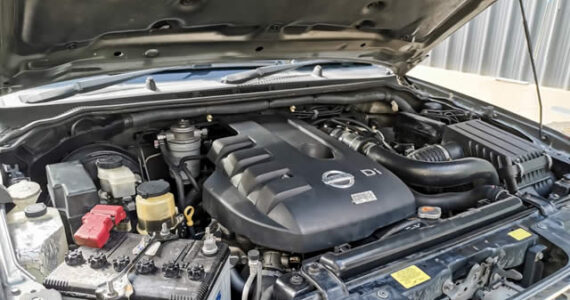
Before signing the papers, you should get a vehicle inspected from top to bottom. Although a used Chevy pickup might look great on the outside, there may be problems hidden under the hood. So don’t be afraid to open the hood, either. The extra inspection could mean buying a high-quality used Silverado or a lemon. The assessment can save you time and money down the road.

image credit: twenty20.com

5 Tips for Finding an Affordable Car for Your Family

buying affordable car

When you’re trying to run your household correctly, there are so many practical matters to consider. Making sure everyone is healthy and happy is important. Cultivating wonderful family moments and memories are important as well.

However, a major part of that process involves prioritizing the financial health and wealth of the family. This includes everything from making great financial investments to sticking to a budget. So when the time comes to find an affordable car for your family, it’s best to consider a few tips before you get started.

1. Work on Your Credit Score

When you have an excellent credit score, you become a desirable candidate for a loan. An excellent credit score represents your ability to be reliable with the money you’re approved for. Take a good look at your credit score. Then, figure out ways to improve it. Whether you need to negotiate a debt, pay off a credit card, or get some negative items removed from your credit history, make the changes in advance.

Credit scores take time to change and reflect a better score. This is why it’s best to focus on improving your score at least six to nine months before you’re ready to purchase a new car.

2. Purchase a Used Vehicle

A brand-new car loses thousands of dollars worth of valuewithin the first month it’s driven off of the lot. Instead of paying for that new car smell, purchase a used vehicle. For example, if you live in South Dakota you can find used cars near Rapid City that provide the same quality at a fraction of the price.

3. Be Willing to Negotiate Your Ideal Price

When you’re looking for the ideal price, it’s okay to speak up for what you want. When you’re on the car lot, the last thing a salesman wants is for you to walk away. This is why it’s best to do your research, find out about the prices cars are going for, and create a reasonable offer that you can present to a salesman. Don’t offer a low-ball offer. That can actually be a major turn-off. When you’re working on negotiating the perfect offer, it’s best to be fair and firm.

4. Don’t Get Stuck on Names

There are certain cars that get a bad reputation because they’re some of the least expensive cars on the lot. However, don’t get stuck on the titles. Instead, focus on the quality and longevity of the car. Take note of what other people are saying about the car. Look at online reviews. Pay attention to the number of recalls that a particular car tends to get.

As you do your research, it’ll be clear to see that a luxury car and a mid-level car can actually offer many of the same characteristics. However, people get stuck on the name and the prestige associated with certain cars. When you’re looking for affordability, you can get hung up on names.

5. Consider the Maintenance Costs

As you continue your research for an affordable vehicle, remember to pay attention to the maintenance costs associated with a car. Even the regular cost of gas can break a budget if you didn’t plan to place premium gas in the car. Consider the repairs and the replacement of parts. When you have to find and replace intricate parts of foreign cars, you can easily spend an astronomical amount of money. Be mindful of the maintenance factor because you want your affordable car to last.

As you get creative and strategic in your methods to secure the best car for your family, don’t give up on your goal. However, it is still important to prioritize safety and practicality. Consider your dealbreakers, but remember that this car will be carrying precious cargo. Therefore, as you include these tips into your plan, use discernment and wisdom in order to find the perfect family vehicle.

image credit: Pixabay

5 Things to Check Before Buying a Used Family Car

used autos

New cars have some glamour, but can be extremely expensive. If you can find a used car that’s been well-cared for, you can save a lot and enjoy worry-free travel. However, there are things you need to carefully check out before buying a used car.

Do A Walk Around

Walk around the car and look to make sure it is level. Problems with leveling can be an indicator of bad shocks or struts. These crucial tools can lead to a lot of bouncing, a pull on the steering wheel as you try to drive straight, and can wear out your tires quickly. You need all four tires on the road and for shock absorbers to move freely to avoid the risk of a wreck.

Review the Service Records

The glove box should contain the manual. Review this book for any service records logged in the back. If you’re buying your car from the selection of used cars in Gillette Wyoming or your particular locale, check in with the facility mechanic to determine what they found when they checked out the car.

If the dealership doesn’t have a mechanic, or if you’re buying from a private seller, take it to a mechanic for a thorough assessment. Be ready to pay for this checkup, as it could be the best money you spend on a car you choose not to buy. Finally, if the private seller won’t let you take the car to be checked out, walk away.

Get Under the Hood

When checking the car for level, you might as well get on the ground and look for fluid. Green fluid is a radiator leak, while red fluid is usually engine oil. Open the hood and check the radiator fluid level. Pull the engine dipstick and check to make sure the oil is clean. Take a look at the brake fluid level. Finally, sniff. Cars that have been run too hot due to thermostat problems or just because the oil was allowed to run too dirty for too long can have a burned or smoky odor. It’s not a sign to walk away, but you’ll want to get it checked out.

Check the Tire Tread

Take apenny out of your pocket and put Mr. Lincoln upside down in the tire tread. If you can see the top of his head, the tires are too worn to be safe. Tire tread is critically important. Bald tires can’t clear rainwater, so your risk of a skid can get very dangerous, very quickly. You need tires with some grab to be safe.

Test Drive

When you take the car for a test drive, go easy and let the car warm up. Once it’s running smoothly, hit the brakes hard. If you hear a squeak, whistle or clunk, the brakes will need work. Punch the gas pedal to check acceleration. If there’s delay, the injectors may need attention, or the timing of the engine may be off.

If it’s a standard transmission, work carefully through the gears. Make sure you can easily get into reverse from a stopped position. Slip your shoes off and check the friction point on the clutch. You want the clutch to engage at the top of the pedal, not by the carpet. If the clutch engagement point is low, a novice may have worn it excessively or damaged the transmission. Downshift through the gears to check for slop or misalignment.

Conclusion

A good used car can be a great investment, but you need to do your homework. Visit a lot to get a good sampling of what’s available in your price range and seek the help of a qualified mechanic for a final check.

image credit: envato.com